Numerical simulation of red blood cells migration and platelets margination for blood flow in micro-vessels with fusiform aneurysms
Ahmed Elhanafy, Samir Elsagheer, Sameh Nada

TL;DR
This study uses simulations to explore how red blood cells and platelets behave in blood vessels with aneurysms, showing how these behaviors affect blood flow and oxygenation.
Contribution
The study provides new insights into blood cell dynamics in micro-vessels with fusiform aneurysms using numerical simulations.
Findings
Decreasing hematocrit increases migrated red blood cells and cell-free layer thickness, affecting blood viscosity and wall shear stress.
Fusiform aneurysms reduce red blood cell velocity by over 83%, potentially impairing oxygenation.
The cell-free layer is thinner at the divergent part of the aneurysm, showing an asymmetrical trend in blood flow dynamics.
Abstract
Understanding several micro-vascular diseases depends mainly on examining the dynamic behavior of blood cells, especially the red blood cells (RBCs) and platelets. For instance, the dynamics of RBCs and platelets are significantly impacted by micro-vascular diseases such as aneurysms, which may lead to many disorders. The oxygenation process, for example, depends on the motion and velocity of the RBCs. Important hemodynamic parameters such as the wall shear stress (WSS) and the cell-free layer (CFL) thickness are affected by the motion of the RBCs and platelets. Thus, the main objective of the current study is to introduce more insights into cellular blood dynamics in micro-vessels with fusiform aneurysms, which have important clinical implications, by examining some important hemodynamic parameters. This study examines the migration of RBCs and their velocities under different…
Genes, proteins, chemicals, diseases, species, mutations and cell lines named across the full text — each resolved to its canonical identifier and authoritative record.
Click any figure to enlarge with its caption.
 Figure 10
 Figure 11
 Figure 12
 Figure 13
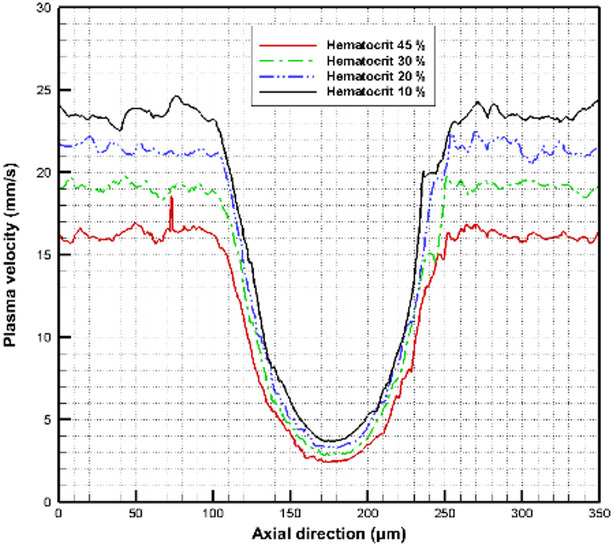 Figure 14
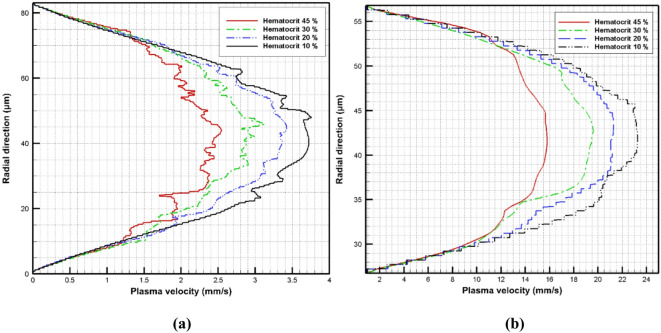 Figure 15
 Figure 16
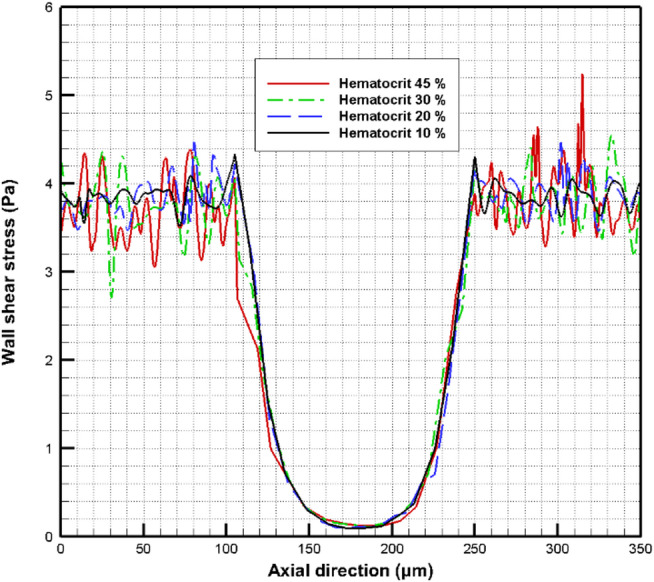 Figure 17
 Figure 1
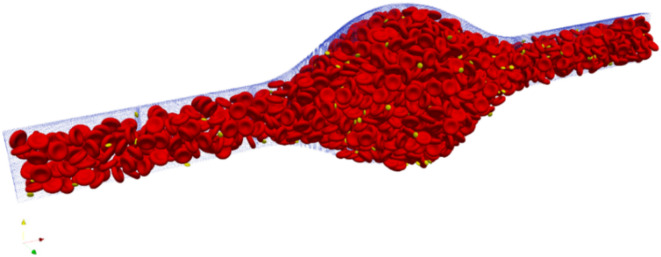 Figure 2
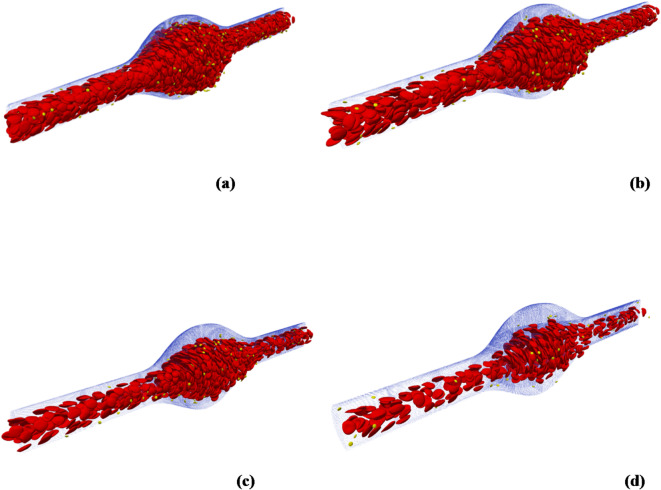 Figure 3
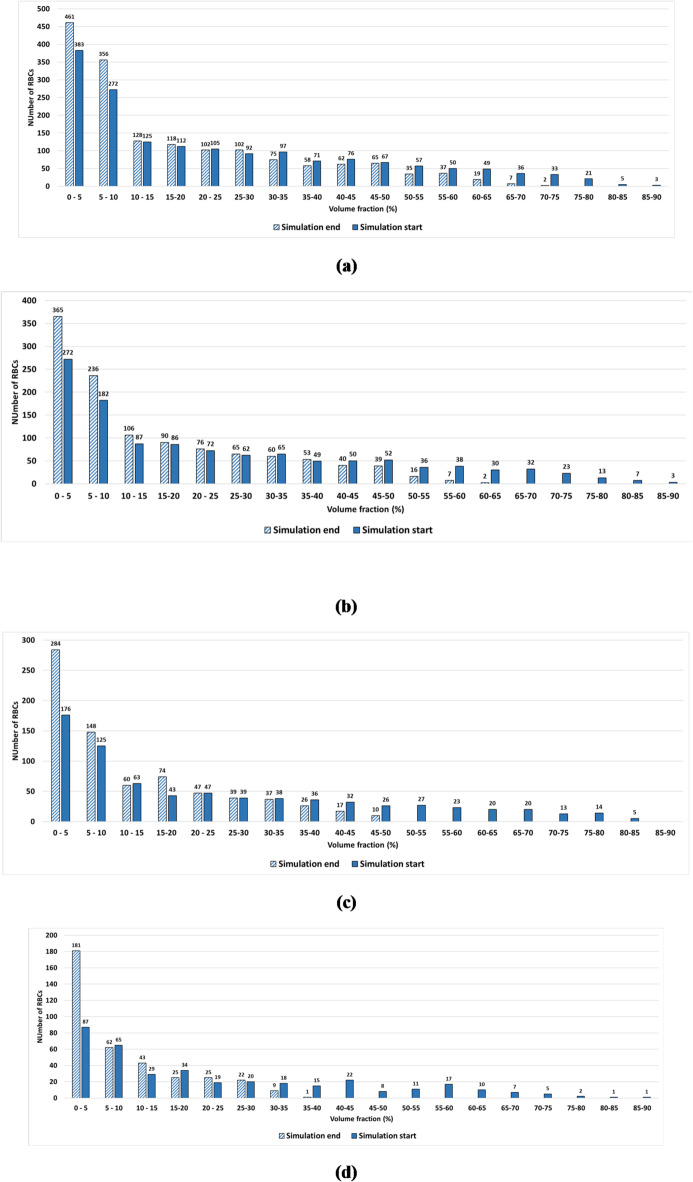 Figure 4
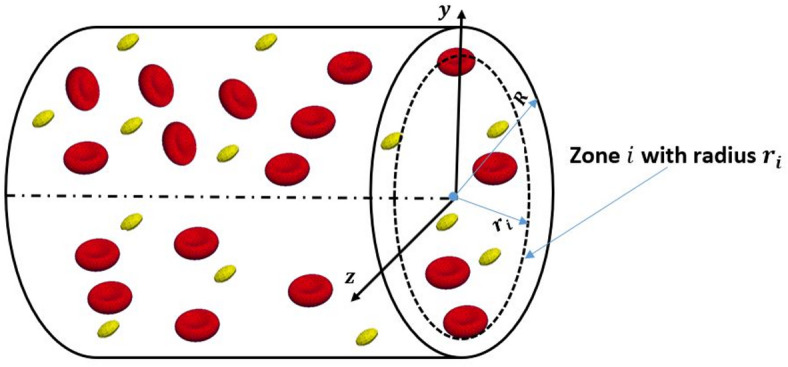 Figure 5
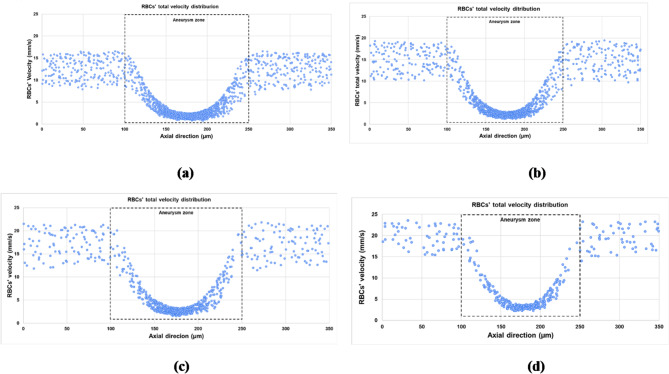 Figure 6
 Figure 7
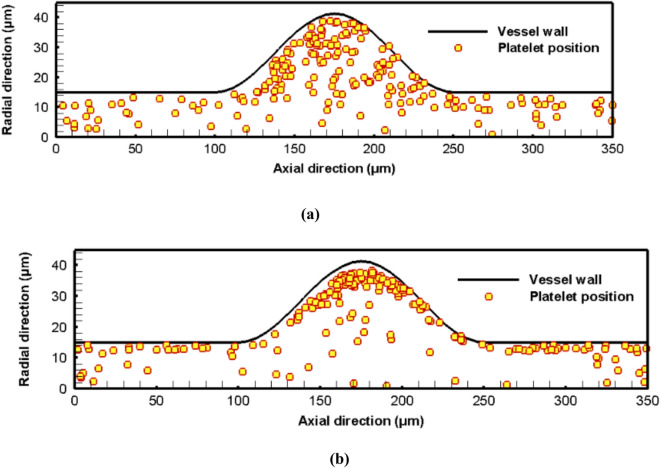 Figure 8
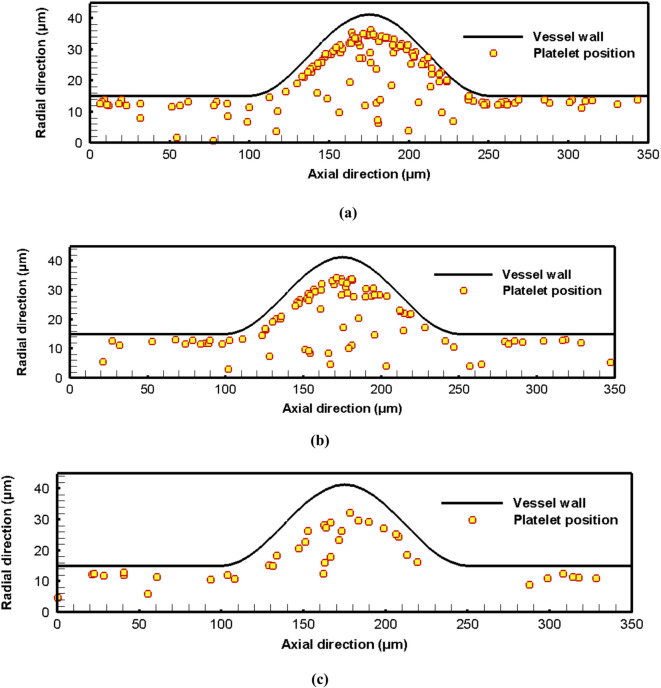 Figure 9
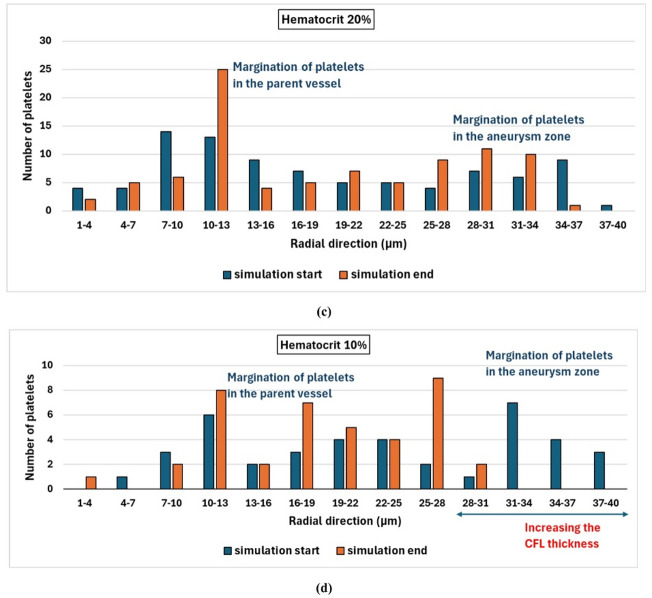 Figure 18
Peer Reviews
No public reviews on file for this paper yet. If you reviewed it on a platform where reviews are public (OpenReview, ICLR, NeurIPS, ICML), you can paste yours below so the community can read it here.
Videos
No videos yet. Explain this paper in a talk, walkthrough, or lecture? Add one.
Taxonomy
TopicsBlood properties and coagulation · Angiogenesis and VEGF in Cancer · 3D Printing in Biomedical Research