The interplay of olfaction and vision in host plant selection by Anthrenus verbasci
Ferenc Deutsch, Sándor Kecskeméti

TL;DR
The study explores how Anthrenus verbasci adults use smell and sight to select host plants, focusing on their attraction to Aegopodium podagraria.
Contribution
This study identifies specific floral volatiles that attract Anthrenus verbasci and reveals the interplay between olfactory and visual cues in host selection.
Findings
Eight antennally active compounds were identified in Aegopodium podagraria's volatiles.
Floral volatiles significantly attract Anthrenus verbasci adults, but this attraction decreases with damaged flowers.
Germacrene-D induces aversion in beetles, suggesting potential repellent properties.
Abstract
Anthrenus verbasci is commonly associated with museums, where the larvae can destroy valuable collections and displays. In households they are a nuisance; carpets, fabrics, food-items, or any proteinaceous material can be damaged. Little is known about the host preference of adults, they are frequently seen on plants of the Apiaceae, yet we do not know why they are preferred. Contrast of white flowers attract these insects primarily, yet it is unknown if floral volatiles mediate host recognition. We observed a high abundance of A. verbasci adults on the umbels of Aegopodium podagraria and sought to determine whether this mass attraction is driven by floral volatiles. Gas chromatography coupled electroantennography, revealed 8 antennally active compounds from the headspace volatilome of A. podagraria. Y-tube assays confirmed that intact A. podagraria floral volatiles attracted A.…
Genes, proteins, chemicals, diseases, species, mutations and cell lines named across the full text — each resolved to its canonical identifier and authoritative record.
Click any figure to enlarge with its caption.
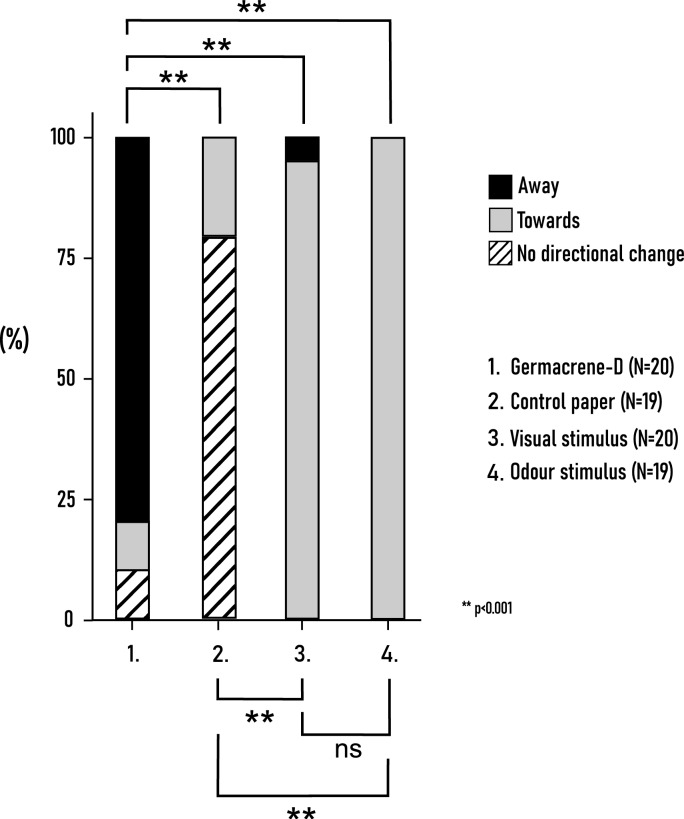 Figure 10
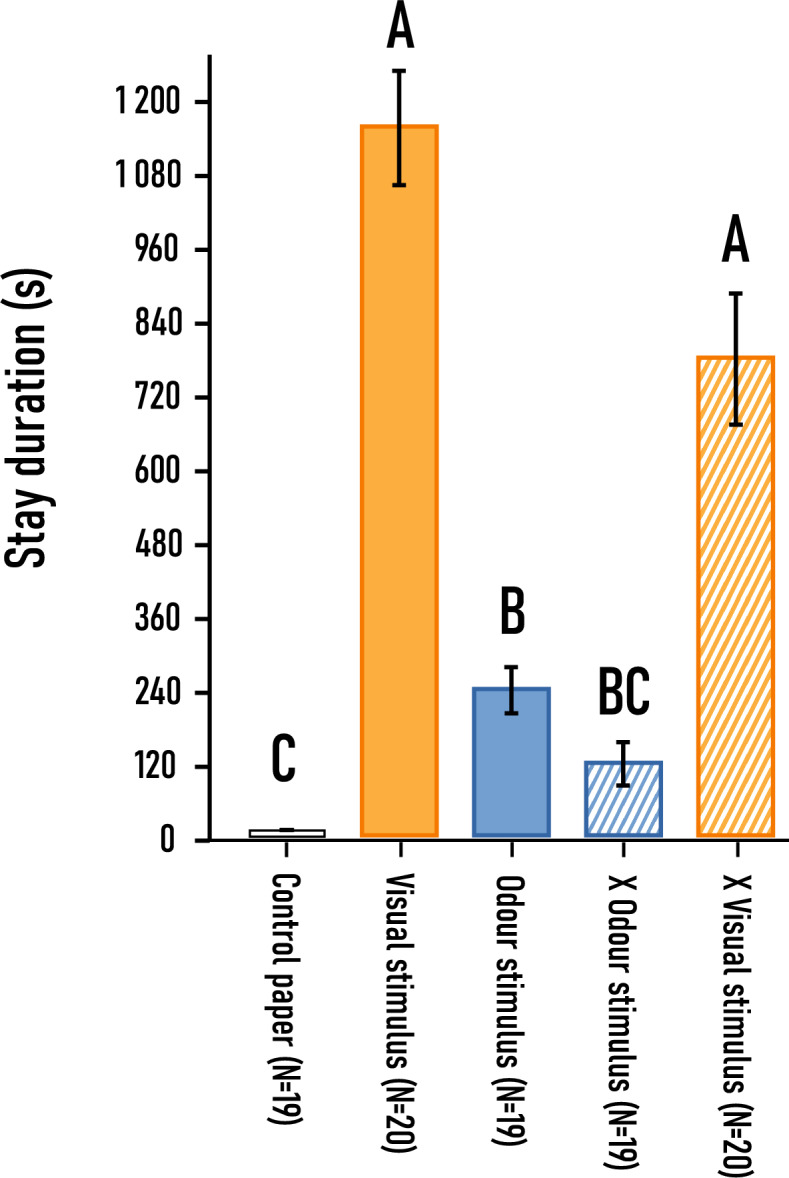 Figure 11
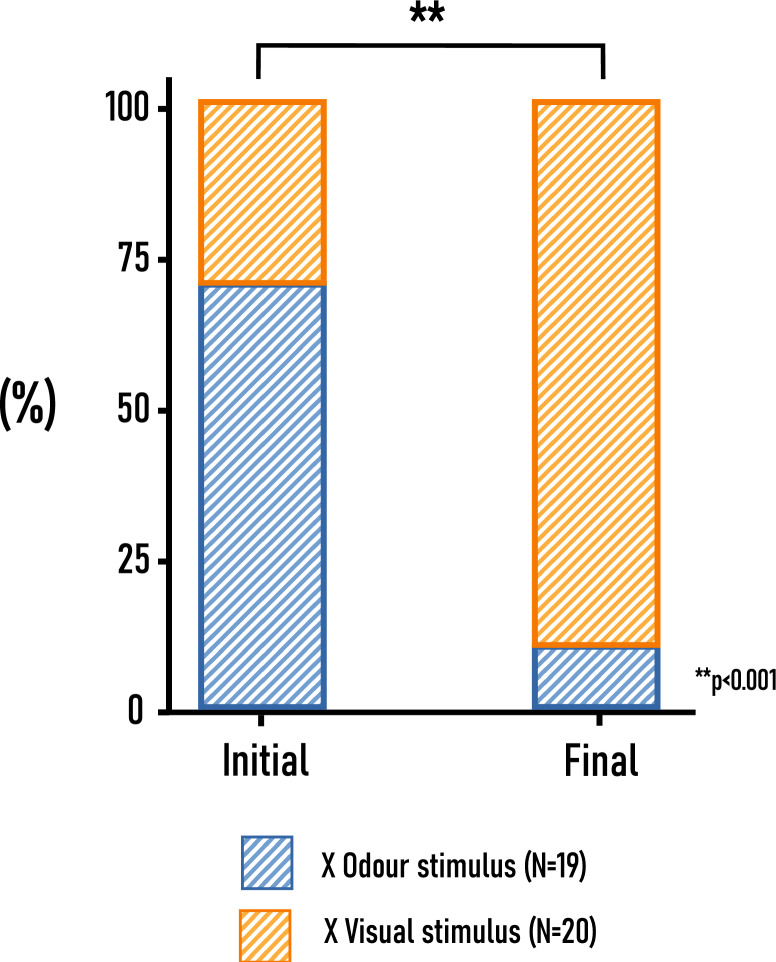 Figure 12
 Figure 1
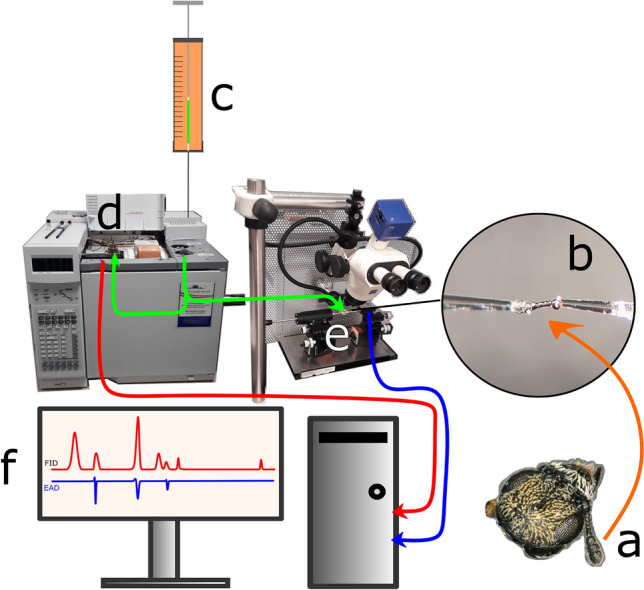 Figure 2
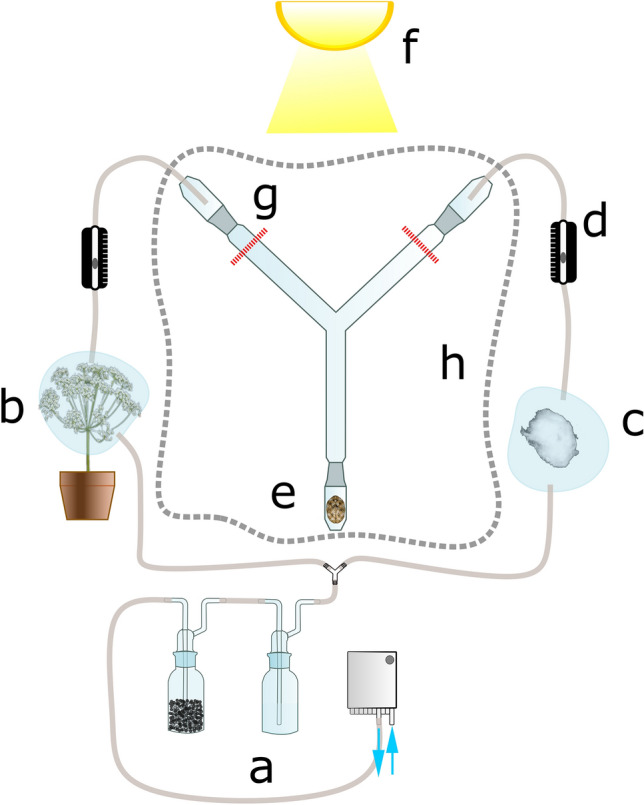 Figure 3
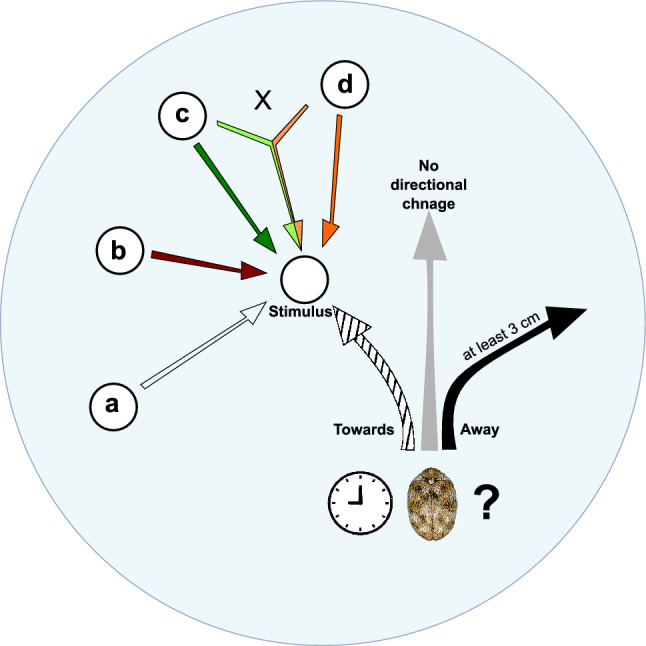 Figure 4
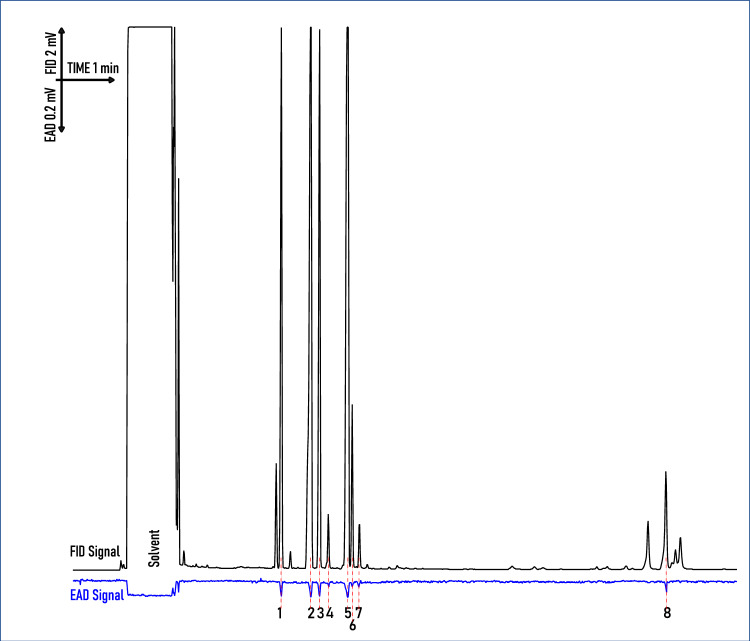 Figure 5
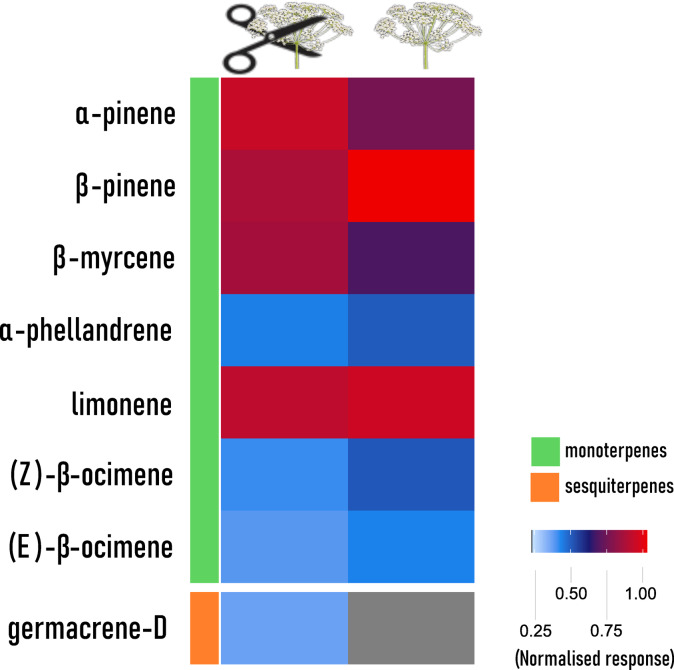 Figure 6
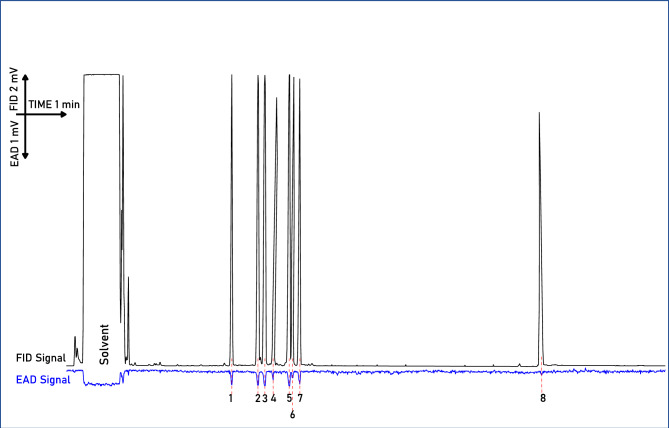 Figure 7
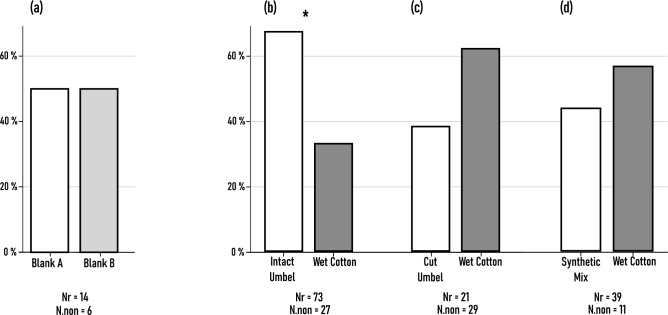 Figure 8
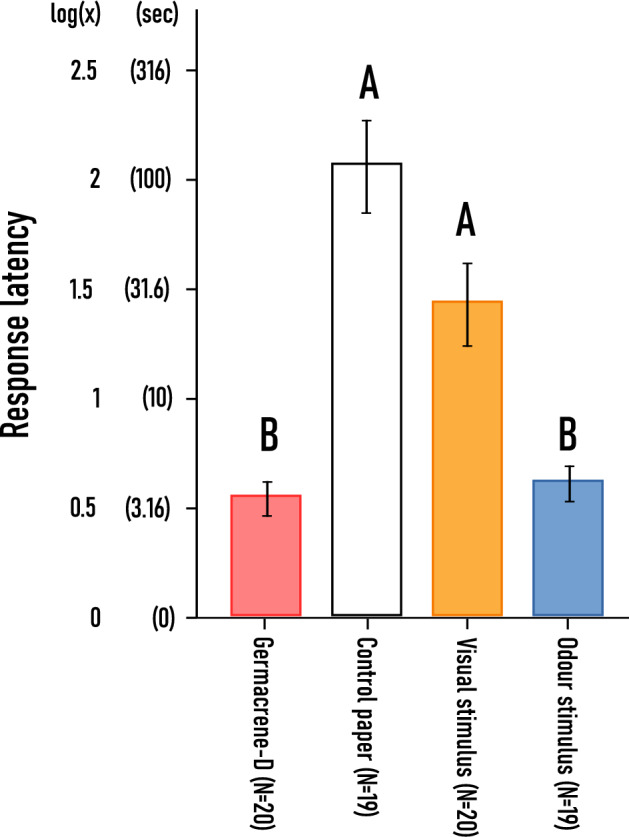 Figure 9
Peer Reviews
No public reviews on file for this paper yet. If you reviewed it on a platform where reviews are public (OpenReview, ICLR, NeurIPS, ICML), you can paste yours below so the community can read it here.
Videos
No videos yet. Explain this paper in a talk, walkthrough, or lecture? Add one.
Taxonomy
TopicsBryophyte Studies and Records · Sesquiterpenes and Asteraceae Studies · Hymenoptera taxonomy and phylogeny