YTHDC2 suppresses bladder cancer by inhibiting SOX2-mediated tumor plasticity
Yi Cai, Cong Zhu, Ming-Hui Shi, Jin-Hui Zhang, Shu-Yan Liu, Jin-Long Cui, Meng-Meng Guo, Dao-Jing Ming, Xian-Tao Zeng, Shuai Yuan, Hong Weng

TL;DR
This study shows that YTHDC2 prevents bladder cancer progression by suppressing SOX2, a key driver of cancer cell plasticity.
Contribution
The study reveals YTHDC2 as a novel tumor suppressor that inhibits bladder cancer via m6A-dependent SOX2 regulation.
Findings
YTHDC2 depletion increases bladder cancer stem cells and promotes invasive cancer traits.
YTHDC2 binds to m6A-modified SOX2 mRNA, inhibiting its translation and reducing cell pluripotency.
Targeting the YTHDC2-SOX2 axis presents a potential therapeutic strategy for bladder cancer.
Abstract
Pluripotent cancer stem cells play a pivotal role in inducing phenotypic plasticity across various cancer types, including bladder cancer. This plasticity, crucial for cancer progression, is largely regulated by epigenetic modifications including N6-methyladenosine (m6A) in RNAs. However, the role of the m6A reader protein YTHDC2 in this process remains poorly understood. In this study, we uncovered that the depletion of YTHDC2 significantly increased the pool of bladder cancer stem cells (BCSCs), resulting in a phenotypic shift towards a more invasive subtype of bladder cancer. This shift was characterized by enhanced proliferation, migration, invasion, and self-renewal capabilities of cancer cells, highlighting YTHDC2’s function as a tumor suppressor. Mechanistically, YTHDC2 recognized and bound to m6A-modified SOX2 mRNA, resulting in translational inhibition of SOX2. In conclusion,…
Genes, proteins, chemicals, diseases, species, mutations and cell lines named across the full text — each resolved to its canonical identifier and authoritative record.
Click any figure to enlarge with its caption.
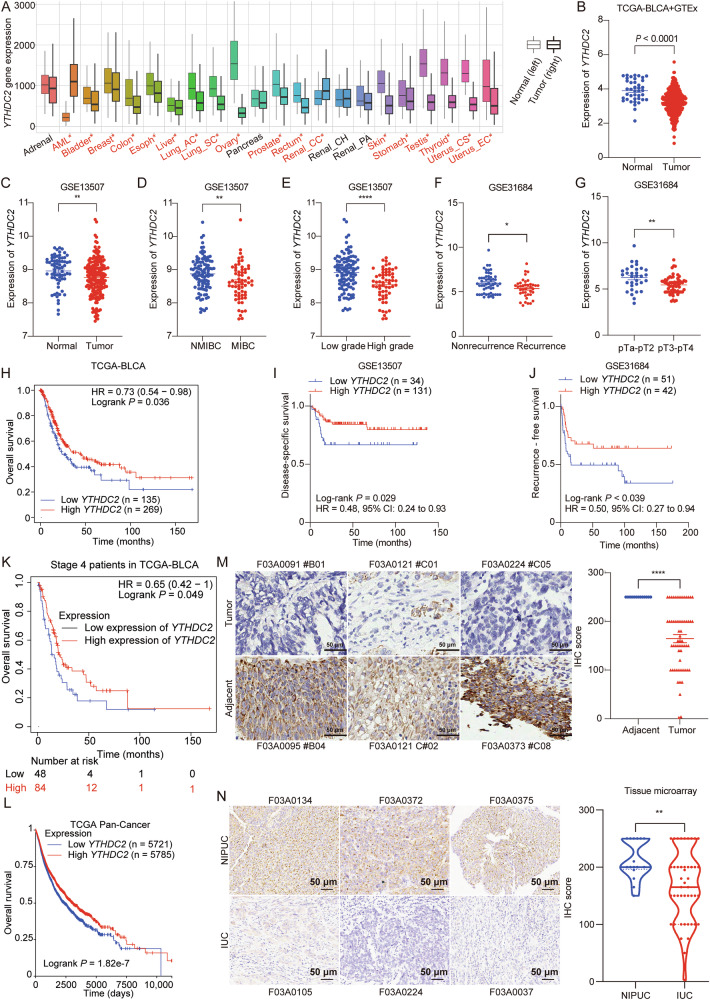 Figure 1
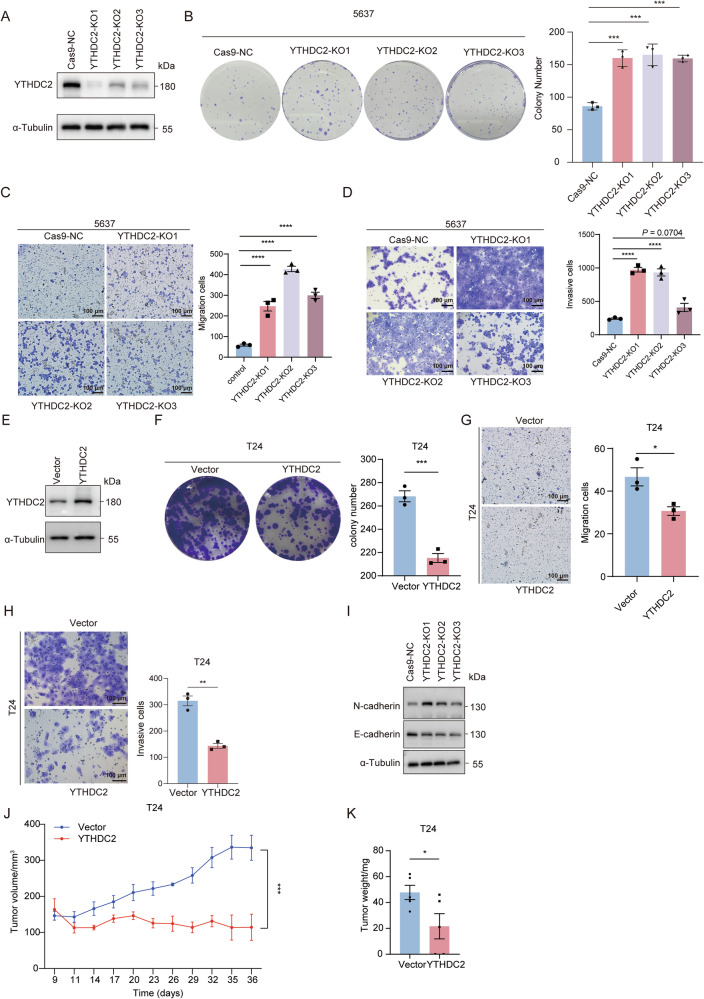 Figure 2
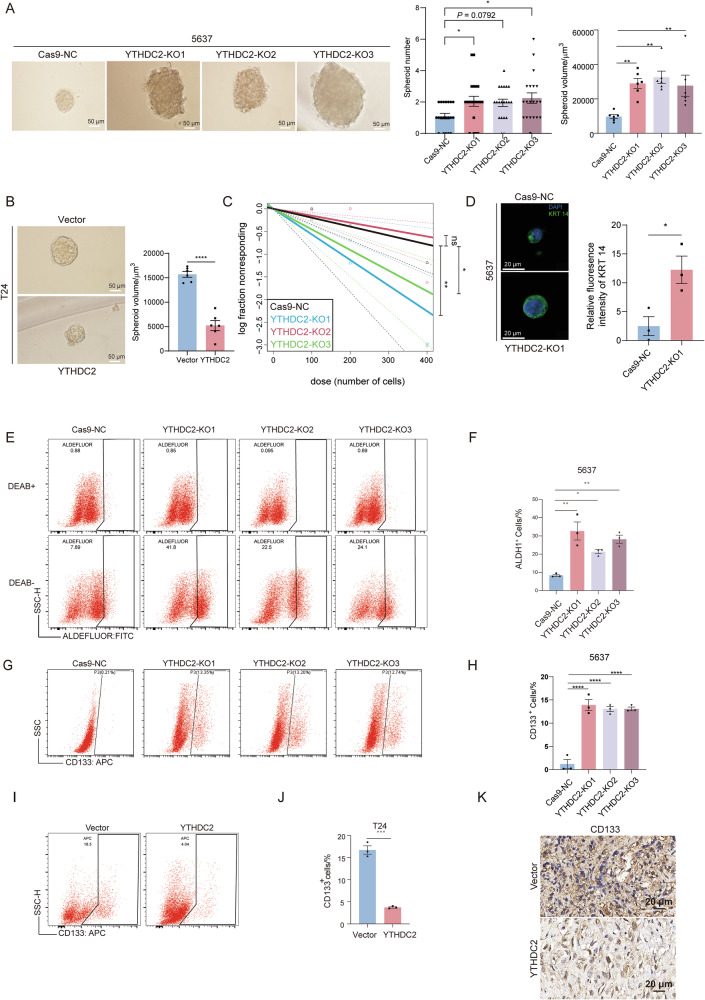 Figure 3
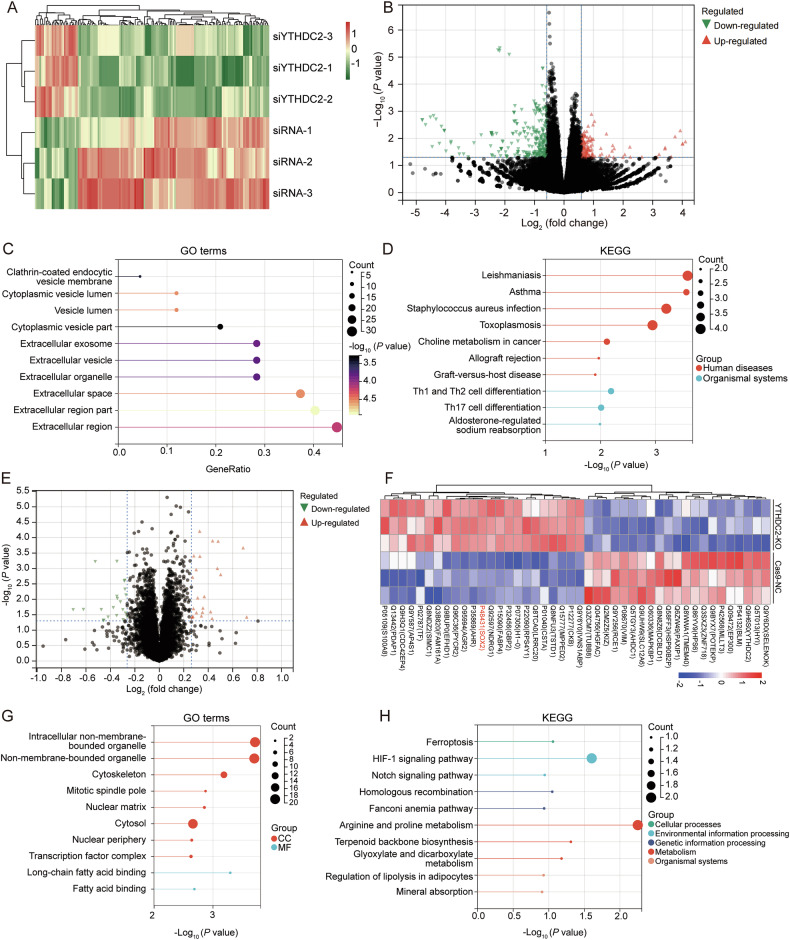 Figure 4
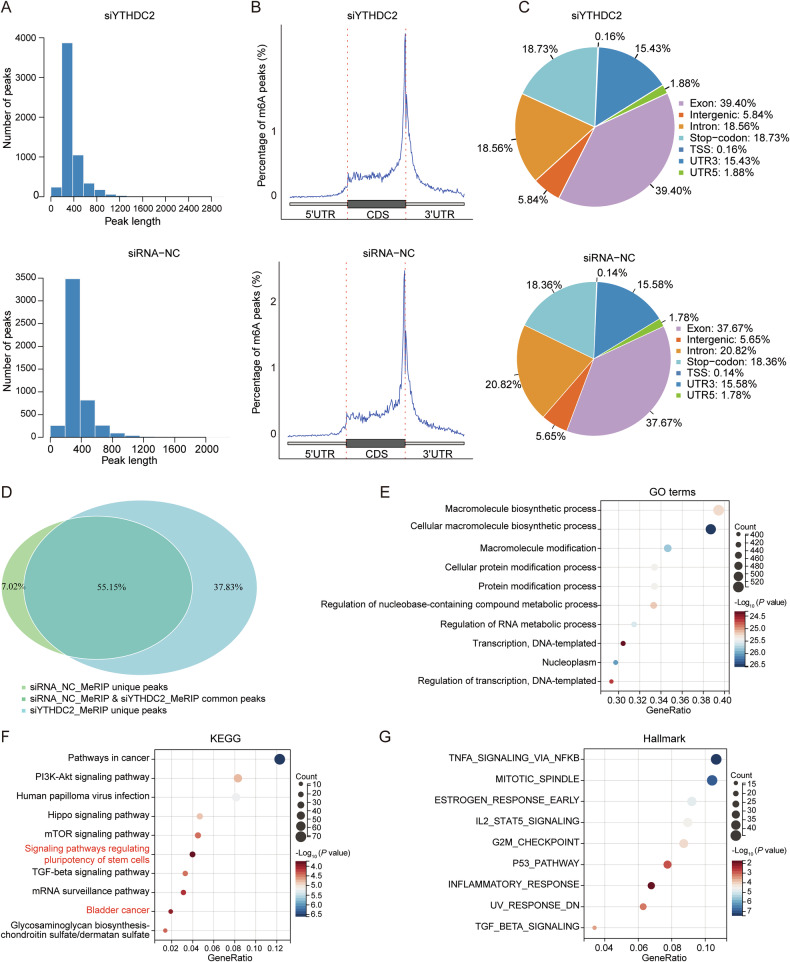 Figure 5
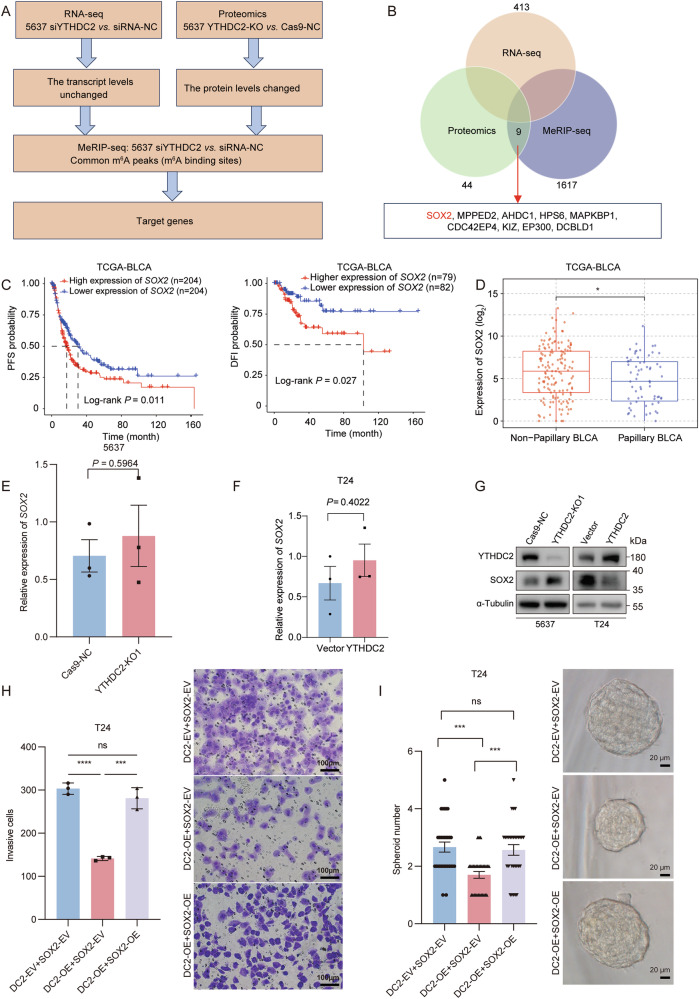 Figure 6
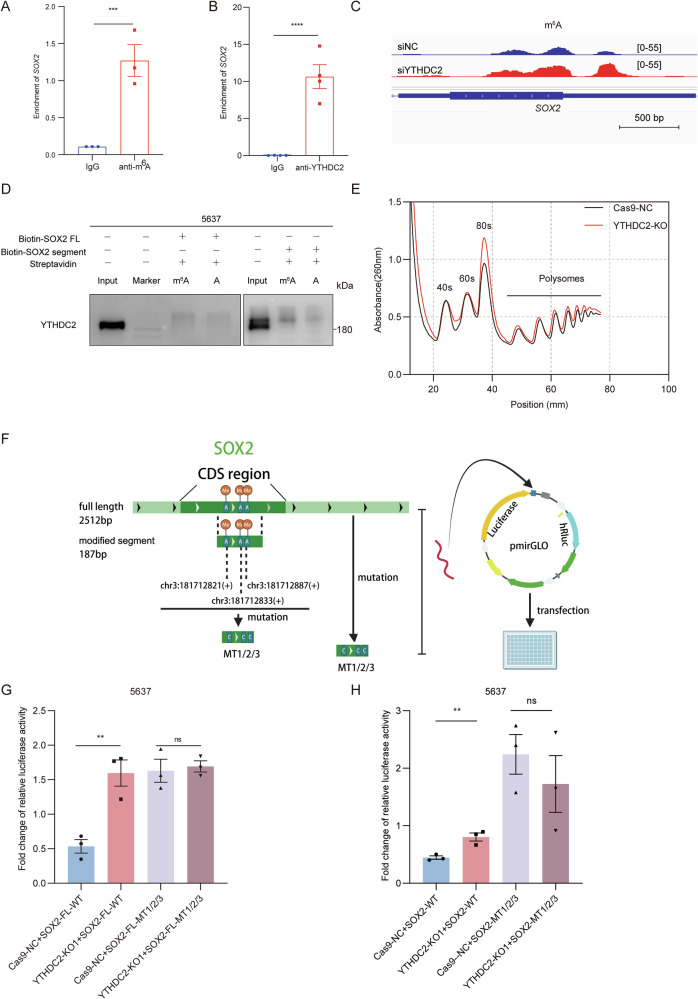 Figure 7
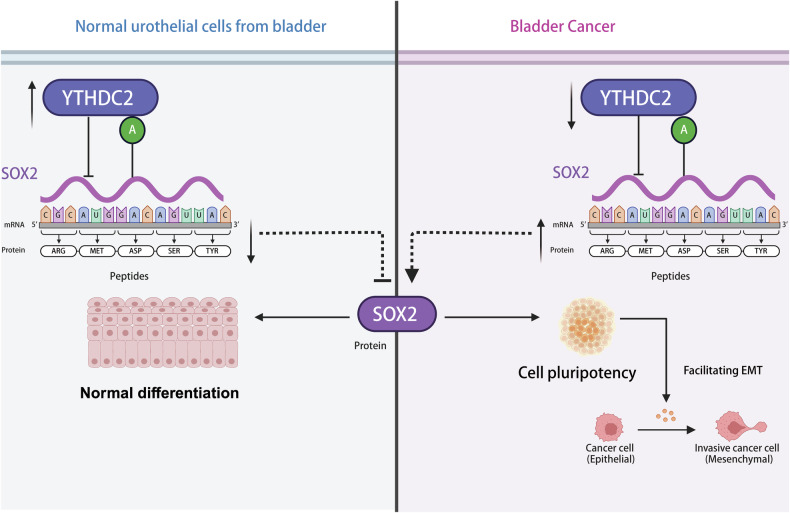 Figure 8
Peer Reviews
No public reviews on file for this paper yet. If you reviewed it on a platform where reviews are public (OpenReview, ICLR, NeurIPS, ICML), you can paste yours below so the community can read it here.
Videos
No videos yet. Explain this paper in a talk, walkthrough, or lecture? Add one.
Taxonomy
TopicsRNA modifications and cancer · Ferroptosis and cancer prognosis · Epigenetics and DNA Methylation