Melatonin suppresses cancer cell proliferation, DNA repair and expression of the oncogene TRIP13
Wenqing Liu, Ans M. M. van Pelt, Geert Hamer

TL;DR
Melatonin reduces cancer cell growth and DNA repair by lowering TRIP13 levels, suggesting a potential new treatment for lung cancer.
Contribution
The study reveals that melatonin suppresses TRIP13, DNA repair proteins, and cancer cell proliferation, offering a novel therapeutic strategy for NSCLC.
Findings
Melatonin downregulates TRIP13 in lung cancer cells, especially those with high TRIP13 expression.
Melatonin impairs DNA repair via homologous recombination and non-homologous end joining by inhibiting RAD51 and XRCC5.
Melatonin receptor 1B is crucial for TRIP13 downregulation, and melatonin reduces cell proliferation even in TRIP13-KO cells.
Abstract
Non-small cell lung cancer (NSCLC) continues to be a global health challenge, with limited treatment options and a high mortality rate. We recently found that lung cancer cells that express more genes that are typically restricted to the germline (germ cell cancer genes, GC genes) repair DNA double-strand breaks more rapidly, show higher rates of proliferation, and are more resistant to ionizing radiation, compared to cells that express fewer GC genes. Moreover, we found that the gene encoding TRIP13 (thyroid hormone receptor interactor 13) plays a significant role in this malignant phenotype. Here, we demonstrate that melatonin (MT), a hormone synthesized in the pineal gland, downregulates the expression of TRIP13, particularly in lung cancer cells with high expression of TRIP13. Moreover, this downregulation of TRIP13 by MT further inhibits the DNA repair proteins RAD51 and XRCC5,…
Genes, proteins, chemicals, diseases, species, mutations and cell lines named across the full text — each resolved to its canonical identifier and authoritative record.
Click any figure to enlarge with its caption.
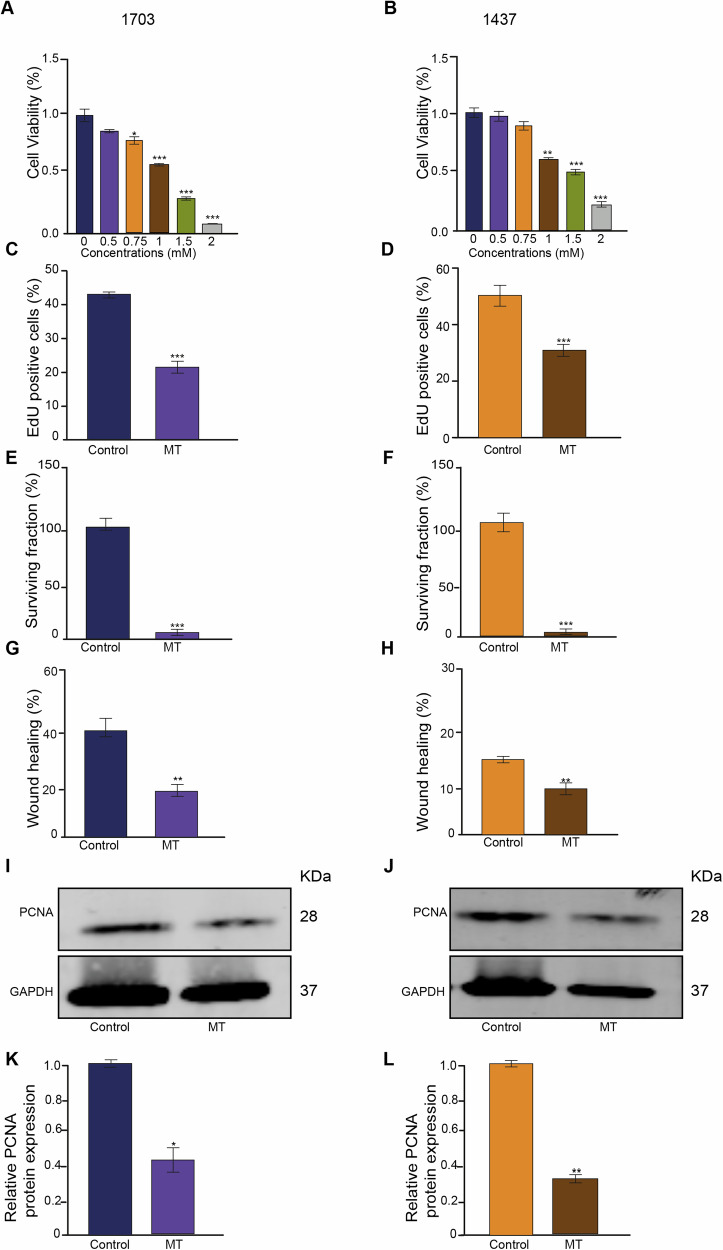 Figure 1
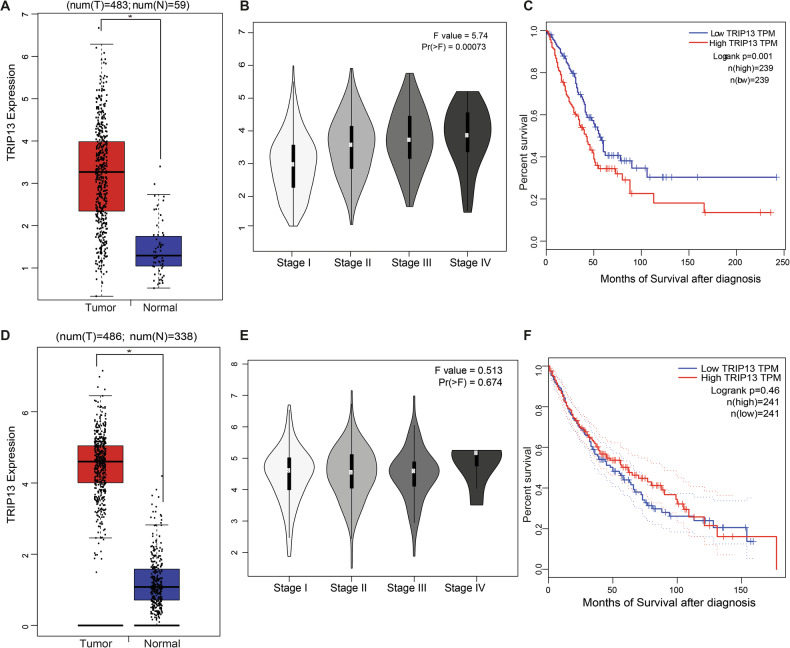 Figure 2
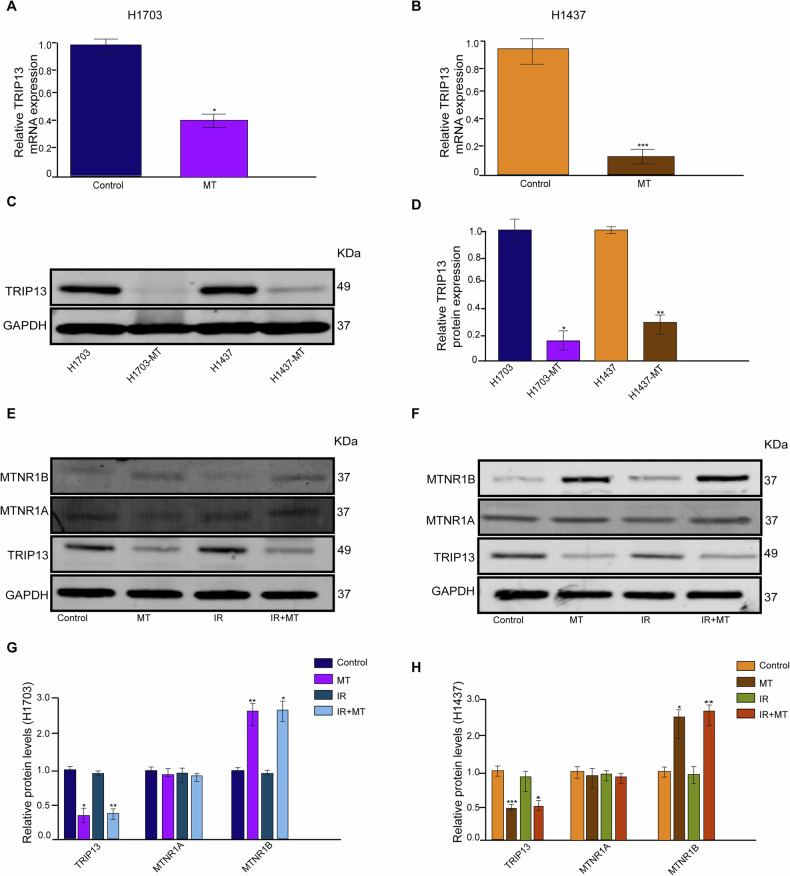 Figure 3
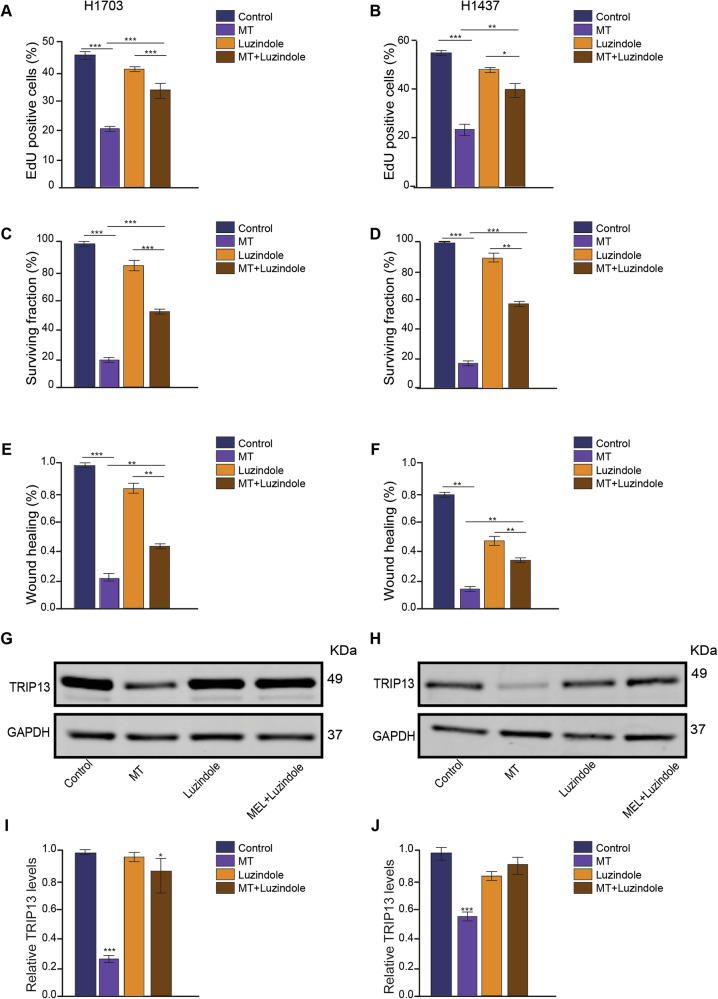 Figure 4
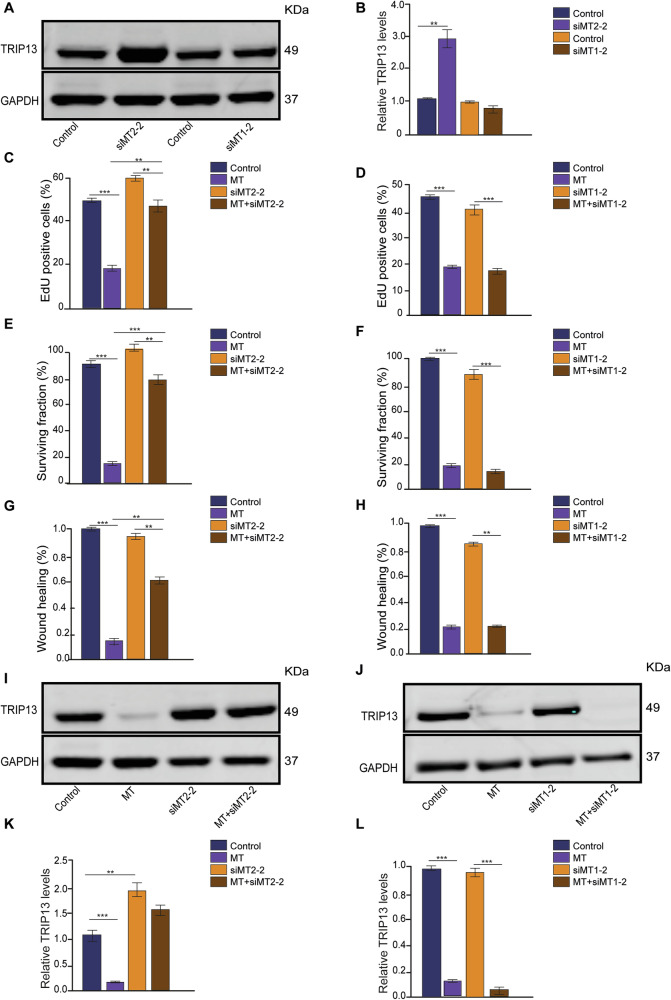 Figure 5
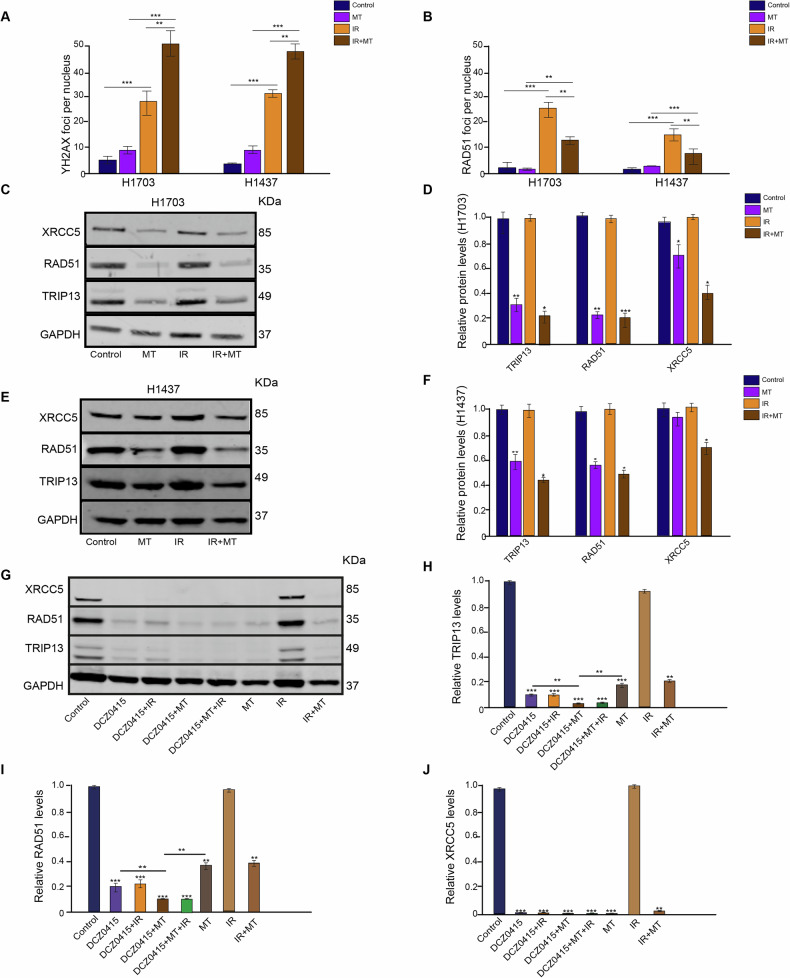 Figure 6
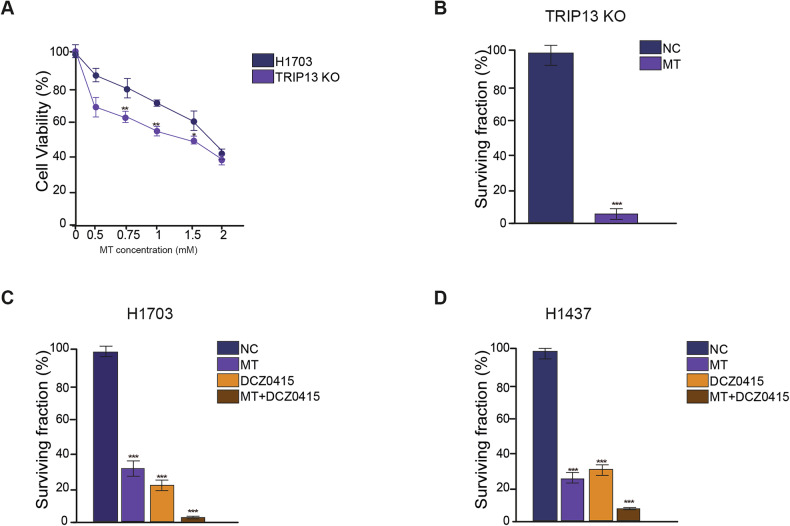 Figure 7
Peer Reviews
No public reviews on file for this paper yet. If you reviewed it on a platform where reviews are public (OpenReview, ICLR, NeurIPS, ICML), you can paste yours below so the community can read it here.
Videos
No videos yet. Explain this paper in a talk, walkthrough, or lecture? Add one.
Taxonomy
TopicsCircadian rhythm and melatonin · Genetics, Aging, and Longevity in Model Organisms · Epigenetics and DNA Methylation