Genome of an early Okhotsk individual reveals ancient admixture between Jomon and Kamchatka lineages
Takehiro Sato, Daisuke Kubo, Yu Hirasawa, Minoru Yoneda, Ryosuke Kimura, Atsushi Tajima, Hirofumi Kato

TL;DR
A genome from an early Okhotsk individual shows a mix of Jomon and Kamchatka ancestry, confirming a previously hypothesized ancient population in northern Japan.
Contribution
Provides direct genetic evidence for an ancient admixed population between Jomon and Kamchatka lineages in northern Japan.
Findings
Genome data of an early Okhotsk individual shows a mixture of Kamchatka and Jomon ancestries.
This confirms the existence of a previously hypothesized admixed population in northern Japan between 2000 and 1600 BP.
Abstract
The prehistoric Okhotsk culture was distributed along the southern coastal regions of the Sea of Okhotsk during the late first millennium AD. A previous study that performed whole-genome sequencing of a late Okhotsk individual suggested two migration waves from the Russian Far East to northern Japan. The first wave is estimated to have originated from the Kamchatka Peninsula around 2000 years before present (BP), and the second from the Amur Basin around 1600 BP. These findings suggest the past existence of an admixed hypothetical population between the Kamchatka and indigenous Jomon lineages in northern Japan between 2000 and 1600 BP, although direct genetic evidence has not yet been obtained. Here, we present the genome data of an early Okhotsk individual (NAT004) excavated from northern Japan. Admixture modelling reveals that the genome can be explained as a mixture of Kamchatka and…
Genes, proteins, chemicals, diseases, species, mutations and cell lines named across the full text — each resolved to its canonical identifier and authoritative record.
Click any figure to enlarge with its caption.
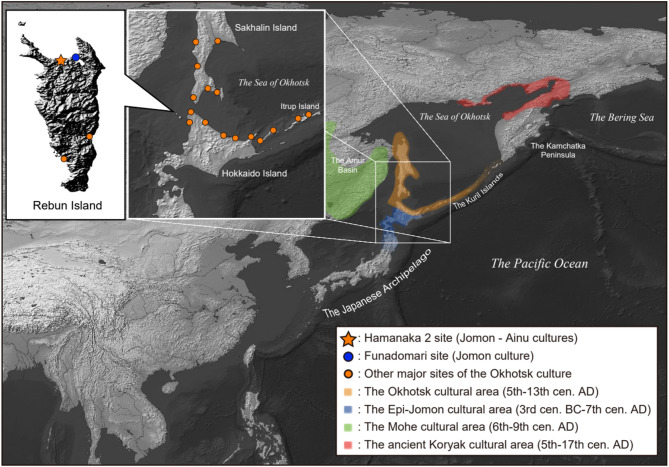 Figure 1
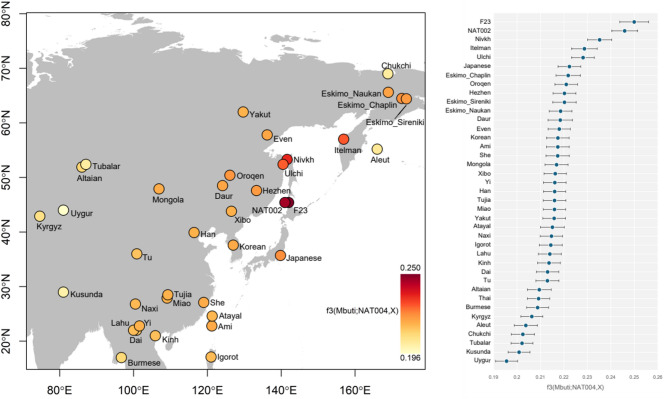 Figure 2
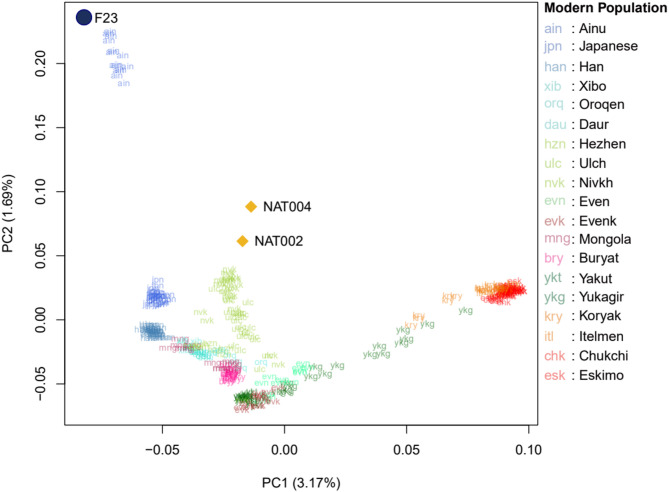 Figure 3
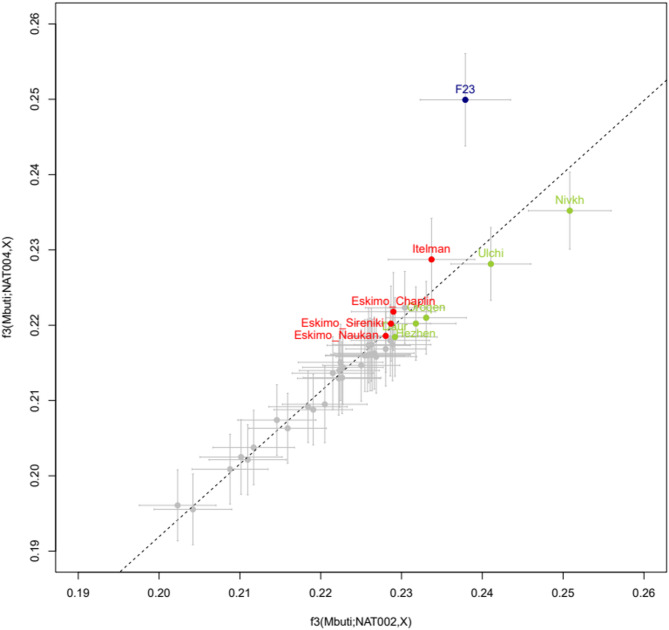 Figure 4
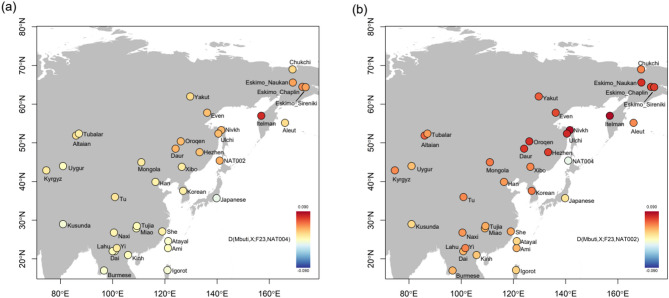 Figure 5
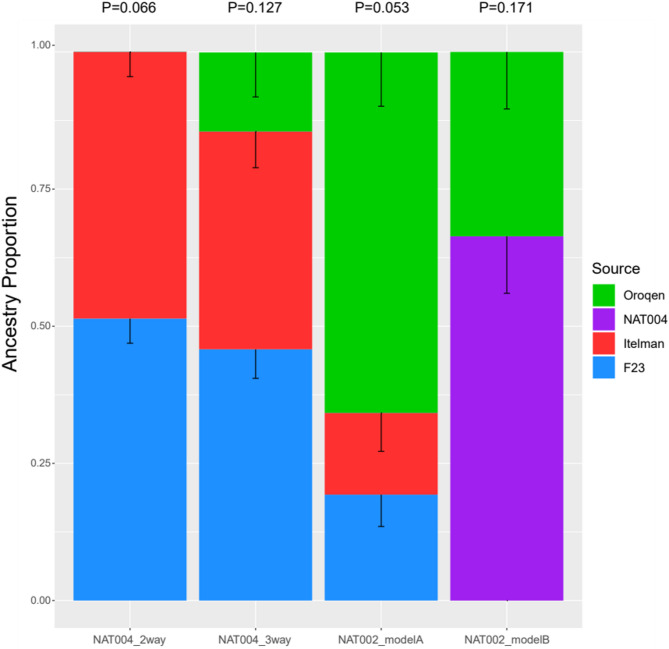 Figure 6
Peer Reviews
No public reviews on file for this paper yet. If you reviewed it on a platform where reviews are public (OpenReview, ICLR, NeurIPS, ICML), you can paste yours below so the community can read it here.
Videos
No videos yet. Explain this paper in a talk, walkthrough, or lecture? Add one.
Taxonomy
TopicsForensic and Genetic Research · Yersinia bacterium, plague, ectoparasites research · Forensic Anthropology and Bioarchaeology Studies