Deciphering splicing heterogeneity at single-cell resolution by SCSES
Xiao Wen, Xuan Lv, Dan Guo, Nan Han, Lei Zhou, Peizhuo Wang, Zhaoqi Liu

TL;DR
SCSES is a new tool that improves the analysis of alternative splicing in single-cell RNA sequencing data, revealing hidden splicing patterns and cell subgroups.
Contribution
SCSES introduces a novel computational framework for estimating splicing heterogeneity by sharing information across similar cells and events.
Findings
SCSES outperforms existing methods in recovering splicing changes and diversity in simulated data.
SCSES identifies splicing heterogeneity and cell subgroups with unique splicing patterns not detected by standard clustering.
The tool is versatile and applicable across different species and sequencing platforms.
Abstract
Alternative splicing (AS) plays a critical role in generating cellular transcriptomic heterogeneity. While single-cell RNA sequencing (scRNA-seq) has become a standard approach for exploring this heterogeneity, it remains challenging to accurately characterize splicing changes at the single-cell level due to high dropout rates, inevitable noise, and limited coverage. To address this, we developed SCSES (Single-Cell Splicing EStimation), a computational framework designed to enhance the AS profiles. SCSES infers and completes the missing splicing changes by sharing information across similar cells and events with data diffusion. Through systematic simulation studies, SCSES outperforms existing algorithms in recovering percent spliced-in (PSI) values and diversity across cell populations. When applied to various datasets, SCSES uncovers substantial splicing heterogeneity and cell…
Genes, proteins, chemicals, diseases, species, mutations and cell lines named across the full text — each resolved to its canonical identifier and authoritative record.
Click any figure to enlarge with its caption.
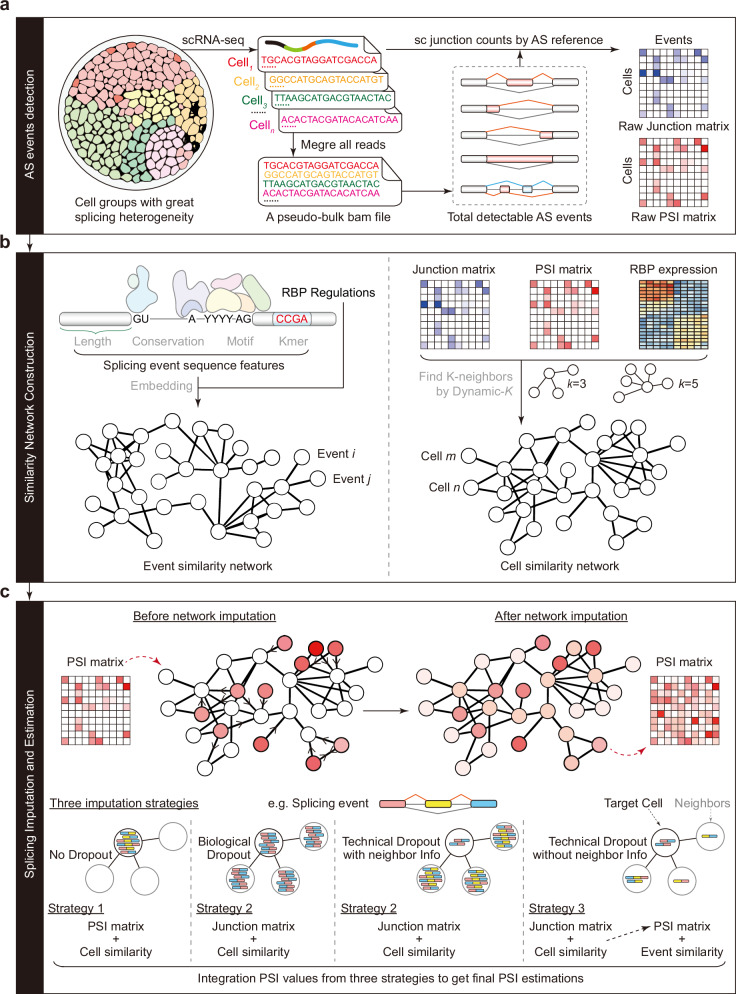 Figure 1
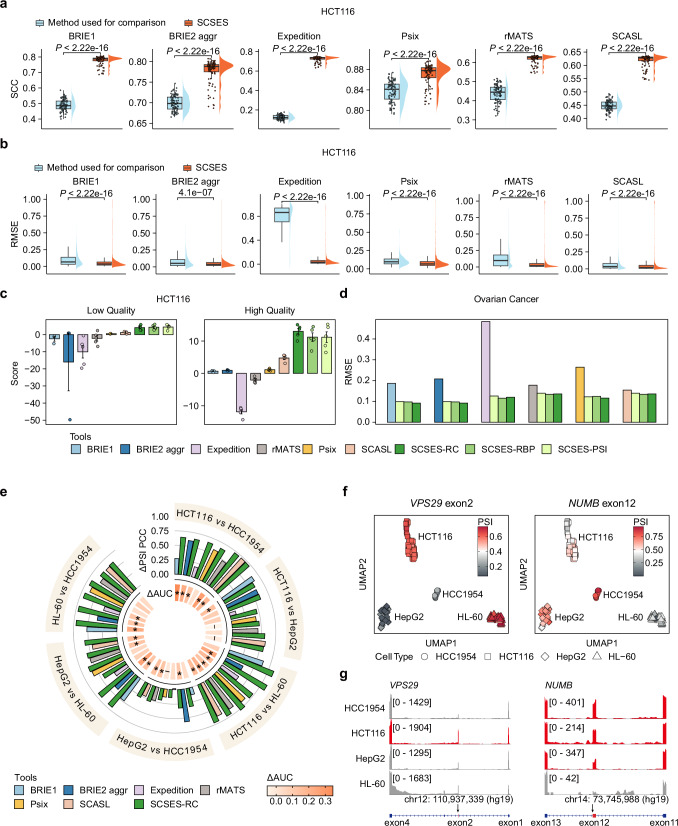 Figure 2
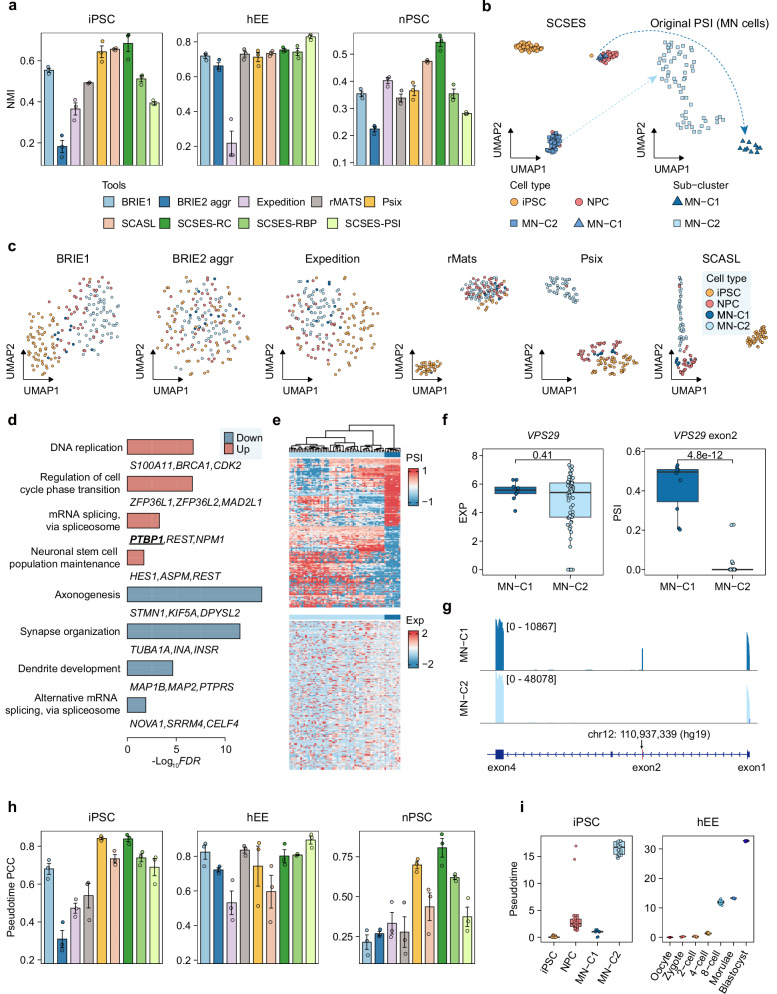 Figure 3
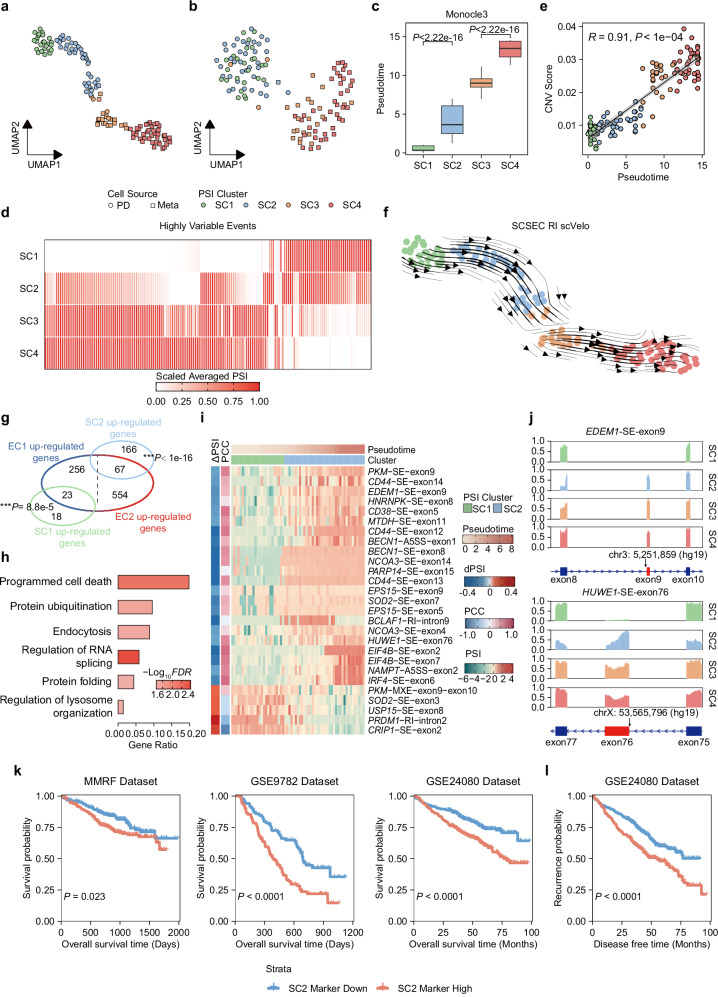 Figure 4
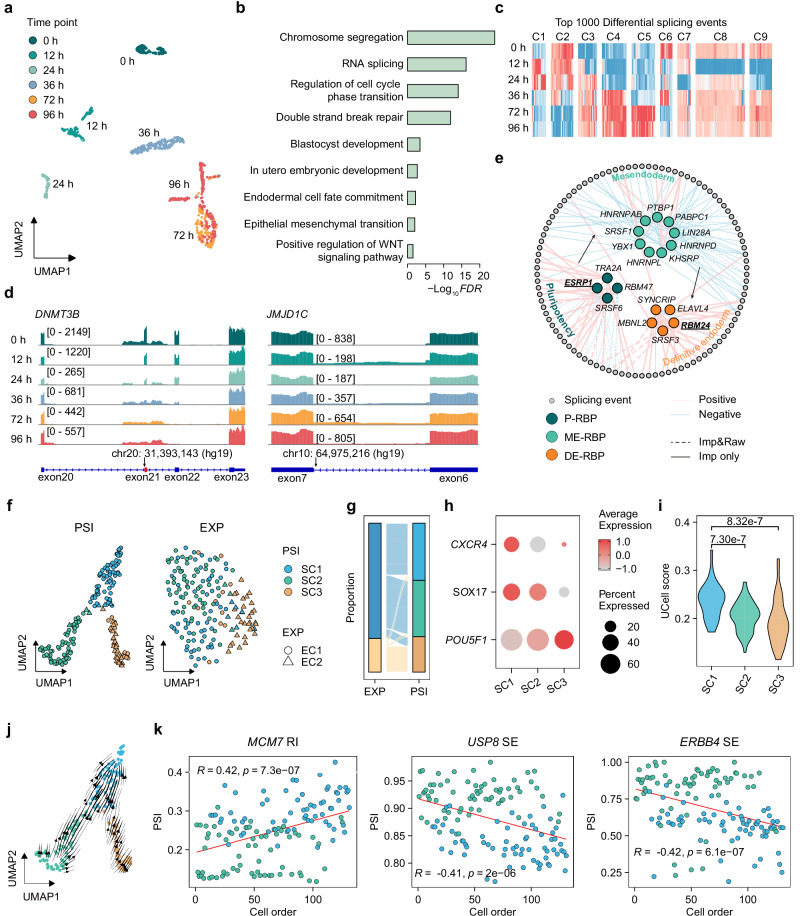 Figure 5
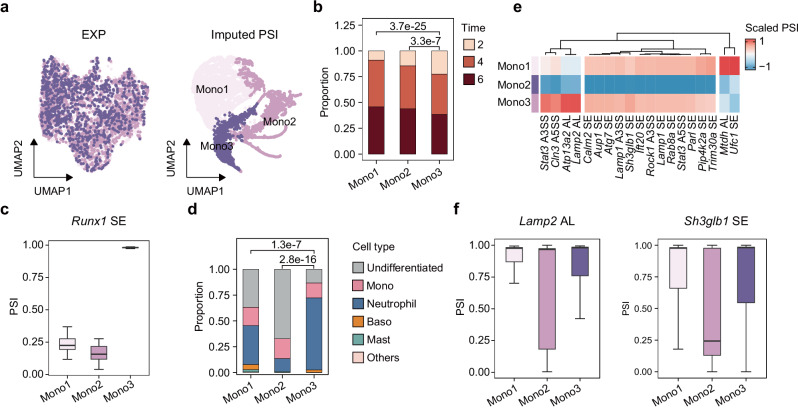 Figure 6
Peer Reviews
No public reviews on file for this paper yet. If you reviewed it on a platform where reviews are public (OpenReview, ICLR, NeurIPS, ICML), you can paste yours below so the community can read it here.
Videos
No videos yet. Explain this paper in a talk, walkthrough, or lecture? Add one.
Taxonomy
TopicsRNA Research and Splicing · Single-cell and spatial transcriptomics · RNA modifications and cancer