Bioinformatics approach for discovery of potential lead compound of NSP6 of SARS-CoV-2 using structure based virtual screening and molecular dynamics simulations
Mohammed M. Salama, Medhat W. Shafaa, Mohamed E. El-Nagdy, Mohamed E. Hasan

TL;DR
This study identifies potential drug candidates that could inhibit the SARS-CoV-2 NSP6 protein, which is important for virus replication and transcription.
Contribution
A novel bioinformatics approach combining virtual screening and molecular dynamics simulations to discover lead compounds for NSP6 inhibition.
Findings
Eight compounds were identified as potential lead compounds with strong docking scores and no cytotoxicity.
Molecular dynamics simulations confirmed stable interactions and structural stability of the top compounds with NSP6.
ZINC-141,457,420, ZINC-075486396, and ZINC-018529632 showed the highest potential for inhibiting NSP6.
Abstract
Non-Structural Protein 6 (NSP6) is a crucial protein for SARS-CoV-2 as it performs a vital role in the replication and transcription of the virus. NSP6 plays a role in the stress response of the endoplasmic reticulum through binding to the sigma receptor 1 (SR1). Therefore, NSP6 is an interesting target for fighting SARS-CoV-2. The best model of the tertiary structure of NSP6 was predicted using the AlphaFold server, then this model was refined using the DeepRefiner server to construct a good-quality model. The current study utilized the virtual screening of the ZINC20 database for the identification of possible inhibitors using the computational docking Autodock Vina program and the post-docking analysis of energy calculations and interactions followed by ADMET studies which were widely used in potential hit identification and lead optimization. From the final hits, our study revealed…
Genes, proteins, chemicals, diseases, species, mutations and cell lines named across the full text — each resolved to its canonical identifier and authoritative record.
Click any figure to enlarge with its caption.
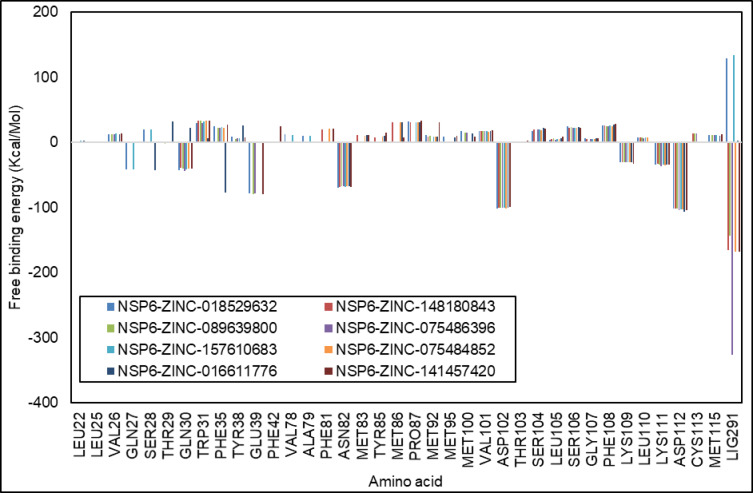 Figure 10
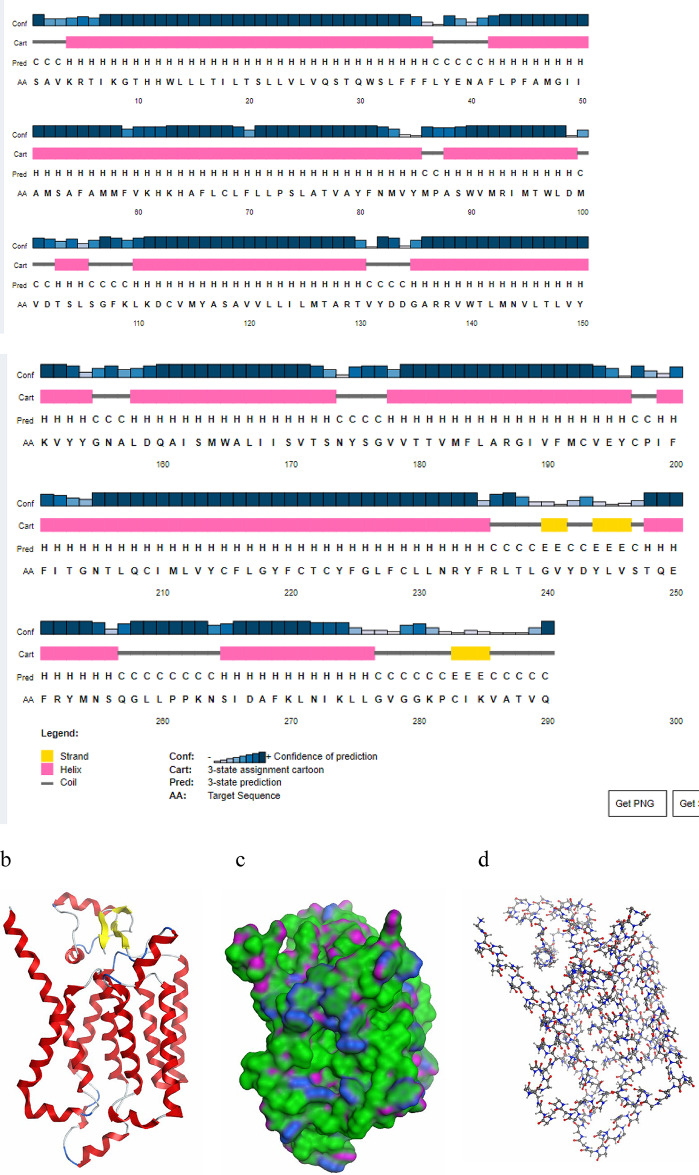 Figure 1
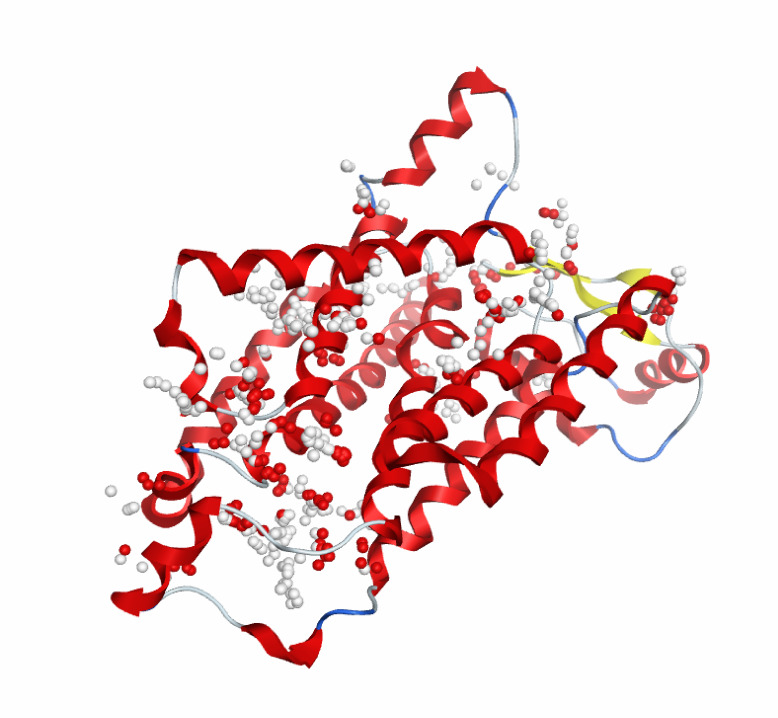 Figure 2
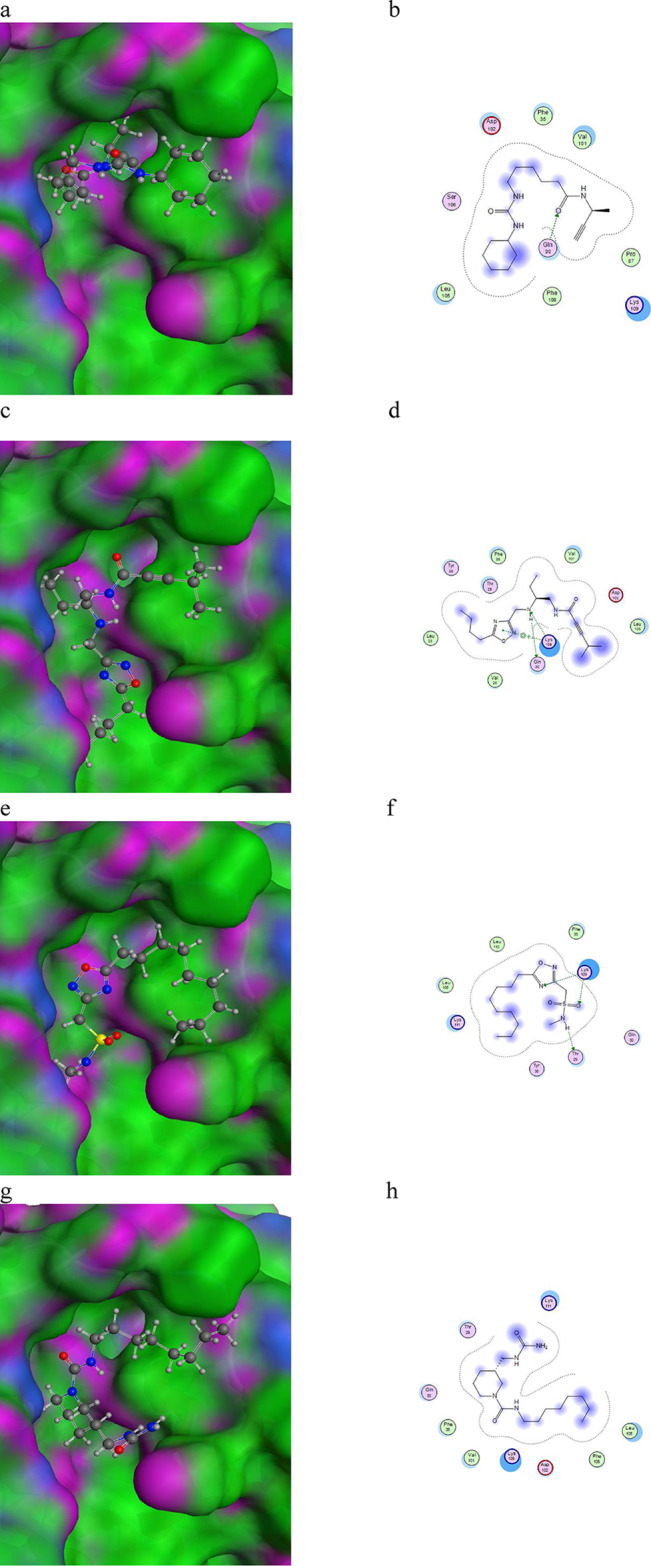 Figure 3
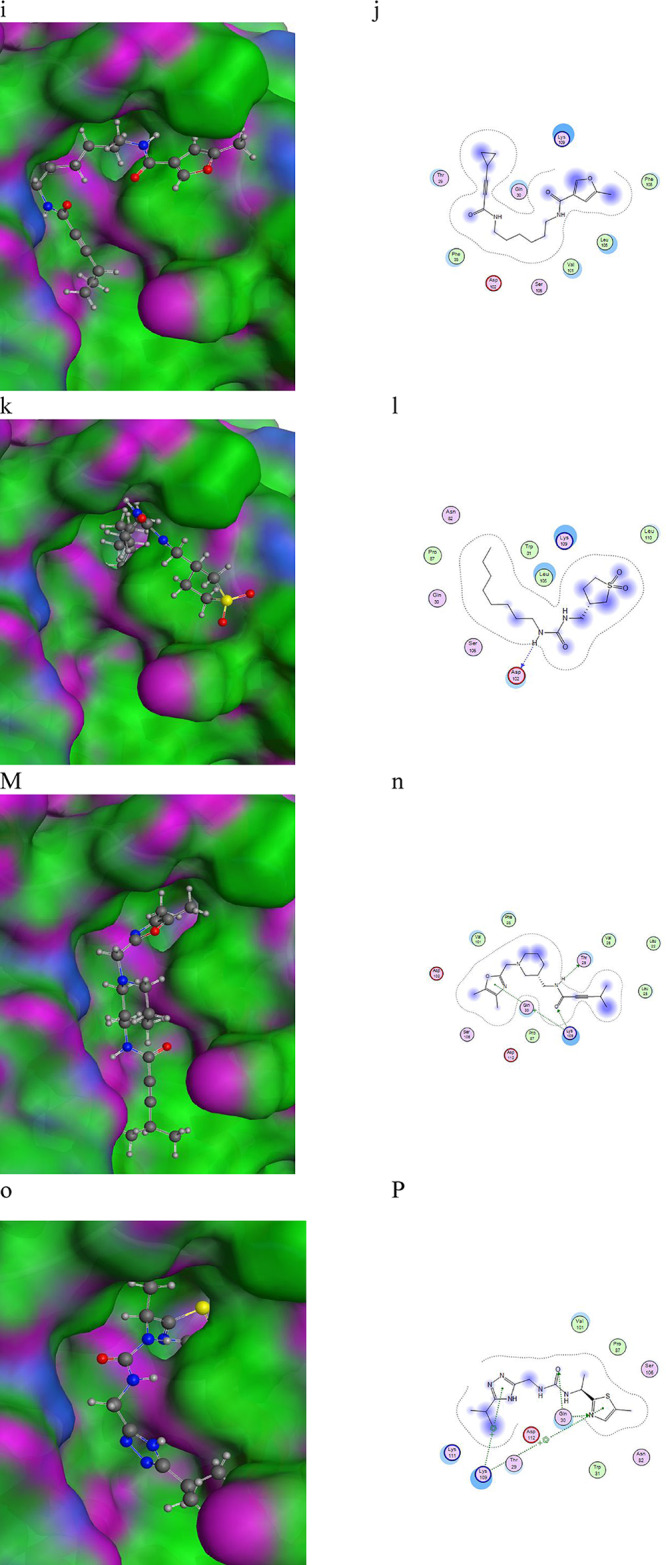 Figure 3
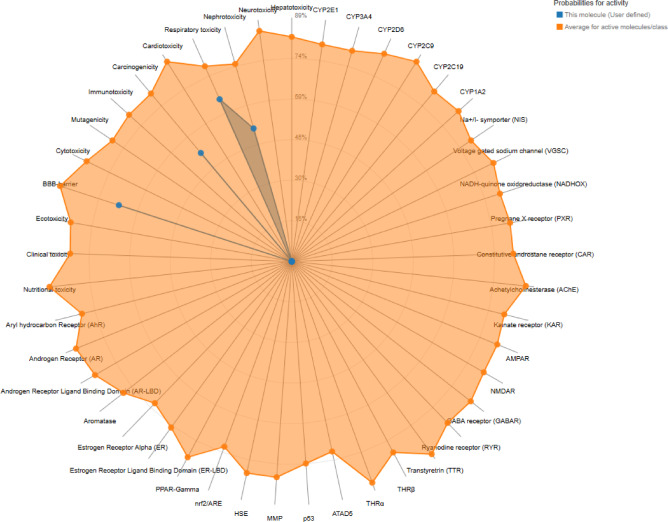 Figure 4
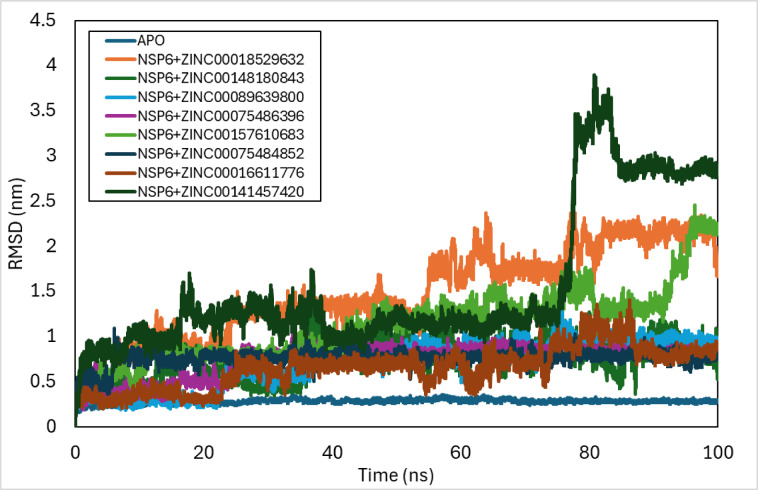 Figure 5
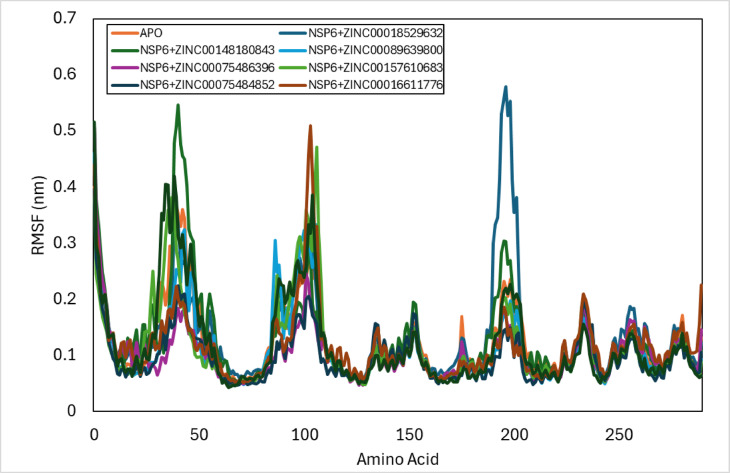 Figure 6
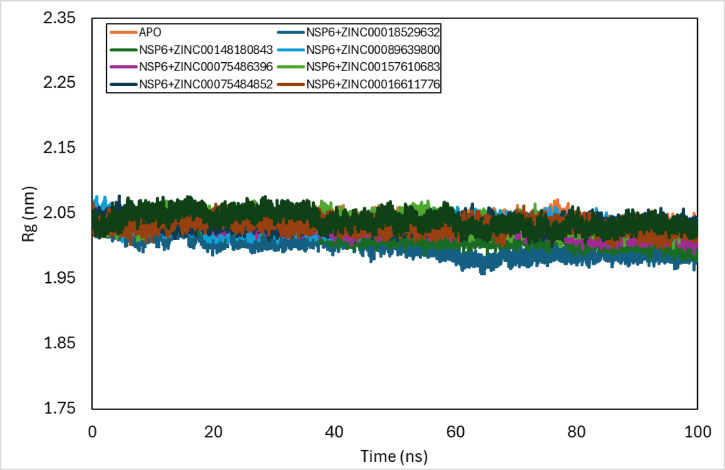 Figure 7
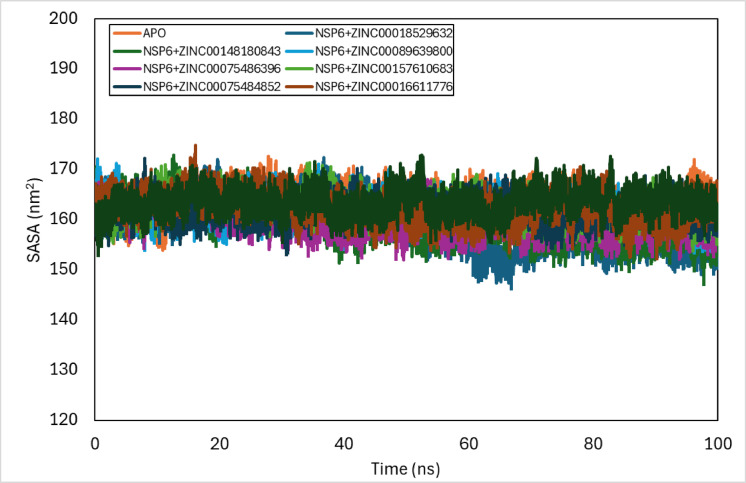 Figure 8
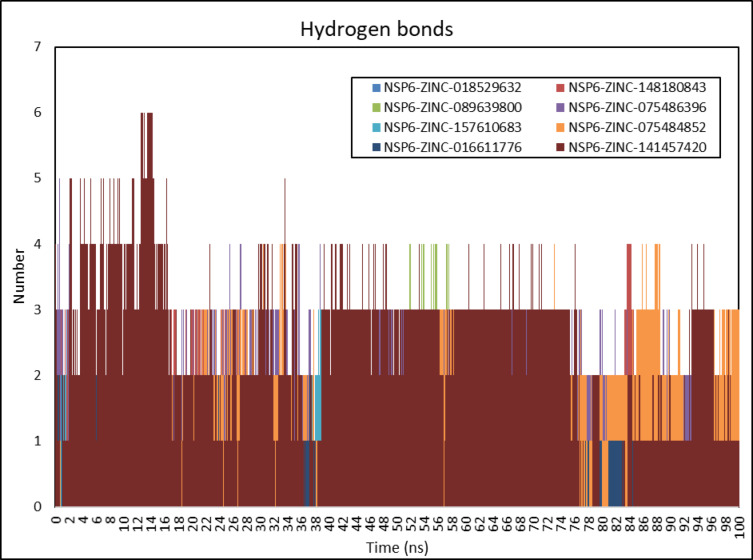 Figure 9
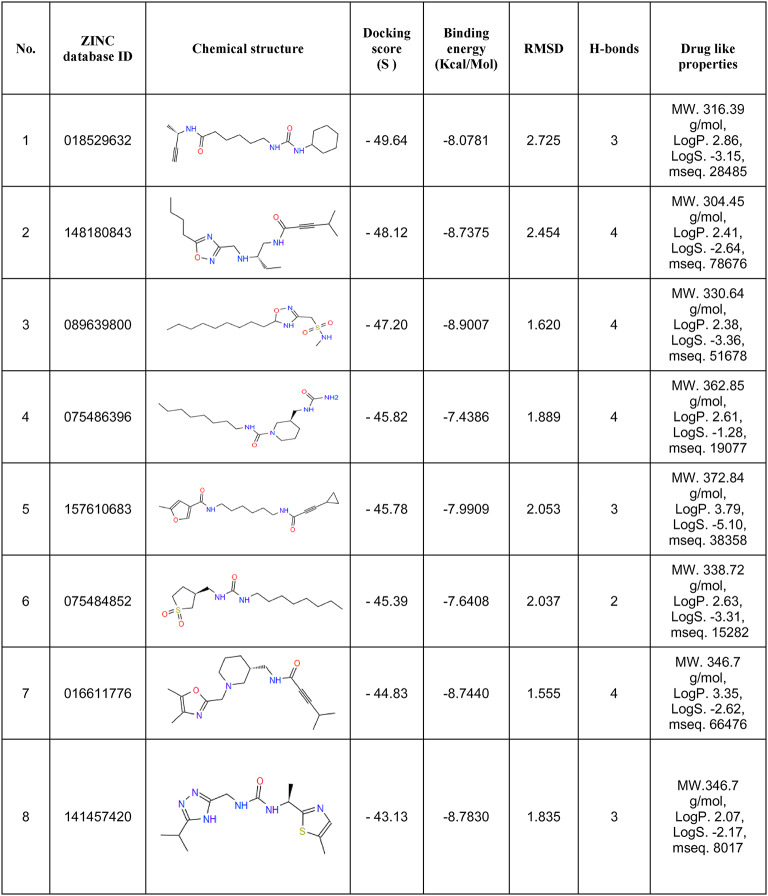 Figure 12
Peer Reviews
No public reviews on file for this paper yet. If you reviewed it on a platform where reviews are public (OpenReview, ICLR, NeurIPS, ICML), you can paste yours below so the community can read it here.
Videos
No videos yet. Explain this paper in a talk, walkthrough, or lecture? Add one.
Taxonomy
TopicsPharmacological Receptor Mechanisms and Effects · Computational Drug Discovery Methods · vaccines and immunoinformatics approaches