Technical aspects of SEEG limitations and solutions using the Leksell Vantage frame
Insa Prilop, Stephan B. Sobottka, Georg K. Leonhardt, Ilker Y. Eyüpoglu, Witold H. Polanski

TL;DR
This paper discusses technical challenges and solutions in SEEG electrode placement using the Leksell Vantage frame to improve precision and safety.
Contribution
The paper introduces systematic analysis of stereotactic frame limitations and solutions to prevent intraoperative replanning during SEEG implantation.
Findings
In 12 out of 19 SEEG implantations, intraoperative replanning was needed due to frame setup conflicts.
The Leksell Vantage frame reduced electrode implantation time by 4 minutes compared to the ZD Inomed frame.
Systematic analysis of frame setup can prevent replanning and improve patient safety.
Abstract
Stereo-electroencephalography (SEEG) is an invasive electroencephalography method to precisely locate a seizure onset zone (SOZ). While today´s armamentarium allows any compromise between the historically strict orthogonal and oblique trajectories, the following aspects limit its effectiveness and safety. The shorter the distance from entry to the brain and target the less deviation of the electrode. The closer to orthogonal to the scull the more stable the anchor sits in the scull and deviation can be better controlled. Beyond that, limitations due to the stereotactic frame must be considered. In certain cases, a conflict between frame setup and entry point of the trajectory can arise. This conflict spurred us to explore the limits of stereotactic frame and the associated equipment needed for SEEG. We utilize the Elekta Leksell Vantage frame (LVF) and surgical SEEG-instruments of the…
Genes, proteins, chemicals, diseases, species, mutations and cell lines named across the full text — each resolved to its canonical identifier and authoritative record.
Click any figure to enlarge with its caption.
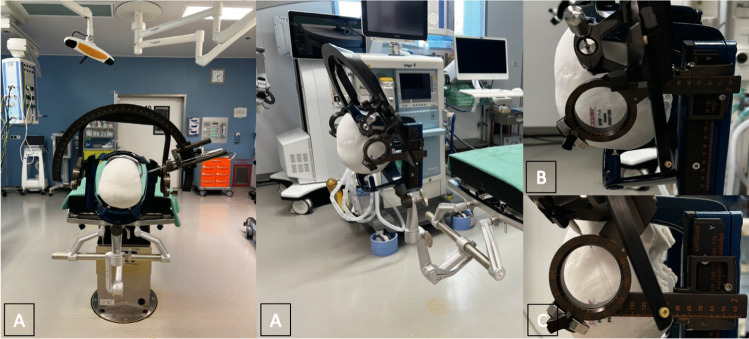 Figure 1
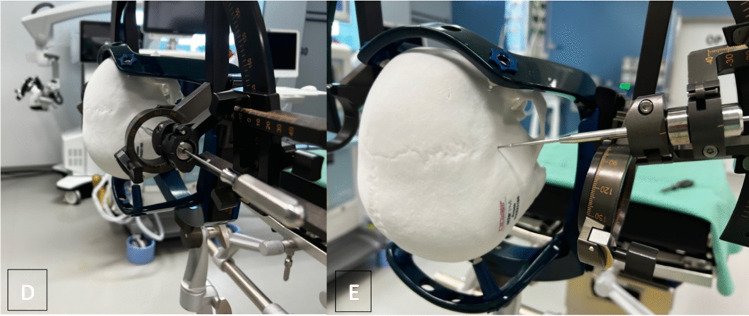 Figure 2
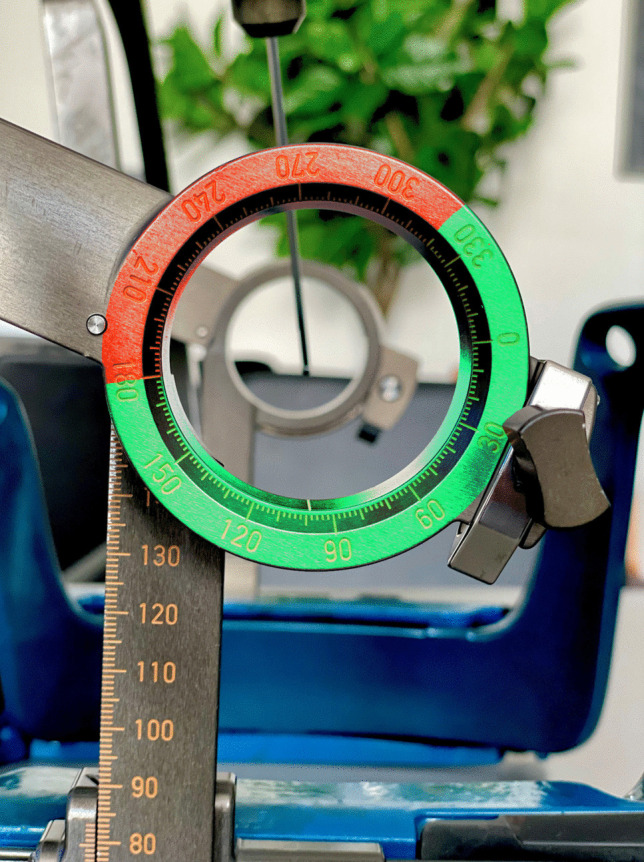 Figure 3
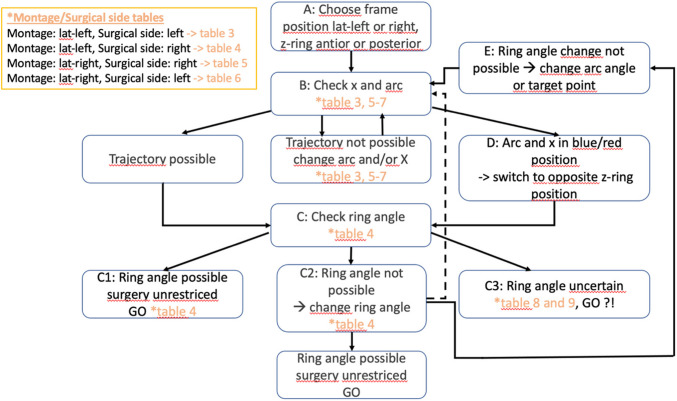 Figure 4
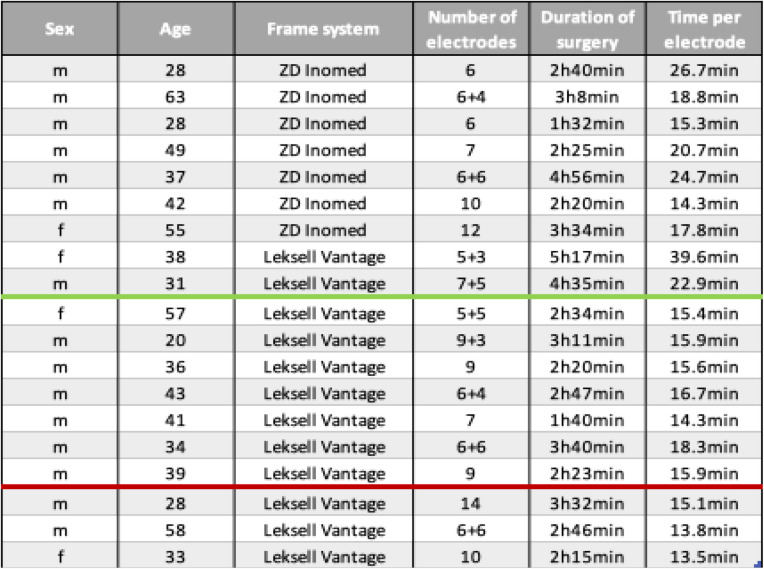 Figure 5
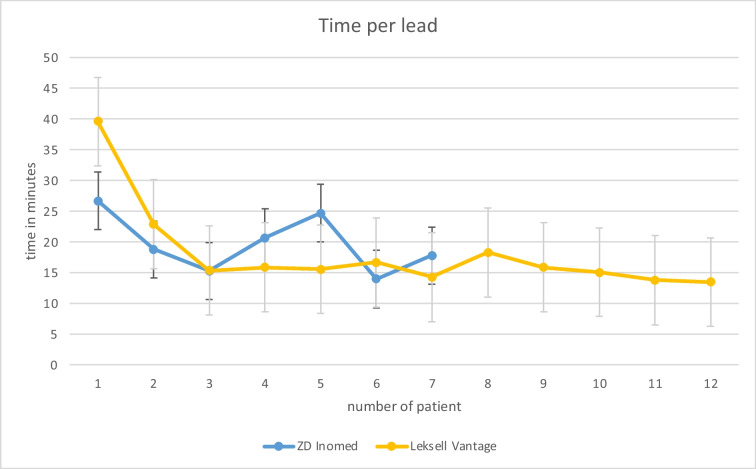 Figure 6
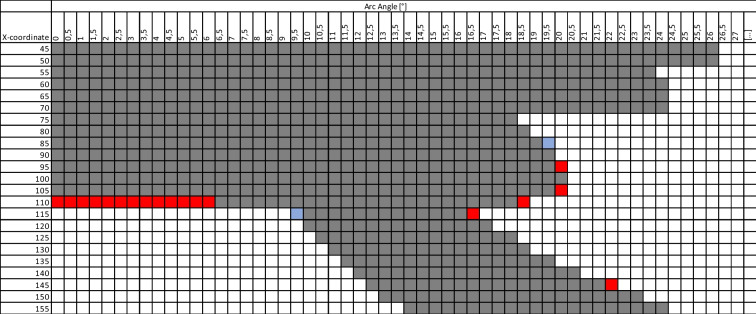 Figure 7
Peer Reviews
No public reviews on file for this paper yet. If you reviewed it on a platform where reviews are public (OpenReview, ICLR, NeurIPS, ICML), you can paste yours below so the community can read it here.
Videos
No videos yet. Explain this paper in a talk, walkthrough, or lecture? Add one.
Taxonomy
TopicsGenomics and Rare Diseases · Machine Learning in Healthcare