Predictive bite force modelling of head and neck oncology patients for clinical mandibular reconstruction applications
Jorn-Ids Heins, Barzi Gareb, Reinier ten Brink, Nathalie Vosselman, Gyorgy B. Halmos, Anastasiia O. Krushynska, Bram B. J. Merema, Joep Kraeima, Max J. H. Witjes

TL;DR
This study develops a predictive model for bite force in head and neck cancer patients to improve personalized reconstructive surgery planning.
Contribution
A novel predictive model for bite force using anatomical and physiological factors in oncology patients is developed and validated.
Findings
Key predictors of bite force include body weight, masseter muscle volume, bite region, and tooth mobility.
The model explains 77.7% of the variance in bite force measurements.
Tailoring reconstructive designs to individual bite forces can prevent stress shielding and improve outcomes.
Abstract
Since the introduction of individualized planning using 3D technology, the necessity for an individualized predictive bite force model has become increasingly critical for optimizing functional rehabilitation, and for tailoring surgical interventions to each head and neck oncology patient’s unique anatomical and biomechanical profile. Current predictive models often lack comprehensive predictors and robust statistical methodologies, limiting their clinical applicability. To overcome these challenges, a predictive model of head and neck oncology patients’ maximum voluntary bite force was developed by analyzing key anatomical and physiological factors. Data were collected from 41 head and neck cancer patients, with 109 bite force observations analyzed using a linear mixed-effects model. The identified key predictors include body weight, superficial masseter muscle volume, bite force…
Genes, proteins, chemicals, diseases, species, mutations and cell lines named across the full text — each resolved to its canonical identifier and authoritative record.
Click any figure to enlarge with its caption.
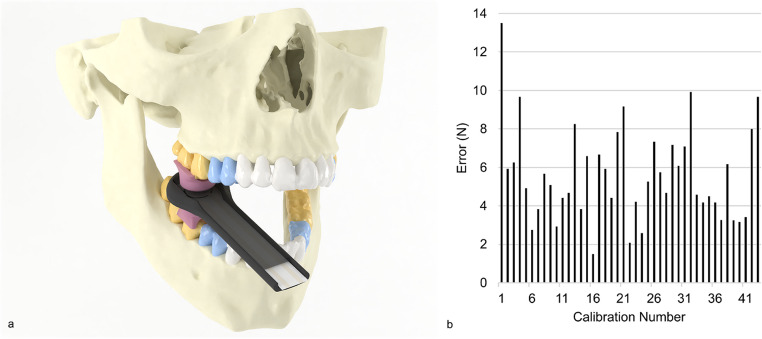 Figure 1
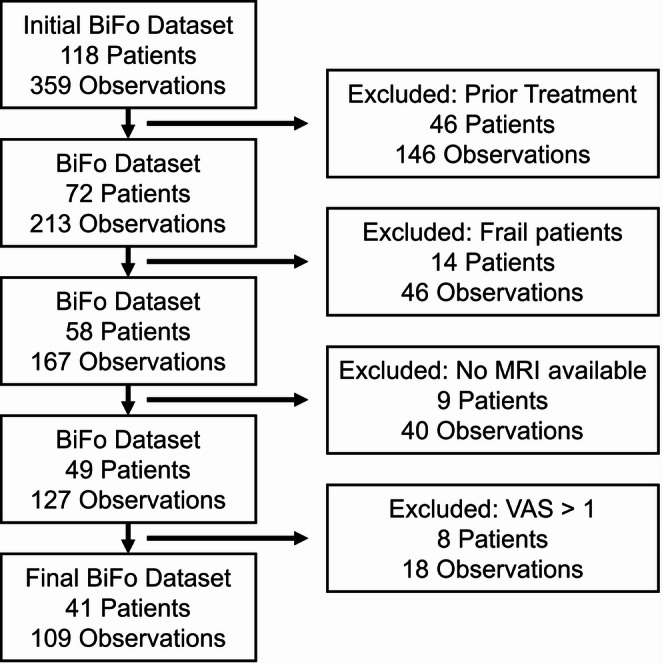 Figure 2
Peer Reviews
No public reviews on file for this paper yet. If you reviewed it on a platform where reviews are public (OpenReview, ICLR, NeurIPS, ICML), you can paste yours below so the community can read it here.
Videos
No videos yet. Explain this paper in a talk, walkthrough, or lecture? Add one.
Taxonomy
TopicsReconstructive Surgery and Microvascular Techniques · Facial Nerve Paralysis Treatment and Research · Facial Trauma and Fracture Management