Identifying a type of toxic effectors exported by the type VII secretion system to enhance competitive fitness in Streptococcus suis
Qiankun Bai, Jianan Liu, Jie Zhao, Xinming Pan, Yue Zhang, Zongfu Wu, Jiale Ma

TL;DR
This study identifies a new type of toxic effector in Streptococcus suis that helps the bacteria outcompete others in the host environment.
Contribution
The discovery of MSE-ExTs, a novel class of T7SS effectors, expands our understanding of bacterial competition mechanisms.
Findings
MSE-ExTs are exported by T7SS and function in interbacterial antagonism.
Truncated essC does not hinder MSE-ExT1 delivery, but full-length EssC1 is essential for its lethality.
MapC2 interacts with EssC to activate T7SS and facilitate effector secretion.
Abstract
Streptococcus suis poses a significant threat to both pig farming and public health, causing severe disease such as septicemia and meningitis. The type VII secretion system (T7SS) delivers toxic effectors to play a crucial role in interbacterial competition and is vital for the zoonotic pathogen S. suis to colonize host tonsils effectively. Here, we identified a type of hypothetical T7SS effector in S. suis, which appears to be fragmented toxins lacking the N-terminal YeeF domain, redesignated as MSE-ExTs. MSE (marker for searching effectors) is a conserved sequence at the N-termini of modular effectors showing a diverse range of toxicities targeting NAD +. Cognate WXG100-like and full-length EssC proteins contribute to activate the T7SS secretion. While most MSE-ExTs (MSE-fusing exported toxins) are encoded downstream of a truncated essC and lack cognate WXG100-like genes, they are…
Genes, proteins, chemicals, diseases, species, mutations and cell lines named across the full text — each resolved to its canonical identifier and authoritative record.
Click any figure to enlarge with its caption.
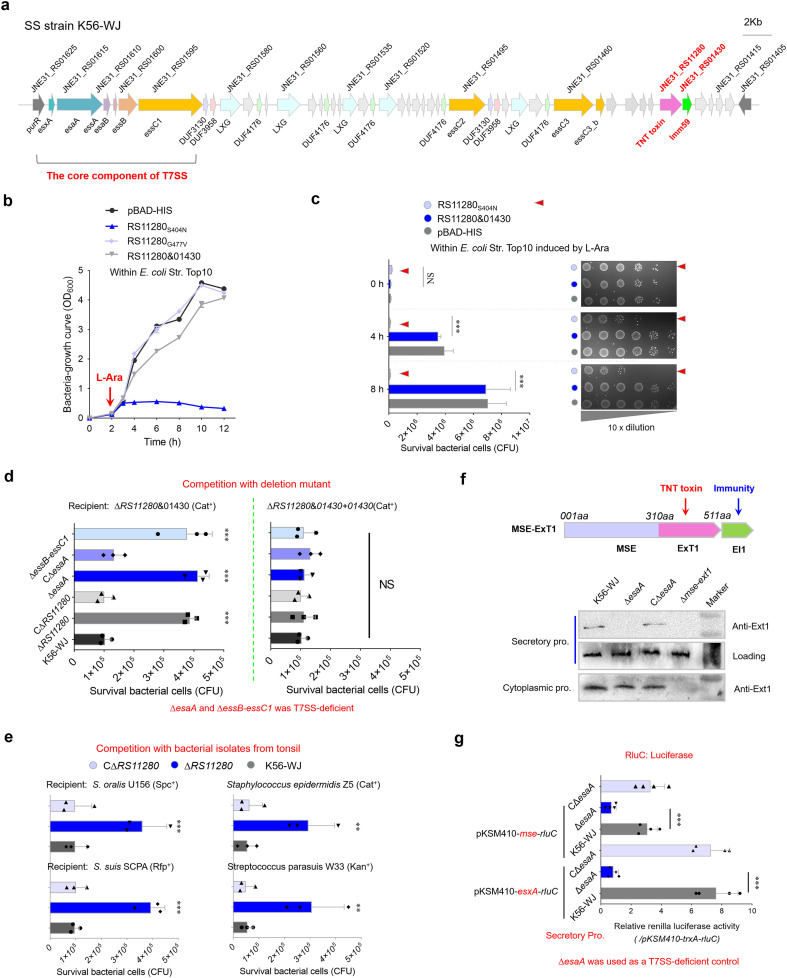 Figure 1
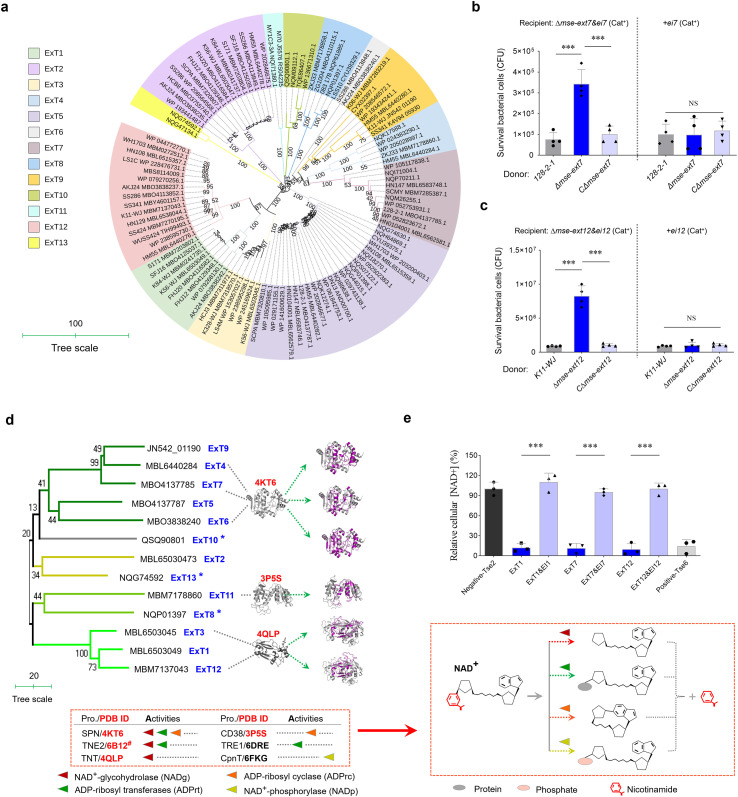 Figure 2
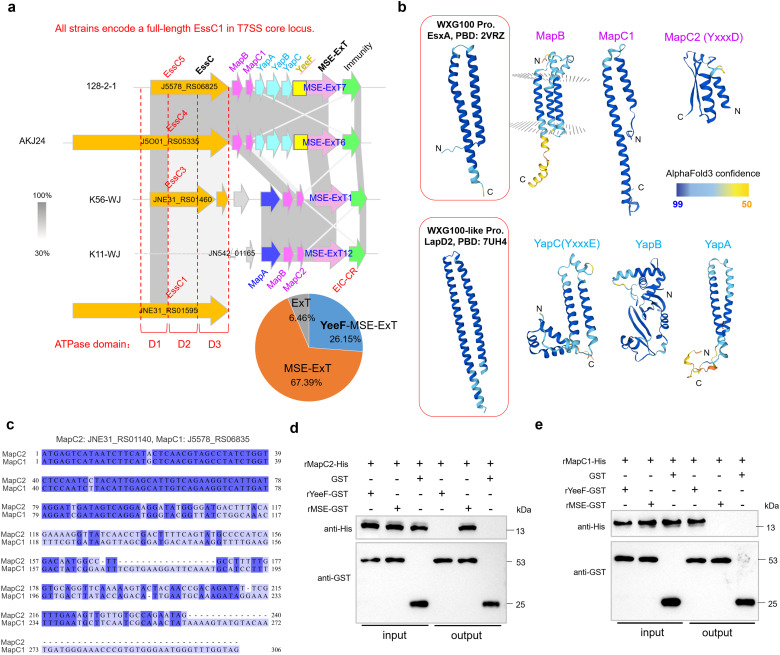 Figure 3
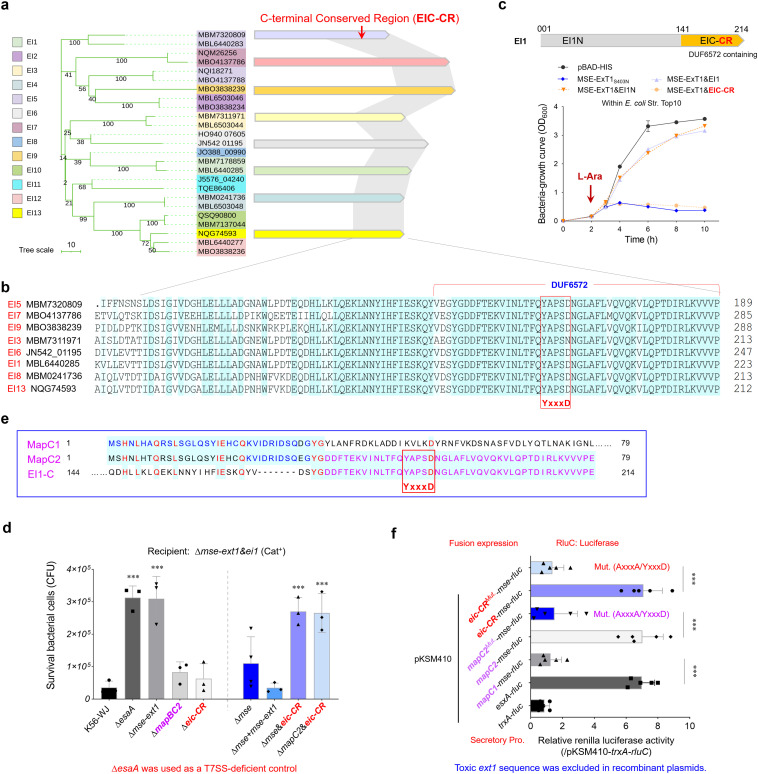 Figure 4
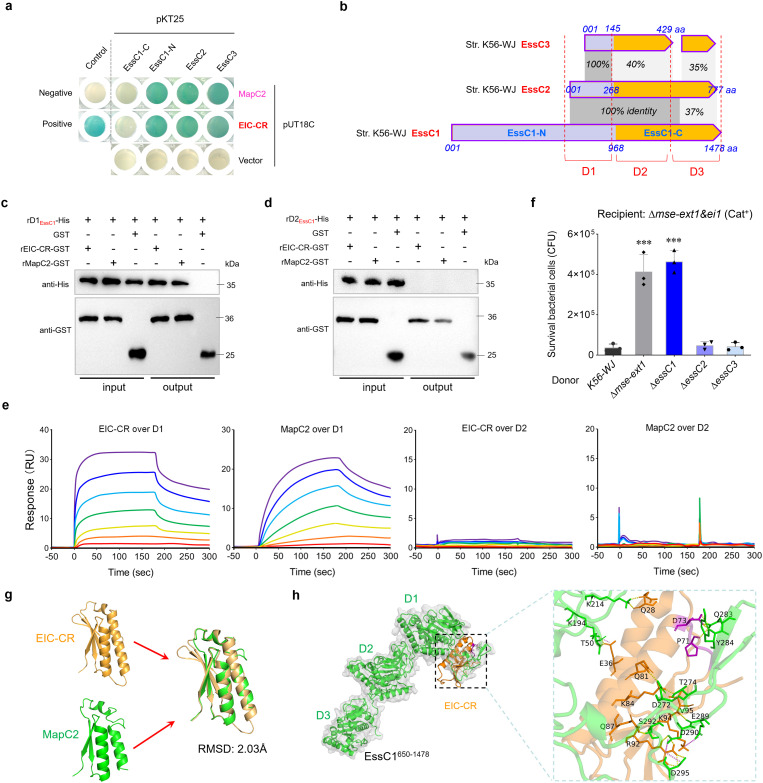 Figure 5
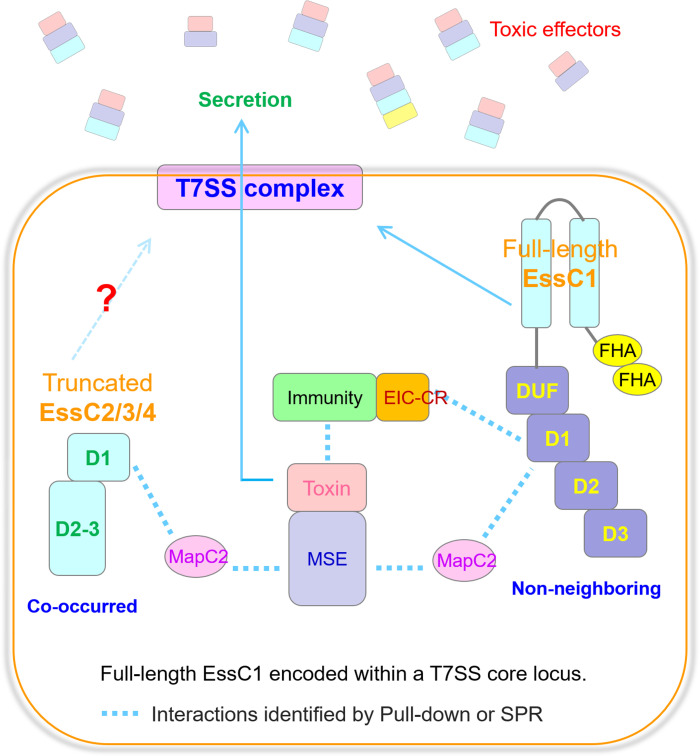 Figure 6
Peer Reviews
No public reviews on file for this paper yet. If you reviewed it on a platform where reviews are public (OpenReview, ICLR, NeurIPS, ICML), you can paste yours below so the community can read it here.
Videos
No videos yet. Explain this paper in a talk, walkthrough, or lecture? Add one.
Taxonomy
TopicsStreptococcal Infections and Treatments · Toxin Mechanisms and Immunotoxins · Plant Pathogenic Bacteria Studies