Archaea express circular isoforms of IS200/IS605-associated ωRNAs
Beatriz A. Picinato, Vinícius H. Franceschini-Santos, Lívia S. Zaramela, Ricardo Z. N. Vêncio, Tie Koide

TL;DR
This study shows that archaea produce circular RNAs, including new types linked to mobile genetic elements, and suggests these RNAs are more common and conserved than previously thought.
Contribution
The study introduces a new computational pipeline for archaeal circRNA detection and reveals conserved and conditionally expressed circular ωRNAs in archaea.
Findings
Halobacterium salinarum has 49 high-confidence circRNAs, some validated by RT-PCR.
Circular ωRNAs show growth-dependent expression, differing from total ωRNA levels.
CircRNAs associated with rRNA and tRNA are widespread across major archaeal groups.
Abstract
Circular RNAs (circRNAs) are RNA molecules with 5′ and 3′ ends covalently ligated. Their functions range from acting as genetic regulators to producing proteins, and they are often expressed in a tissue and condition-specific manner. Next-generation sequencing with prior RNA treatment with the RNase R exonuclease (circRNA-Seq) has been used to identify circRNAs in many organisms, especially in model eukaryotes. However, we know little about circRNAs in prokaryotes: they have not been consistently reported in bacteria and, to date, only a few circRNA-Seq studies have been done in archaea. We have developed a prokaryotic-specific computational pipeline, MonArch, that explores RNA-Seq reads for circRNA signatures. We annotated circRNAs in newly generated Halobacterium salinarum circRNA-Seq data and reanalyzed over 20 archaeal public RNA-Seq datasets with this tool. H. salinarum has 49…
Genes, proteins, chemicals, diseases, species, mutations and cell lines named across the full text — each resolved to its canonical identifier and authoritative record.
Click any figure to enlarge with its caption.
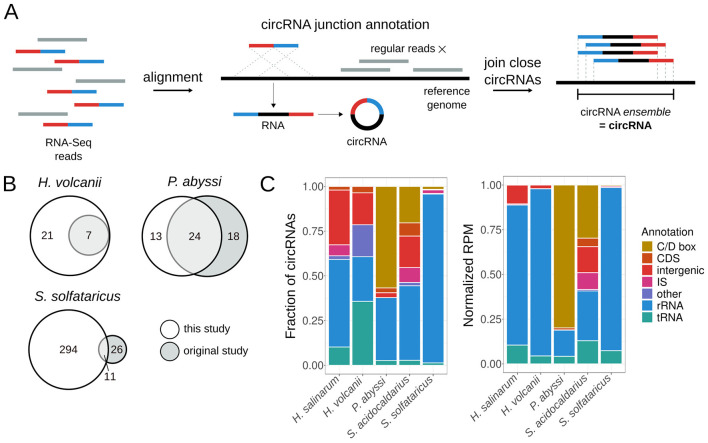 Figure 1
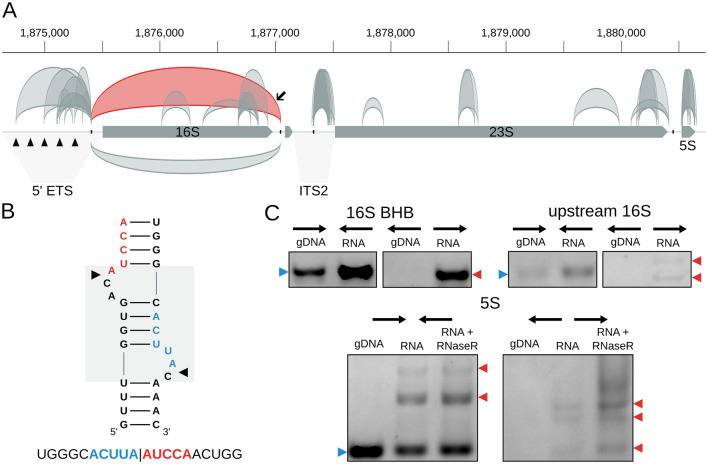 Figure 2
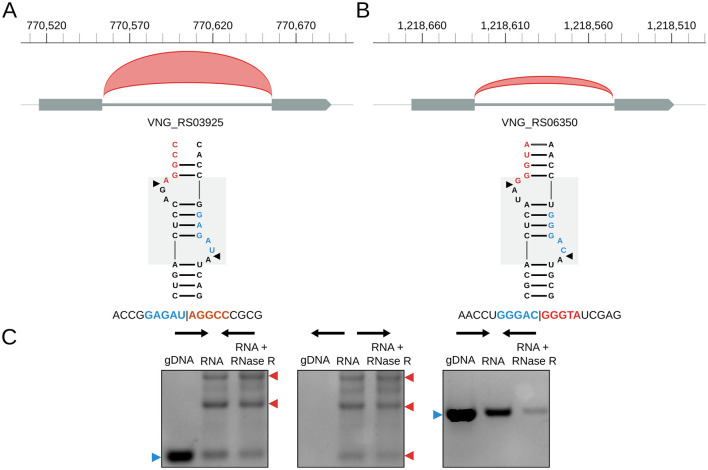 Figure 3
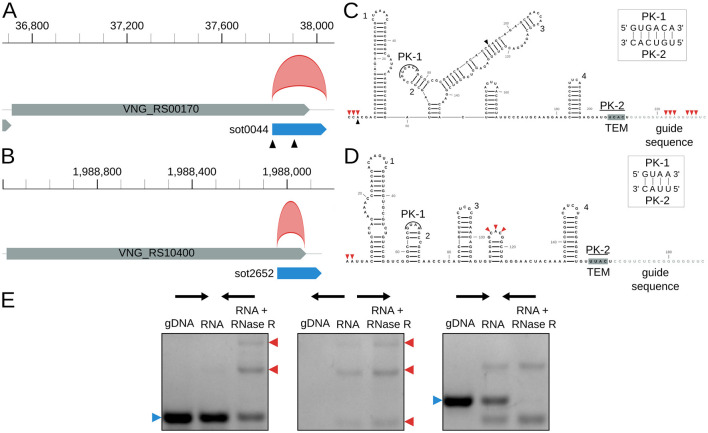 Figure 4
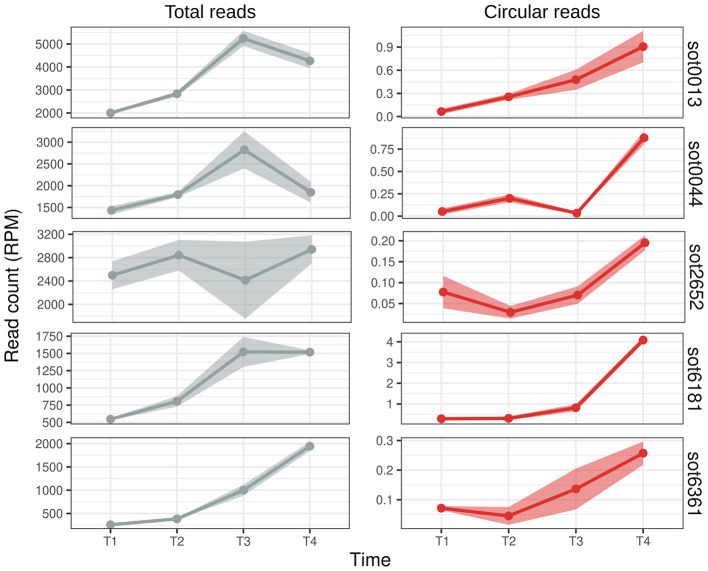 Figure 5
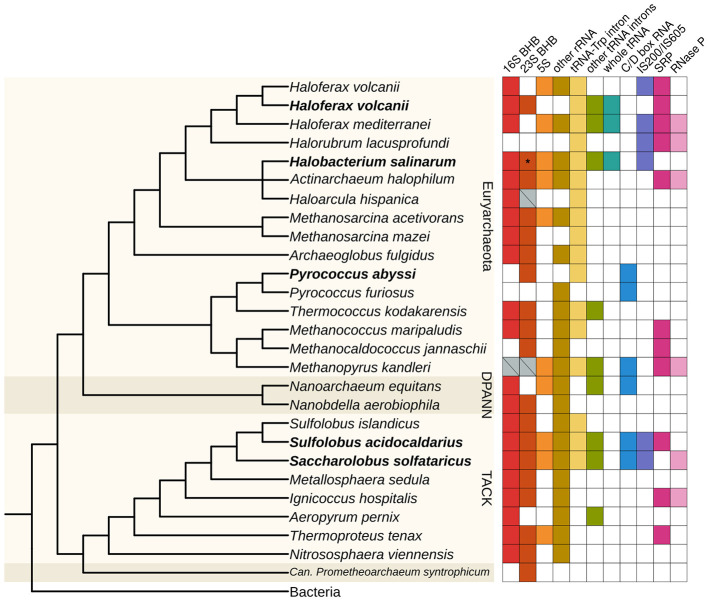 Figure 6
Peer Reviews
No public reviews on file for this paper yet. If you reviewed it on a platform where reviews are public (OpenReview, ICLR, NeurIPS, ICML), you can paste yours below so the community can read it here.
Videos
No videos yet. Explain this paper in a talk, walkthrough, or lecture? Add one.
Taxonomy
TopicsRNA modifications and cancer · MicroRNA in disease regulation · RNA and protein synthesis mechanisms