Using ecological niche modelling to identify the high-quality ecological areas of Houttuynia cordata Thunb. based on secondary metabolites content
Xiaoting Zhang, Jingyi Zhou, Huizhong Xu, Cheng Peng, Fanyun Meng

TL;DR
This study uses ecological modeling to find the best areas for growing Houttuynia cordata, a plant important for antiviral treatments, based on its secondary metabolite content.
Contribution
The study introduces a novel integration of ecological niche modeling and spatial quality assessment to guide optimal cultivation of Houttuynia cordata.
Findings
High-quality ecological zones for Houttuynia cordata are concentrated in regions like the Yunnan-Guizhou Plateau and Sichuan Basin.
Annual precipitation and human activities are key drivers of ecological suitability for Houttuynia cordata.
The spatial distribution of three secondary metabolites shows marked heterogeneity with no overlapping high-content regions.
Abstract
Houttuynia cordata Thunb. (H. cordata), as a key ingredient in Lianhua Qingwen capsules, plays a critical role in enhancing the antiviral and anti-inflammatory efficacy of the prescription due to its heat-clearing and detoxifying properties, and has contributed significantly to the prevention and control of the COVID-19 pandemic. However, the increasing demand for H. cordata - containing Chinese patent medicines and preparations has led to a continuous decline in its wild reserves, which are now insufficient to meet industrial production needs. Current research predominantly focuses on component identification, while the mechanisms underlying the effects of environmental factors on the accumulation of secondary metabolites (SMs) remain poorly understood. This study innovatively integrates ecological suitability with a spatial quality assessment system. By employing the Biomod2 ensemble…
Genes, proteins, chemicals, diseases, species, mutations and cell lines named across the full text — each resolved to its canonical identifier and authoritative record.
Click any figure to enlarge with its caption.
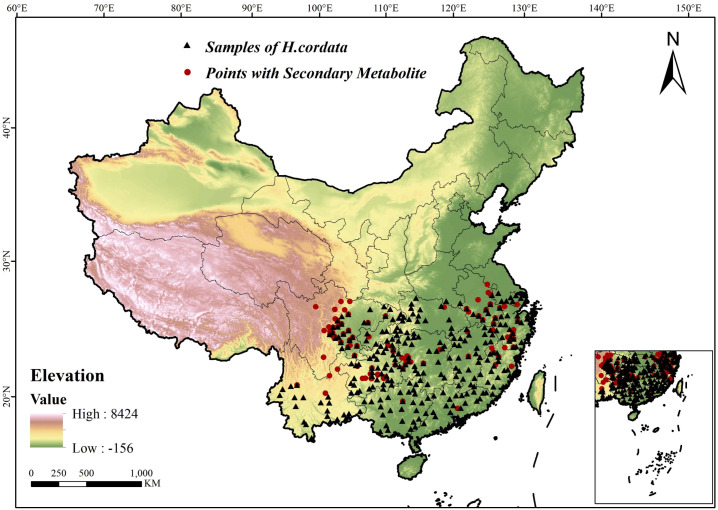 Figure 1
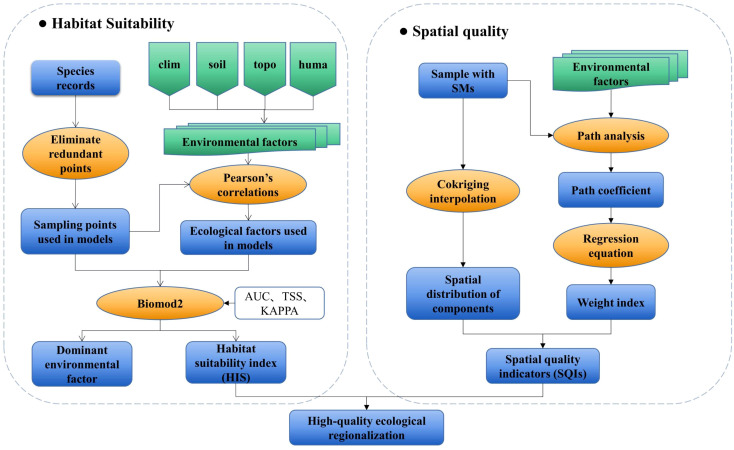 Figure 2
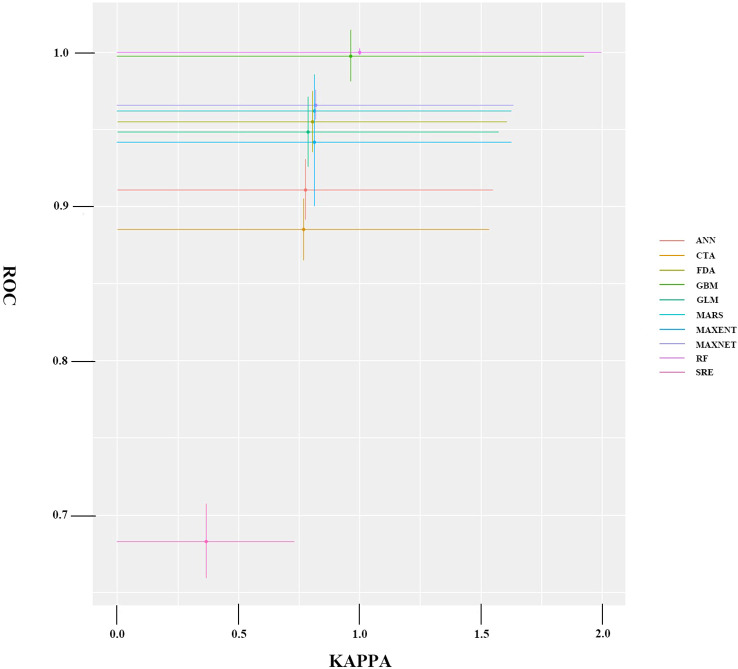 Figure 3
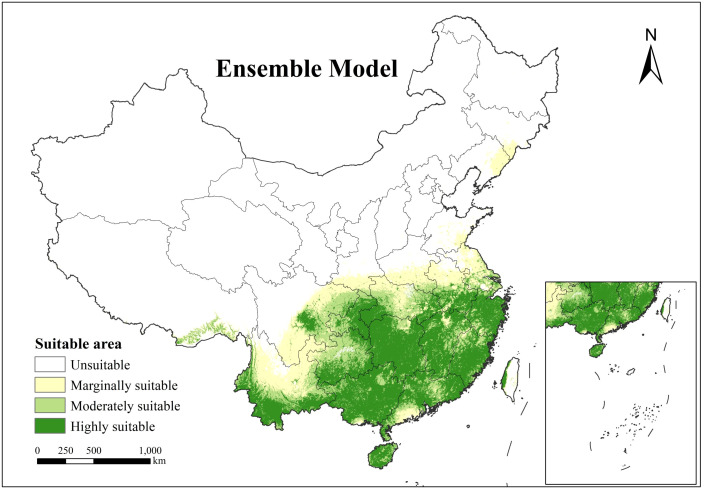 Figure 4
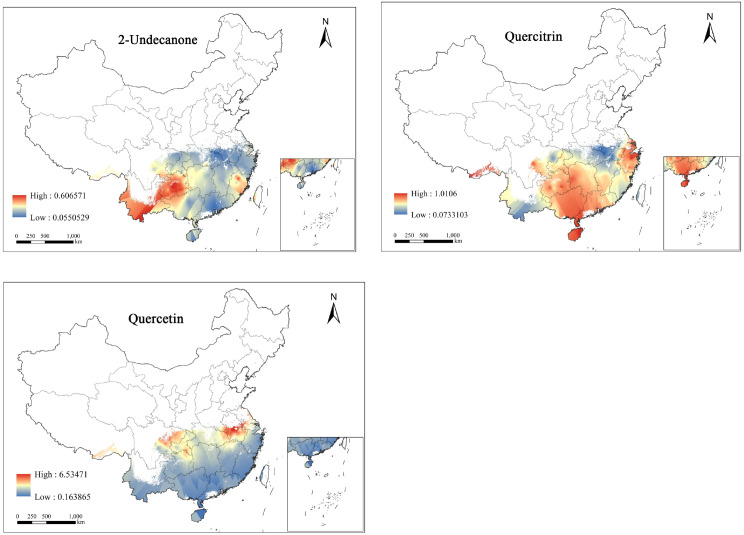 Figure 5
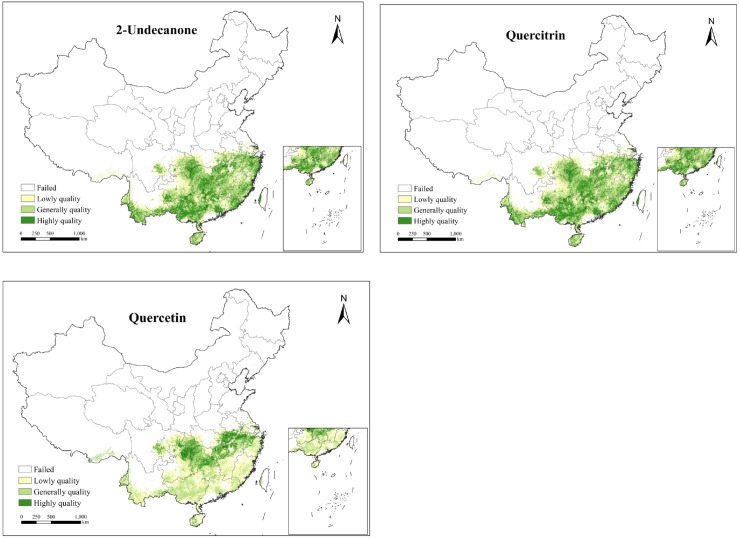 Figure 6
Peer Reviews
No public reviews on file for this paper yet. If you reviewed it on a platform where reviews are public (OpenReview, ICLR, NeurIPS, ICML), you can paste yours below so the community can read it here.
Videos
No videos yet. Explain this paper in a talk, walkthrough, or lecture? Add one.
Taxonomy
TopicsNephrotoxicity and Medicinal Plants · Traditional Chinese Medicine Analysis · Plant-based Medicinal Research