Microvascular decompression for neurovascular compression syndromes secondary to vertebrobasilar dolichoectasia: a single-center retrospective analysis
Mauro Alberto Segura-Lozano, Mario Alexis Del Real-Gallegos, Pedro Mendoza-Lemus, Bernardo Tenorio-González, Yael Rodrigo Torres-Torres, Alejandro González-Silva, Octavio Carranza-Rentería, Angel Gabriel Parra-Galván, Aarón Giovanni Munguía-Rodríguez

TL;DR
This study examines the effectiveness of microvascular decompression surgery for treating neurovascular compression syndromes caused by vertebrobasilar dolichoectasia.
Contribution
The study provides a single-center retrospective analysis of surgical outcomes and complications in VBD-related neurovascular compression syndromes.
Findings
Complete symptom relief was achieved in 92.5% of TN/GPN cases and 55.6% of HFS cases.
Persistent deficits were reported in 36.8% of patients, highlighting the higher risk of complications in VBD-related surgeries.
Abstract
Vertebrobasilar dolichoectasia (VBD) is a rare cause of neurovascular compression syndromes (NVCS), including trigeminal neuralgia (TN), hemifacial spasm (HFS), and glossopharyngeal neuralgia (GPN). Microvascular decompression (MVD) is the primary surgical treatment; however, VBD-related cases are technically challenging and carry a higher risk of complications. To analyze the clinical characteristics, surgical findings, outcomes, and complications of patients with NVCS secondary to VBD treated with MVD. A retrospective single-center study was conducted on 68 patients who underwent MVD for VBD-associated NVCS between January 2014 and December 2024. Clinical, imaging, intraoperative, and postoperative data were collected and analyzed. Interposition and transposition techniques were employed according to intraoperative findings. Among the 68 patients, TN was present in 49 cases…
Genes, proteins, chemicals, diseases, species, mutations and cell lines named across the full text — each resolved to its canonical identifier and authoritative record.
Click any figure to enlarge with its caption.
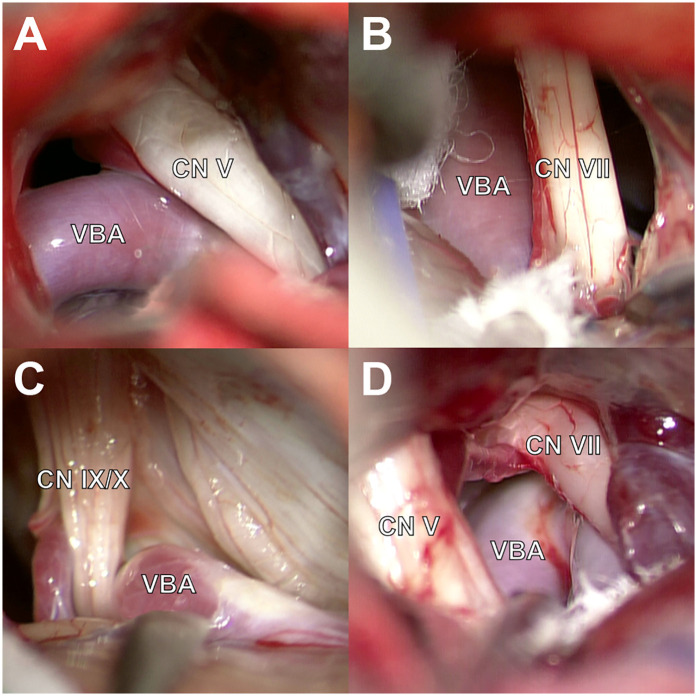 Figure 1
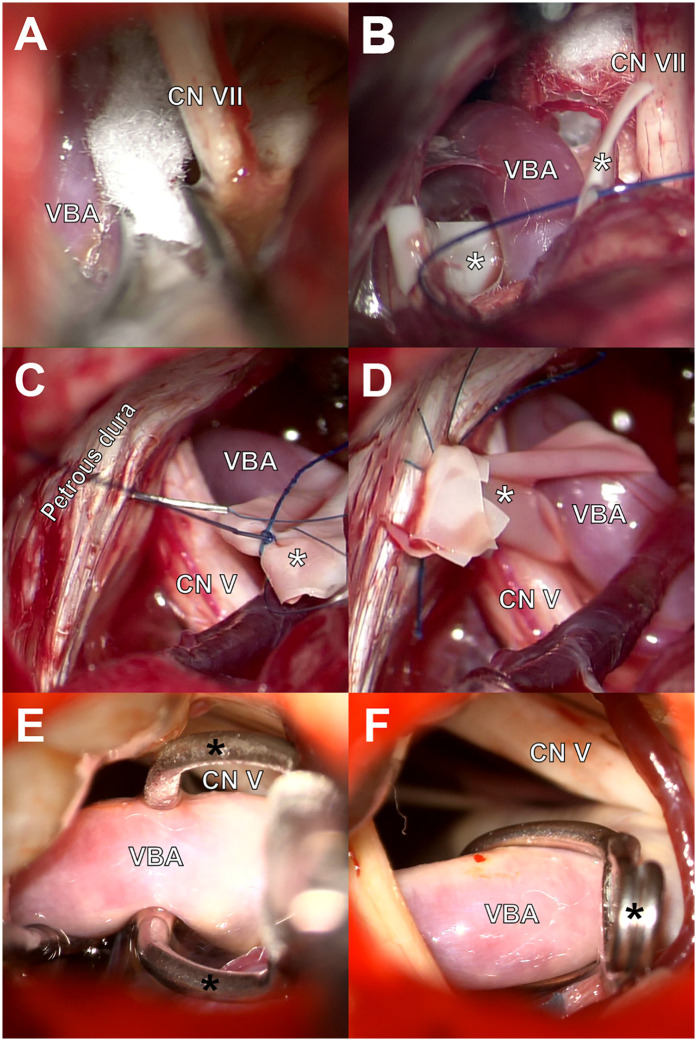 Figure 2
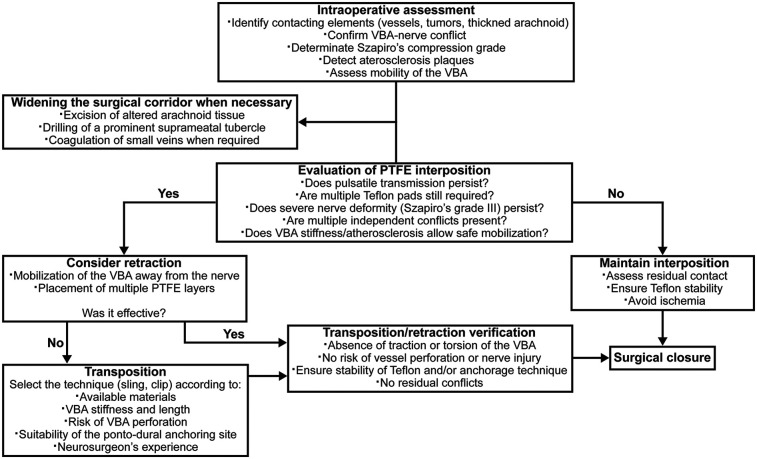 Figure 3
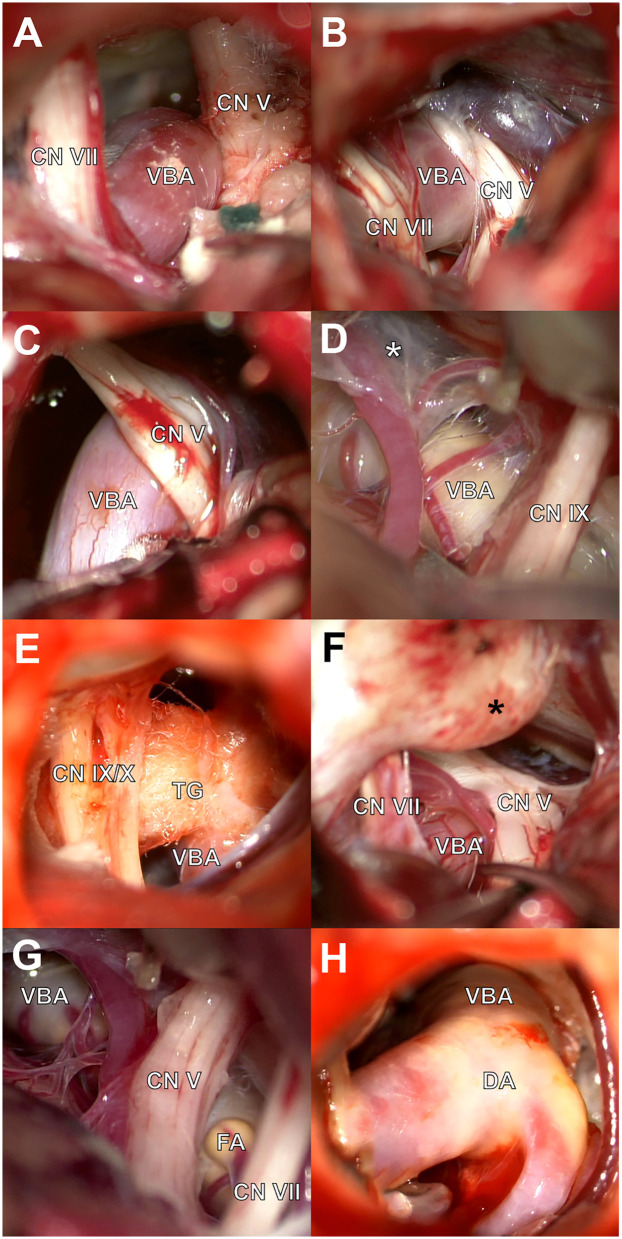 Figure 4
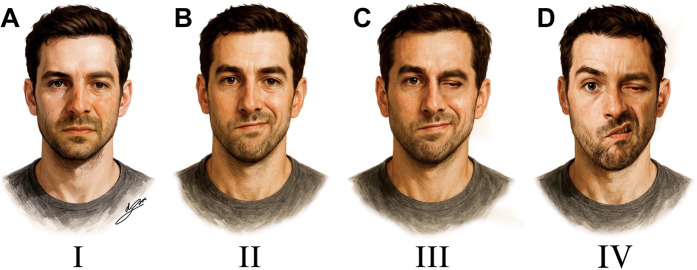 Figure 5
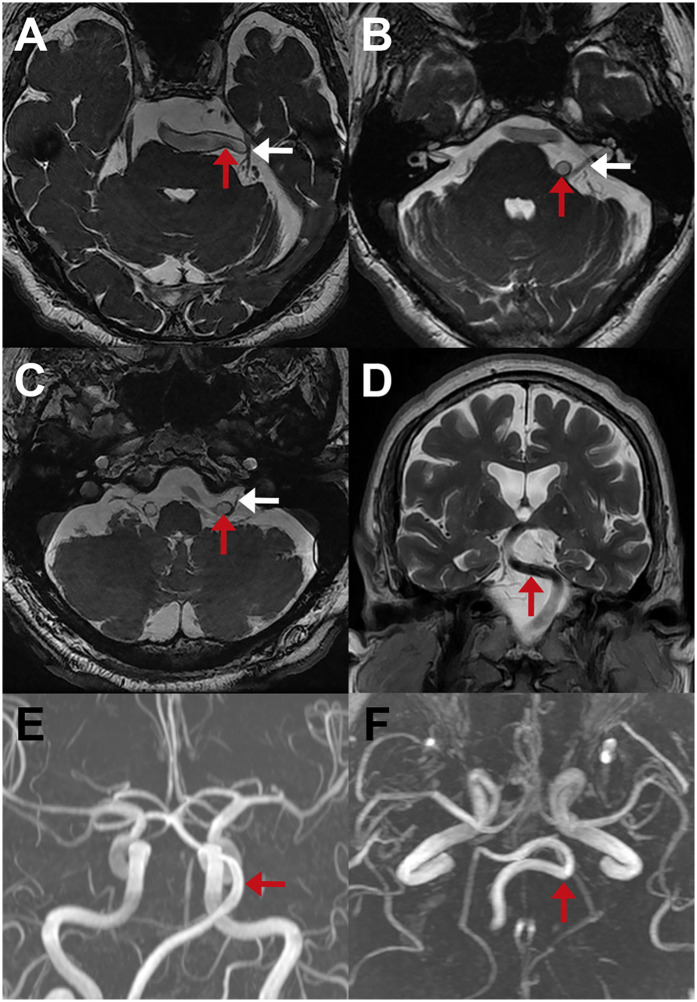 Figure 6
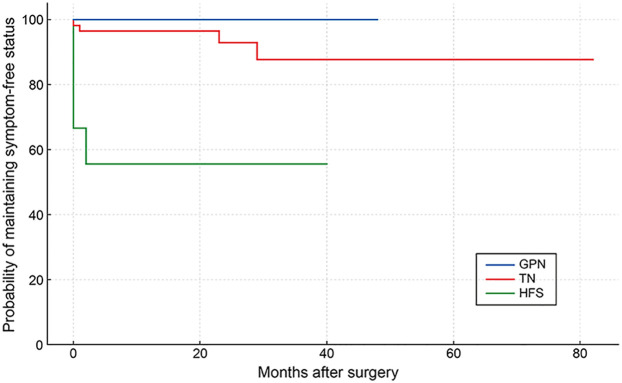 Figure 7
Peer Reviews
No public reviews on file for this paper yet. If you reviewed it on a platform where reviews are public (OpenReview, ICLR, NeurIPS, ICML), you can paste yours below so the community can read it here.
Videos
No videos yet. Explain this paper in a talk, walkthrough, or lecture? Add one.
Taxonomy
TopicsTrigeminal Neuralgia and Treatments · Intracranial Aneurysms: Treatment and Complications · Neurosurgical Procedures and Complications