Risk factors and predictive model construction for severe complications following repair of perforated peptic ulcer
Qinfeng Sun, Yujie Kui, Federico Maria Mongardini, Ludovico Docimo, Qianqian Zhang, Xiaoxia Xu, Junfeng Li, Kailian Qiu, Zechao Zhu

TL;DR
This study identifies risk factors and builds a highly accurate model to predict severe complications after surgery for perforated peptic ulcers.
Contribution
A novel prediction model with high accuracy (AUC 0.961) for severe postoperative complications in perforated peptic ulcer repair is developed.
Findings
Alcohol use history, ASA score, admission nutritional score, CRP level, and preoperative albumin level are independent risk factors for severe complications.
The developed nomogram showed excellent discriminative ability (AUC = 0.961) and good calibration.
The model was confirmed to have clinical utility through decision curve analysis.
Abstract
To identify risk factors and construct a prediction model for severe complications(Clavien-Dindo Classification III-V)following repair of perforated peptic ulcers. Clinical data from 230 patients who underwent perforated peptic ulcer repair at Haiyan County People's Hospital and Jiaxing Second Hospital between January 2018 and June 2024 were retrospectively analyzed. Univariate and multivariate logistic regression analyses were performed to screen relevant variables, followed by the development of a risk prediction model for severe complications, with predictive performance validated using receiver operating characteristic (ROC) curve analysis. The cohort comprised 230 patients (185 males, 45 females) with a mean age of 62.2 ± 17.8 years, predominantly presenting with gastric perforations. Severe postoperative complications occurred in 42 cases (18.3%). In ERAS patients, advantages…
Genes, proteins, chemicals, diseases, species, mutations and cell lines named across the full text — each resolved to its canonical identifier and authoritative record.
Click any figure to enlarge with its caption.
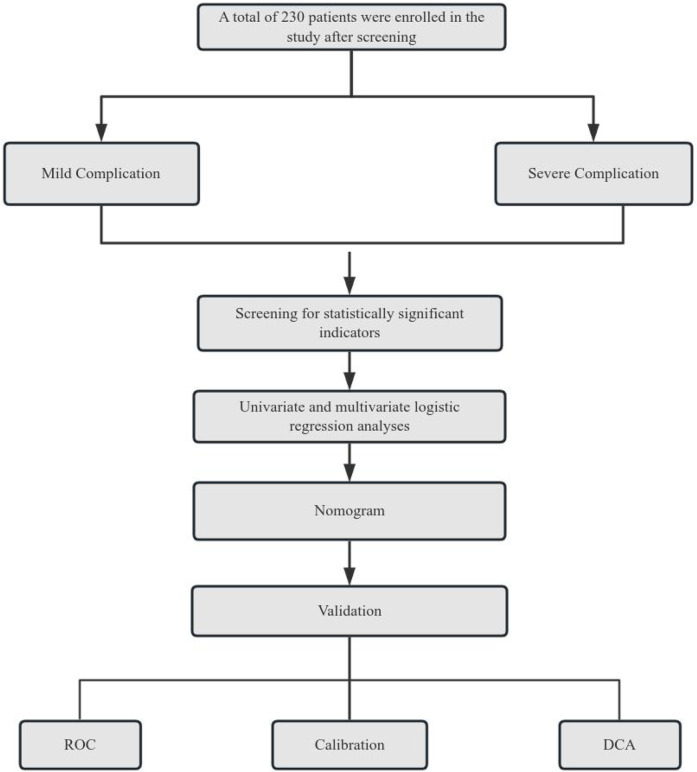 Figure 1
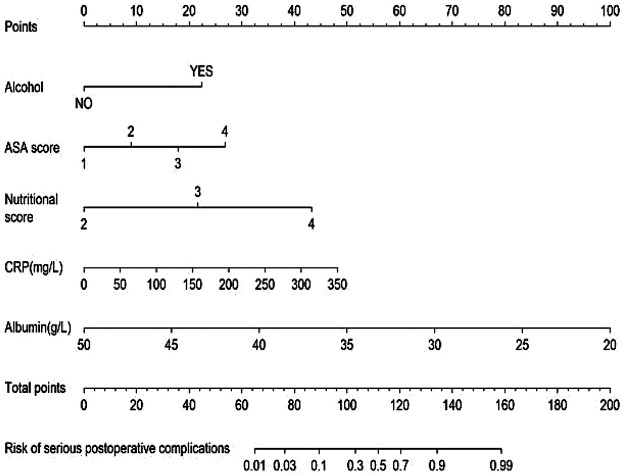 Figure 2
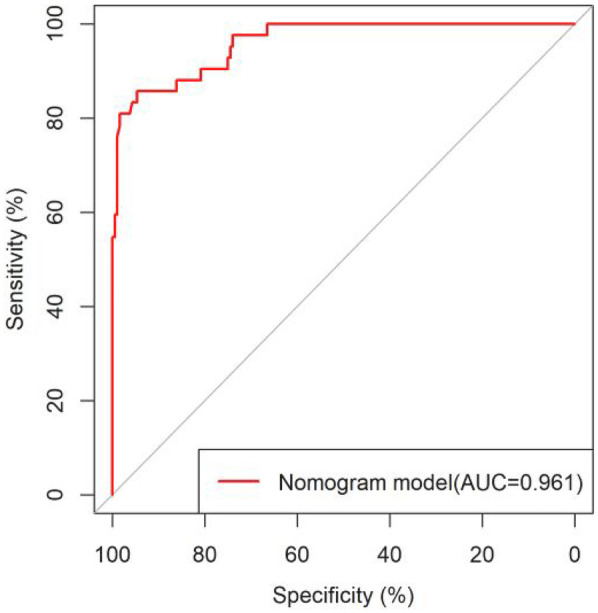 Figure 3
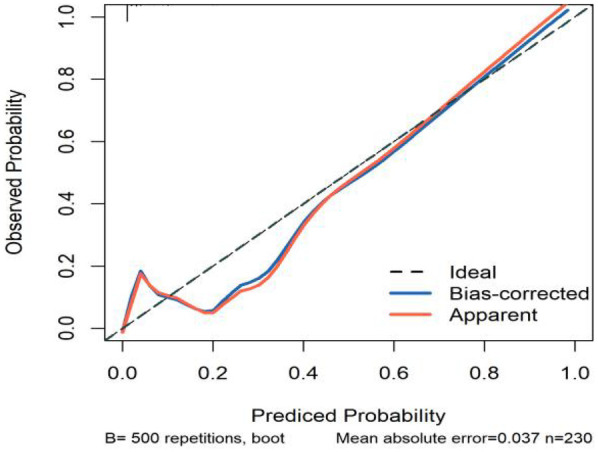 Figure 4
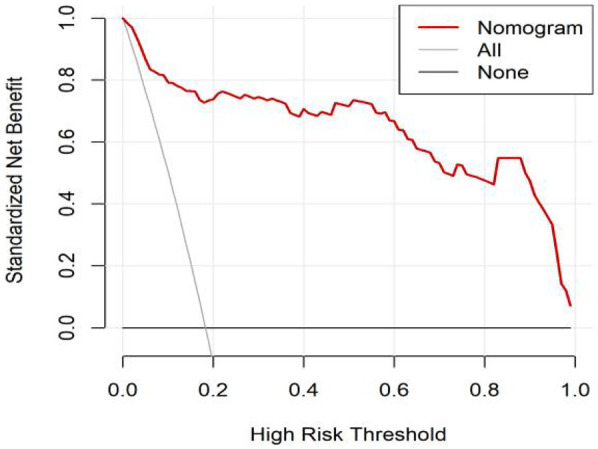 Figure 5
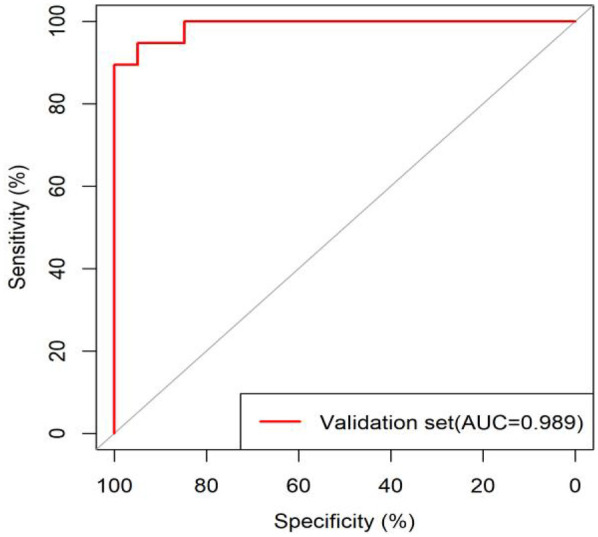 Figure 6
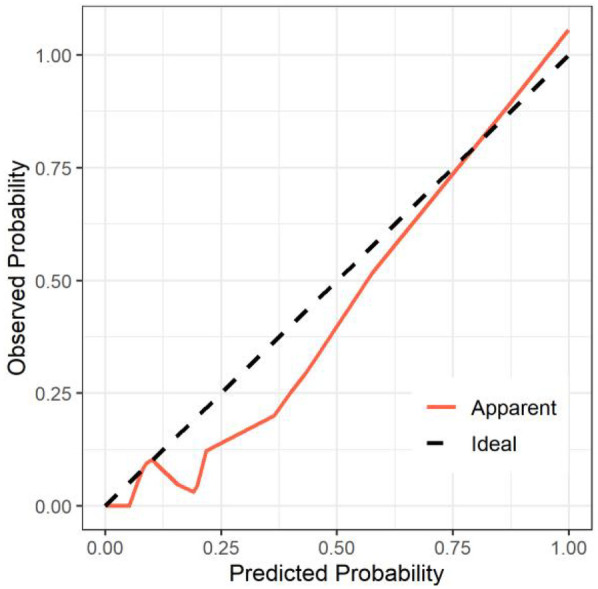 Figure 7
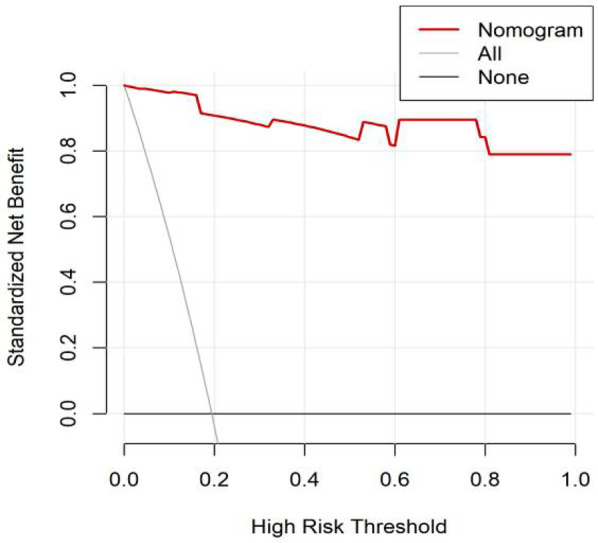 Figure 8
Peer Reviews
No public reviews on file for this paper yet. If you reviewed it on a platform where reviews are public (OpenReview, ICLR, NeurIPS, ICML), you can paste yours below so the community can read it here.
Videos
No videos yet. Explain this paper in a talk, walkthrough, or lecture? Add one.
Taxonomy
TopicsEsophageal and GI Pathology · Gastric Cancer Management and Outcomes · Bariatric Surgery and Outcomes