Probe-based metagenomic pathogen detection: advancing laboratory capacity for complex diagnosis
Rita Ferreira, Luís Coelho, João Dourado Santos, Daniel Sobral, Joana Isidro, Verónica Mixão, Miguel Pinto, Alexandra Nunes, Maria José Borrego, Sílvia Lopo, Mónica Oleastro, Rita Sousa, Paula Palminha, Cristina Veríssimo, Maria João Gargaté, Raquel Guiomar, Rita Cordeiro

TL;DR
This study evaluates a new method combining probe-based enrichment and sequencing to improve pathogen detection in complex clinical samples.
Contribution
A novel workflow combining two Illumina probe-based panels with an extended bioinformatics pipeline improves pathogen detection rates in clinical diagnostics.
Findings
The workflow detected 79.8% of PCR-positive hits using an extended metagenomics pipeline.
Detection rates improved for both bacteria and viruses, especially in samples with high qPCR Ct values.
The method was validated for 15 different clinical sample types at a national health institute.
Abstract
Probe-based pathogen enrichment, followed by NGS, is a promising tool for complex diagnosis, overcoming traditional challenges of shotgun metagenomics, namely small microbial/human genetic material ratio and demanding computational resources. Here, we assessed the combined detection performance of two Illumina probe-based panels, the Respiratory and the Urinary Pathogen ID panels (RPIP and UPIP), using 99 clinical samples of 15 different matrices (e.g., cerebrospinal fluid, plasma, serum, urine, swabs, biopsies, etc.) available from Portuguese National Reference Laboratories. This sample set involved 114 “PCR-positive hits” (Ct values range of 9.7–41.3; median of 28.4) for 52 non-redundant human pathogens. For a more detailed bioinformatics assessment, as a complement of the Illumina turnkey solution (Explify), we applied an extended version of our INSaFLU-TELEVIR(+) metagenomics…
Genes, proteins, chemicals, diseases, species, mutations and cell lines named across the full text — each resolved to its canonical identifier and authoritative record.
Click any figure to enlarge with its caption.
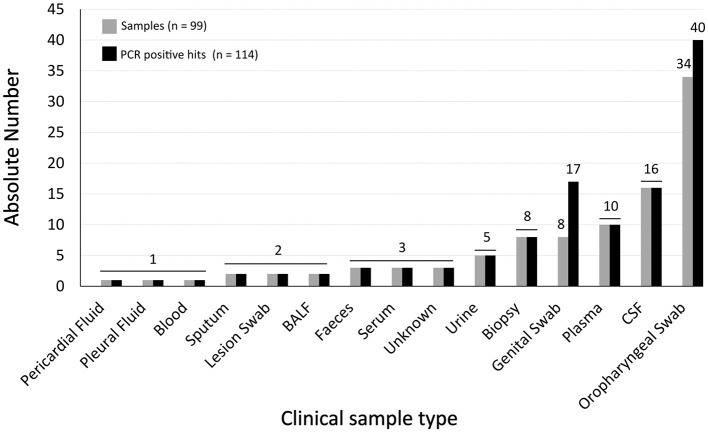 Figure 1
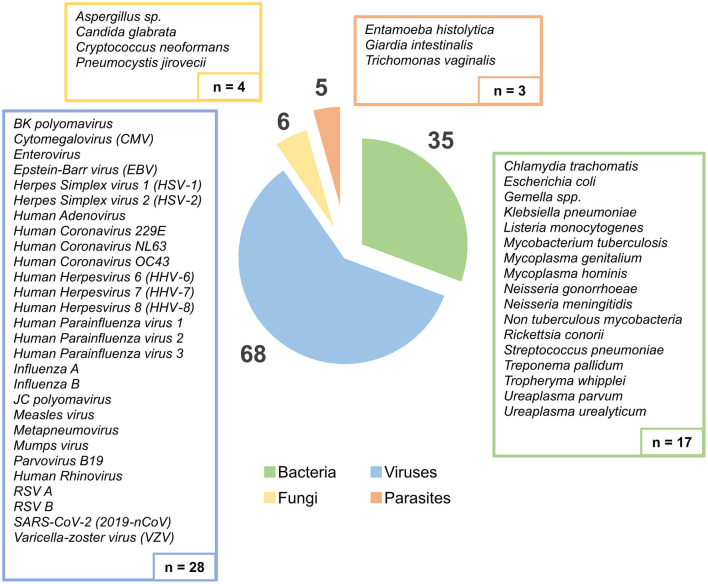 Figure 2
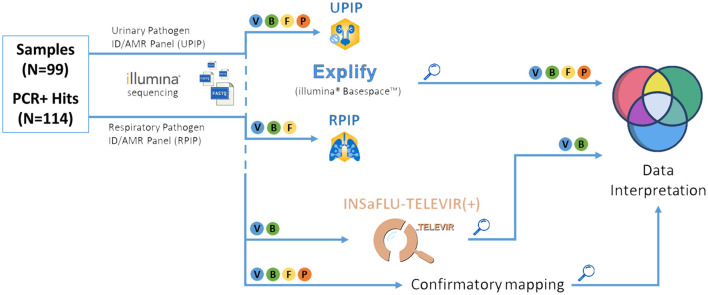 Figure 3
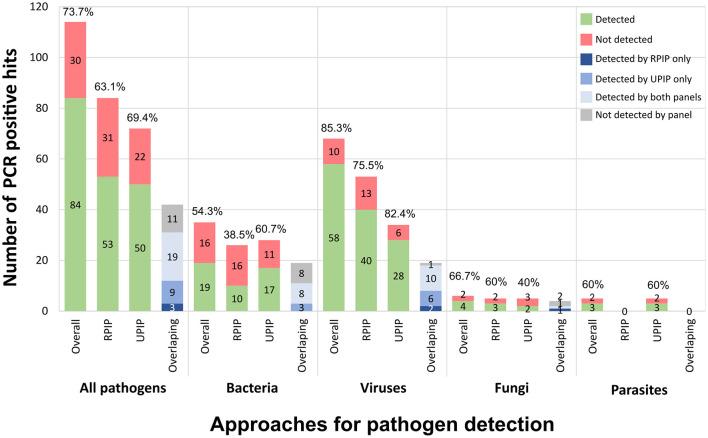 Figure 4
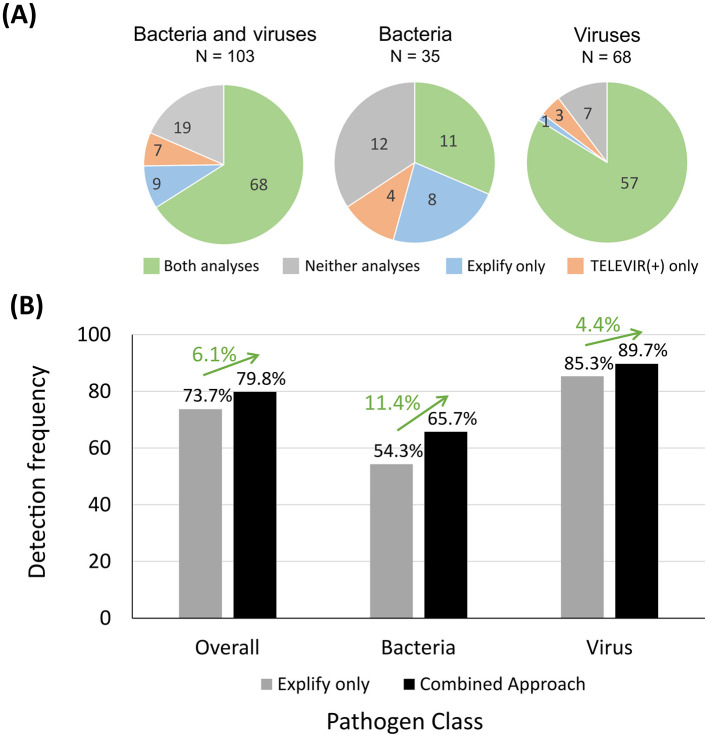 Figure 5
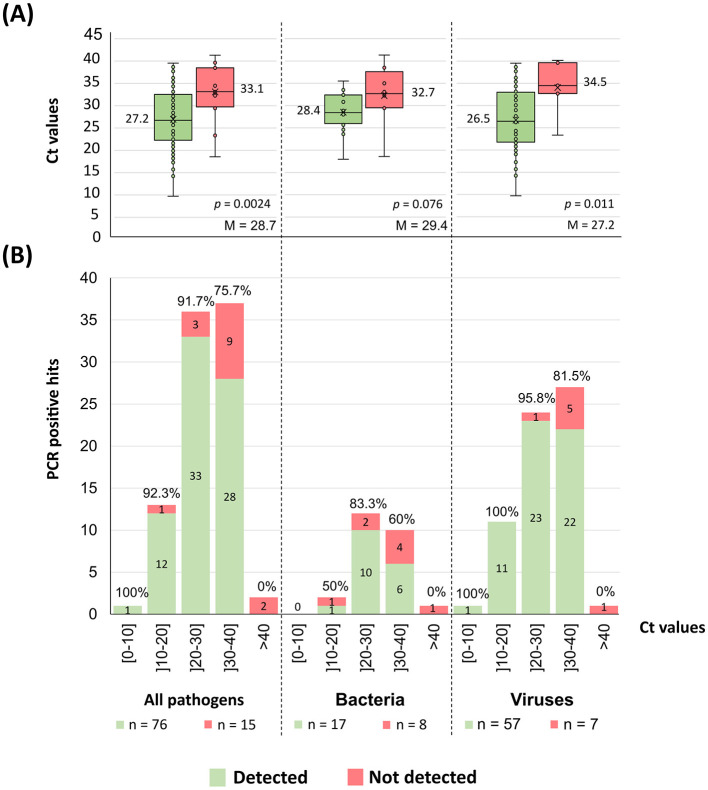 Figure 6
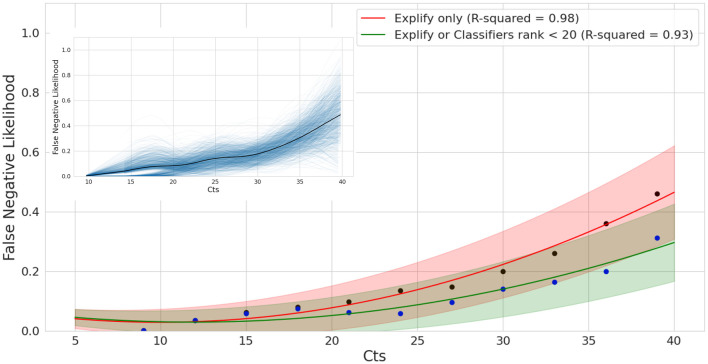 Figure 7
Peer Reviews
No public reviews on file for this paper yet. If you reviewed it on a platform where reviews are public (OpenReview, ICLR, NeurIPS, ICML), you can paste yours below so the community can read it here.
Videos
No videos yet. Explain this paper in a talk, walkthrough, or lecture? Add one.
Taxonomy
TopicsBiosensors and Analytical Detection · Genomics and Phylogenetic Studies · Bacterial Identification and Susceptibility Testing