Schizophrenia risk gene ZNF536 modulates retinoic acid response and neuronal gene networks in SH-SY5Y cells
Artemiy O. Kurishev, Dmitrii A. Abashkin, Dmitry S. Karpov, Ekaterina V. Marilovtseva, Yulia A. Chaika, Ekaterina V. Semina, Vera E. Golimbet

TL;DR
This study shows how the ZNF536 gene, linked to schizophrenia, affects brain cell development and retinoic acid signaling.
Contribution
The study reveals ZNF536's role in regulating retinoic acid response and neuronal gene networks in human cells.
Findings
ZNF536 knockout cells showed impaired retinoic acid receptor target gene activation.
Neuronal maturation and neurite outgrowth were reduced in ZNF536 knockout cells.
ZNF536 deletion altered expression of schizophrenia-associated genes.
Abstract
ZNF536, a brain-specific transcriptional repressor, has recently emerged as a candidate risk gene for schizophrenia (SZ), yet its functional role in human neurodevelopment remains poorly understood. We used CRISPR/Cas9 genome editing to generate a dual-allelic ZNF536 knockout model in SH-SY5Y cells, combining a 103 kb deletion encompassing SZ-associated intronic regions with a disruption of zinc finger domains in exon 2. We performed transcriptome profiling of mutant cells undergoing all-trans retinoic acid (ATRA)-induced differentiation and analyzed neurite outgrowth phenotypes. Knockout cells exhibited impaired activation of retinoic acid receptor (RAR) target genes, reduced neurite outgrowth, and failure of neuronal maturation. Gene set enrichment analysis uncovered dysregulation of E2F4-mediated cell cycle pathways. The targeted intronic deletion altered the expression of multiple…
Genes, proteins, chemicals, diseases, species, mutations and cell lines named across the full text — each resolved to its canonical identifier and authoritative record.
Click any figure to enlarge with its caption.
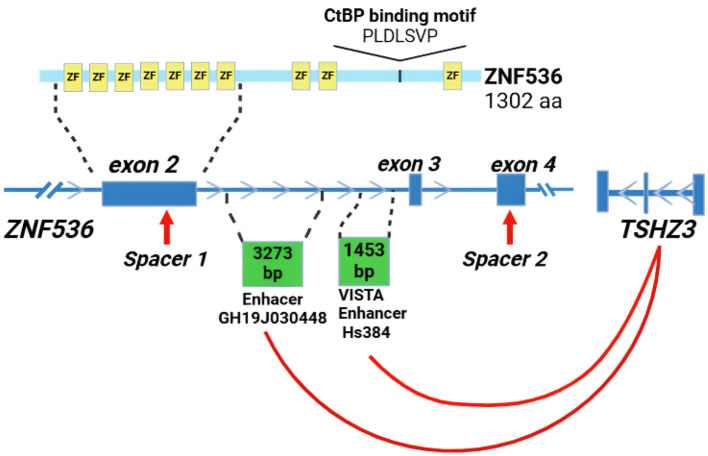 Figure 1
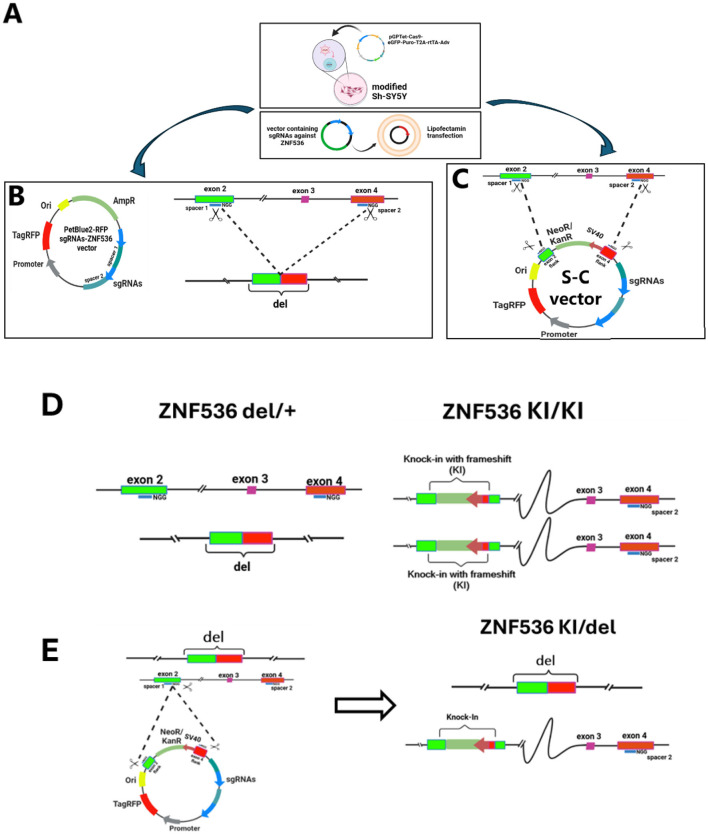 Figure 2
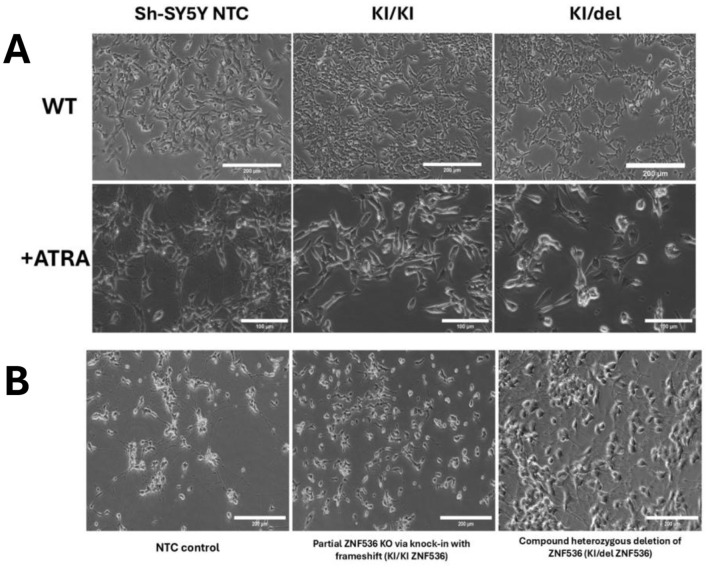 Figure 3
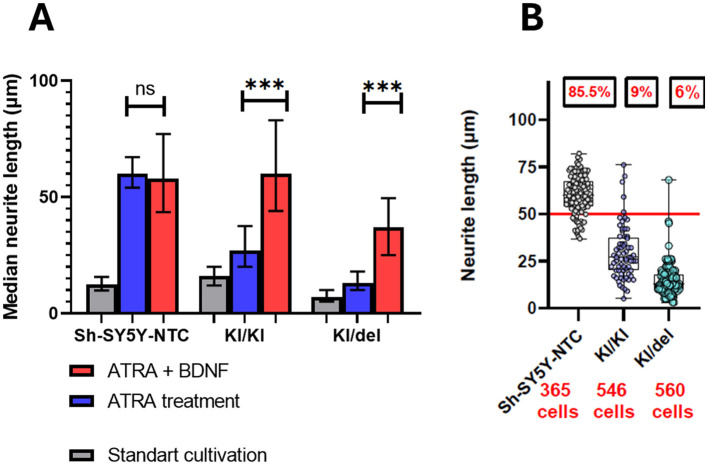 Figure 4
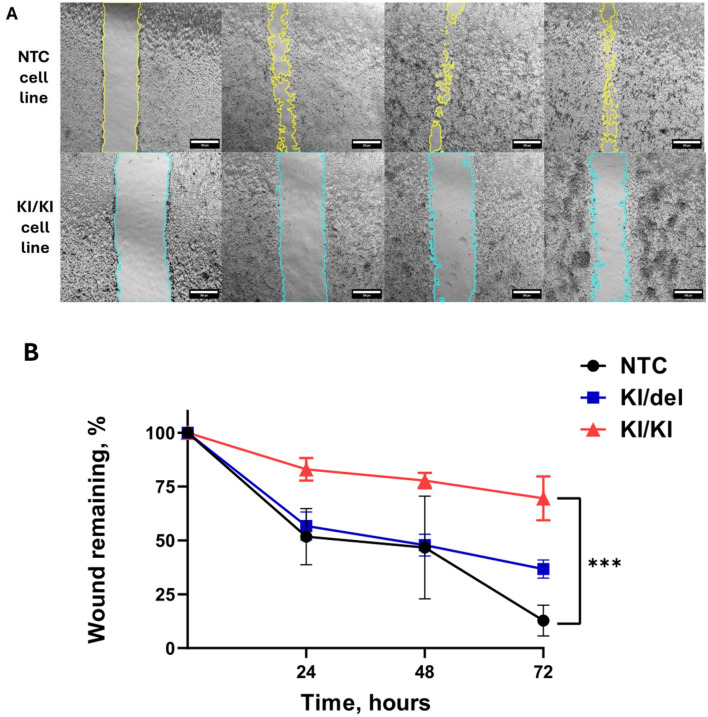 Figure 5
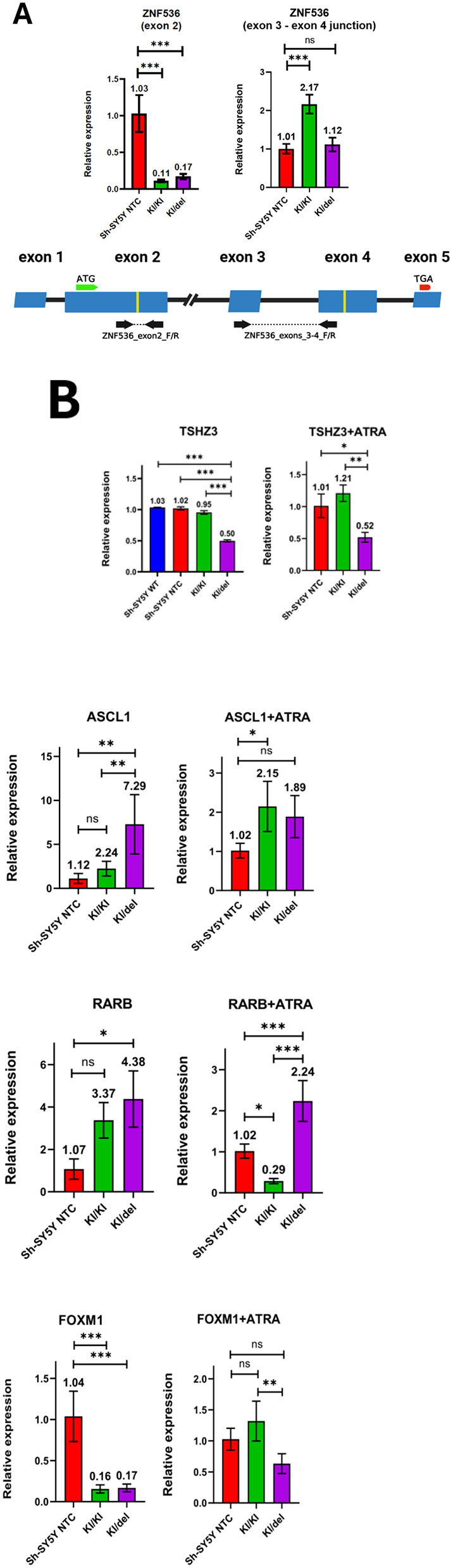 Figure 6
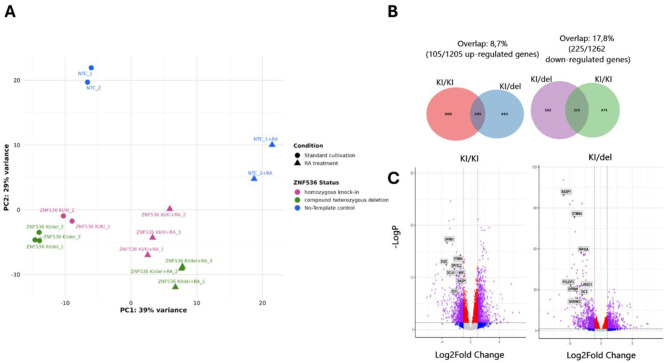 Figure 7
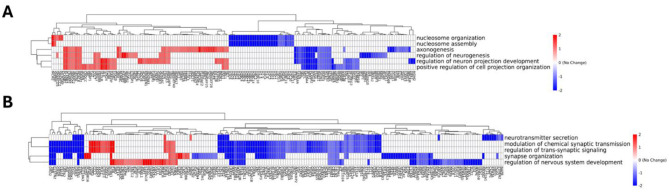 Figure 8
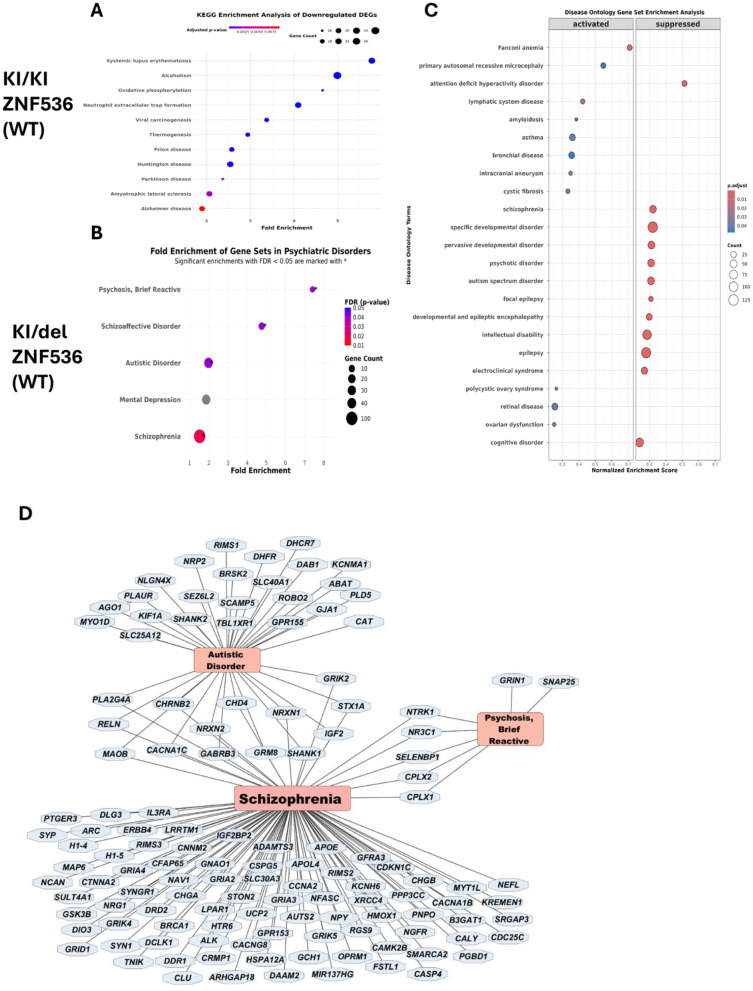 Figure 9
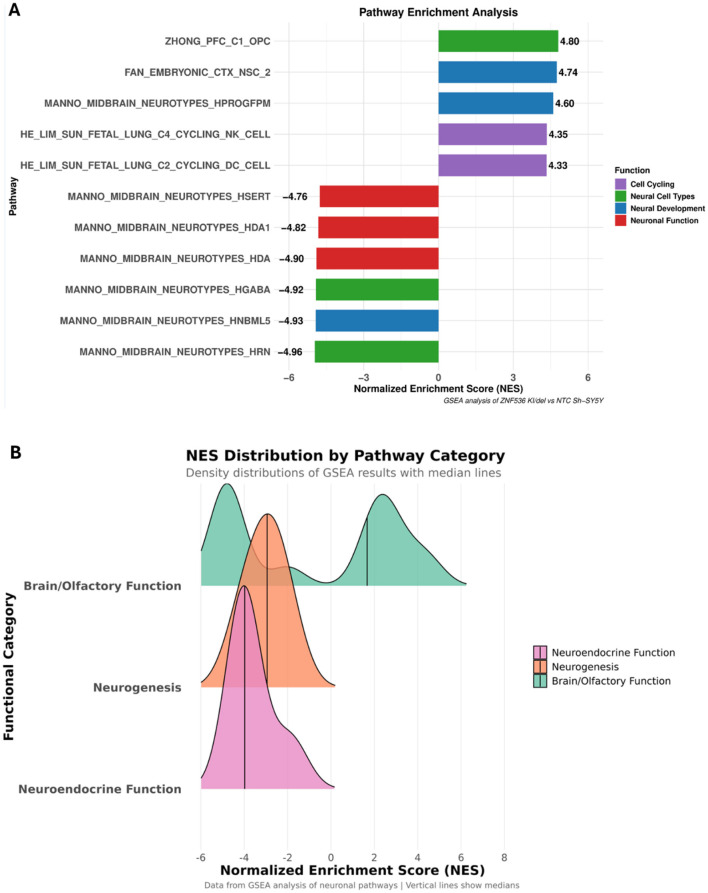 Figure 10
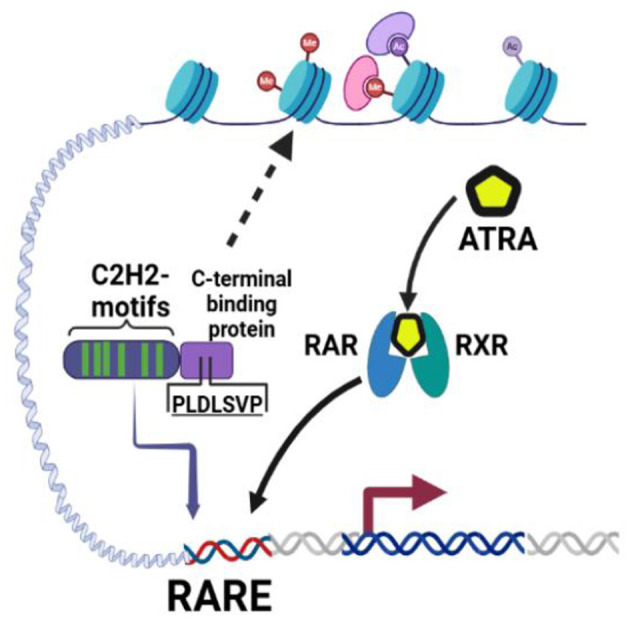 Figure 11
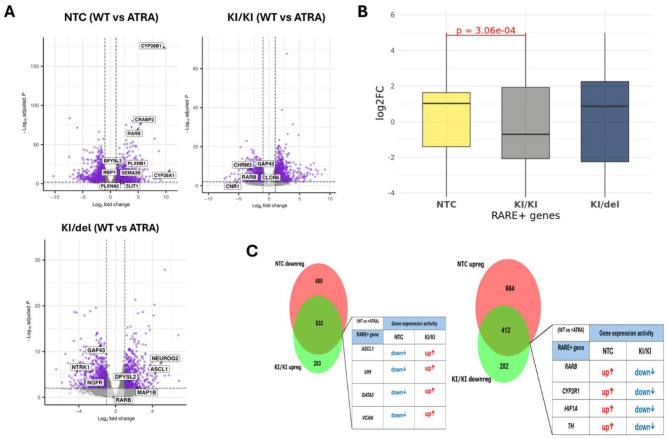 Figure 12
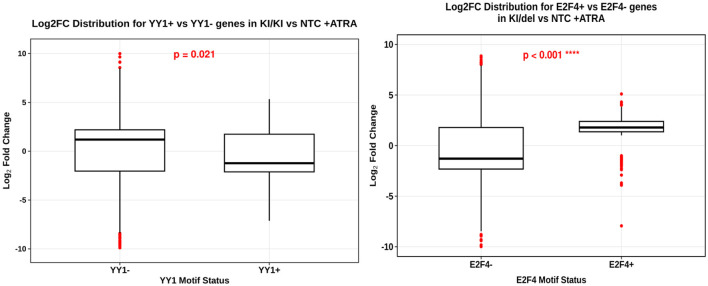 Figure 13
Peer Reviews
No public reviews on file for this paper yet. If you reviewed it on a platform where reviews are public (OpenReview, ICLR, NeurIPS, ICML), you can paste yours below so the community can read it here.
Videos
No videos yet. Explain this paper in a talk, walkthrough, or lecture? Add one.
Taxonomy
TopicsGenetics and Neurodevelopmental Disorders · Birth, Development, and Health · Nuclear Receptors and Signaling