Pregnancy hormones increase cardiac capillary density via the PGC-1α/ERRα/VEGF pathway in cardiomyocytes
Michael Hesse, Daniel Korzus, Kristina Thaben, Nicole Wagner, Süleyman Ergün, Zoltan Arany, Bernd K. Fleischmann

TL;DR
Pregnancy hormones boost heart capillaries by activating a specific pathway in heart muscle cells, without causing heart cell enlargement.
Contribution
Identifies the PGC-1α/ERRα/VEGF pathway as a direct mechanism by which pregnancy hormones increase cardiac capillarization.
Findings
Pregnancy hormones increase capillary density in mouse hearts without causing cardiomyocyte hypertrophy.
Pregnancy hormones activate the PGC-1α/ERRα/VEGF pathway in cardiomyocytes to induce angiogenesis.
Cardiomyocytes are a key source of angiogenic factors during pregnancy.
Abstract
Pregnancy significantly affects the maternal cardiovascular system, with physiological adaptations characterized by cardiac hypertrophy and increased capillarization. However, the molecular mechanisms underlying these adaptations remain incompletely understood. Therefore, we analyzed them in mouse hearts at different stages of pregnancy and after hormone treatment. We analyzed cell proliferation, capillary density, hypertrophy, and gene expression using immunostaining and quantitative RT-PCR to evaluate differential gene expression in mouse hearts at different stages during pregnancy and after treatment with combinations of progesterone and estrogen for up to 14 days. We found that the number of proliferating cells in the hearts of pregnant mice began to increase at gestational day 3 (GD3), peaked at GD14—mainly in fibroblasts and endothelial cells (ECs), but not in cardiomyocytes…
Genes, proteins, chemicals, diseases, species, mutations and cell lines named across the full text — each resolved to its canonical identifier and authoritative record.
Click any figure to enlarge with its caption.
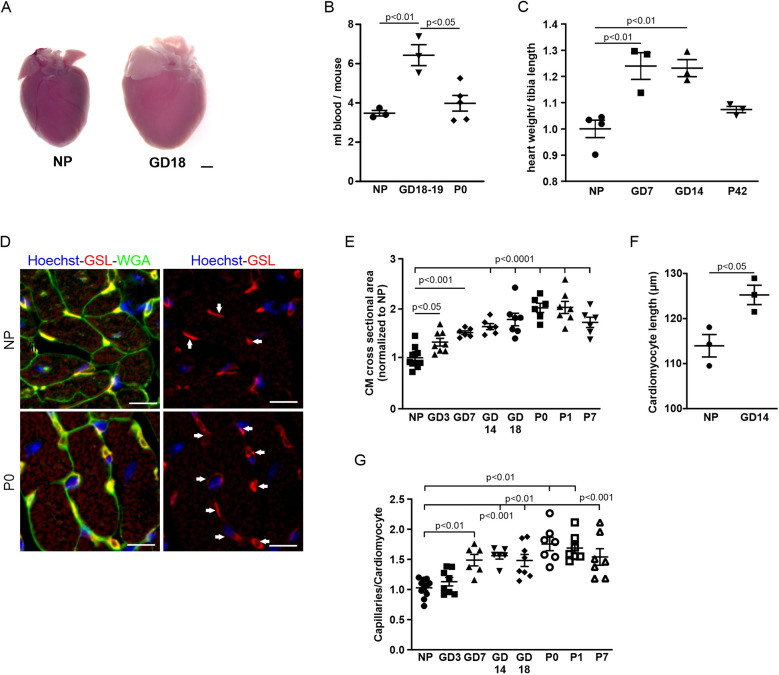 Figure 1
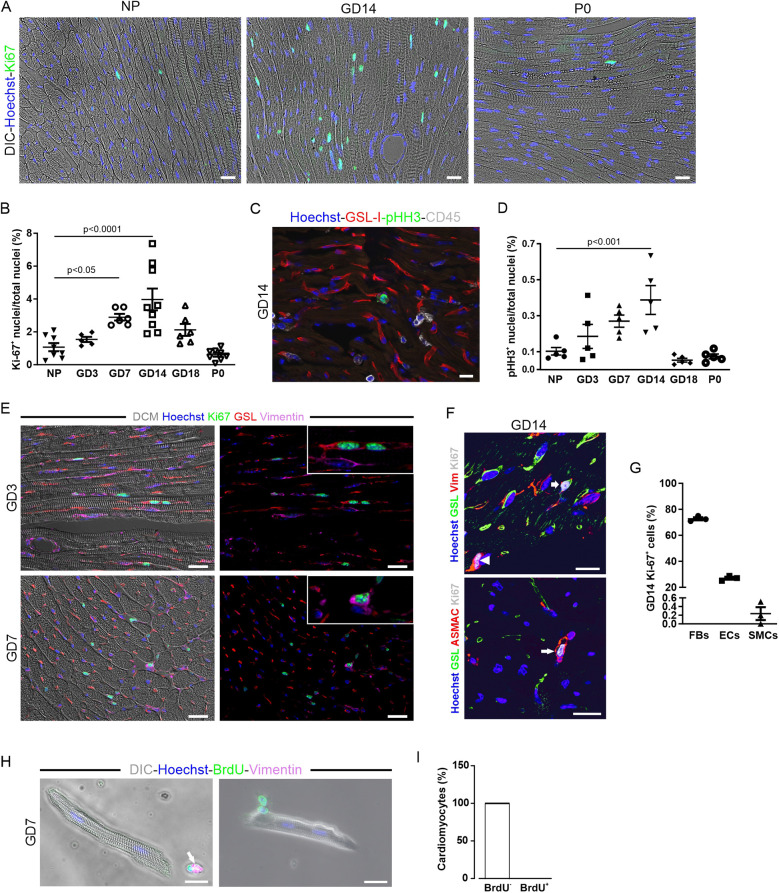 Figure 2
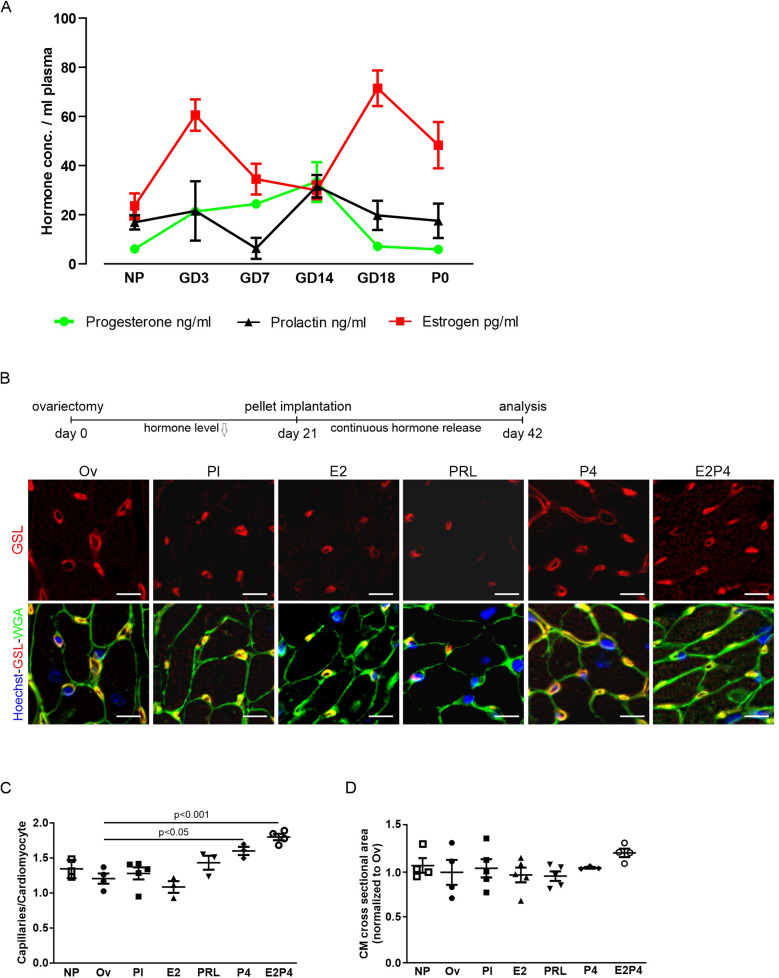 Figure 3
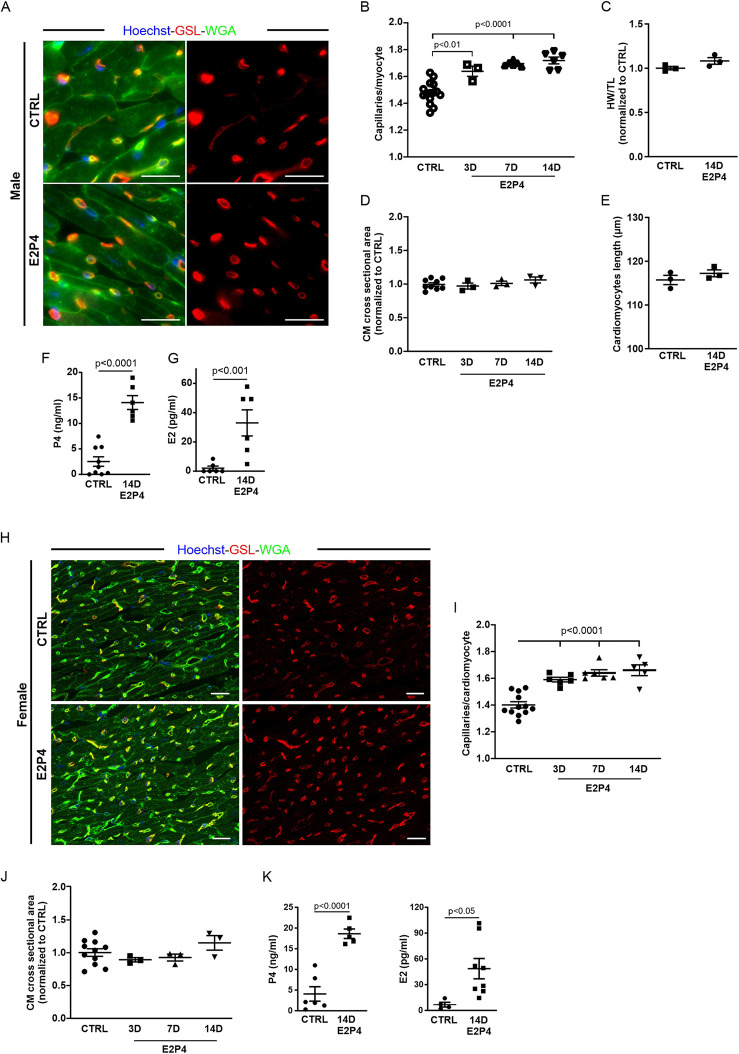 Figure 4
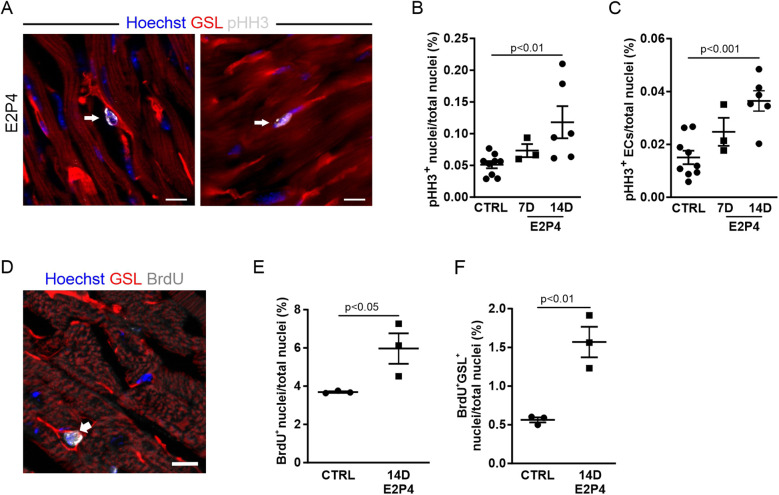 Figure 5
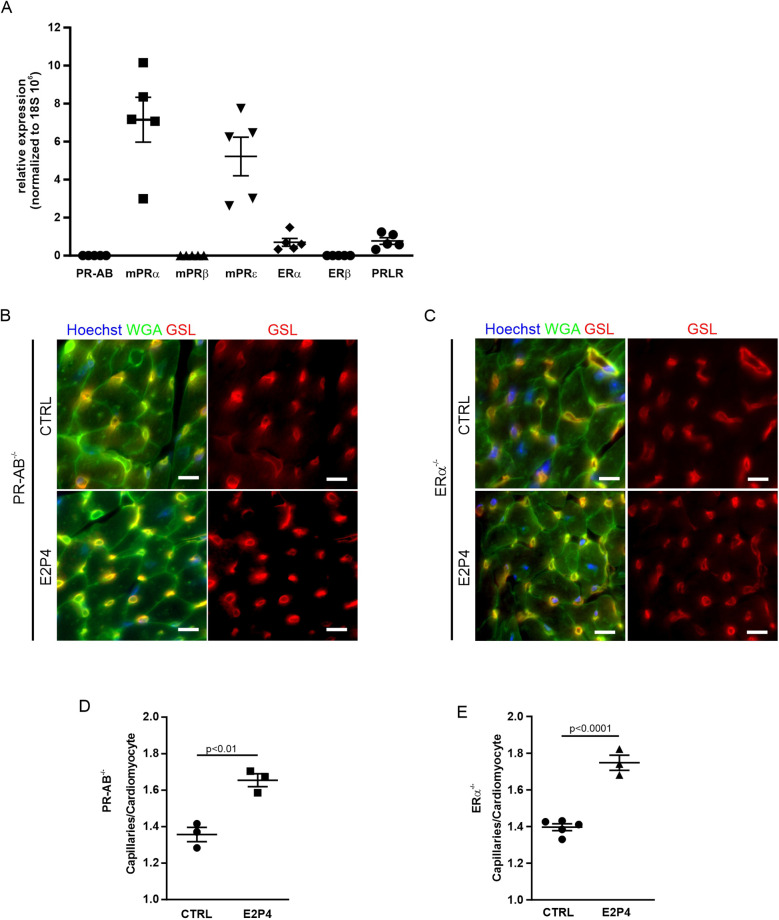 Figure 6
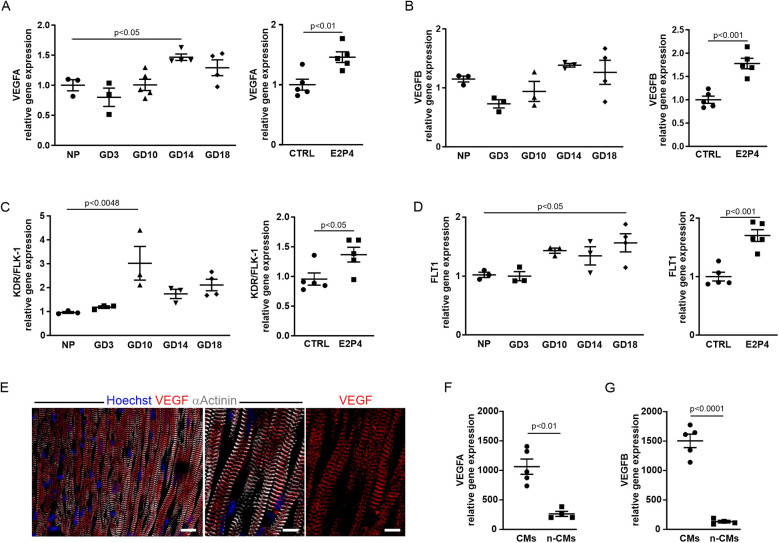 Figure 7
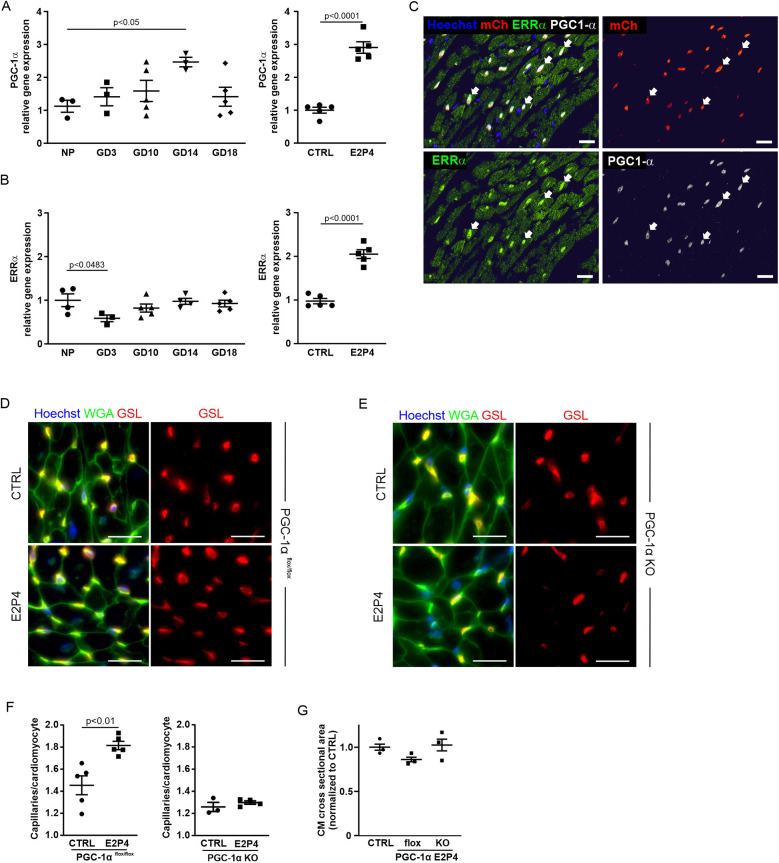 Figure 8
Peer Reviews
No public reviews on file for this paper yet. If you reviewed it on a platform where reviews are public (OpenReview, ICLR, NeurIPS, ICML), you can paste yours below so the community can read it here.
Videos
No videos yet. Explain this paper in a talk, walkthrough, or lecture? Add one.
Taxonomy
TopicsCardiovascular Issues in Pregnancy · Apelin-related biomedical research · Cardiovascular, Neuropeptides, and Oxidative Stress Research