Non-additive strong gene interactions cause striking differences in organ pathology and cytokine response in Leishmaniasis
Yahya Sohrabi, Tatyana Kobets, Valeriya Volkova, Eliška Javorková, Imtissal Krayem, Alena Zajícová, Helena Havelková, Milena Svobodová, Vladimír Holáň, Peter Demant, Marie Lipoldová

TL;DR
A small genetic difference between two mouse strains leads to a major shift from resistance to susceptibility in leishmaniasis, revealing complex immune responses.
Contribution
Discovery of non-additive gene interactions that cause dramatic immune response differences in leishmaniasis.
Findings
A hybrid mouse strain (B10.O20) became susceptible to Leishmania despite having most of its genome from a resistant strain.
B10.O20 mice showed high parasite loads and immune cell infiltration, unlike their resistant parents.
Splenocytes of B10.O20 produced excessive cytokines, indicating chronic inflammation and immune imbalance.
Abstract
The mouse strain O20 is highly resistant to parasite Leishmania major. O20 mice differed from all resistant strains tested until now, as they harbored parasites in their organs, but upon exposure to soluble Leishmania antigen (SLA) their splenocytes did not respond by cytokine production and their macrophages did not produce NO, suggesting a novel mechanism of resistance. Another resistant strain C57BL/10 (B10) harbors similar numbers of parasites as O20 in its organs and its splenocytes respond to SLA by production of IFNγ, but not IL-4. They also produce IL-2, IL-6, IL-10 and IL-17. Macrophages respond to SLA by NO production. Strain B10.O20 was derived from a cross of these two resistant strains. B10 provided 96.4% of its genome and O20 contributed 3.6% of its genome. Unexpectedly, this very limited difference between the two strains resulted in the very large phenotypic effects.…
Genes, proteins, chemicals, diseases, species, mutations and cell lines named across the full text — each resolved to its canonical identifier and authoritative record.
Click any figure to enlarge with its caption.
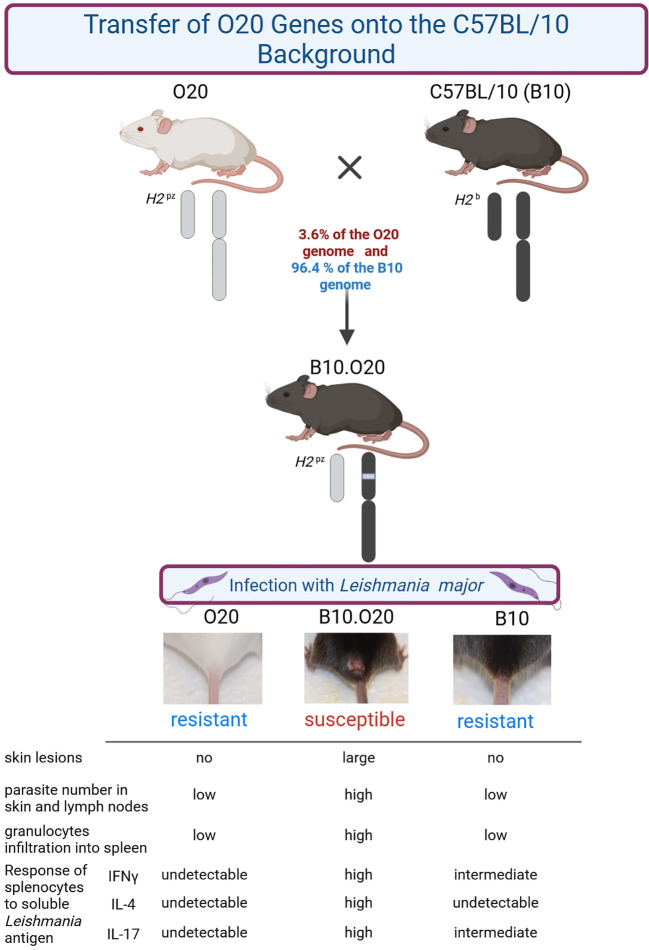 Figure 1
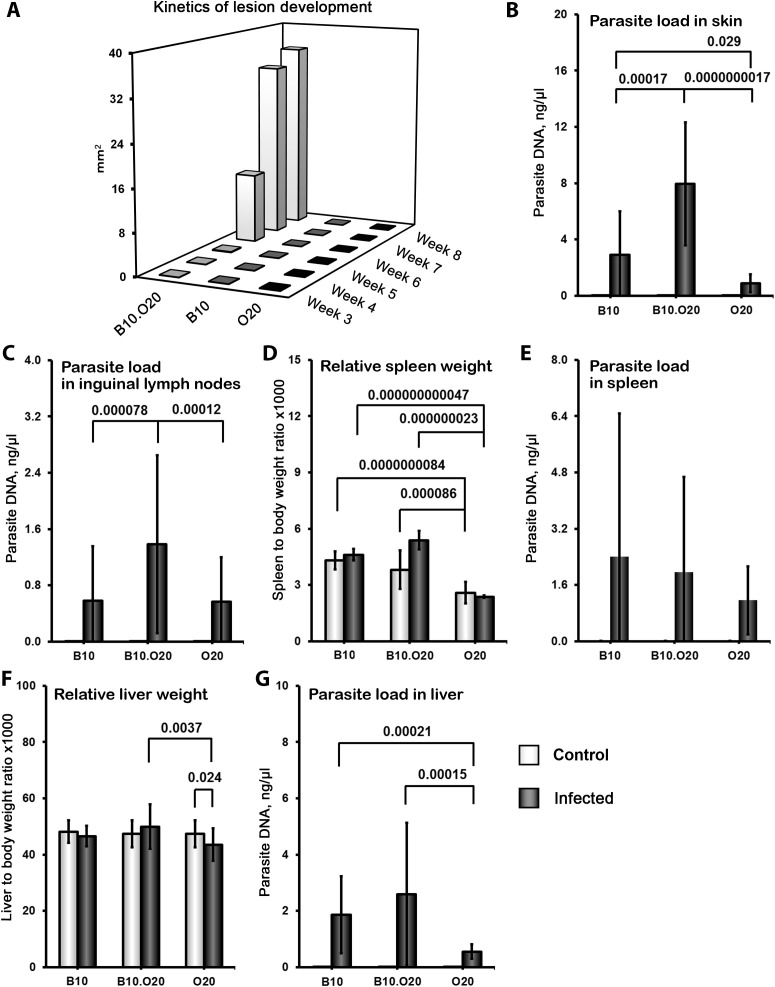 Figure 2
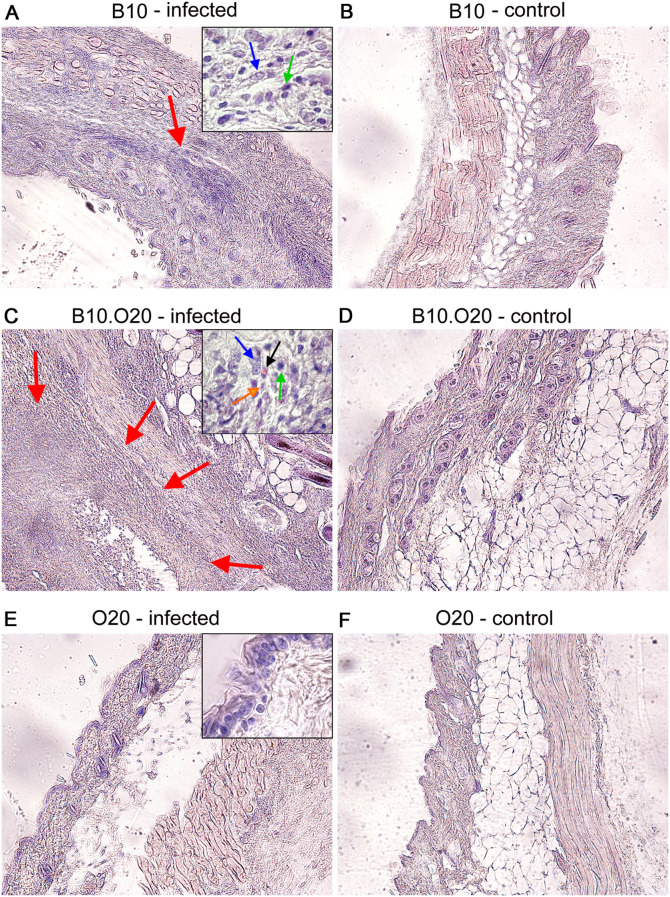 Figure 3
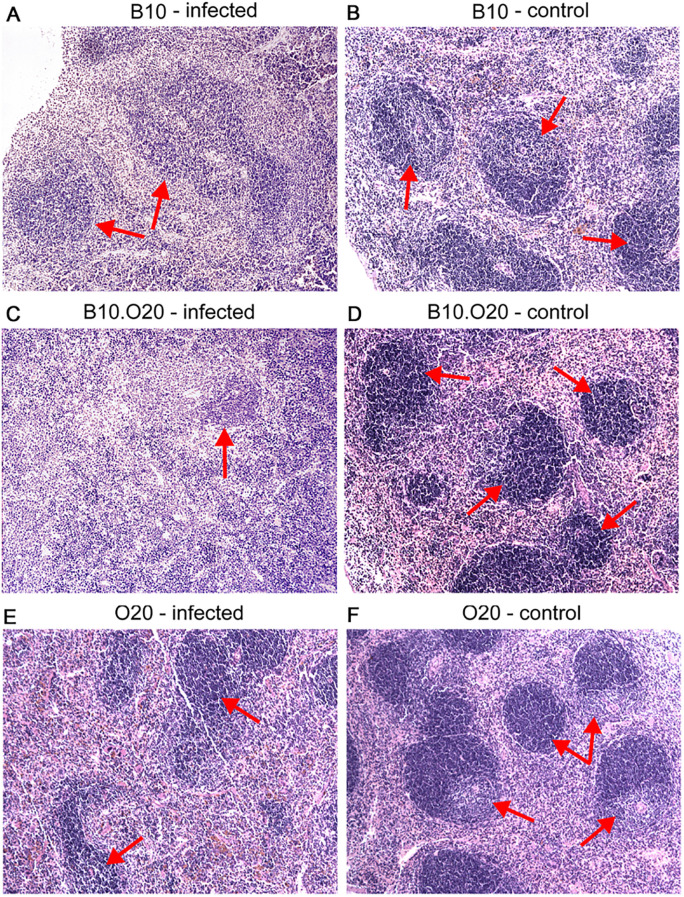 Figure 4
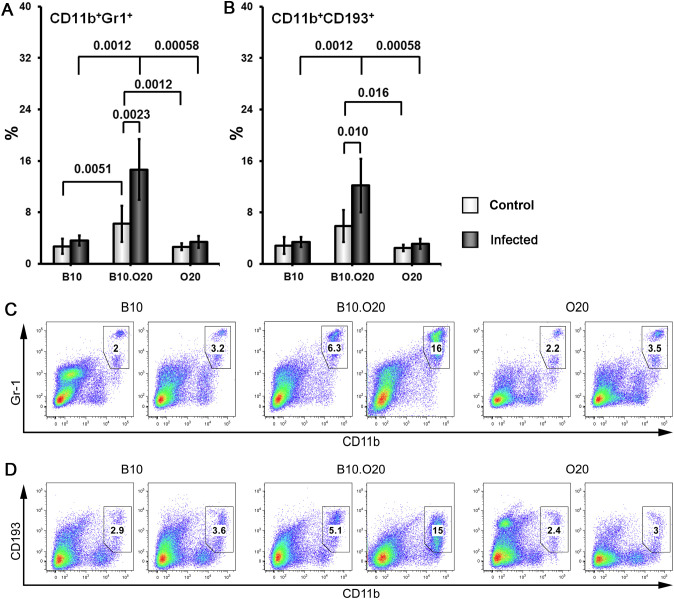 Figure 5
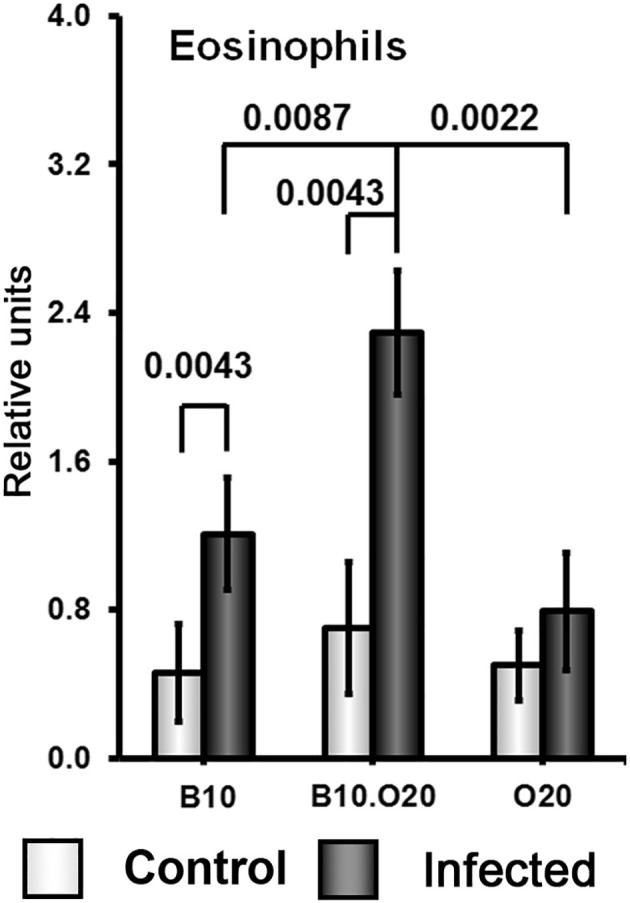 Figure 6
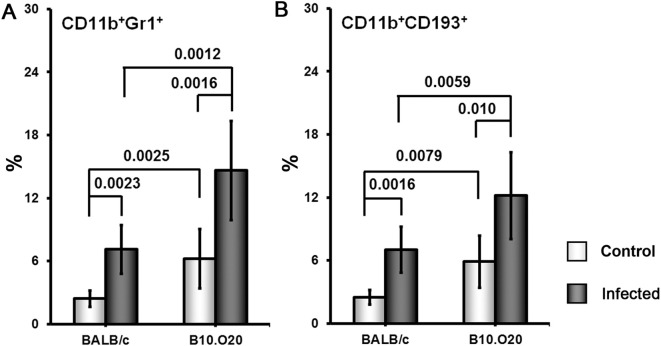 Figure 7
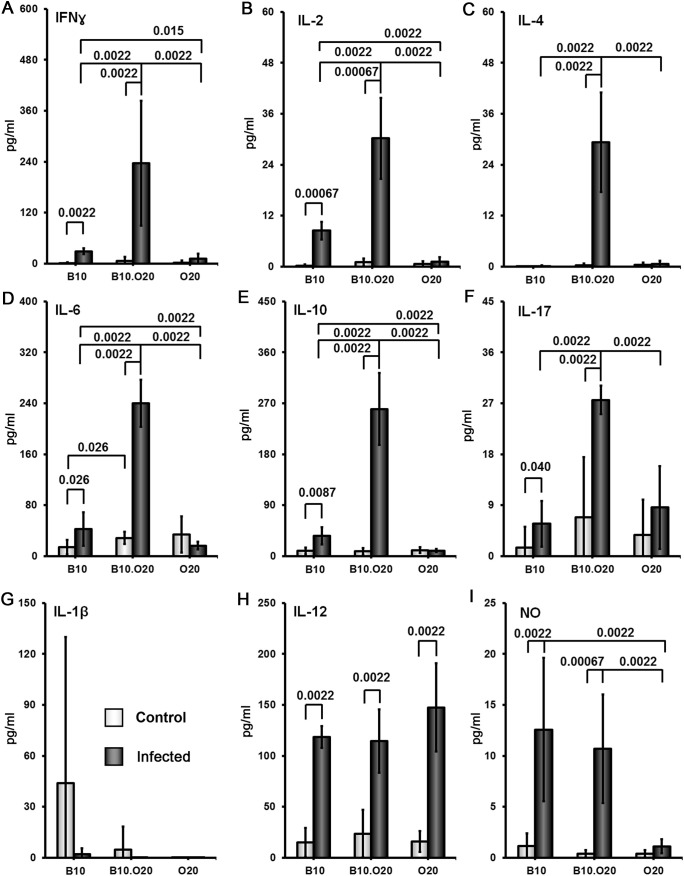 Figure 8
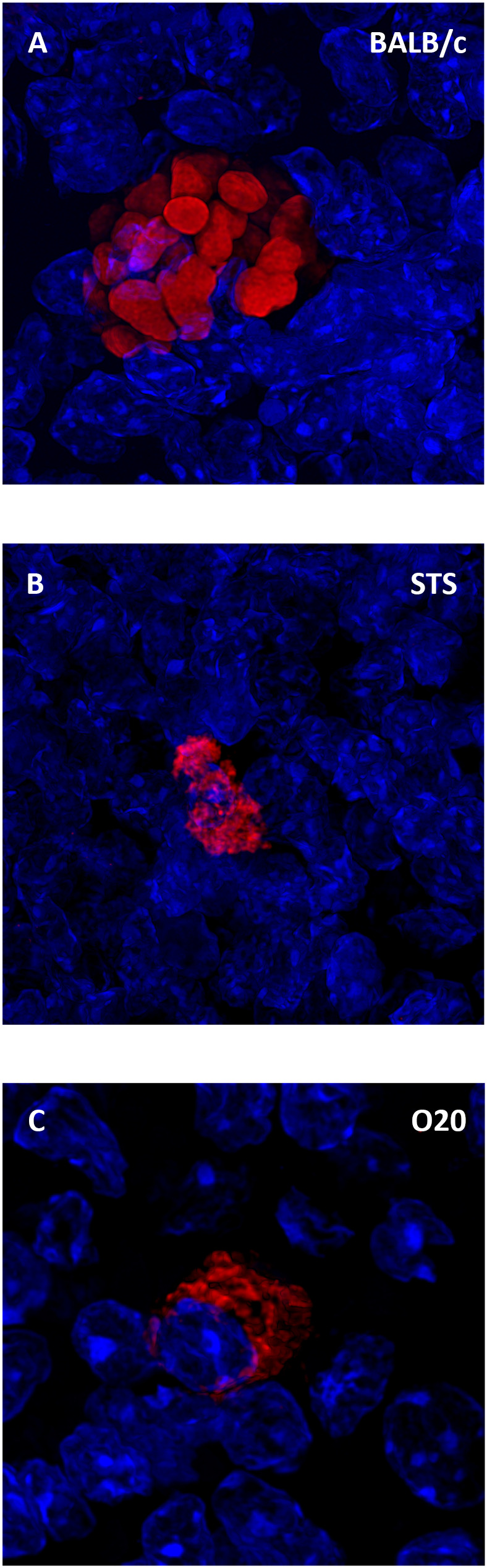 Figure 9
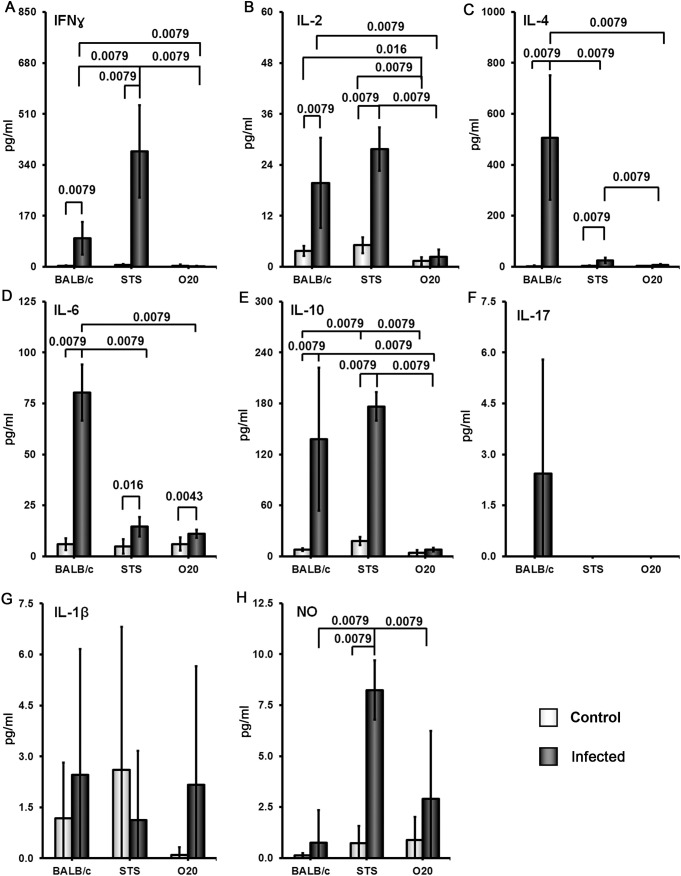 Figure 10
Peer Reviews
No public reviews on file for this paper yet. If you reviewed it on a platform where reviews are public (OpenReview, ICLR, NeurIPS, ICML), you can paste yours below so the community can read it here.
Videos
No videos yet. Explain this paper in a talk, walkthrough, or lecture? Add one.
Taxonomy
TopicsResearch on Leishmaniasis Studies · Trypanosoma species research and implications