Investigation on antigen-specific T-cell responses induced by outer membrane vesicles from Escherichia coli Δ60 strain
Michele Tomasi, Lorenzo Croia, Ilaria Zanella, Assunta Gagliardi, Giulia Boscato Sopetto, Mattia Benedet, Gabriele Di Lascio, Gaia Gambini, Alvise Berti, Riccardo Corbellari, Guido Grandi, Alberto Grandi

TL;DR
This study explores how outer membrane vesicles from a modified E. coli strain can stimulate T-cell responses, offering insights for vaccine development.
Contribution
The study reveals how OMV-associated MHC epitopes influence CD4+ and CD8+ T-cell responses, guiding optimal antigen delivery for vaccines.
Findings
OMV immunization induces detectable IFN-γ+ CD4+ T cells when MHC II epitopes are >10% of OMV proteins.
CD8+ T-cell responses are elevated even with low MHC I epitope concentrations due to CD4+ T-cell cross-help.
Synthetic peptide mixing achieves high epitope concentrations, but genetic manipulation does not.
Abstract
There is a growing interest in the exploitation of bacterial outer membrane vesicles (OMVs) for the design of vaccines and novel antitumor immunotherapeutic products. Such interest is motivated by their potent immunostimulatory properties, which promote elevated immune responses against heterologous antigens combined with OMVs by genetic engineering, chemical coupling, or absorption. However, for a full exploitation of OMVs, a few questions remain to be fully addressed: what is the appropriate ratio of OMVs/heterologous antigen needed to obtain an optimal antigen-specific immune response? To what extent do OMV endogenous proteins interfere with or favor antigen-specific immunity? Using OMVs derived from our Escherichia coli Δ60 (E. coli Δ60) strain, we recently addressed these questions, focusing on the humoral immune responses, and we determined the concentrations of the OMV-associated…
Genes, proteins, chemicals, diseases, species, mutations and cell lines named across the full text — each resolved to its canonical identifier and authoritative record.
Click any figure to enlarge with its caption.
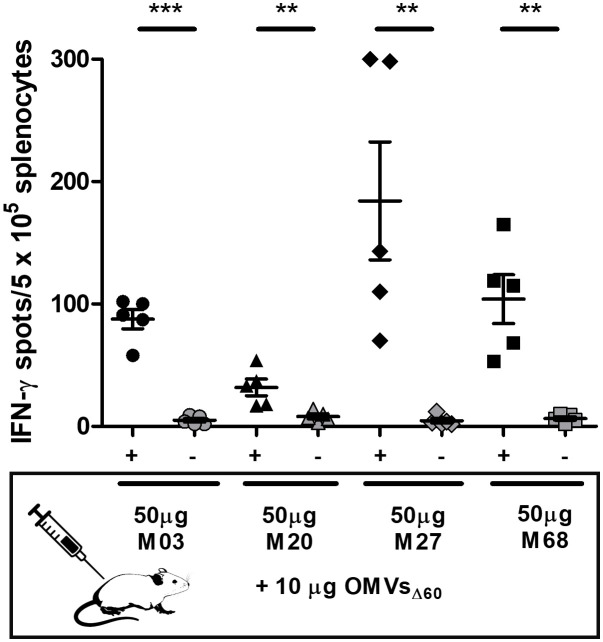 Figure 1
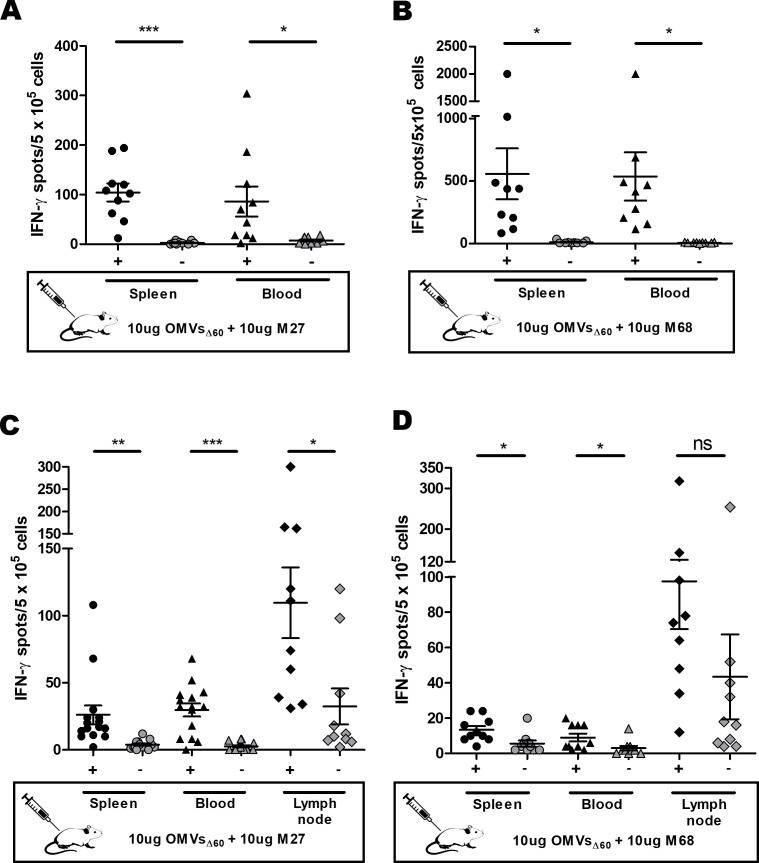 Figure 2
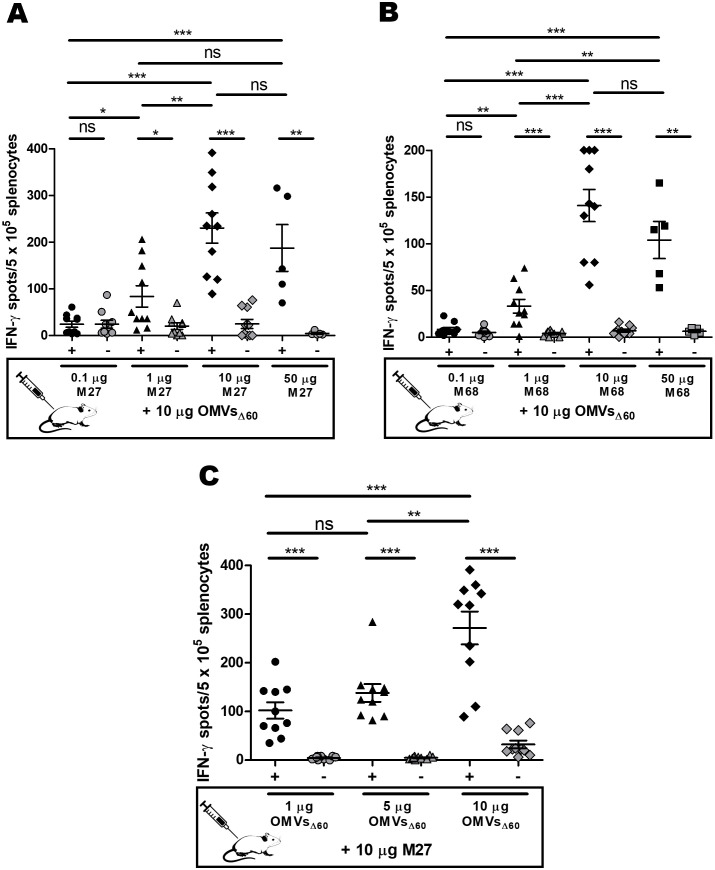 Figure 3
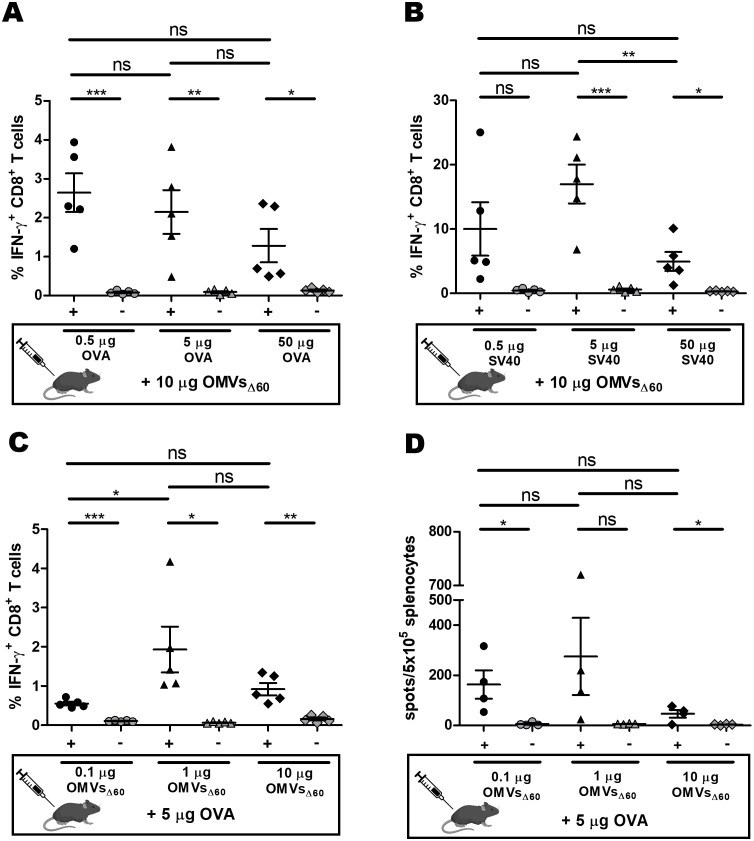 Figure 4
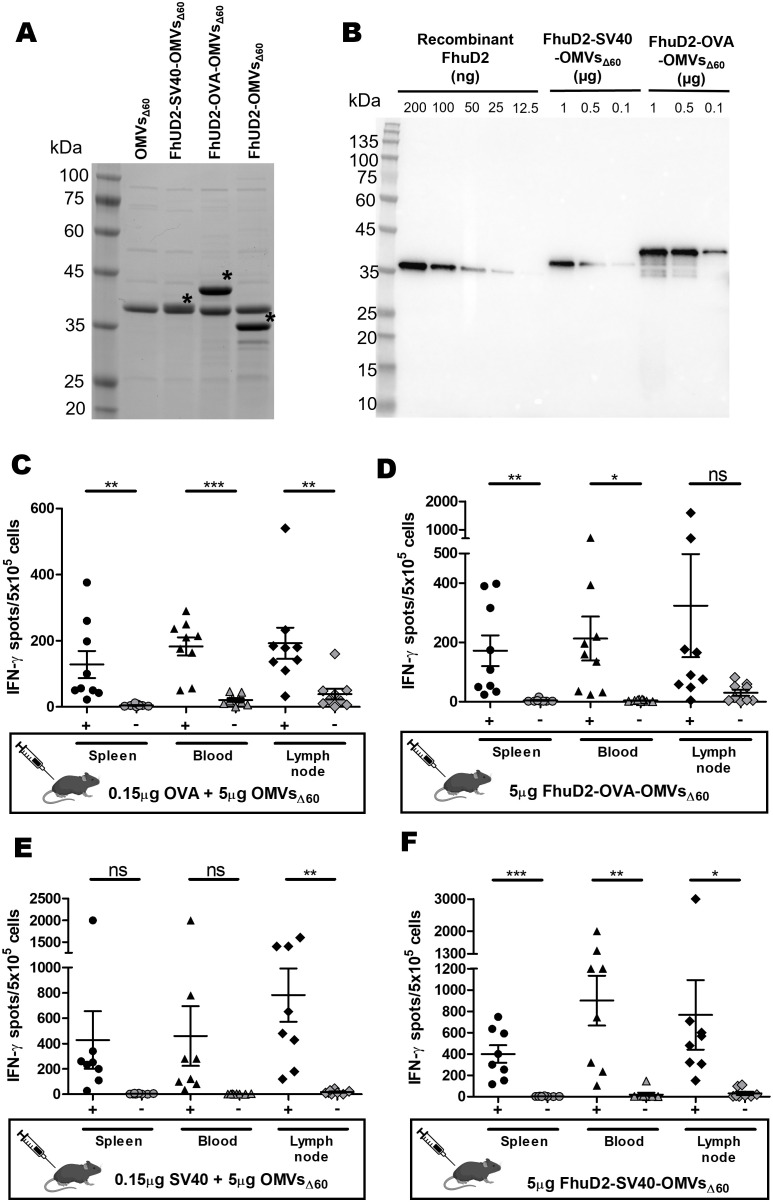 Figure 5
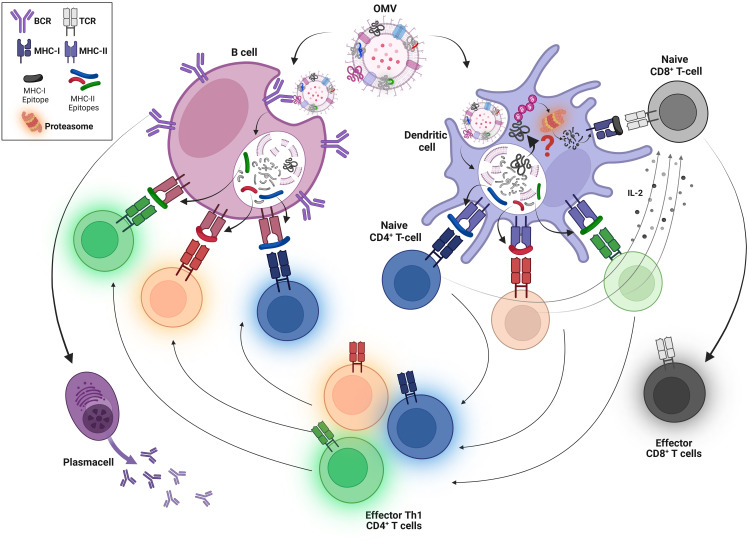 Figure 6
Peer Reviews
No public reviews on file for this paper yet. If you reviewed it on a platform where reviews are public (OpenReview, ICLR, NeurIPS, ICML), you can paste yours below so the community can read it here.
Videos
No videos yet. Explain this paper in a talk, walkthrough, or lecture? Add one.
Taxonomy
TopicsBacterial Infections and Vaccines · Cytomegalovirus and herpesvirus research · Complement system in diseases