Radiomics model based on coronary CT angiography for predicting major adverse cardiovascular events in patients with coronary artery disease: comparison of lesion-specific pericoronary adipose tissue model and pericoronary adipose tissue model
Ziguang Huang, Jianing Chen, Huan Ding, Haoyan Pan, Zhaoyuan Xing, Lijuan Zhao, Jing Wen, Zhe Zhang, Baoying Zhao, Xu Dai

TL;DR
This study compares two models using coronary CT scans to predict heart risks in patients with artery disease, finding that a lesion-specific model performs better when combined with clinical data.
Contribution
The study introduces a lesion-specific pericoronary adipose tissue radiomics model that outperforms RCA-based models and improves when combined with clinical features.
Findings
The lesion-specific PCAT model (LS-model) achieved higher AUC values (0.821 and 0.838) compared to the RCA-model (0.789 and 0.788).
The Cli-LS model, combining clinical features and lesion-specific PCAT, achieved the highest AUCs (0.873 and 0.877).
Calibration and decision curve analyses confirmed the superior performance and clinical benefit of the combined models.
Abstract
To assess the performance of a lesion-specific pericoronary adipose tissue (PCAT) radiomics model in comparison to a right coronary artery (RCA) PCAT model in predicting major adverse cardiovascular events (MACE) over a three-year period in patients diagnosed with coronary artery disease (CAD). Additionally, the study aims to evaluate the incremental predictive value of combined models integrating clinical features. This study conducted a retrospective analysis involving 242 patients with coronary artery disease who underwent coronary CT angiography (CCTA) with MACE occurring in 121 cases. The right coronary artery and lesion-specific PCAT were segmented using the Peri-coronary Adipose Tissue Analysis Tool software (Shukun Technology Co., Ltd.), and 93 radiographic features were extracted, and the features were screened by Pearson correlation coefficients and Lasso regression after the…
Genes, proteins, chemicals, diseases, species, mutations and cell lines named across the full text — each resolved to its canonical identifier and authoritative record.
Click any figure to enlarge with its caption.
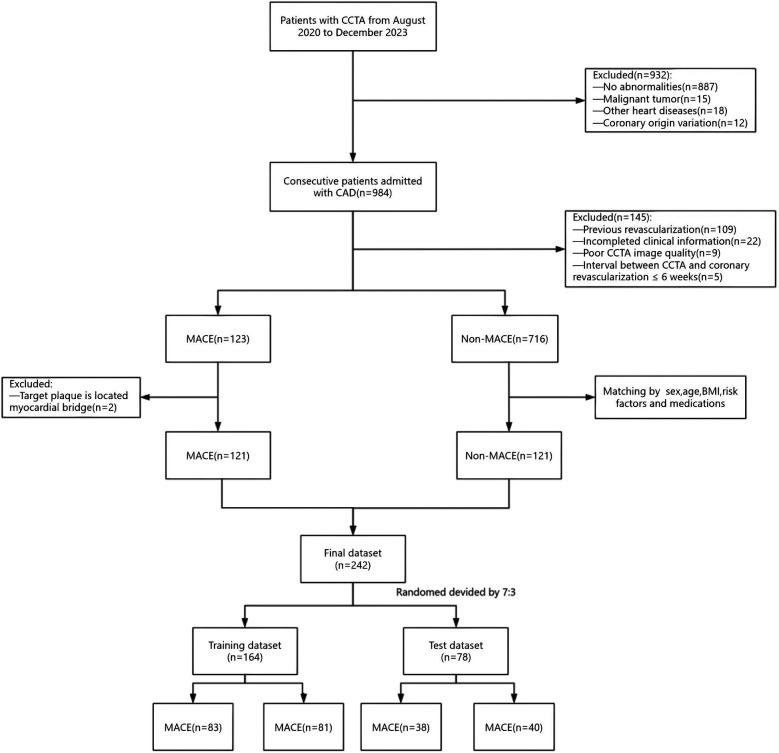 Figure 1
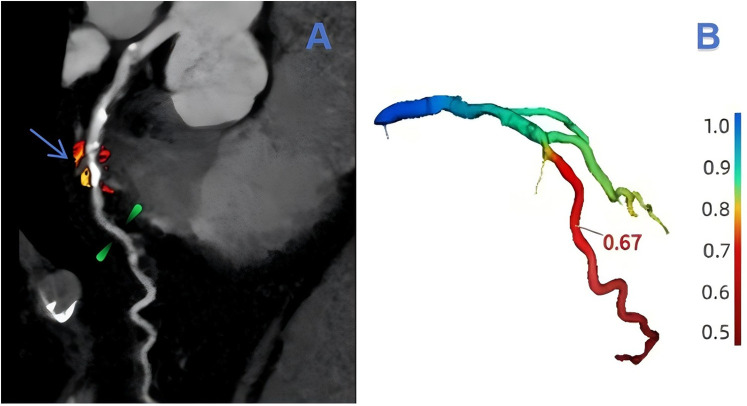 Figure 2
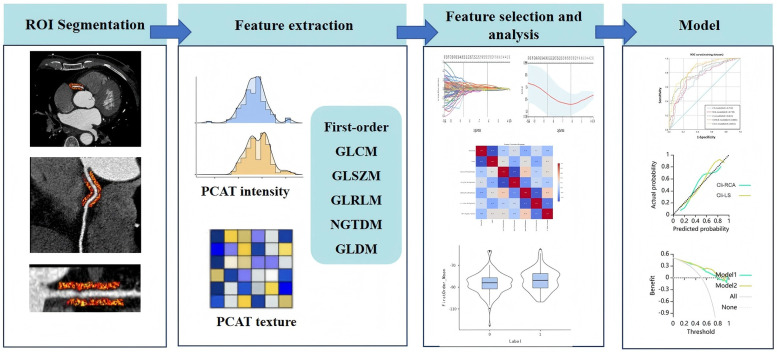 Figure 3
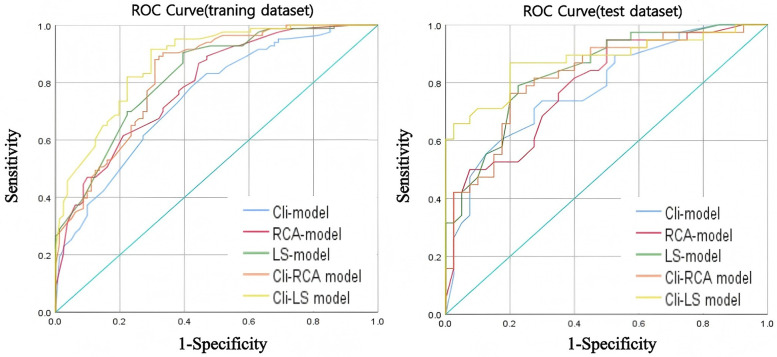 Figure 4
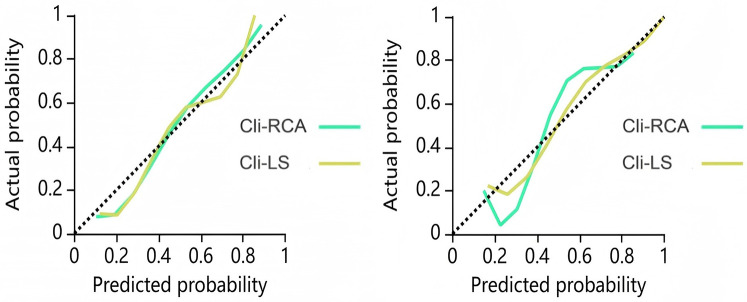 Figure 5
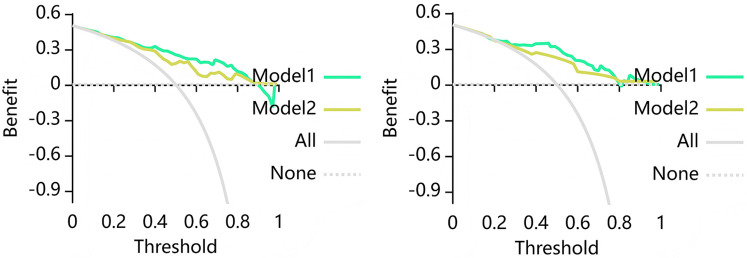 Figure 6
Peer Reviews
No public reviews on file for this paper yet. If you reviewed it on a platform where reviews are public (OpenReview, ICLR, NeurIPS, ICML), you can paste yours below so the community can read it here.
Videos
No videos yet. Explain this paper in a talk, walkthrough, or lecture? Add one.
Taxonomy
TopicsCardiovascular Disease and Adiposity · Cardiac Imaging and Diagnostics · Cardiovascular, Neuropeptides, and Oxidative Stress Research