How can “small childcare” support “great happiness”? A study on inclusive childcare services for infants and toddlers aged 0–3 in Guangxi through the lens of the capability approach
Zhoupeng Chen, Junzhu Liu, Chunhui Li, Qing Kang, Yi Tang

TL;DR
This study explores how childcare services in Guangxi can better support families and improve happiness through more equitable and effective policies.
Contribution
The paper introduces a capability-based analysis of childcare policy challenges and proposes targeted solutions for improving childcare access and quality.
Findings
Current childcare policies in Guangxi have partially improved family capabilities but face issues like uneven resource allocation.
Institutional service capacity and collaborative governance mechanisms are insufficient to fully realize policy goals.
Proposed solutions include financial subsidies, diversified childcare options, and stronger governance systems.
Abstract
Under the “three-child” policy, the importance of childcare for infants and toddlers aged 0–3 has been emphasized. However, the implementation of universal childcare policies still faces problems such as supply–demand mismatches, uneven resource distribution, and insufficient supervision, which constrain families’ childcare capabilities. Drawing on Amartya Sen’s capability approach and taking Guangxi as the research area, this study analyses the dilemmas and challenges in the implementation of universal childcare policies, explores their impact on families’ economic, social, and informational capabilities, and proposes corresponding optimisation paths. The current implementation of universal childcare in Guangxi was systematically examined through a mixed-methods approach, combining questionnaire surveys with in-depth interviews. The results show that the policy has improved…
Genes, proteins, chemicals, diseases, species, mutations and cell lines named across the full text — each resolved to its canonical identifier and authoritative record.
Click any figure to enlarge with its caption.
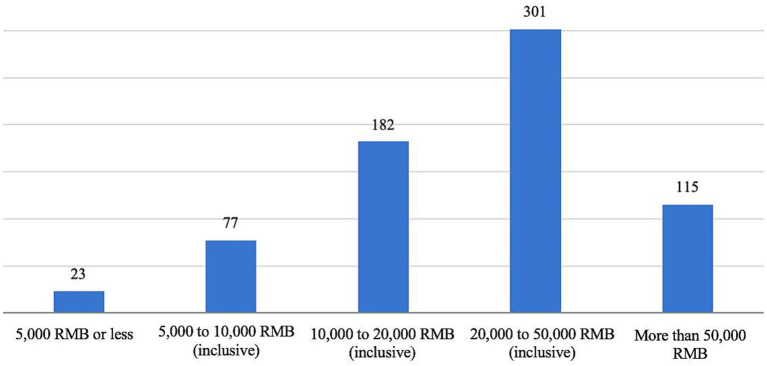 Figure 1
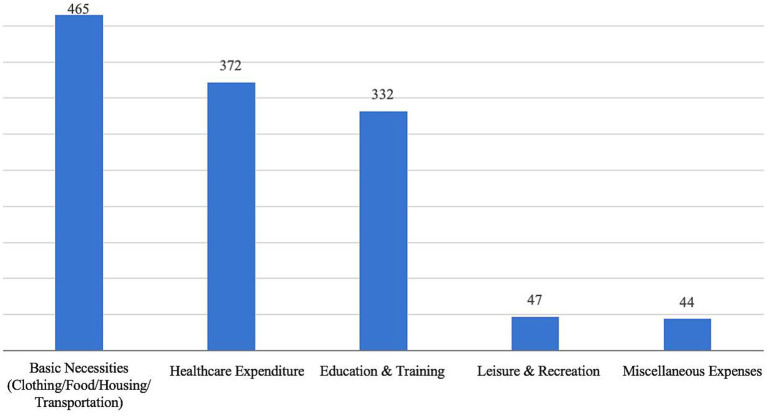 Figure 2
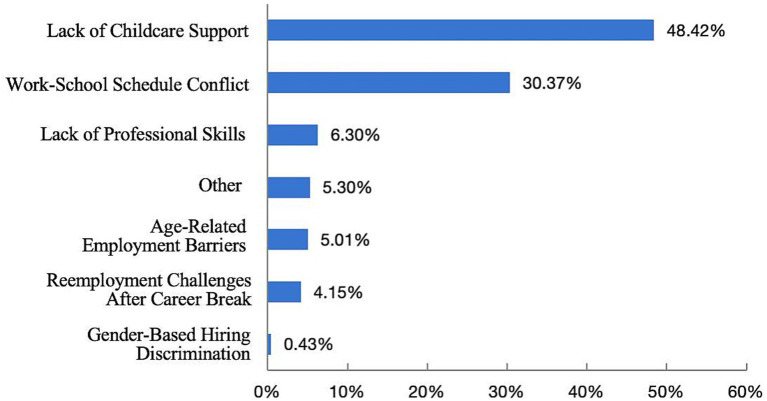 Figure 3
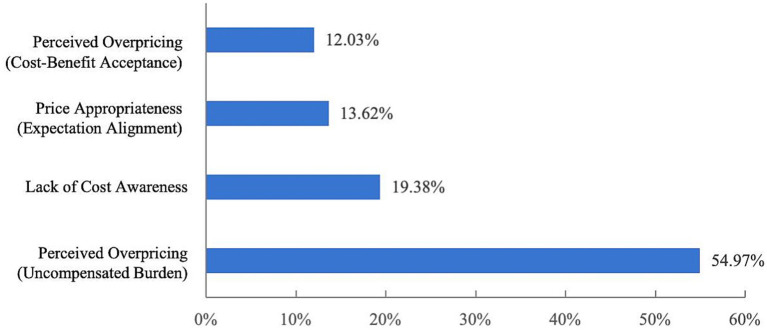 Figure 4
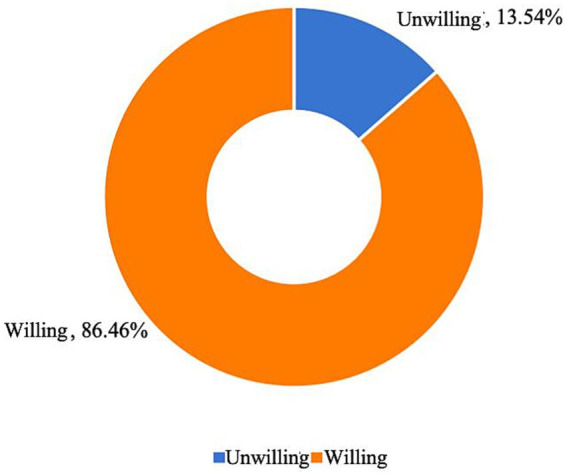 Figure 5
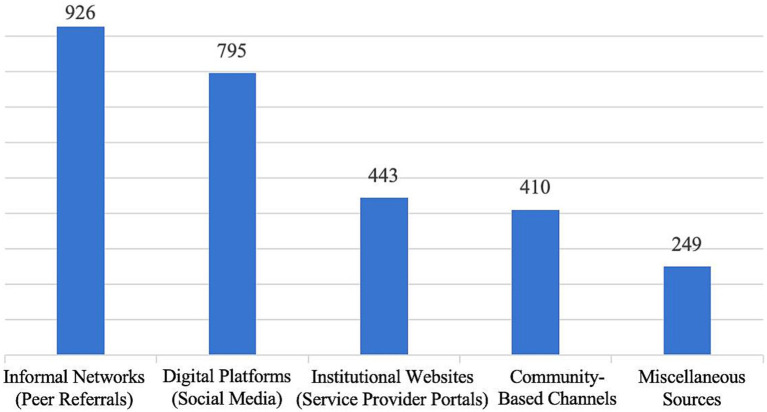 Figure 6
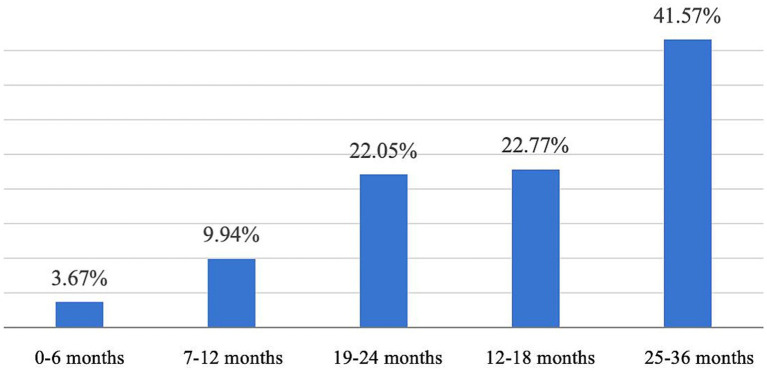 Figure 7
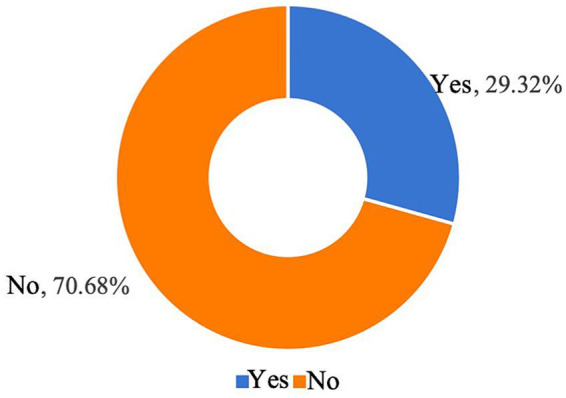 Figure 8
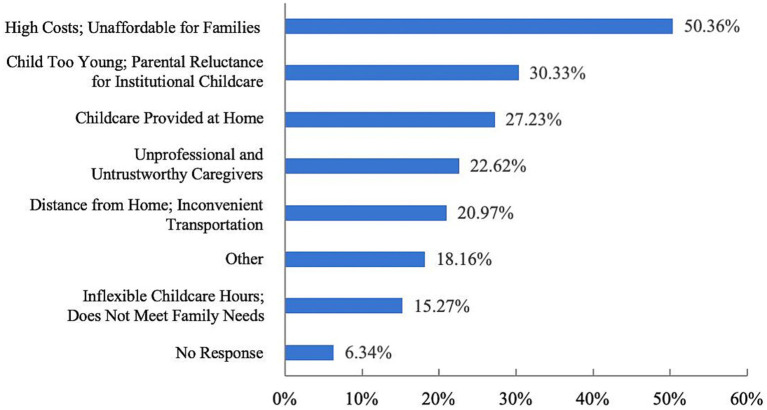 Figure 9
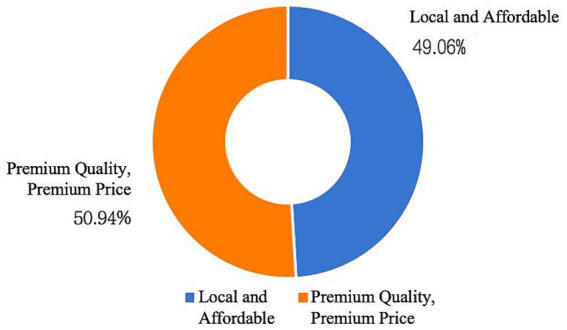 Figure 10
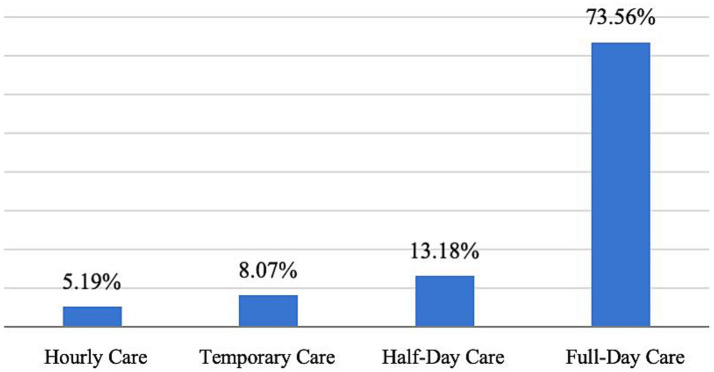 Figure 11
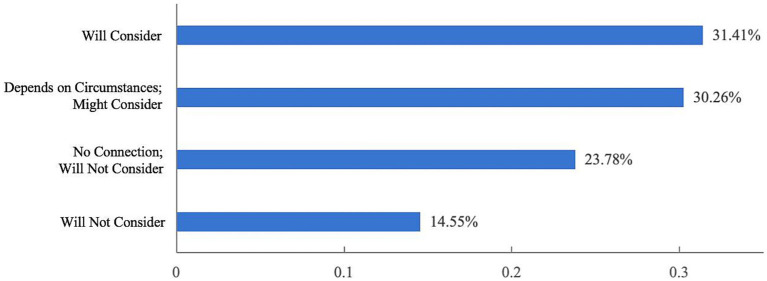 Figure 12
 Figure 13
 Figure 14
Peer Reviews
No public reviews on file for this paper yet. If you reviewed it on a platform where reviews are public (OpenReview, ICLR, NeurIPS, ICML), you can paste yours below so the community can read it here.
Videos
No videos yet. Explain this paper in a talk, walkthrough, or lecture? Add one.
Taxonomy
TopicsIntergenerational Family Dynamics and Caregiving · Family and Disability Support Research