Inflammation-related biomarkers and berberine therapy in post-stroke depression: evidence from bioinformatics, machine learning, and experimental validation
Wei Liu, Ruheng Wei, Jingya Xu, Zhilong Liu, Yulai Li

TL;DR
This study identifies key inflammation-related genes in post-stroke depression and shows that berberine, a traditional Chinese medicine compound, can reduce inflammation and improve symptoms.
Contribution
The study combines bioinformatics, machine learning, and experimental validation to identify TLR2 and CYP1B1 as key targets for berberine in treating post-stroke depression.
Findings
Berberine reduces pro-inflammatory markers IL-1β, IL-6, and TNF-α in post-stroke depression.
TLR2 and CYP1B1 are core inflammation-related genes linked to post-stroke depression.
Berberine treatment reverses behavioral and pathological changes in a rat model of post-stroke depression.
Abstract
Post-stroke depression (PSD), a common neuropsychiatric complication, significantly hinders stroke recovery and quality of life. Given the established role of inflammation in the pathogenesis of PSD, this study aimed to identify key inflammation-related genes and pathways using bioinformatics and machine learning and further evaluate the protective effects of traditional Chinese medicine (TCM) monomer compounds. PSD-related datasets (GSE16561, GSE98793) were obtained from the Gene Expression Omnibus (GEO). Differentially expressed genes (DEGs) were identified using the limma package, followed by functional enrichment analysis with Gene Ontology (GO) and Kyoto Encyclopedia of Genes and Genomes (KEGG). Three machine learning algorithms—random forest, support vector machine-recursive feature elimination (SVM-RFE), and least absolute shrinkage and selection operator (LASSO)—were applied to…
Genes, proteins, chemicals, diseases, species, mutations and cell lines named across the full text — each resolved to its canonical identifier and authoritative record.
Click any figure to enlarge with its caption.
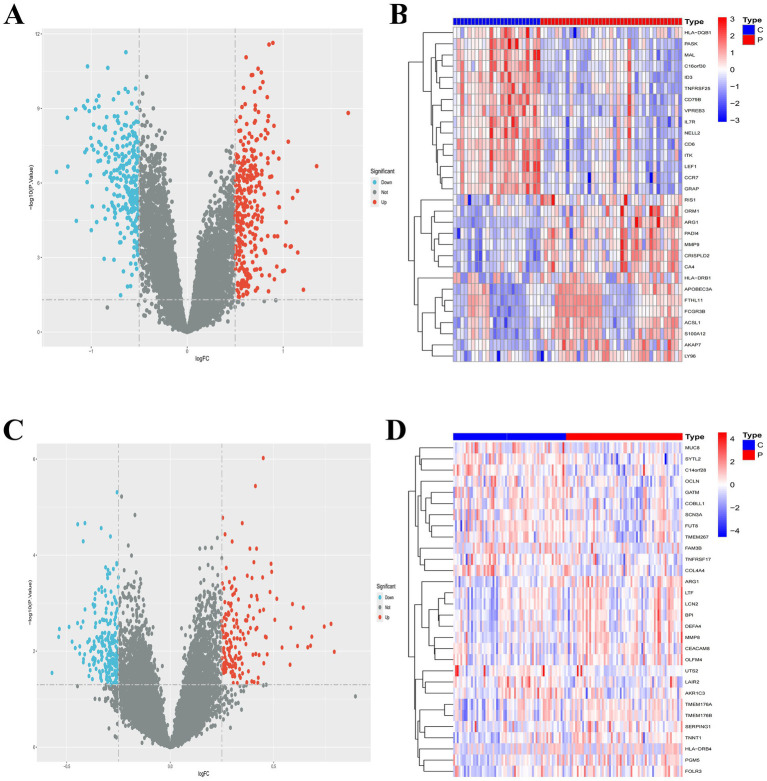 Figure 1
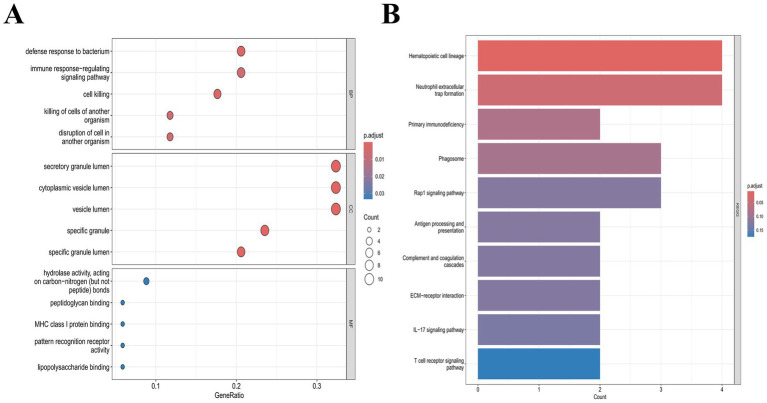 Figure 2
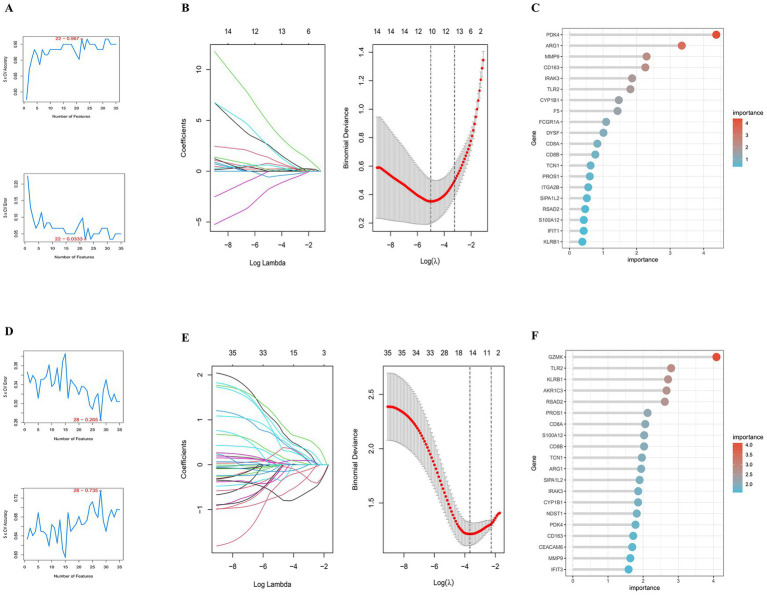 Figure 3
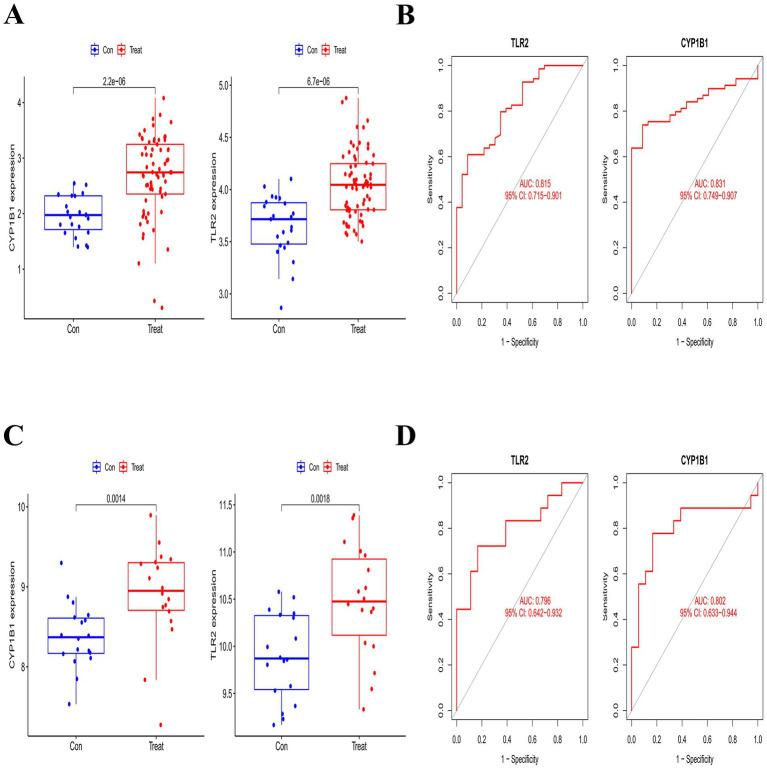 Figure 4
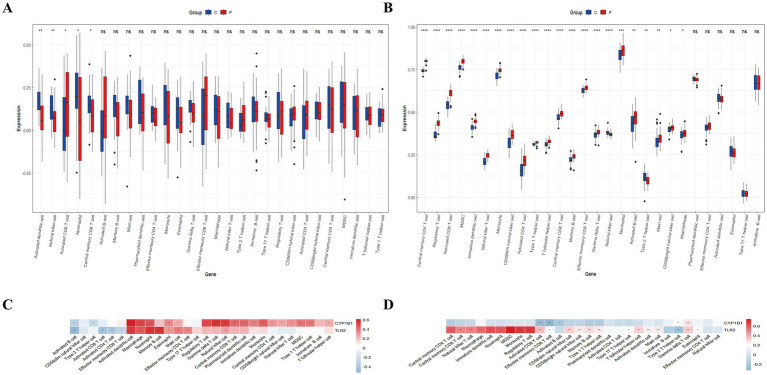 Figure 5
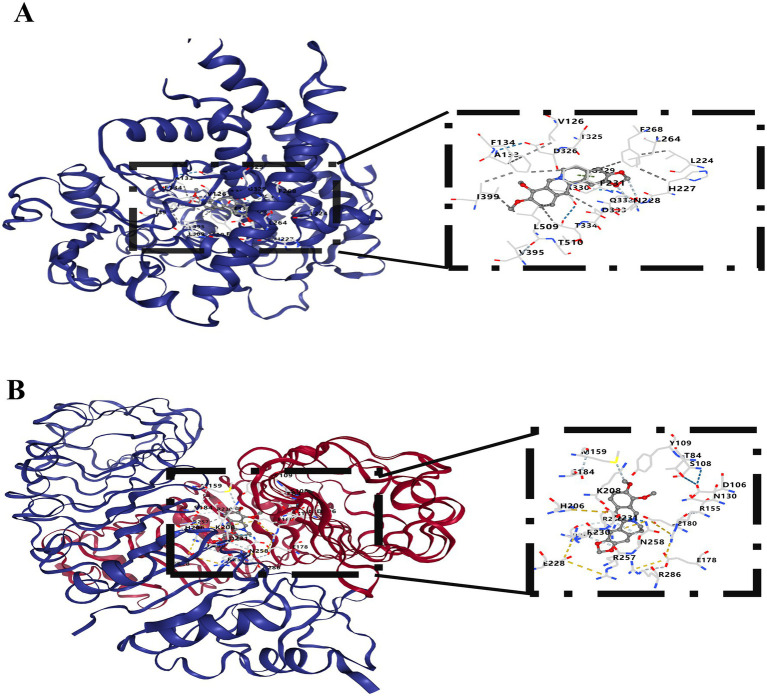 Figure 6
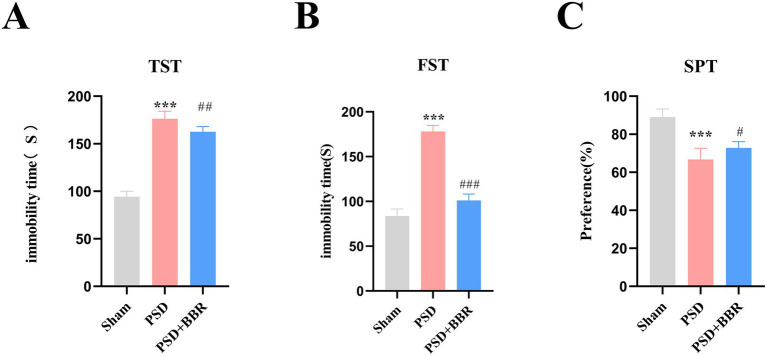 Figure 7
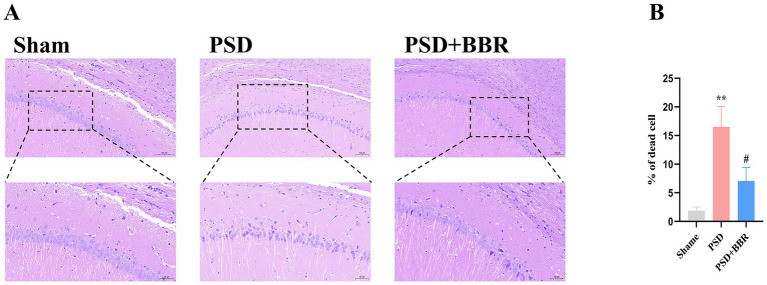 Figure 8
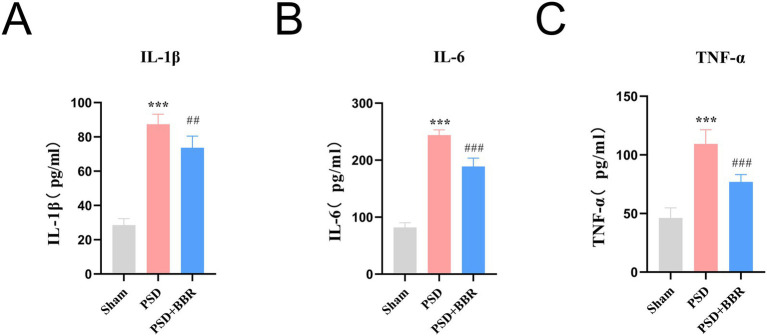 Figure 9
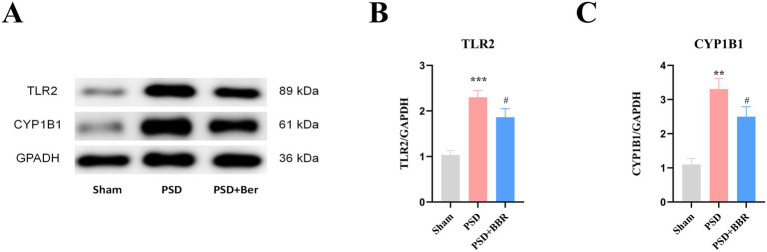 Figure 10
Peer Reviews
No public reviews on file for this paper yet. If you reviewed it on a platform where reviews are public (OpenReview, ICLR, NeurIPS, ICML), you can paste yours below so the community can read it here.
Videos
No videos yet. Explain this paper in a talk, walkthrough, or lecture? Add one.
Taxonomy
TopicsBerberine and alkaloids research · Alkaloids: synthesis and pharmacology · Machine Learning in Healthcare