Anti-neoplastic effects of the antipsychotic drug penfluridol in preclinical prostate cancer models
Arjanneke F. van de Merbel, Maaike H. van der Mark, Tilly Aalders, Martin Puhr, Niven Mehra, Jack Schalken, Geertje van der Horst, Gabri van der Pluijm

TL;DR
Penfluridol, an antipsychotic drug, shows anti-cancer effects in prostate cancer models, including reducing cancer cell viability and inducing cell death.
Contribution
Penfluridol's anti-tumor effects in prostate cancer, including synergy with docetaxel in resistant cells, are newly demonstrated.
Findings
Penfluridol reduced viability of human prostate cancer cells and induced apoptosis.
It decreased prostate cancer stem cells and showed effects in 3D and ex vivo models.
Penfluridol synergized with docetaxel in docetaxel-resistant prostate cancer cells.
Abstract
The development of therapy resistance and the formation of distant metastases represent clinical unmet needs for patients with advanced prostate cancer (PCa). The use of drugs for other indications, i.e. drug repurposing, shows great promise for cancer treatment. Drug repurposing could allow new cancer treatments to be introduced relatively quickly and at lower costs. Penfluridol, an approved antipsychotic drug, has strong cytolytic effects in multiple cancers. In this study, we have investigated the potential anti-tumor effects of penfluridol in preclinical and ‘near-patient’ PCa models. Penfluridol significantly reduced the viability of a panel of human PCa cells, induced apoptosis by increasing caspase-3/7 levels and decreased the number of PCa stem cells in vitro. Penfluridol reduced the viability and induced cytotoxic effects in three-dimensional cultures and in ex vivo cultured…
Genes, proteins, chemicals, diseases, species, mutations and cell lines named across the full text — each resolved to its canonical identifier and authoritative record.
Click any figure to enlarge with its caption.
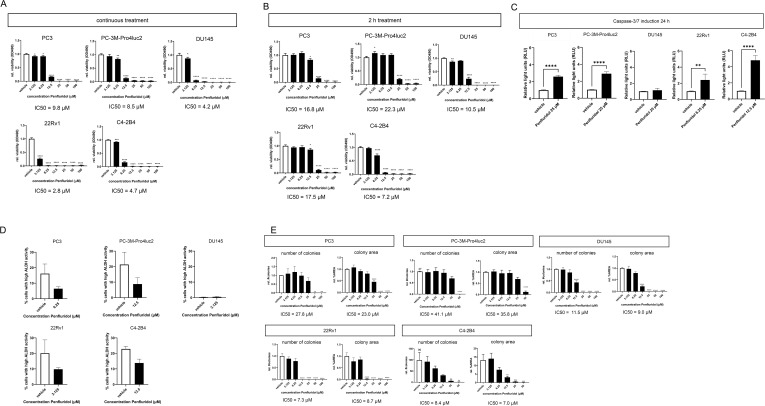 Figure 1
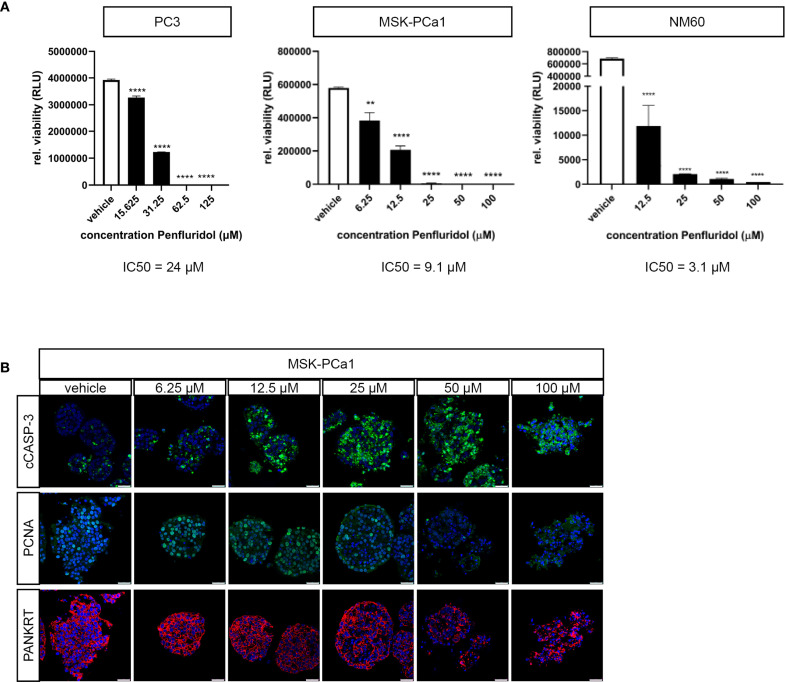 Figure 2
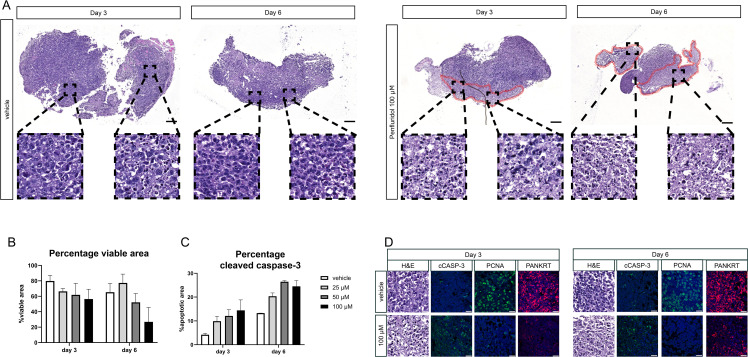 Figure 3
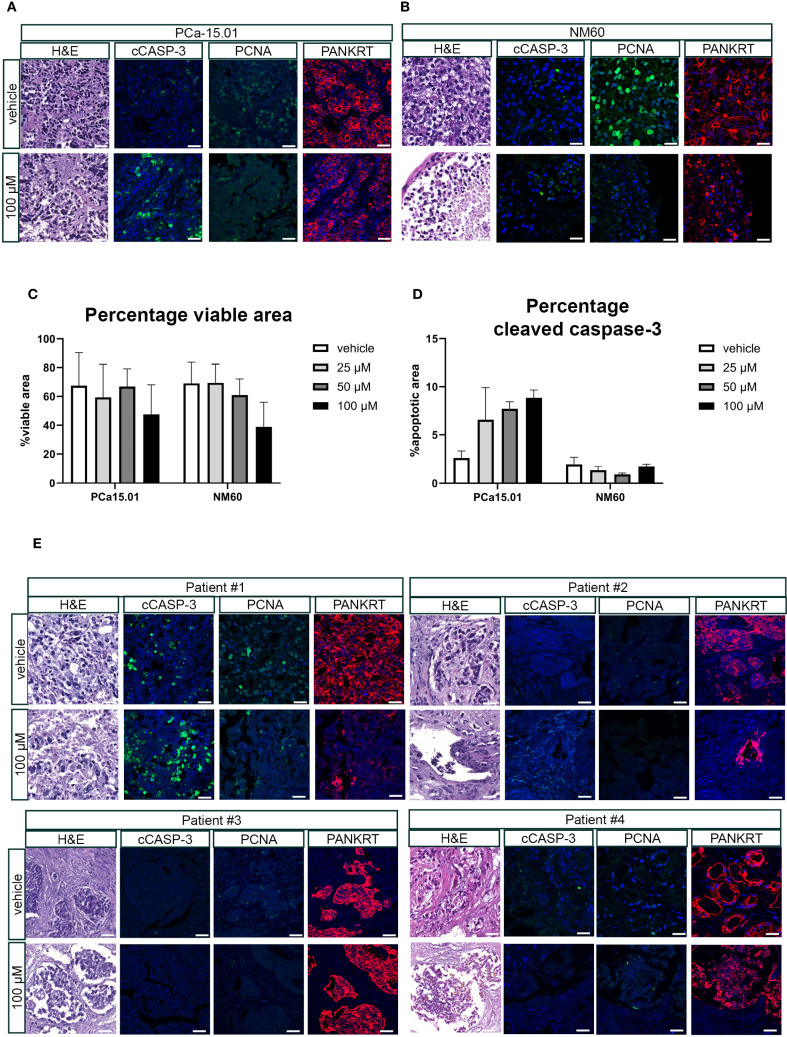 Figure 4
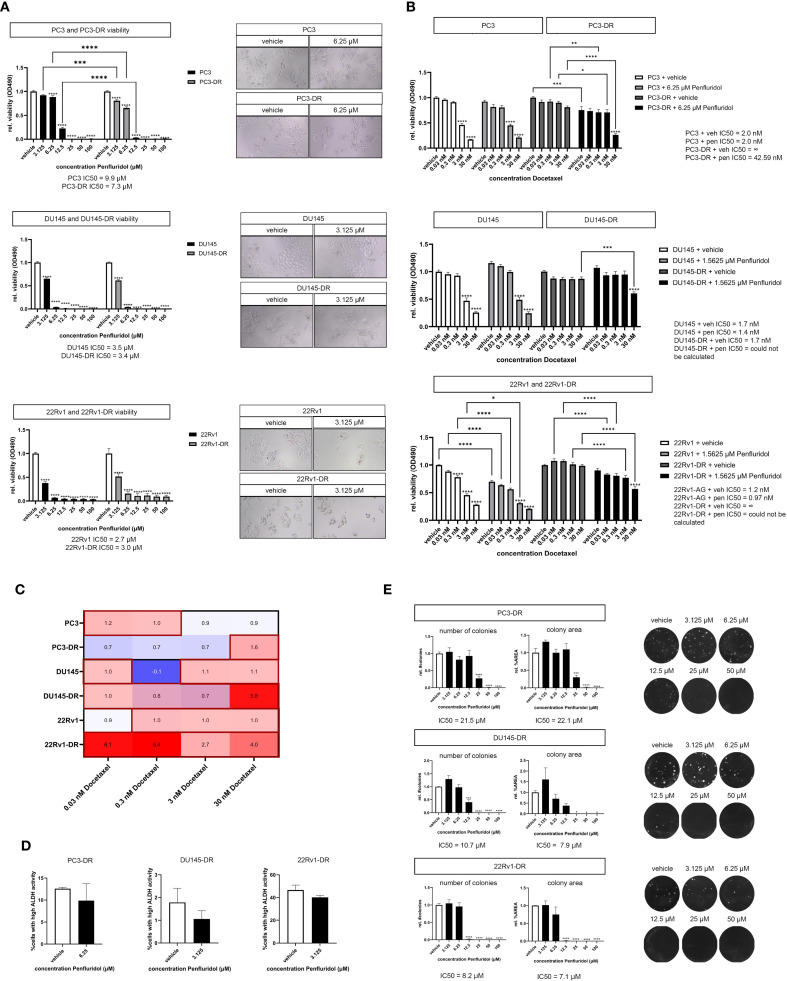 Figure 5
Peer Reviews
No public reviews on file for this paper yet. If you reviewed it on a platform where reviews are public (OpenReview, ICLR, NeurIPS, ICML), you can paste yours below so the community can read it here.
Videos
No videos yet. Explain this paper in a talk, walkthrough, or lecture? Add one.
Taxonomy
TopicsProstate Cancer Treatment and Research · Cancer-related Molecular Pathways · PARP inhibition in cancer therapy