Stable-isotope tracing reveals the role of corticosteroid receptors in driving cortisol-mediated central and peripheral glucose regulation in zebrafish
Femilarani Antomagesh, Mathilakath M. Vijayan

TL;DR
This study shows how cortisol affects glucose metabolism in zebrafish through two receptors, GR and MR, using isotope tracing to track glucose in the brain and liver.
Contribution
The study reveals distinct and complementary roles of GR and MR in cortisol-mediated glucose metabolism in zebrafish under chronic stress.
Findings
Chronic cortisol stimulation increases glucose breakdown and TCA cycle utilization for energy production.
GR and MR activation leads to tissue-specific effects on glucose utilization and TCA intermediates in the brain and liver.
GR and MR facilitate energy substrate partitioning and biomolecule synthesis during stress in zebrafish.
Abstract
Corticosteroids play a crucial role in the stress-induced metabolic adjustments, and this stress response is conserved across vertebrates. In teleosts, cortisol is the principal glucocorticoid and regulates metabolic processes predominantly through the activation of the glucocorticoid receptor (GR). In zebrafish (Danio rerio), we recently showed that both the GR and the mineralocorticoid receptor (MR) are essential for stressor perception and metabolic regulation, especially related to glucose production and target-tissue glucose uptake. Here, we tested the hypothesis that GR and MR have distinct roles in modulating the tissue-specific glucose metabolism in response to cortisol stimulation during stress in fish. This was tested using GR knockout (nr3c1−/− ) and either wild-type or MR knockout (nr3c2−/− ) zebrafish treated with cortisol to mimic a chronic stress condition. Stable…
Genes, proteins, chemicals, diseases, species, mutations and cell lines named across the full text — each resolved to its canonical identifier and authoritative record.
Click any figure to enlarge with its caption.
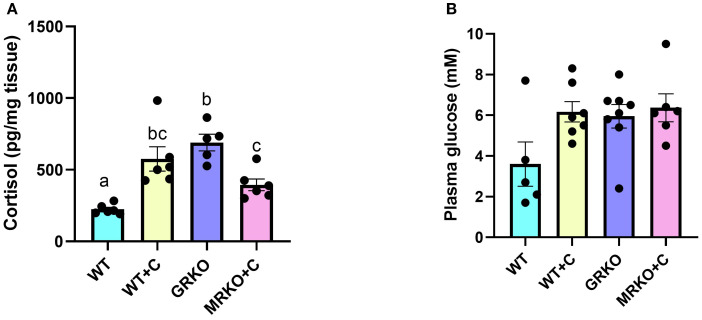 Figure 1
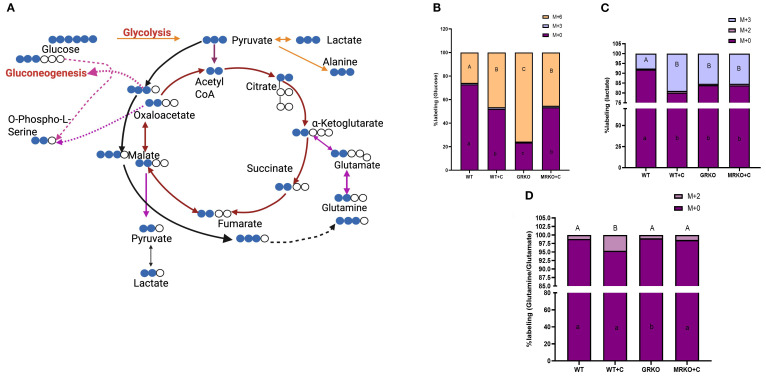 Figure 2
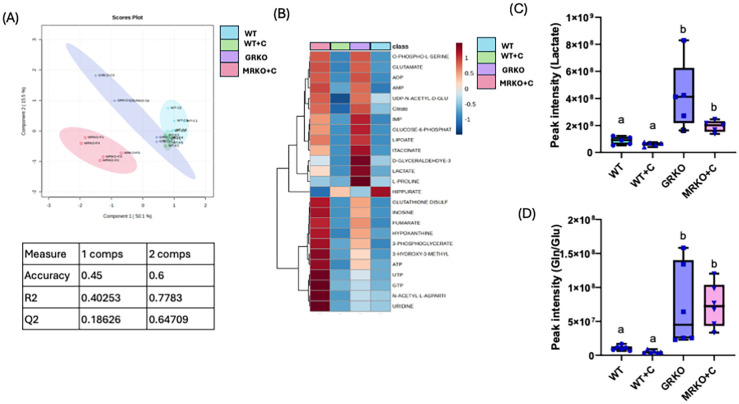 Figure 3
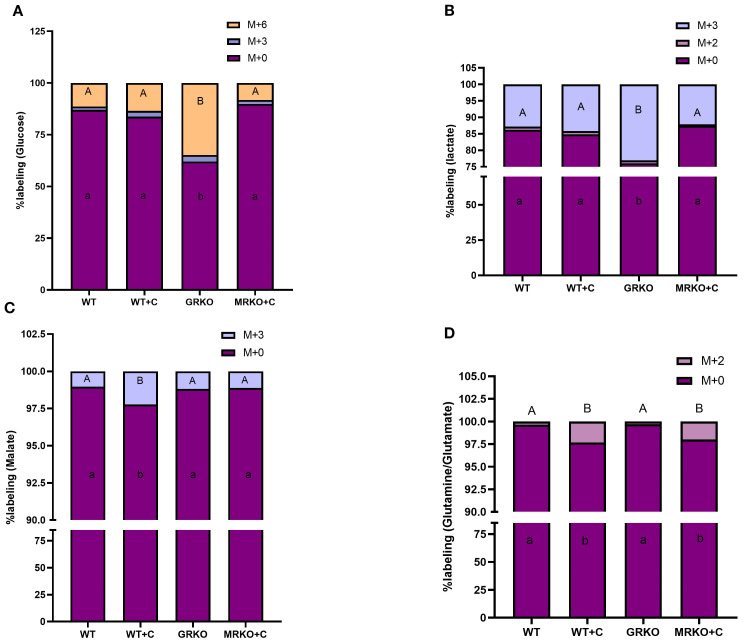 Figure 4
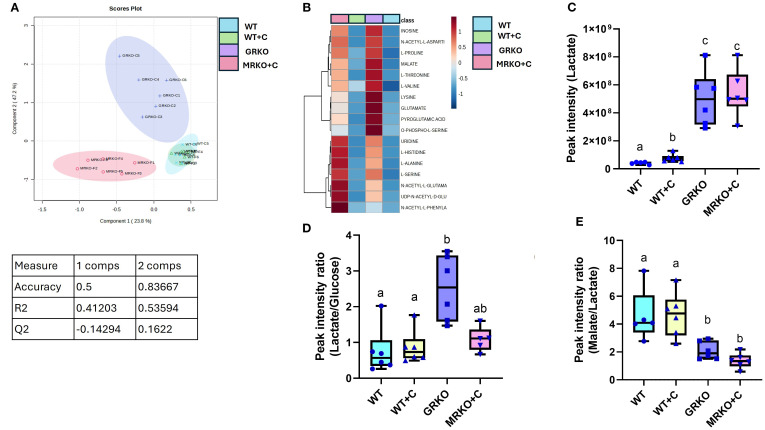 Figure 5
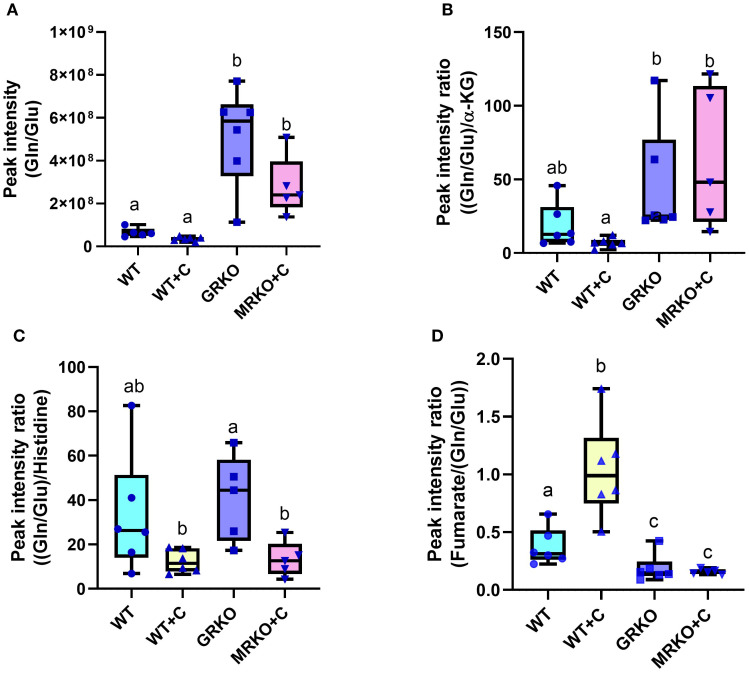 Figure 6
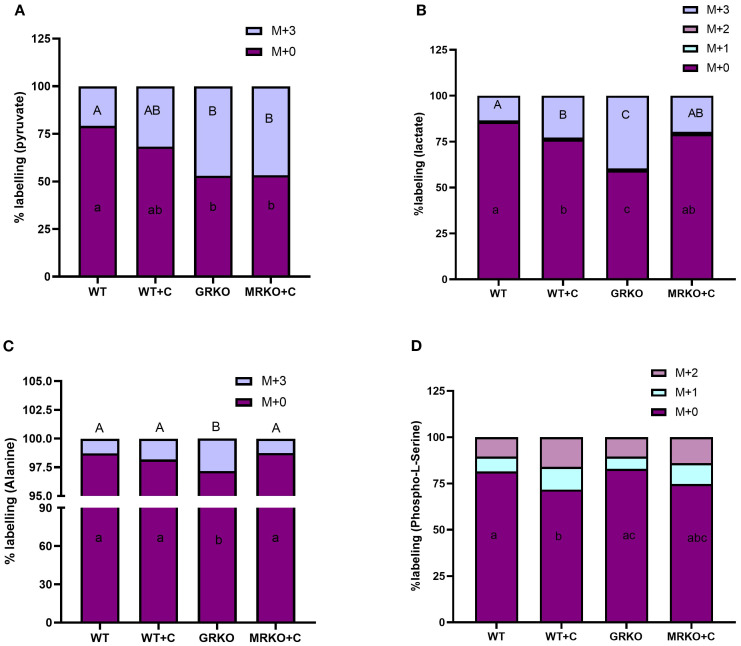 Figure 7
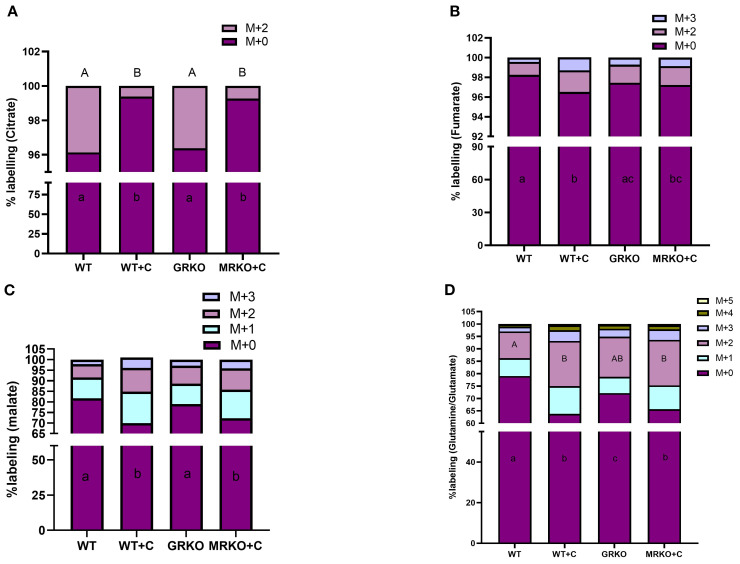 Figure 8
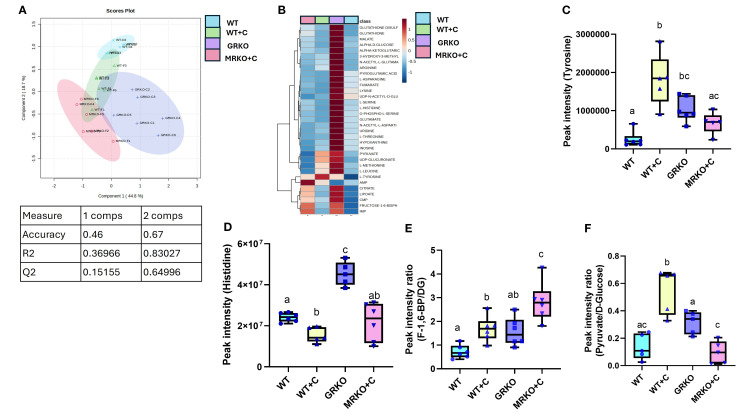 Figure 9
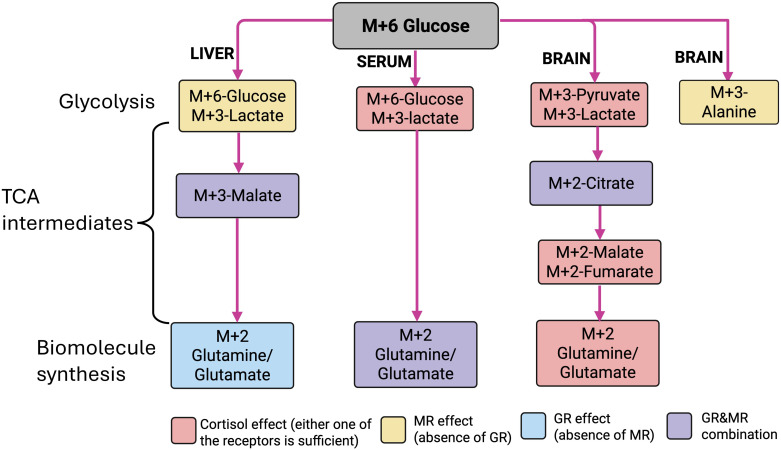 Figure 10
Peer Reviews
No public reviews on file for this paper yet. If you reviewed it on a platform where reviews are public (OpenReview, ICLR, NeurIPS, ICML), you can paste yours below so the community can read it here.
Videos
No videos yet. Explain this paper in a talk, walkthrough, or lecture? Add one.
Taxonomy
TopicsZebrafish Biomedical Research Applications · Physiological and biochemical adaptations · Birth, Development, and Health