Identification of an anti-inflammatory action of exosome release in P2Y4 loss-mediated cardioprotection
Esteban Diaz Villamil, Paul Rouvier, Michael Horckmans, Lucas De Roeck, Erika Hendrickx, Louise Conrard, Didier Communi

TL;DR
The study shows that exosome release in mice lacking the P2Y4 receptor reduces heart inflammation and injury after a heart attack, offering a new therapeutic approach.
Contribution
The novel finding is that exosome release, particularly those containing PD-L1 and adiponectin, mediates cardioprotection in P2Y4-null mice.
Findings
Exosome release contributes to reduced cardiac fibrosis and inflammation in P2Y4-null mice.
Plasma exosomes from P2Y4-null mice promote anti-inflammatory M2c macrophage polarization.
Blocking exosome release negates the protective effects observed in P2Y4-null mice.
Abstract
Exosomes are major actors in the progression of cardiovascular diseases and potential associated-treatments. We showed previously that inactivation of the mouse P2Y4 nucleotide receptor induces a protection against myocardial infarction in the left anterior descending artery ligation model, characterized by smaller infarcts and reduced cardiac fibrosis and inflammation, compared to wild-type mice. This cardioprotection was associated with adiponectin and PD-L1 overexpression, regulatory leukocyte increase, and adipocyte beiging in the pericardial adipose tissue of P2Y4-null mice. We investigated here the contribution of exosome release in the cardioprotection observed in ischemic P2Y4-null mice. Interestingly the reduction of cardiac fibrosis and T cell infiltration observed in P2Y4-null compared to wild-type ischemic heart was abolished after intraperitoneal injection of the exosome…
Genes, proteins, chemicals, diseases, species, mutations and cell lines named across the full text — each resolved to its canonical identifier and authoritative record.
Click any figure to enlarge with its caption.
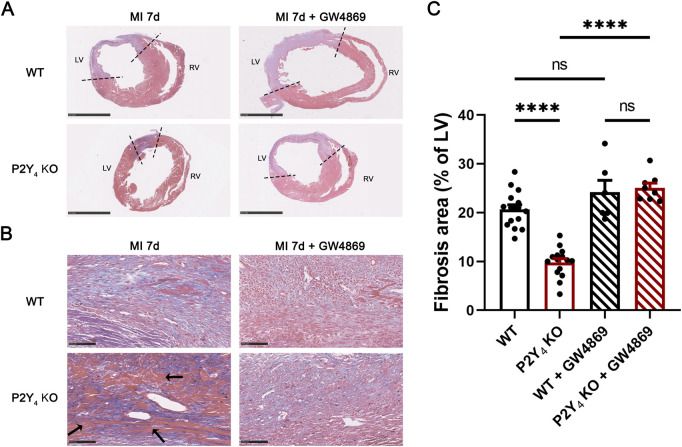 Figure 1
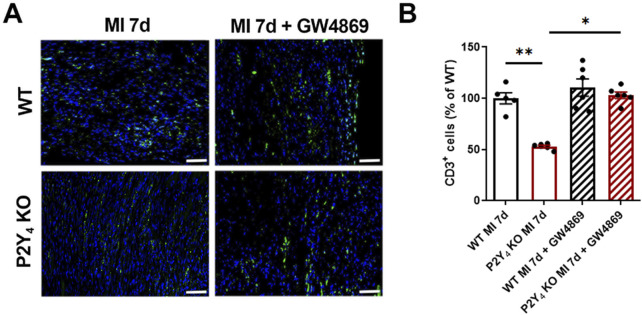 Figure 2
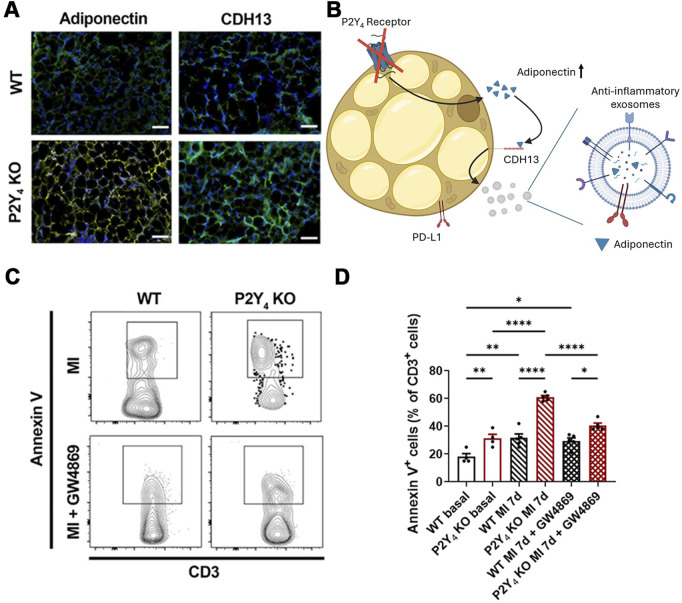 Figure 3
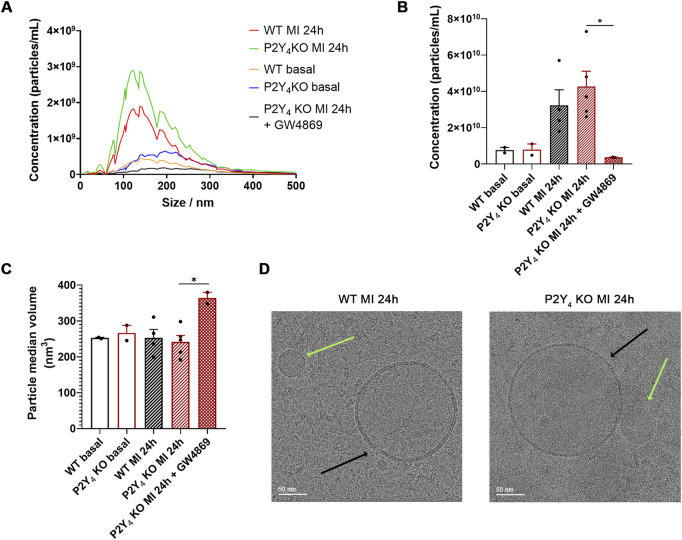 Figure 4
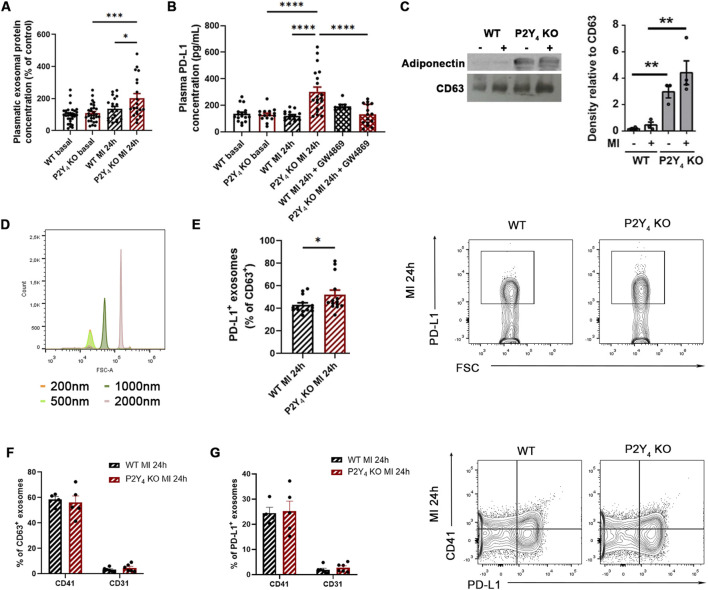 Figure 5
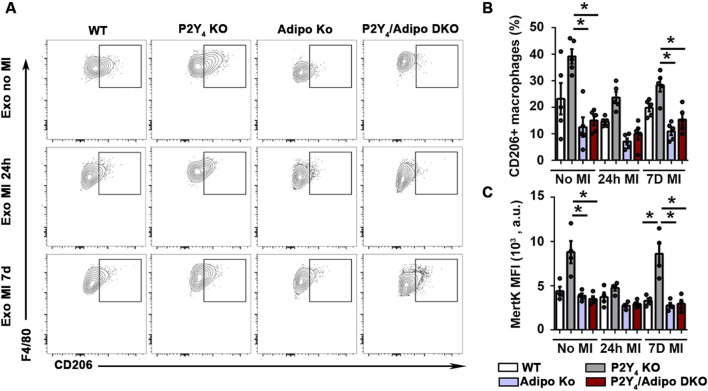 Figure 6
Peer Reviews
No public reviews on file for this paper yet. If you reviewed it on a platform where reviews are public (OpenReview, ICLR, NeurIPS, ICML), you can paste yours below so the community can read it here.
Videos
No videos yet. Explain this paper in a talk, walkthrough, or lecture? Add one.
Taxonomy
TopicsExtracellular vesicles in disease · Adenosine and Purinergic Signaling · Vagus Nerve Stimulation Research