MiR-216a-5p protects against high glucose-induced HMC injury by targeting the HMGB1/RAGE signaling pathway
Juan Zhang, Xiyin Zheng, Hong Zhang, Juan Chen

TL;DR
This study shows that miR-216a-5p protects kidney cells from high glucose damage by targeting the HMGB1/RAGE pathway, offering new insights for treating diabetic nephropathy.
Contribution
The novel contribution is identifying miR-216a-5p as a protective factor in diabetic nephropathy by targeting the HMGB1/RAGE signaling pathway.
Findings
miR-216a-5p levels are reduced in diabetic nephropathy patients.
miR-216a-5p reduces fibrosis and inflammation in high glucose-exposed human mesangial cells.
miR-216a-5p directly binds to HMGB1 and suppresses its expression and RAGE activity.
Abstract
The pathogenesis of diabetic nephropathy (DN), a primary microvascular complication of diabetes and a leading cause of end-stage renal disease, remains incompletely understood. This study delved into the role and underlying mechanisms of miR-216a-5p in the development of DN. Our initial findings revealed a lower serum level of miR-216a-5p in DN patients (P < 0.05). In vitro experiments, in which high glucose concentrations were used to stimulate human mesangial cells (HMCs), demonstrated a significant increase in the protein level of high mobility group box 1 (HMGB1) and a marked decrease in miR-216a-5p expression (all P < 0.05). Subsequent cell experiments showed that miR-216a-5p enhanced HMC viability, stimulated cell proliferation and inhibited cell apoptosis. It also alleviated the fibrosis and inflammatory response of HMC cells under high glucose conditions (all P < 0.05). A…
Genes, proteins, chemicals, diseases, species, mutations and cell lines named across the full text — each resolved to its canonical identifier and authoritative record.
Click any figure to enlarge with its caption.
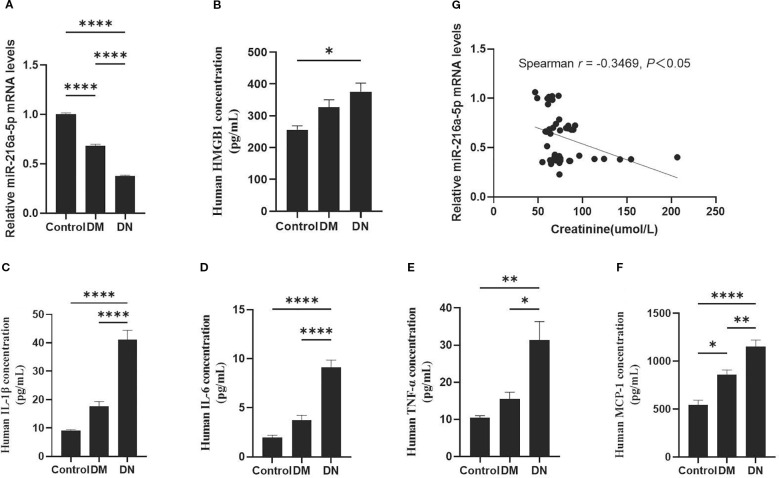 Figure 1
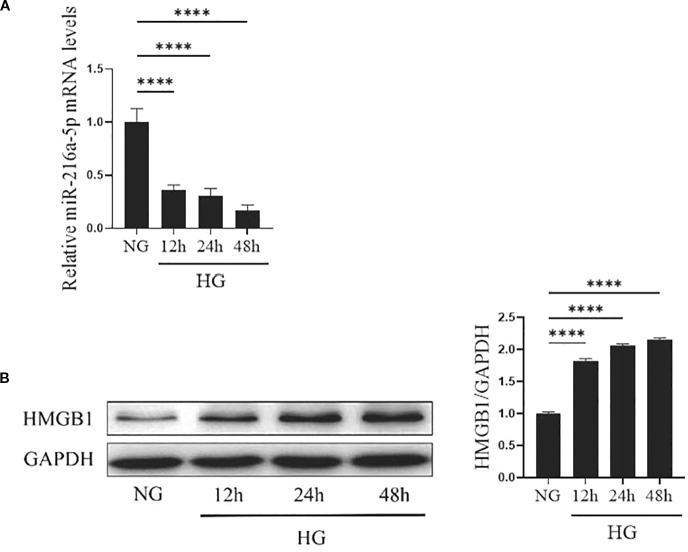 Figure 2
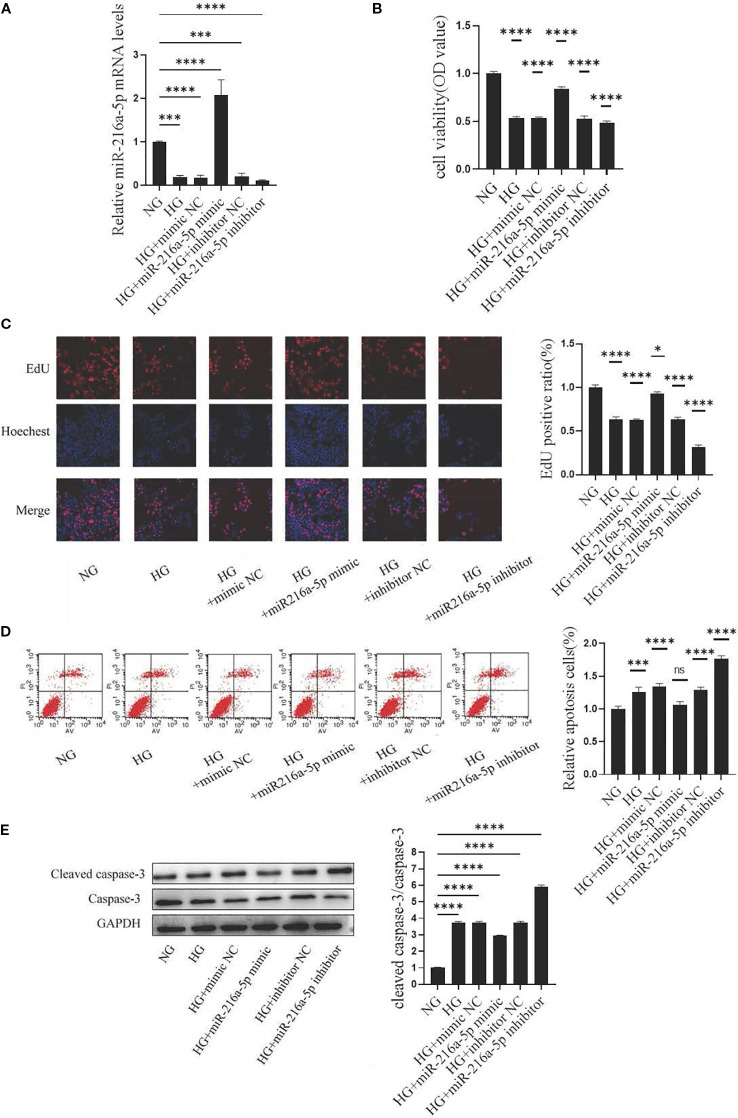 Figure 3
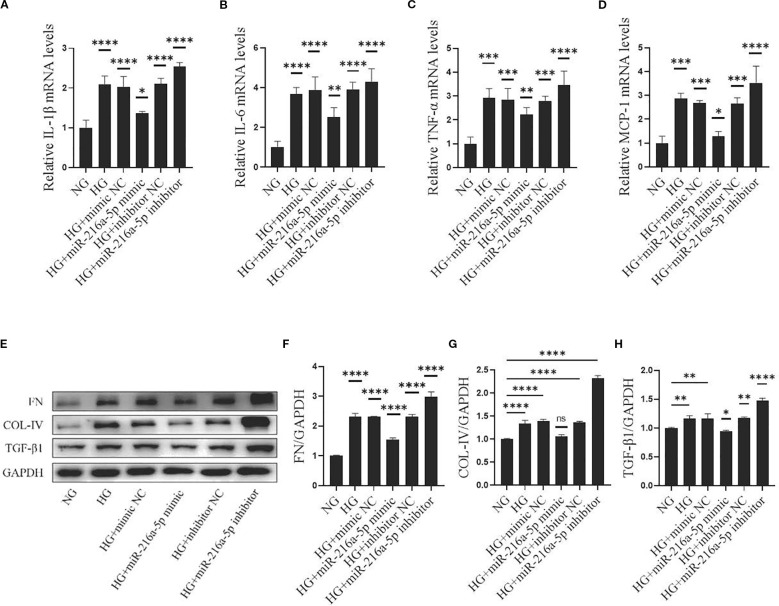 Figure 4
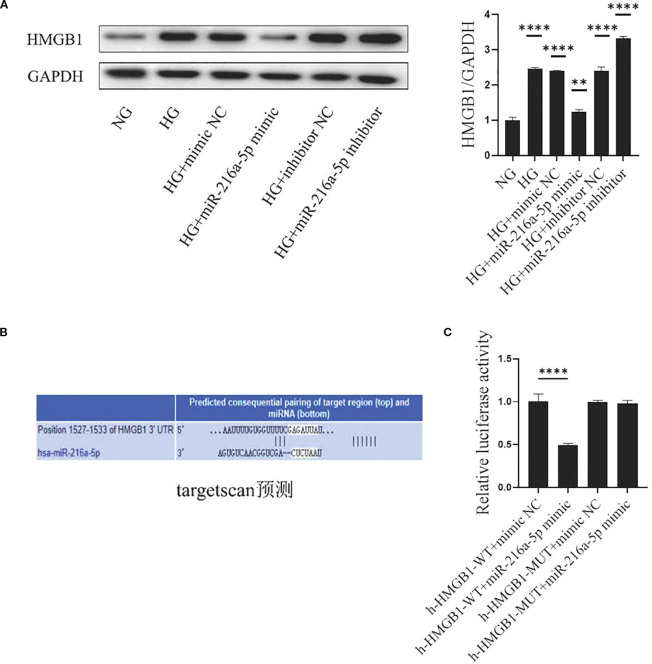 Figure 5
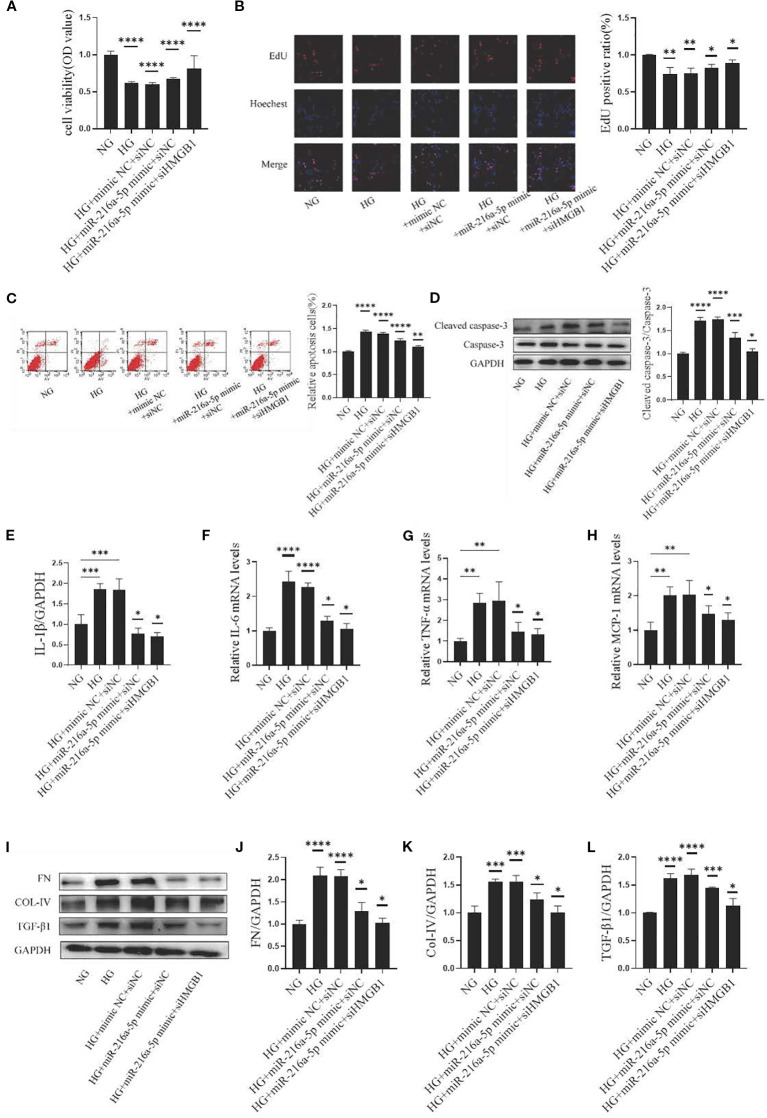 Figure 6
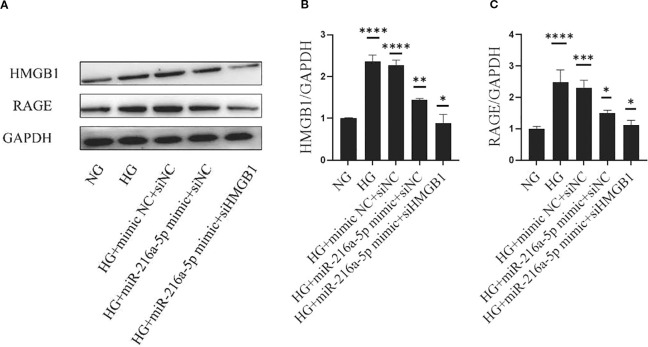 Figure 7
Peer Reviews
No public reviews on file for this paper yet. If you reviewed it on a platform where reviews are public (OpenReview, ICLR, NeurIPS, ICML), you can paste yours below so the community can read it here.
Videos
No videos yet. Explain this paper in a talk, walkthrough, or lecture? Add one.
Taxonomy
TopicsAdvanced Glycation End Products research · Diabetes Treatment and Management · Nuclear Receptors and Signaling