Comprehensive phenotyping of RFC1 -related disorder: integrating electrophysiological, brain imaging, and otoneurological data in deep phenotyping
André Aires Fernandes, Pedro L. Alexandre, Sofia Vedor, Rita Figueiredo, Pedro Marques, Luís Braz

TL;DR
This study explores the diverse symptoms of RFC1-related ataxia using brain imaging, electrophysiology, and balance tests to improve diagnosis.
Contribution
The study introduces a multidisciplinary approach to phenotyping RFC1-related disorder, enhancing diagnostic accuracy in atypical cases.
Findings
15 patients with RFC1 expansions showed varied neurological and vestibular symptoms.
Comprehensive testing revealed peripheral neuropathy and cerebellar dysfunction in most patients.
Brain MRI showed vermian atrophy in some patients, highlighting imaging's role in diagnosis.
Abstract
The syndrome defined by cerebellar ataxia, neuropathy, and vestibular areflexia (CANVAS) has been previously described as a cause of late-onset ataxia. With the discovery of biallelic expansion in the replication factor C subunit 1 ( RFC1 ) gene as its underlying genetic cause, this syndrome and the broader gene disease became more clinically heterogeneous and one of the most common genetic causes of ataxia in adults. To characterize the phenotypic spectrum of RFC1 expansion using a multidisciplinary approach combining neurological, otoneurological, and neuroimaging assessments. A retrospective cohort study comprising patients with a genetically confirmed diagnosis of biallelic RFC1 repeat expansions was conducted. Data related to neurological examination, video head impulse test (vHIT), caloric tests, posturography, electromyography/nerve conduction studies and brain magnetic…
Genes, proteins, chemicals, diseases, species, mutations and cell lines named across the full text — each resolved to its canonical identifier and authoritative record.
Click any figure to enlarge with its caption.
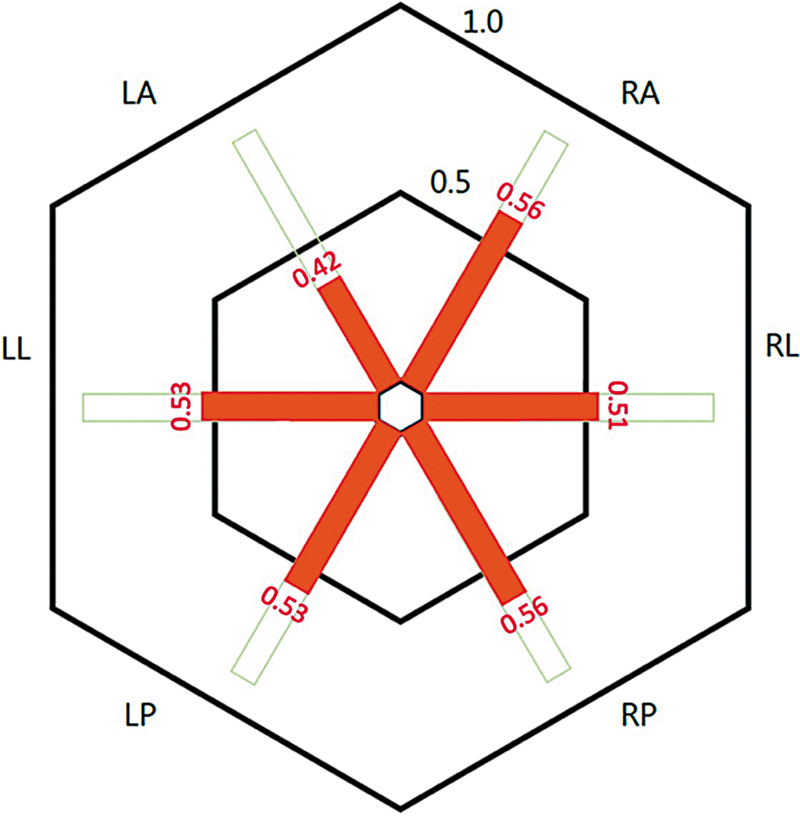 Figure 1
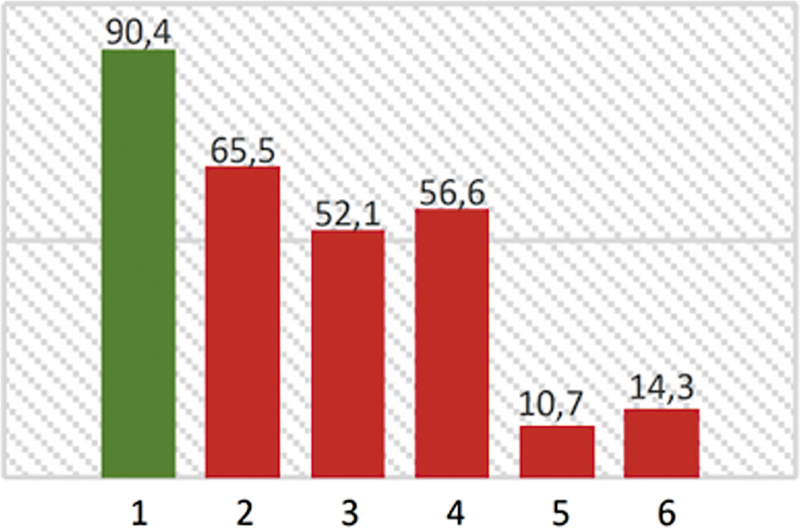 Figure 2
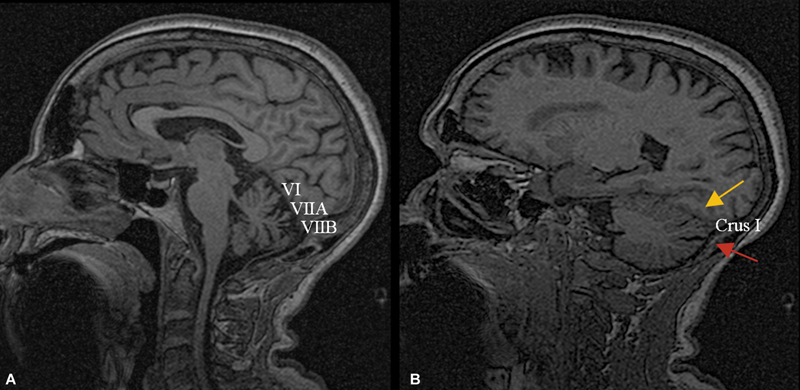 Figure 3
Peer Reviews
No public reviews on file for this paper yet. If you reviewed it on a platform where reviews are public (OpenReview, ICLR, NeurIPS, ICML), you can paste yours below so the community can read it here.
Videos
No videos yet. Explain this paper in a talk, walkthrough, or lecture? Add one.
Taxonomy
TopicsGenetic Neurodegenerative Diseases · Fetal and Pediatric Neurological Disorders · DNA Repair Mechanisms