From Medical Imaging to Bioprinted Tissues: The Importance of Workflow Optimisation for Improved Cell Function
Jesús Manuel Rodríguez Rego, Laura Mendoza Cerezo, Francisco de Asís Iñesta Vaquera, David Picado Tejero, Alfonso Carlos Marcos Romero

TL;DR
This review highlights how optimizing the 3D bioprinting workflow can improve the quality and functionality of bioprinted tissues for regenerative medicine.
Contribution
The paper systematically examines and compares key steps in the bioprinting workflow to enhance tissue functionality and reproducibility.
Findings
Optimizing slicing algorithms significantly affects scaffold integrity in bioprinted tissues.
Advancements in biomaterials and bioprinter technology improve the viability and clinical relevance of printed constructs.
Integration of imaging and modeling improvements supports the development of more accurate 3D tissue models.
Abstract
The rapid advancement of 3D bioprinting is transforming possibilities in tissue engineering and personalised medicine, offering innovative solutions to critical biomedical challenges such as organ shortages and the need for precise 3D cellular models. To fully unlock the potential of this technology, anoptimised and comprehensive workflow is essential. This review provides a systematic examination of the bioprinting process, covering key steps from medical image acquisition to the validation of bioprinted structures. The analysis includes biomaterial and cell type selection, conversion of DICOM images into 3D-printable models, and slicing techniques. Key factors influencing the precision, viability, and clinical relevance of bioprinted tissues are identified. Comparisons between planar and non-planar slicing algorithms highlight their impact on scaffold integrity. The review also…
Genes, proteins, chemicals, diseases, species, mutations and cell lines named across the full text — each resolved to its canonical identifier and authoritative record.
Click any figure to enlarge with its caption.
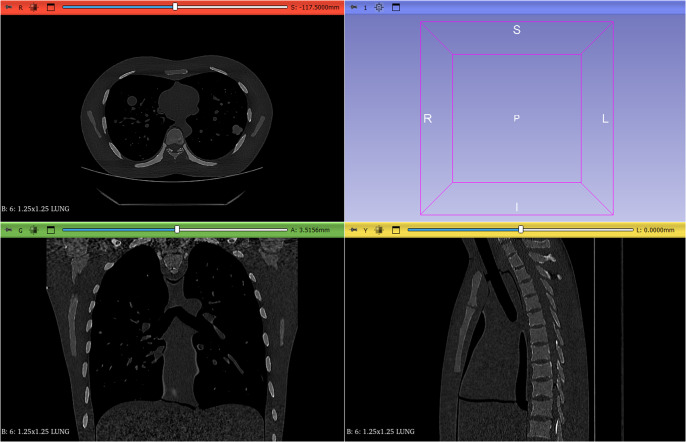 Figure 1
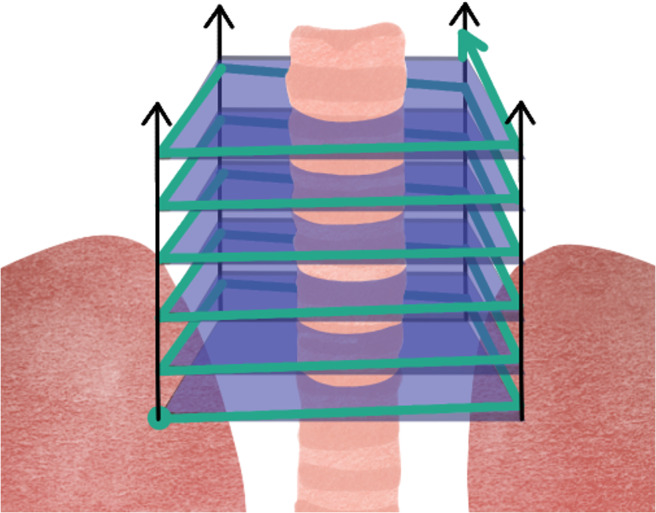 Figure 10
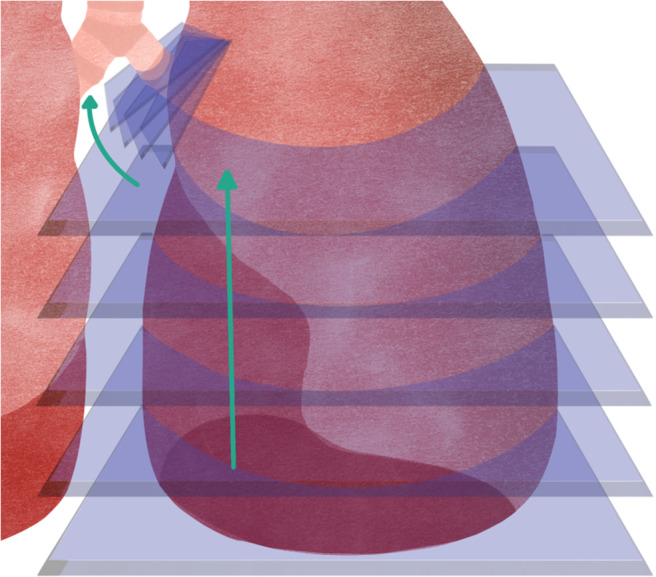 Figure 11
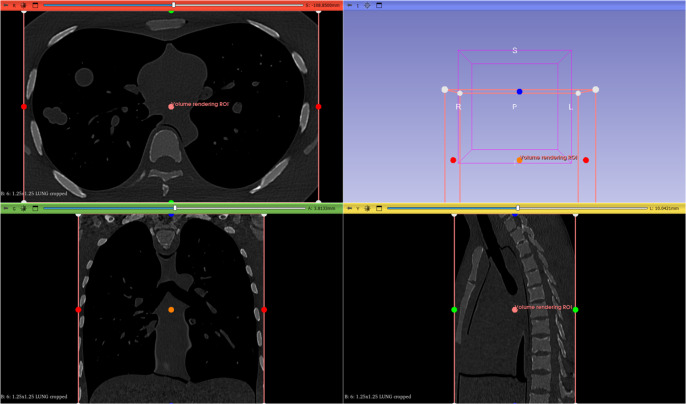 Figure 2
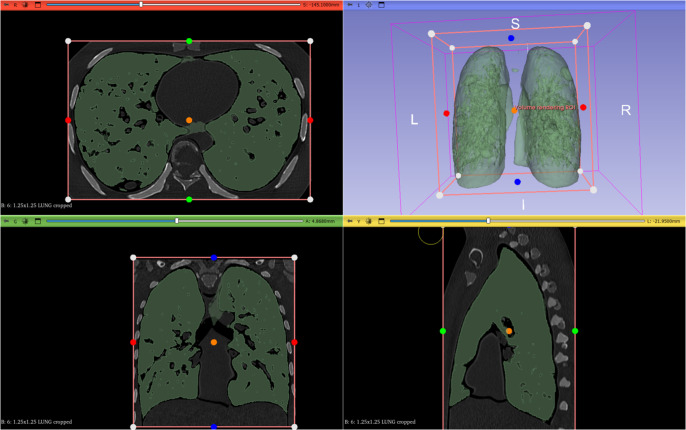 Figure 3
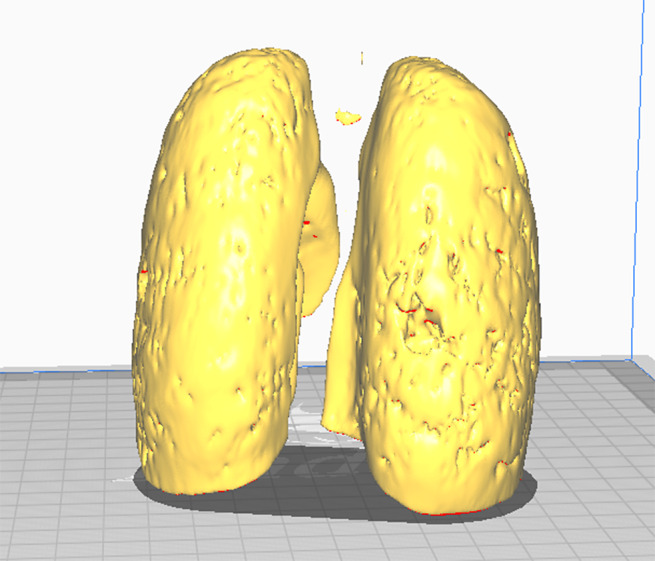 Figure 4
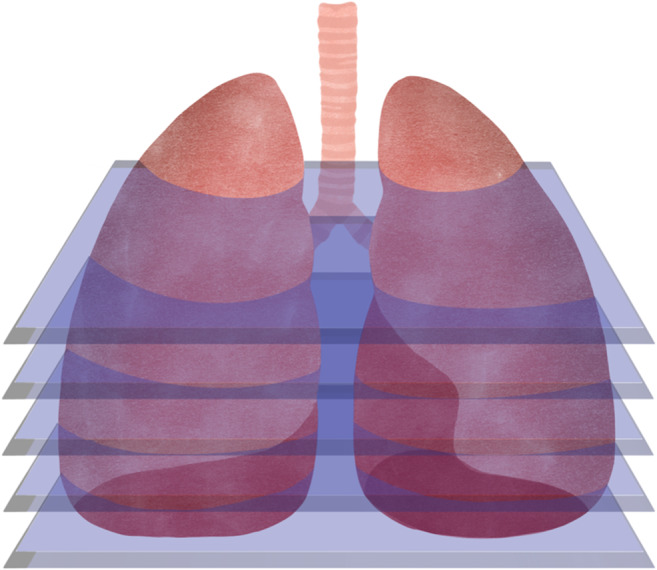 Figure 5
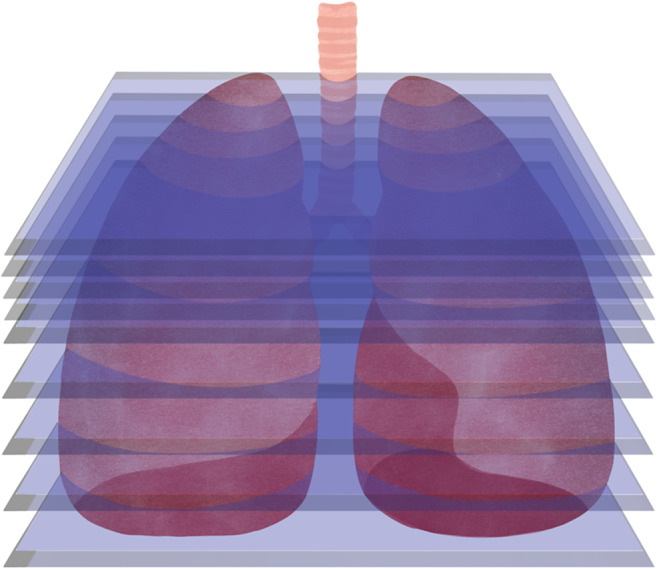 Figure 6
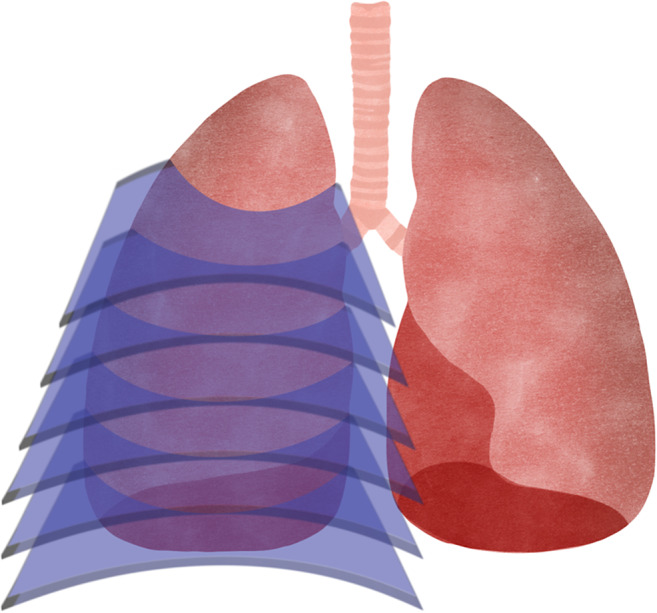 Figure 7
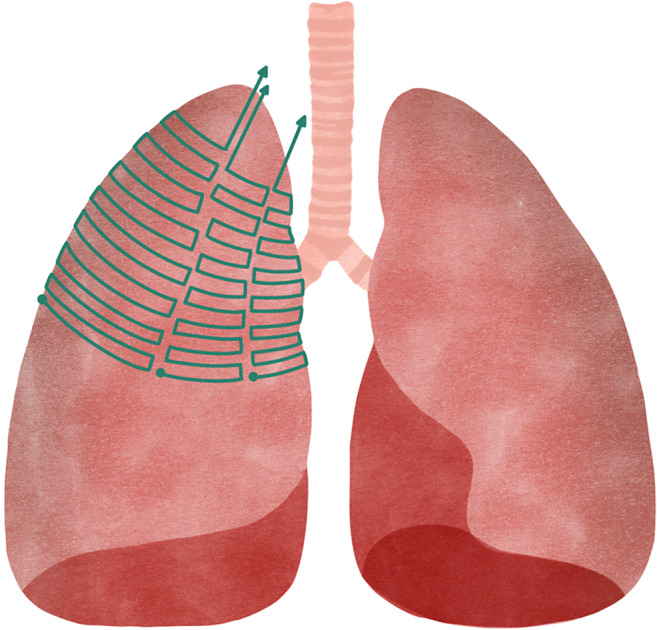 Figure 8
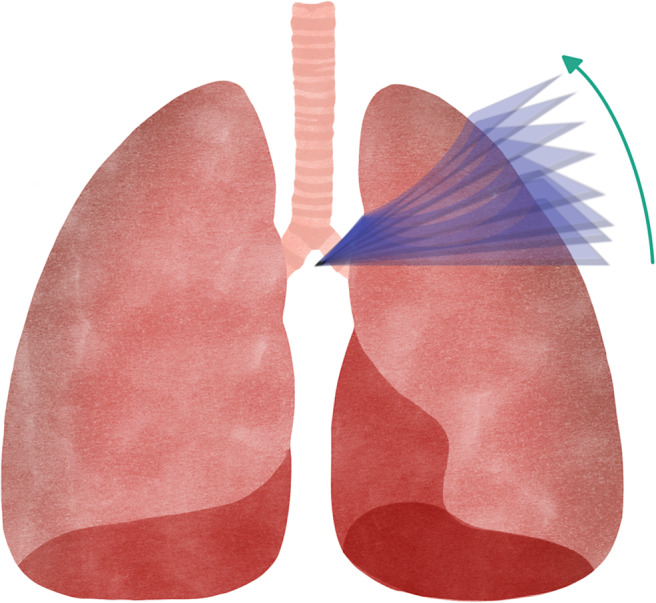 Figure 9
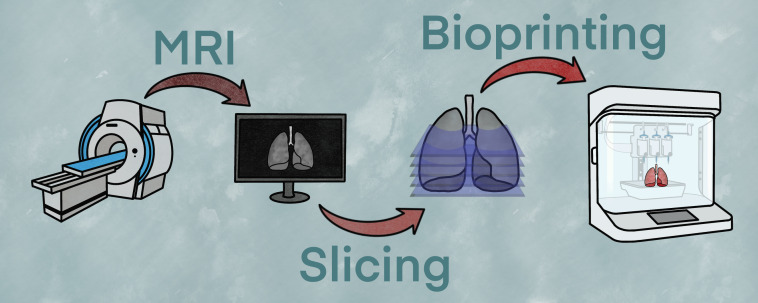 Figure 12
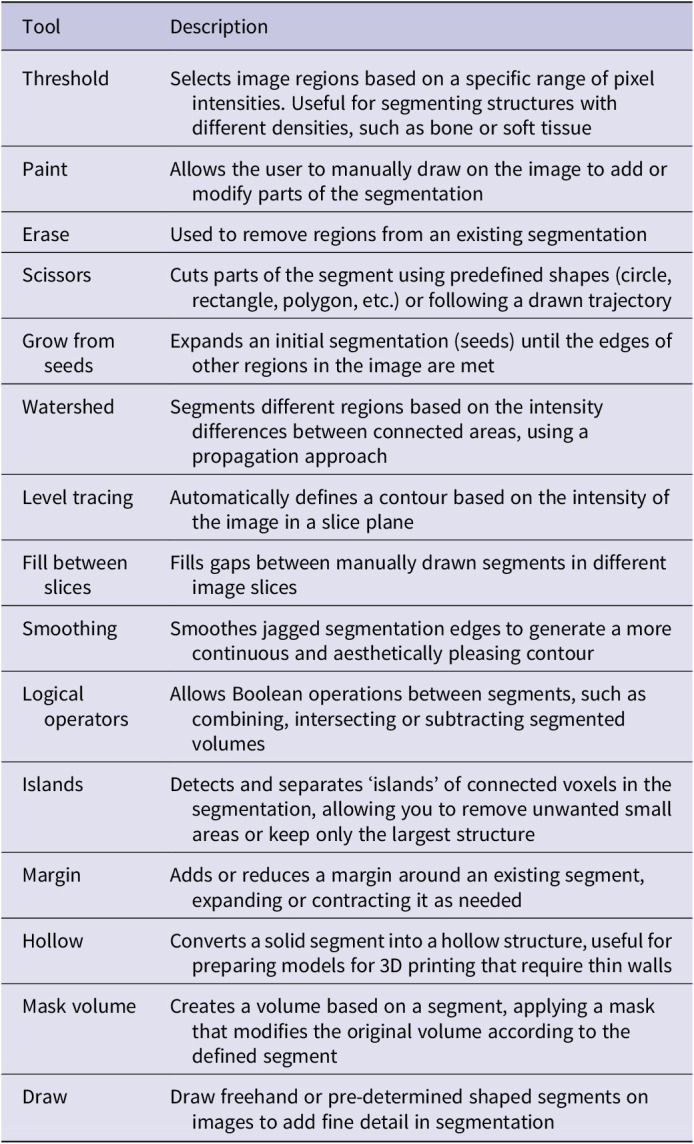 Figure 13
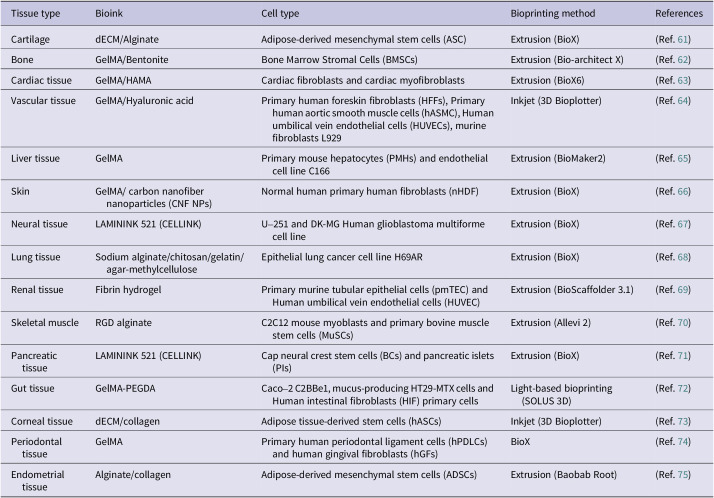 Figure 14
Peer Reviews
No public reviews on file for this paper yet. If you reviewed it on a platform where reviews are public (OpenReview, ICLR, NeurIPS, ICML), you can paste yours below so the community can read it here.
Videos
No videos yet. Explain this paper in a talk, walkthrough, or lecture? Add one.
Taxonomy
Topics3D Printing in Biomedical Research