Novel insights into neuropathy: The impact of prolonged hyperglycemia on long non-coding RNA expression
Kamila Zglejc-Waszak, Jan Paweł Jastrzebski, Joanna Wojtkiewicz, Zenon Pidsudko, Judyta Karolina Juranek, Li Shen, Li Shen, Li Shen

TL;DR
This study explores how long-term high blood sugar in type 1 diabetes affects lncRNA expression in the spinal cord, contributing to neuropathy.
Contribution
The study identifies specific lncRNAs and biological pathways altered in diabetic neuropathy in mice.
Findings
201 lncRNAs were up-regulated and 76 were down-regulated in the diabetic spinal cord.
Snhg15 lncRNA was elevated in diabetic mice.
lncRNAs in the PI3K-Akt pathway and processes like cell communication were differentially expressed.
Abstract
Multiple evidence suggests that type 1 diabetes triggers perturbations in the nervous system both in human patients as well as in animal models of the disease. These perturbations are likely controlled by the expression of long non-coding RNAs (lncRNAs) and are present both in peripheral and central nervous system. To dissect the role of lncRNAs in diabetes-affected nervous system malfunctions, we conducted a comparative analysis of spinal cord transcriptome profiles between long-term (six months of duration) diabetic versus non-diabetic mice. The analysis of RNA sequencing data revealed that of 277 unique differentially expressed transcripts, 201 were up-regulated and 76 were down-regulated in the diabetic lumbar spinal cord. We also observed elevated expression of Snhg15 lncRNA in diabetic spinal cord. The in-depth data analysis revealed differential expression of lncRNAs involved in…
Genes, proteins, chemicals, diseases, species, mutations and cell lines named across the full text — each resolved to its canonical identifier and authoritative record.
Click any figure to enlarge with its caption.
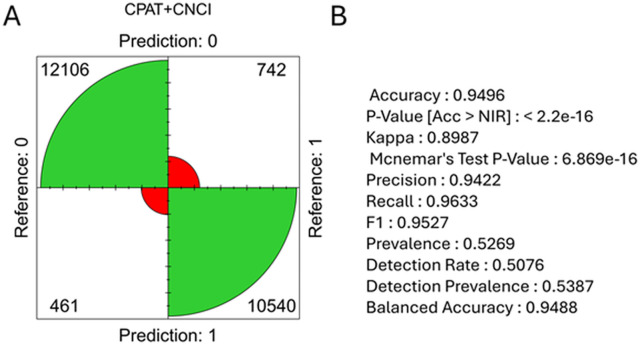 Figure 1
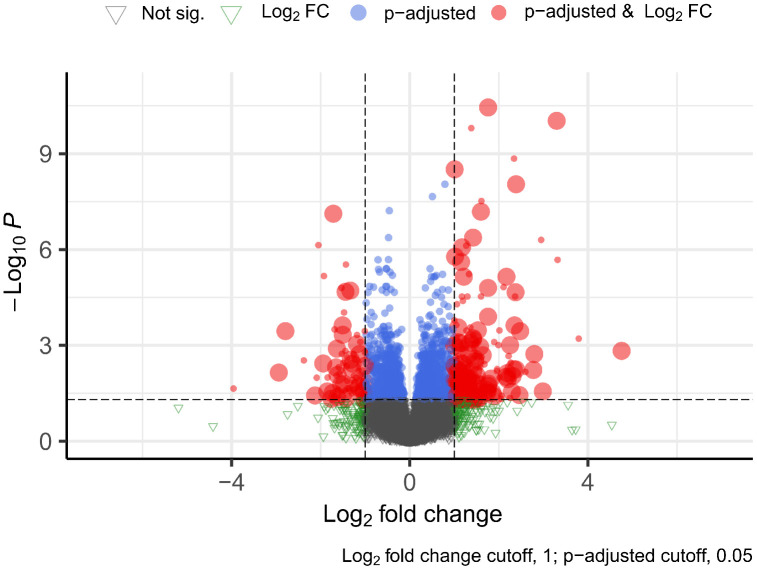 Figure 2
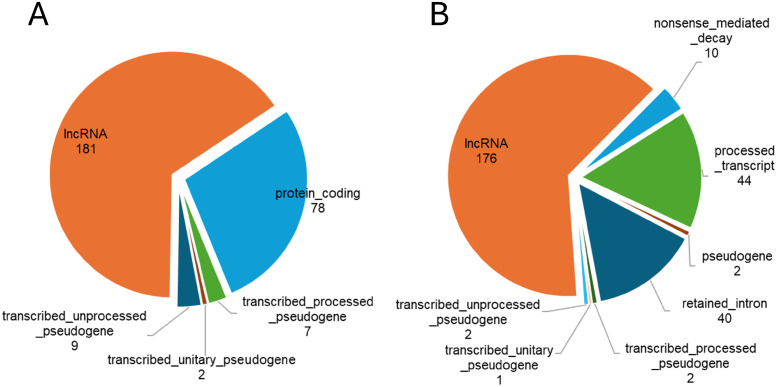 Figure 3
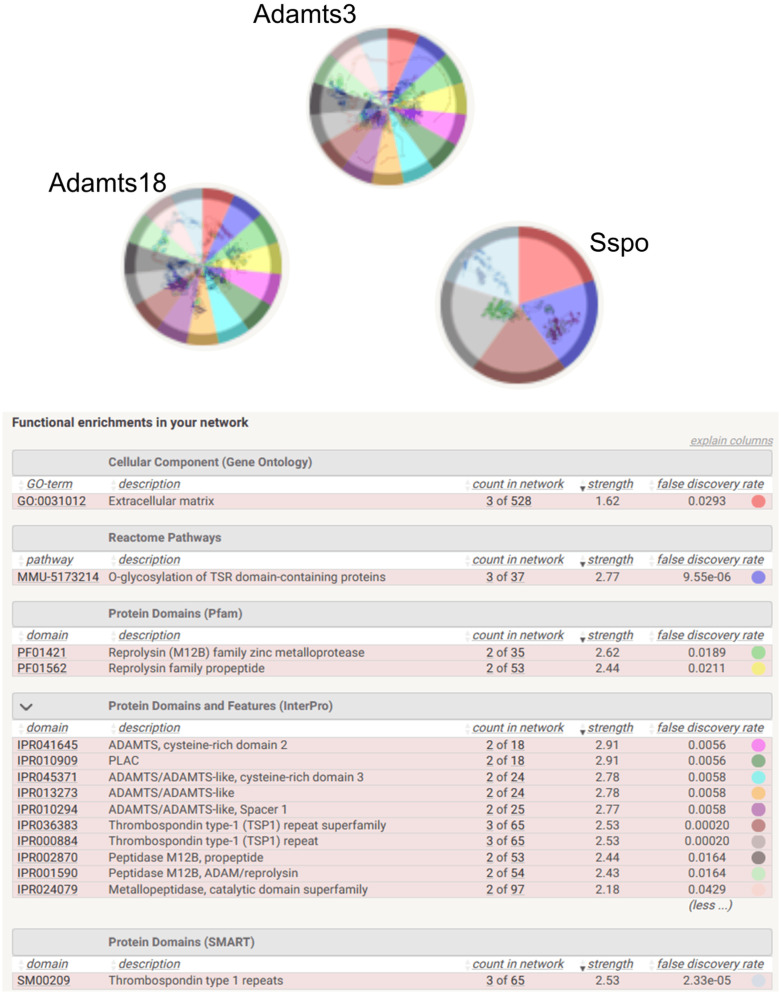 Figure 4
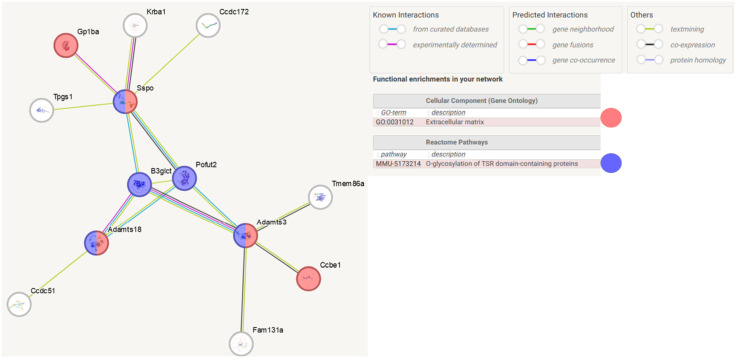 Figure 5
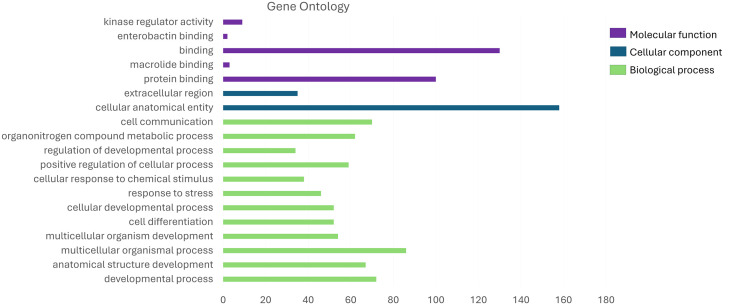 Figure 6
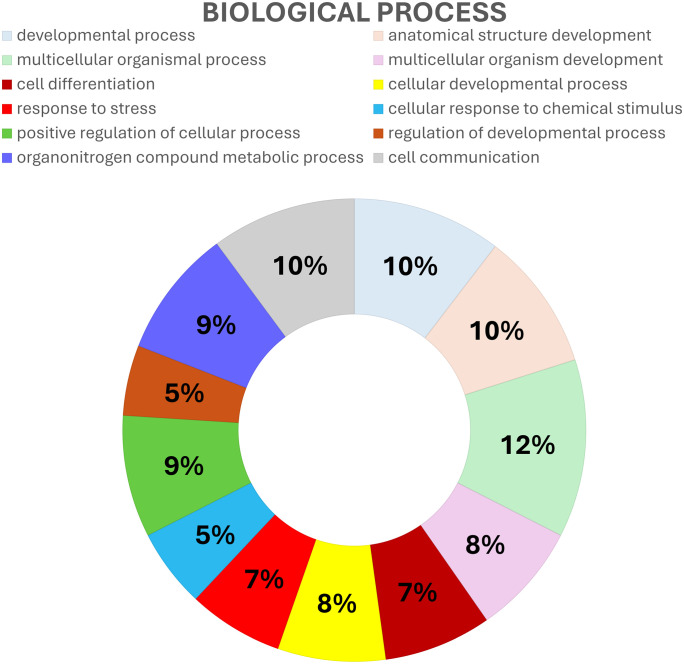 Figure 7
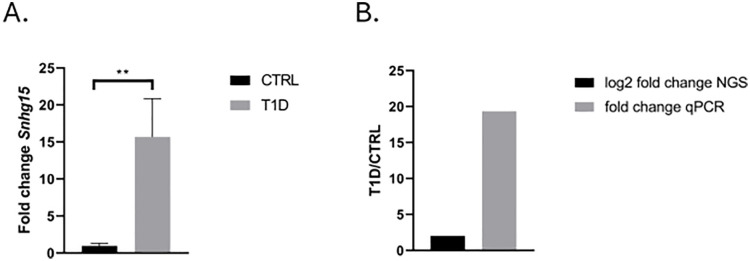 Figure 8
 Figure 9
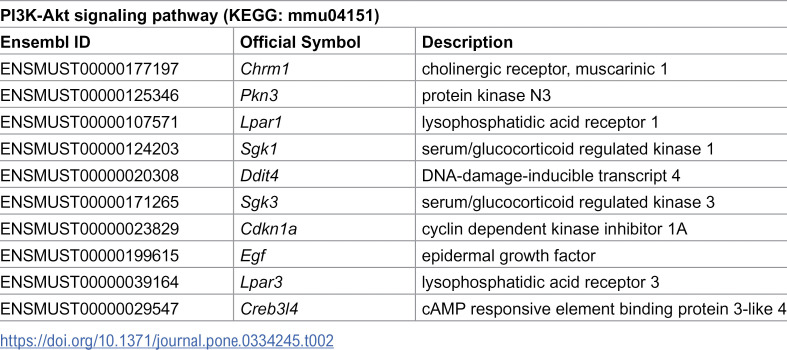 Figure 10
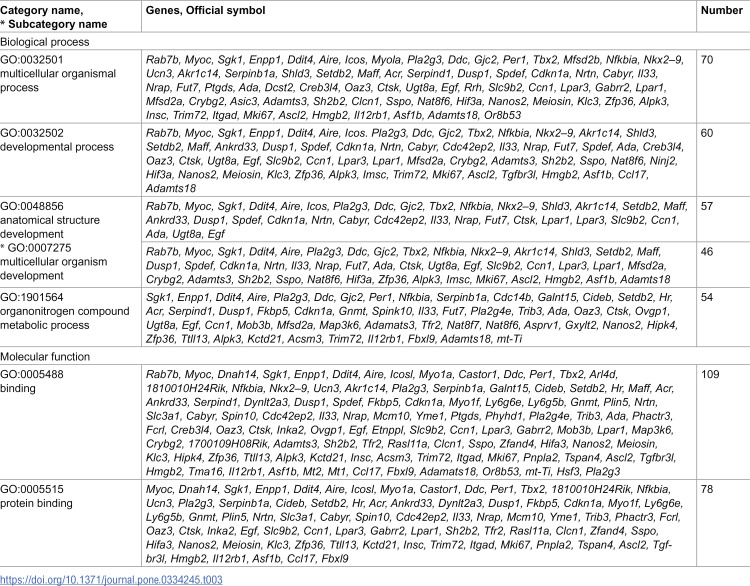 Figure 11
Peer Reviews
No public reviews on file for this paper yet. If you reviewed it on a platform where reviews are public (OpenReview, ICLR, NeurIPS, ICML), you can paste yours below so the community can read it here.
Videos
No videos yet. Explain this paper in a talk, walkthrough, or lecture? Add one.
Taxonomy
TopicsCancer-related molecular mechanisms research · Peroxisome Proliferator-Activated Receptors · Calpain Protease Function and Regulation