Antitumor Compounds From Halophilic Streptomyces violaceorubidus M4 Against Triple‐Negative Breast Cancer
Atousa Zia, Ensieh Salehghamari, Hanieh Jalali, Maryam Taher

TL;DR
This study explores a new compound from a salt-loving bacteria that shows promise in fighting a hard-to-treat type of breast cancer.
Contribution
The discovery of antitumor compounds from Streptomyces violaceorubidus M4 with selective cytotoxicity against triple-negative breast cancer cells.
Findings
The extract showed selective cytotoxicity against MDA-MB-231 cells with an IC50 of 48.04 μg/mL.
The extract induced apoptosis via the extrinsic pathway, as indicated by changes in Cas-8 and P53 gene expression.
In mouse models, the extract reduced tumor cell proliferation, mitotic cells, and angiogenesis.
Abstract
Triple‐negative breast cancer (TNBC) is an aggressive form of breast cancer characterized by the absence of estrogen and progesterone receptors and minimal HER2 expression, restricting the available treatment options. Actinobacteria have emerged as promising sources of anticancer compounds because of their remarkable ability to produce beneficial compounds. This study aimed to evaluate the antitumor effects of the halophilic Streptomyces violaceorubidus M4 extract on TNBC both in vitro and in vivo. The extracted compounds were analyzed by LC‐MS. MTT and annexin‐PI assays were used to assess the apoptosis‐inducing effects of the compounds on MDA‐MB‐231 and MCF‐10A cells. The expression of apoptosis‐related BAX, BCL2, P53, CASPASE‐8, and CASPASE‐9 genes was analyzed using Real‐time PCR. A TNBC mouse model was established using 4T1 cell transplantation, and the animals received the extract…
Genes, proteins, chemicals, diseases, species, mutations and cell lines named across the full text — each resolved to its canonical identifier and authoritative record.
Click any figure to enlarge with its caption.
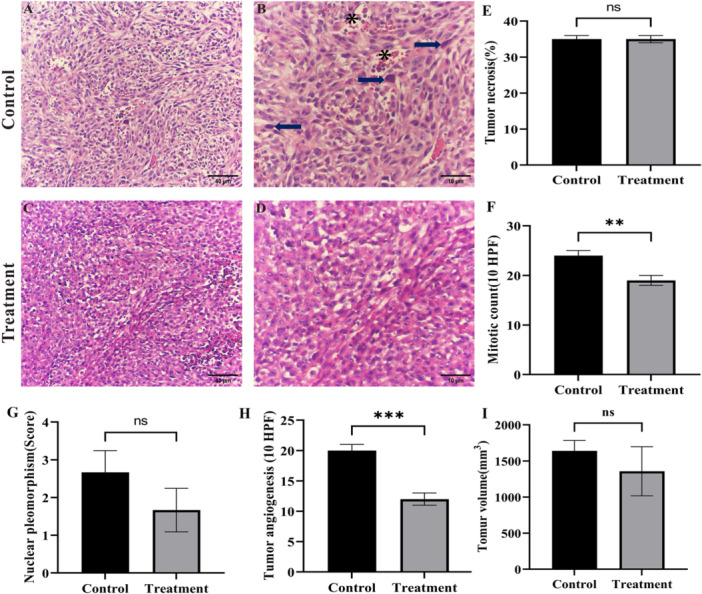 Figure 1
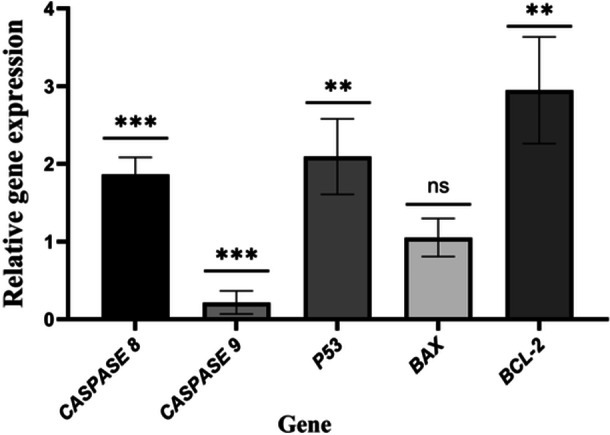 Figure 2
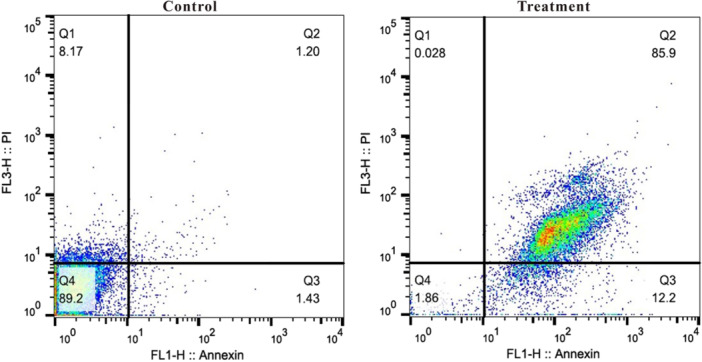 Figure 3
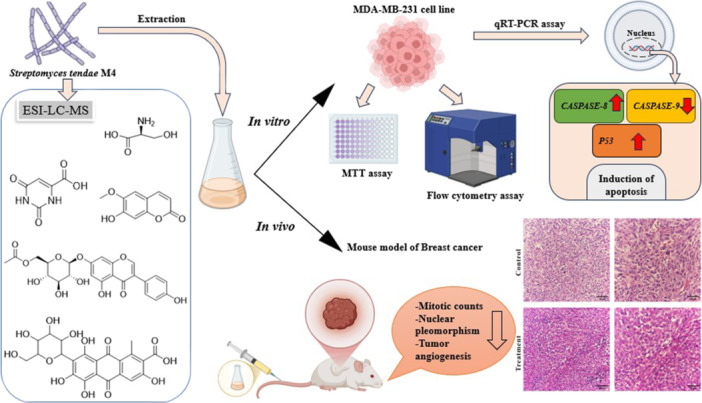 Figure 4
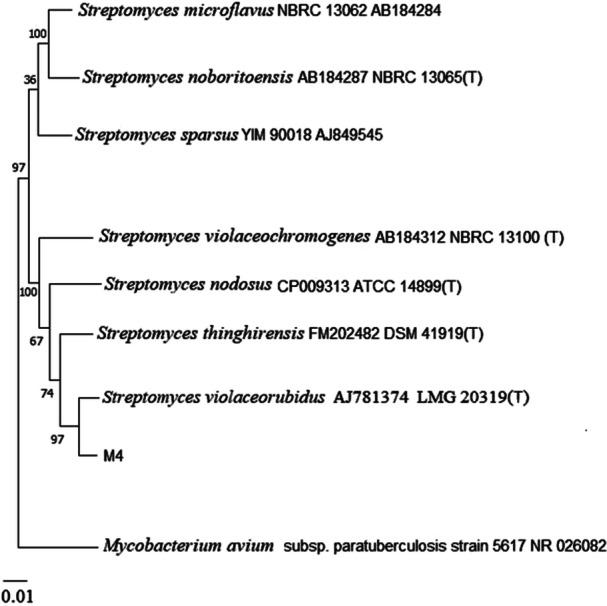 Figure 5
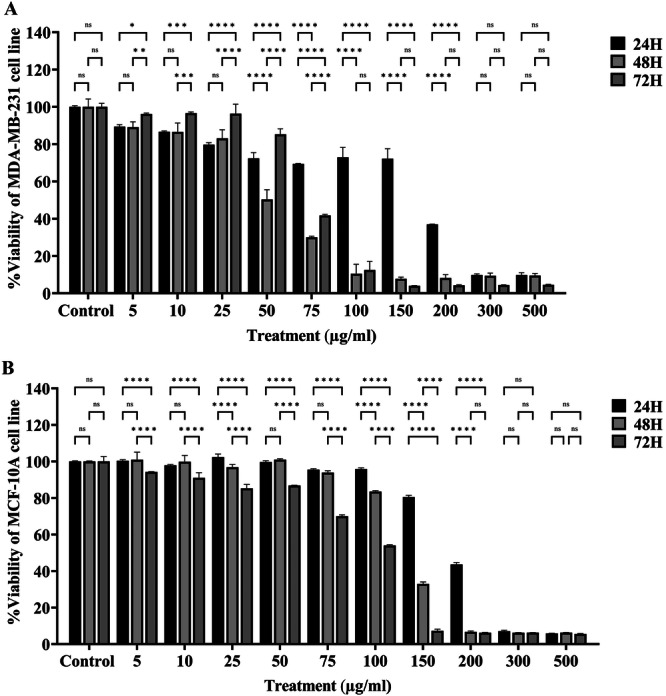 Figure 6
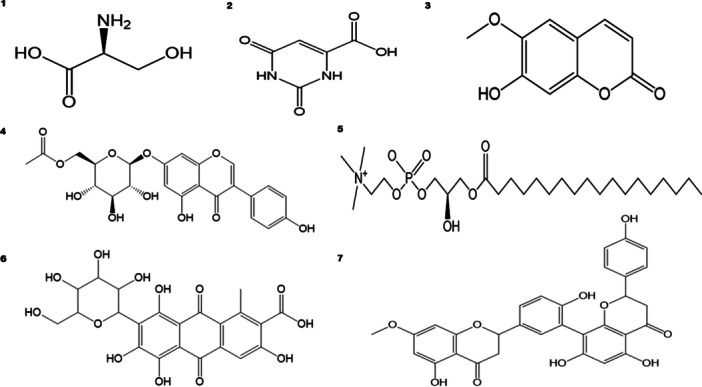 Figure 7
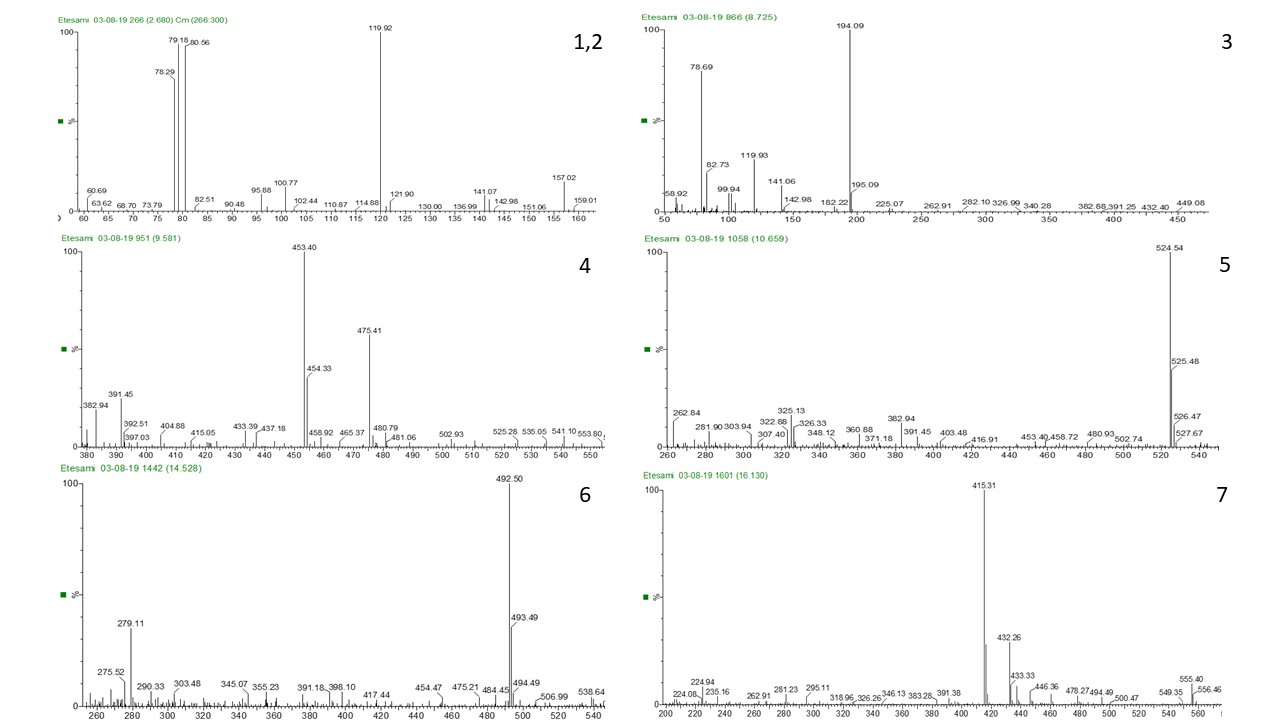 Figure 8
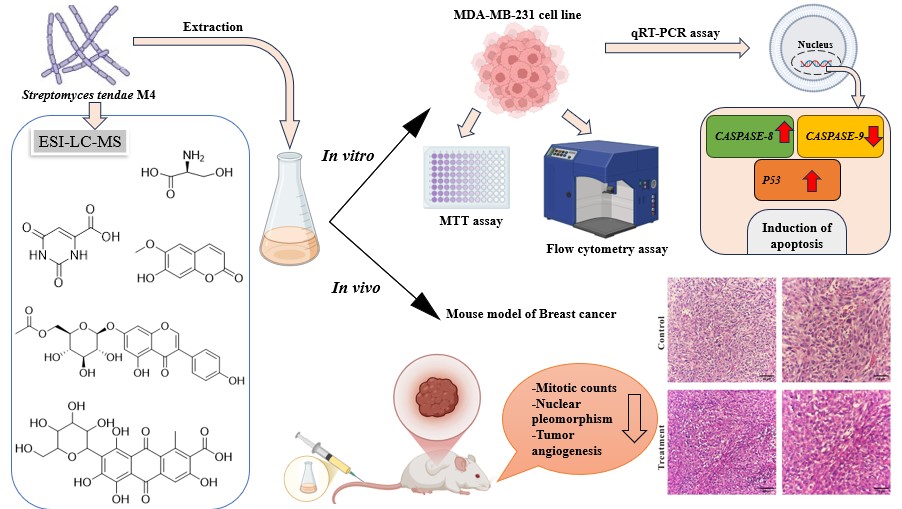 Figure 9
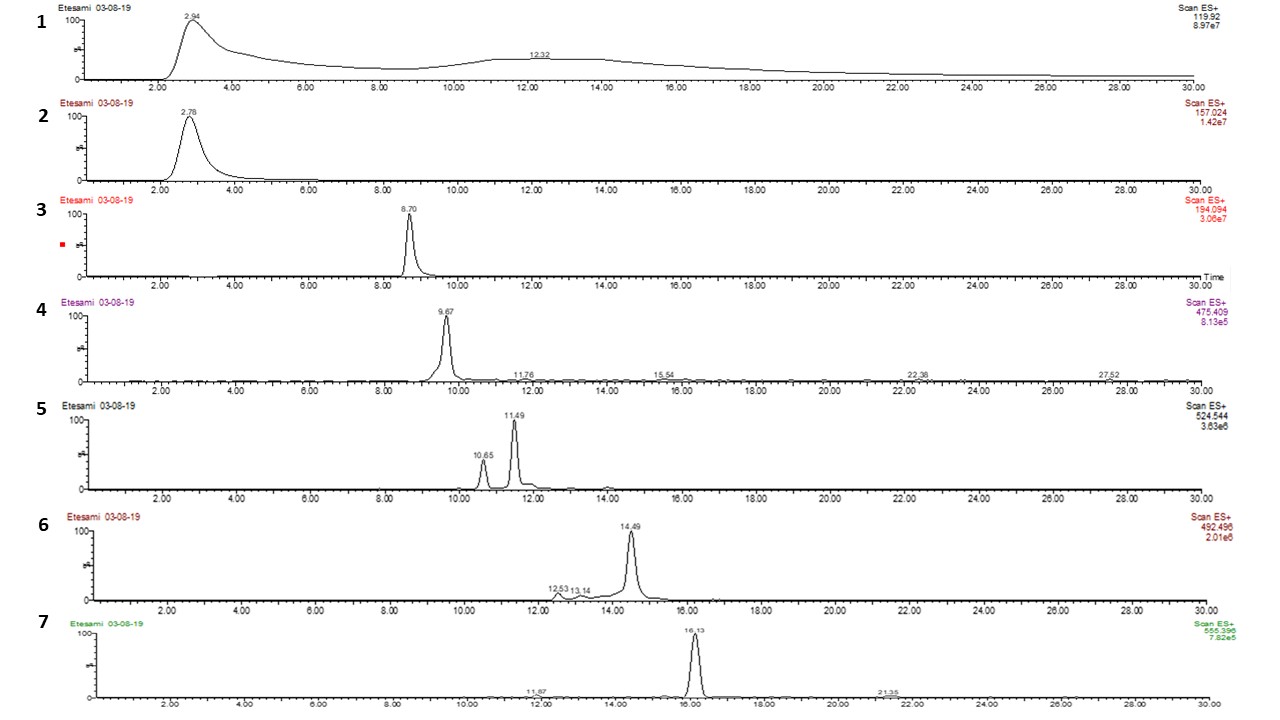 Figure 10
Peer Reviews
No public reviews on file for this paper yet. If you reviewed it on a platform where reviews are public (OpenReview, ICLR, NeurIPS, ICML), you can paste yours below so the community can read it here.
Videos
No videos yet. Explain this paper in a talk, walkthrough, or lecture? Add one.
Taxonomy
TopicsMicrobial Metabolism and Applications · Microbial Natural Products and Biosynthesis · Cancer Mechanisms and Therapy