Study on repair materials and technologies for addressing crack-related damage in the Earthen City Wall of Kaifeng
Tingting Yue, Xizhi Zhang, Jianwei Yue, Wenhao Li, Xiang Zhu, Jingwen Yue, Gobinath Ravindran, Jason Morgan, Hailing Ma, Hailing Ma

TL;DR
This study develops and tests repair materials to fix cracks in the ancient Kaifeng city wall, focusing on improving durability and waterproofing.
Contribution
A novel high-fluidity crack repair material combining urea urease, quicklime, and sodium methylsilicate is proposed and experimentally validated.
Findings
A repair material with 7.5% quicklime and 7% sodium methylsilicate achieved a total efficacy coefficient of 96.25.
Waterborne polyurethane showed the best waterproofing performance among tested agents.
The repair material maintained structural integrity after 30 freeze-thaw cycles.
Abstract
Rain and snow seepage into the cracks of the soil wall is the leading cause of its surface weathering, and the key to crack repair lies in developing reasonable repair materials. Based on the carbonation principle and mineralization mechanism of quicklime, this study focuses on the cracks in the city wall of Kaifeng as the research subject. Urea urease solution, quicklime, sodium methylsilicate, styrene-acrylic emulsion, waterborne polyurethane, and soil were selected to prepare 27 groups of high-fluidity repair materials with varying proportions. The surface strength, water absorption, surface strength after water absorption, consistency and freeze-thaw cycle tests of crack repair samples were carried out to explore the repair effects of different proportions of repair materials on crack diseases. The results demonstrated that the urease urea solution, along with its mineralization…
Genes, proteins, chemicals, diseases, species, mutations and cell lines named across the full text — each resolved to its canonical identifier and authoritative record.
Click any figure to enlarge with its caption.
 Figure 1
 Figure 2
 Figure 3
 Figure 4
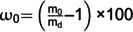 Figure 5
 Figure 6
 Figure 7
 Figure 8
 Figure 9
 Figure 10
 Figure 11
 Figure 12
 Figure 13
 Figure 14
 Figure 15
 Figure 16
 Figure 17
 Figure 18
 Figure 19
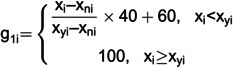 Figure 20
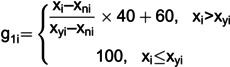 Figure 21
 Figure 22
 Figure 23
 Figure 24
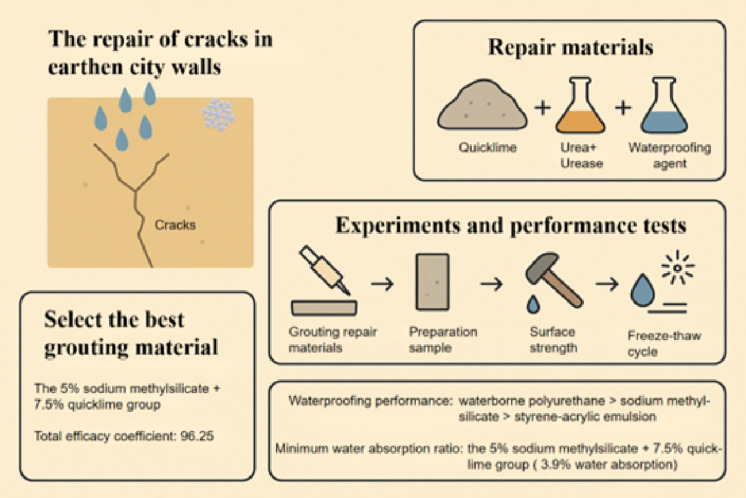 Figure 25
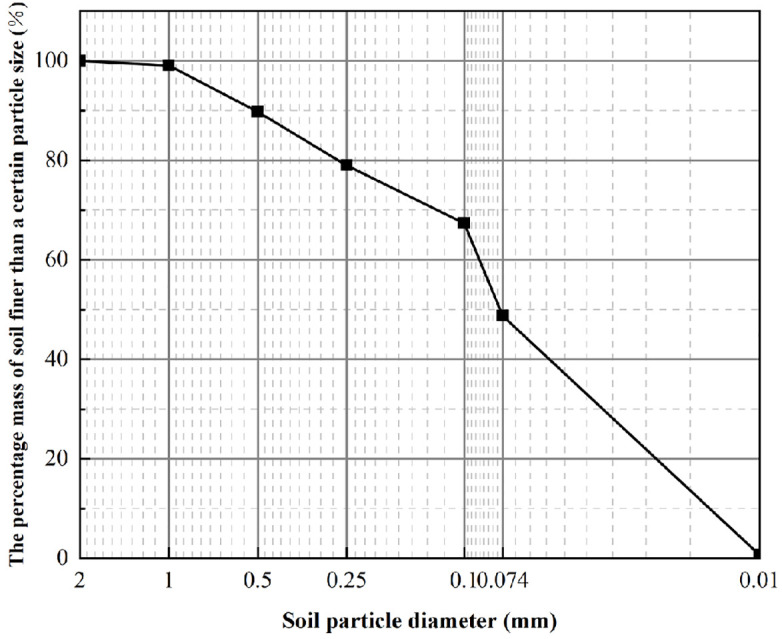 Figure 26
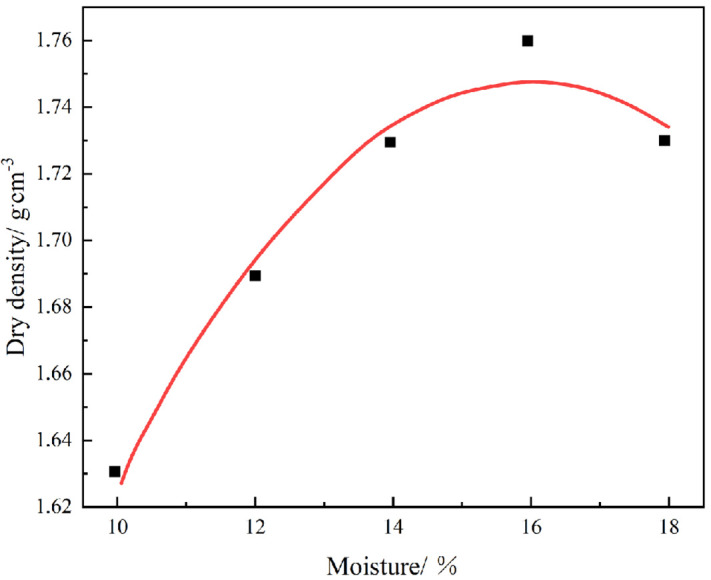 Figure 27
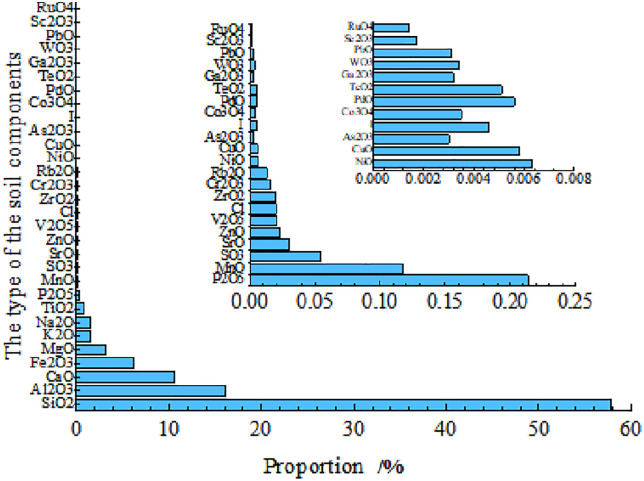 Figure 28
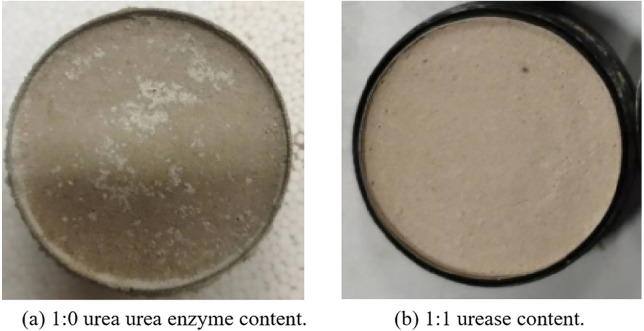 Figure 29
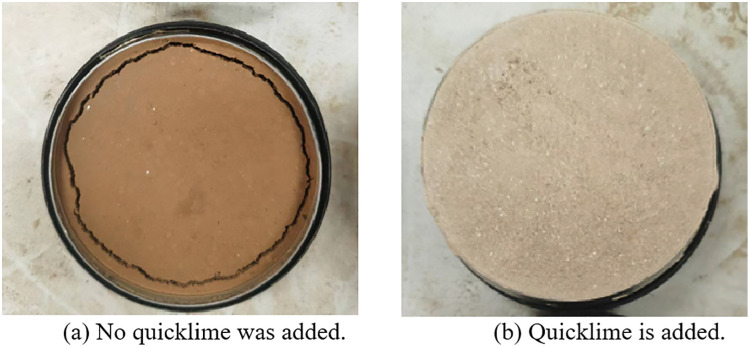 Figure 30
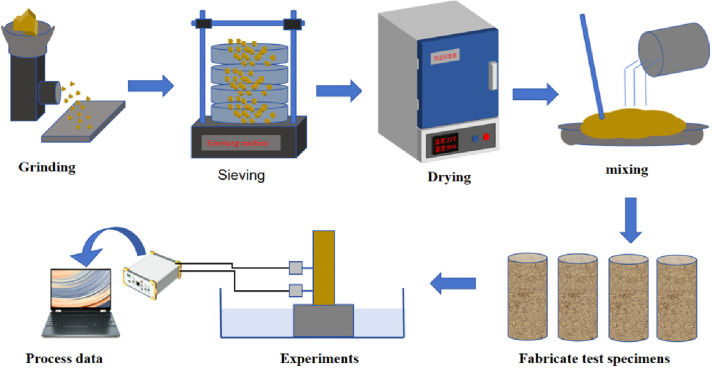 Figure 31
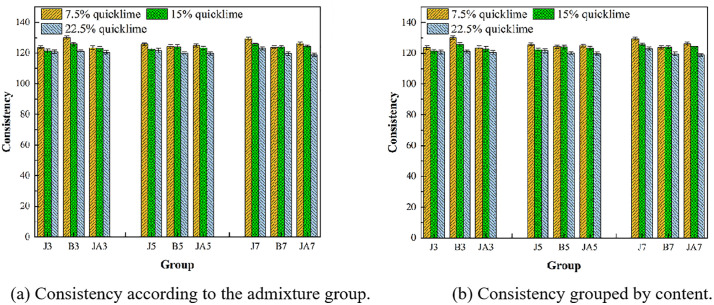 Figure 32
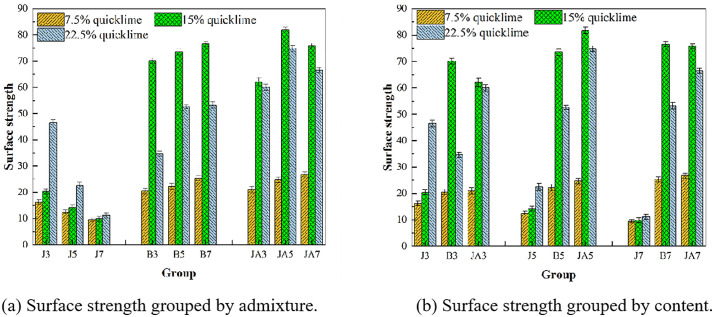 Figure 33
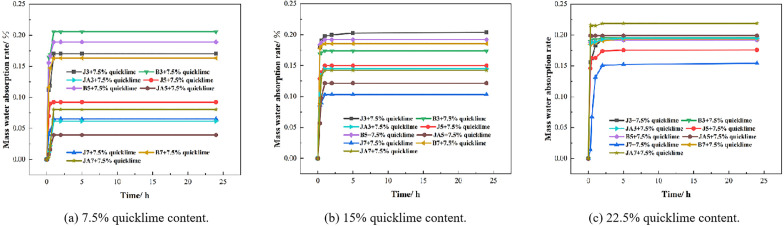 Figure 34
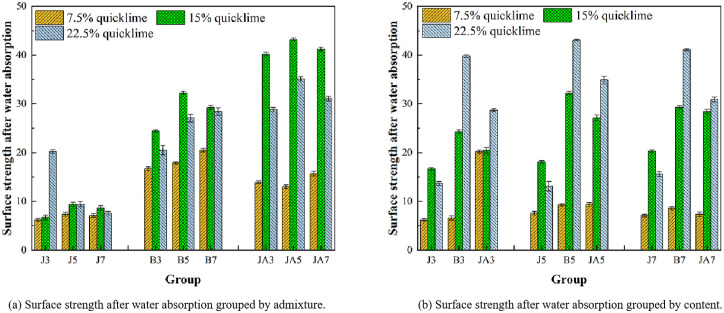 Figure 35
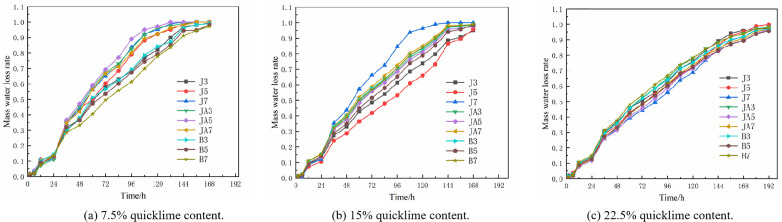 Figure 36
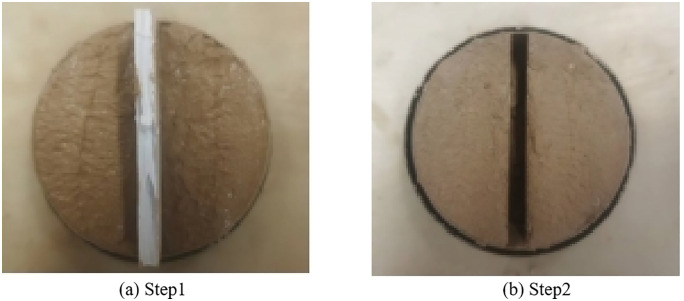 Figure 37
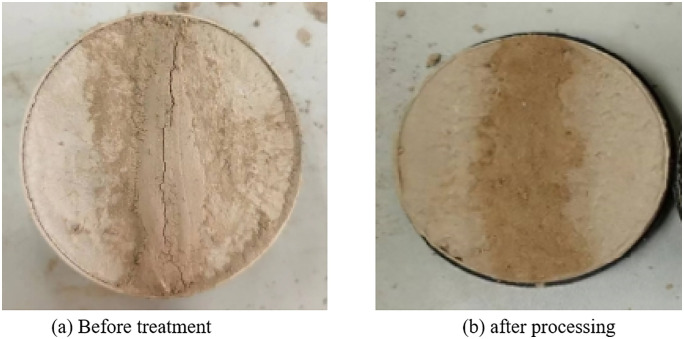 Figure 38
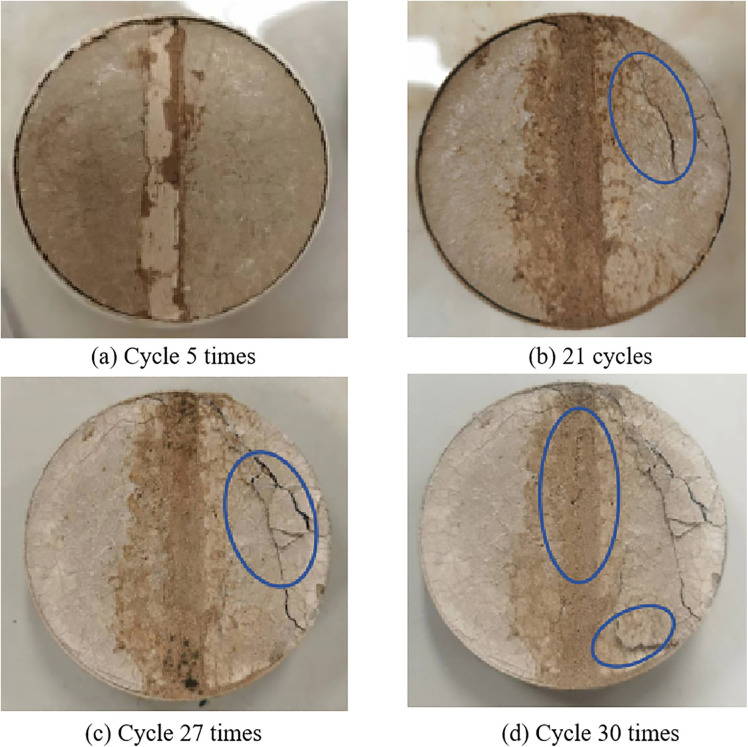 Figure 39
 Figure 40
 Figure 41
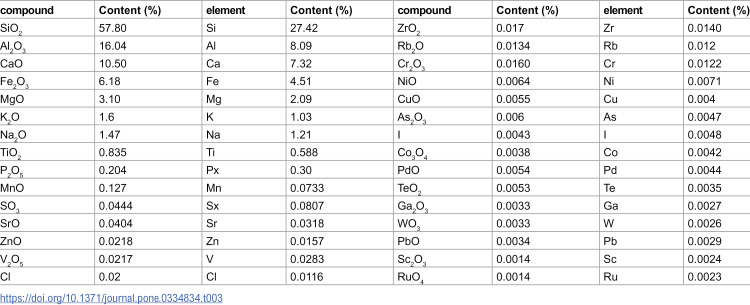 Figure 42
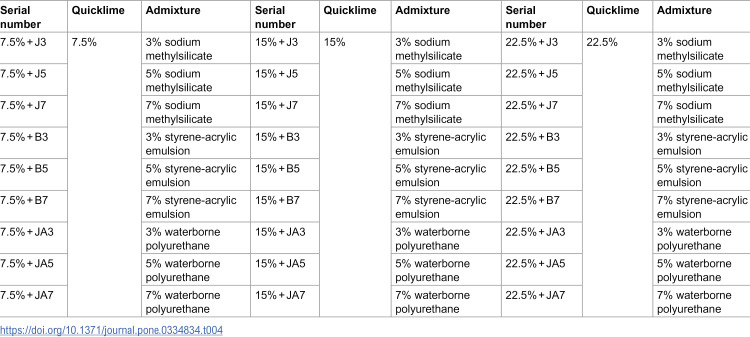 Figure 43
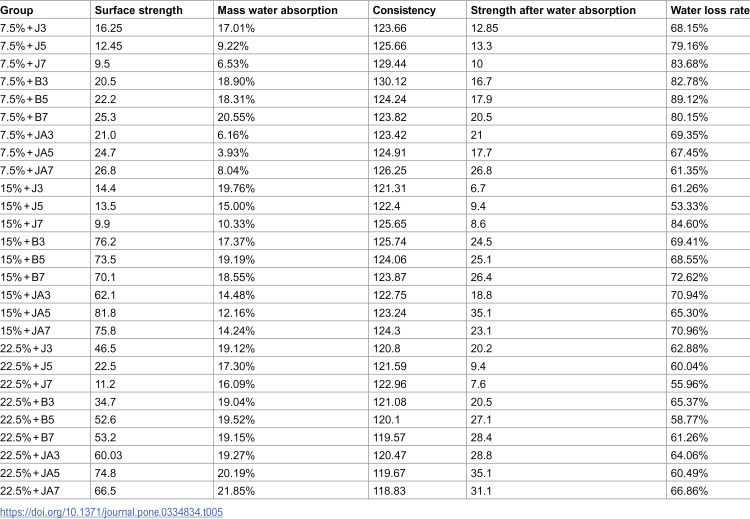 Figure 44
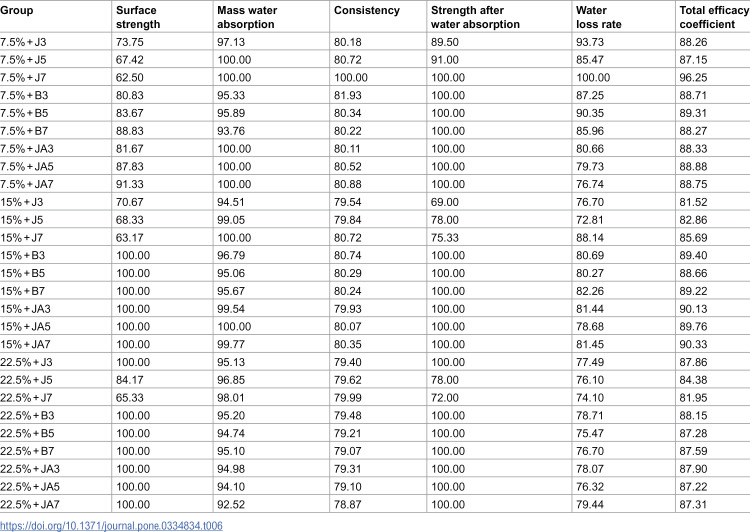 Figure 45
Peer Reviews
No public reviews on file for this paper yet. If you reviewed it on a platform where reviews are public (OpenReview, ICLR, NeurIPS, ICML), you can paste yours below so the community can read it here.
Videos
No videos yet. Explain this paper in a talk, walkthrough, or lecture? Add one.
Taxonomy
TopicsMicrobial Applications in Construction Materials · Concrete and Cement Materials Research · Structural Behavior of Reinforced Concrete