Phytochemical characterization and anticancer potential of Psidium cattleianum Sabine aerial parts’ n-hexane extract and its subfractions
Eman M. El-Deeb, Fatma A. Moharram, Hussein S. Taha, Mohamed R. Elgindi, Kuei-Hung Lai, Hassan Y. Ebrahim, Heba E. Elsayed

TL;DR
This study explores the phytochemical makeup and anticancer effects of Psidium cattleianum extract and its subfractions, showing promise against breast and colon cancer cells.
Contribution
The study identifies specific phytochemicals in Psidium cattleianum extract and demonstrates their potent anticancer activity in vitro.
Findings
The n-hexane extract of Psidium cattleianum showed potent cytotoxicity against MCF-7 and HCT-116 cancer cells.
Subfractions rich in caryophyllene oxide exhibited the best activity in wound closure and colony formation assays.
Molecular docking suggests β-caryophyllene oxide binds favorably to the estrogen receptor ligand binding domain.
Abstract
Psidium cattleianum Sabine (Family Myrtaceae) is a Brazilian native shrub, valued for its diverse health and therapeutic attributes. The current study investigated the phytochemical profile along with the anticancer activities of the n-hexane extract (HE) of P. cattleianum aerial parts and its subfractions. GC-MS and HPTLC-MS were used for phytochemical analysis. The human breast adenocarcinoma cells (MCF-7) and the human colon cancer cells (HCT-116) were used to investigate the anticancer effect in the viability, migration, and clonogenic assays. The GC-MS analysis of HE identified thirty-two components categorized mainly into terpenes, hydrocarbons, and sterols. β-caryophyllene oxide (12.07%) and humulene (7.42%) were the most abundant oxygenated and non-oxygenated metabolites, respectively. Concerning HE’s subfractions, fraction I is prolific with caryophyllene oxide (19.48%) and…
Genes, proteins, chemicals, diseases, species, mutations and cell lines named across the full text — each resolved to its canonical identifier and authoritative record.
Click any figure to enlarge with its caption.
 Figure 1
 Figure 2
 Figure 3
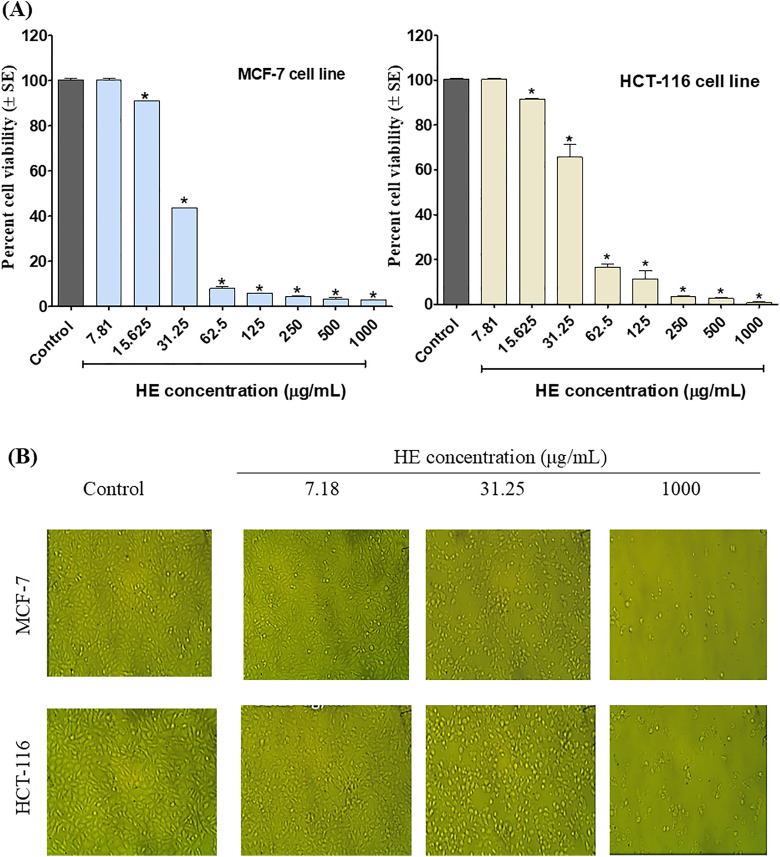 Figure 4
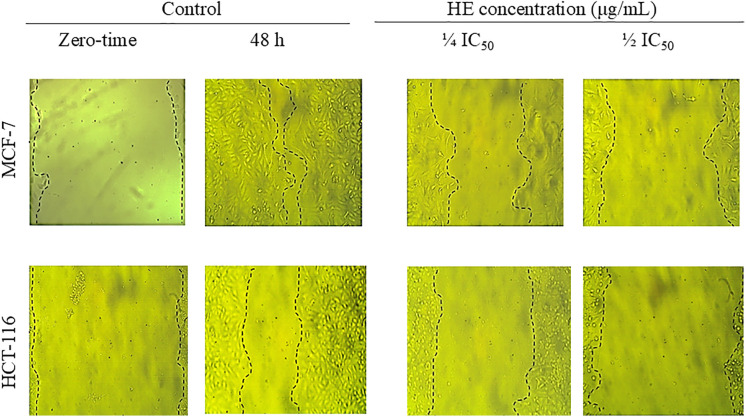 Figure 5
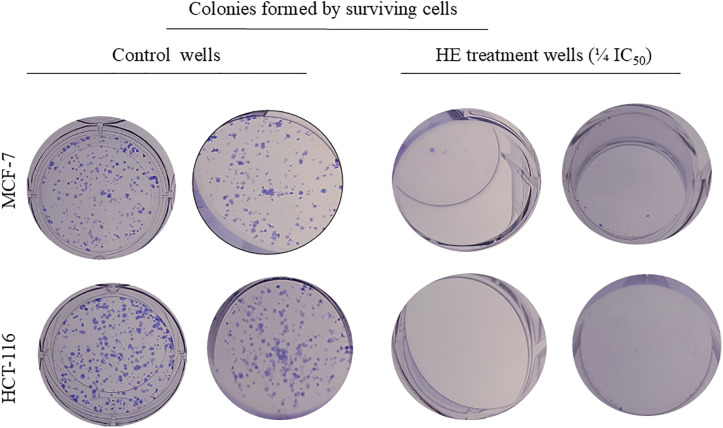 Figure 6
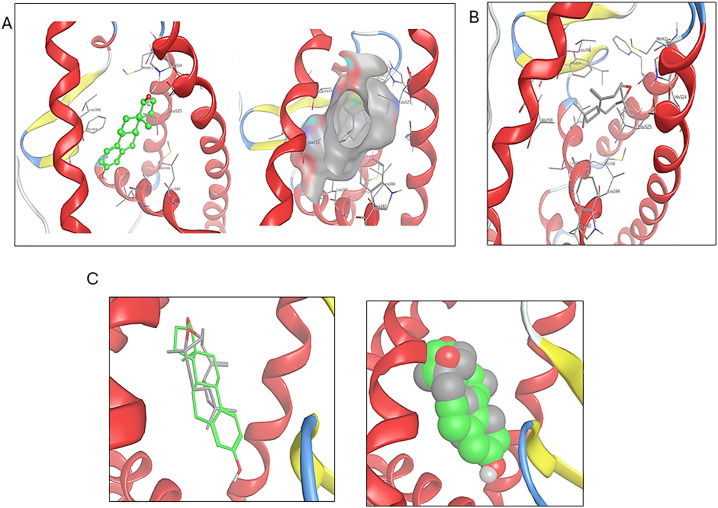 Figure 7
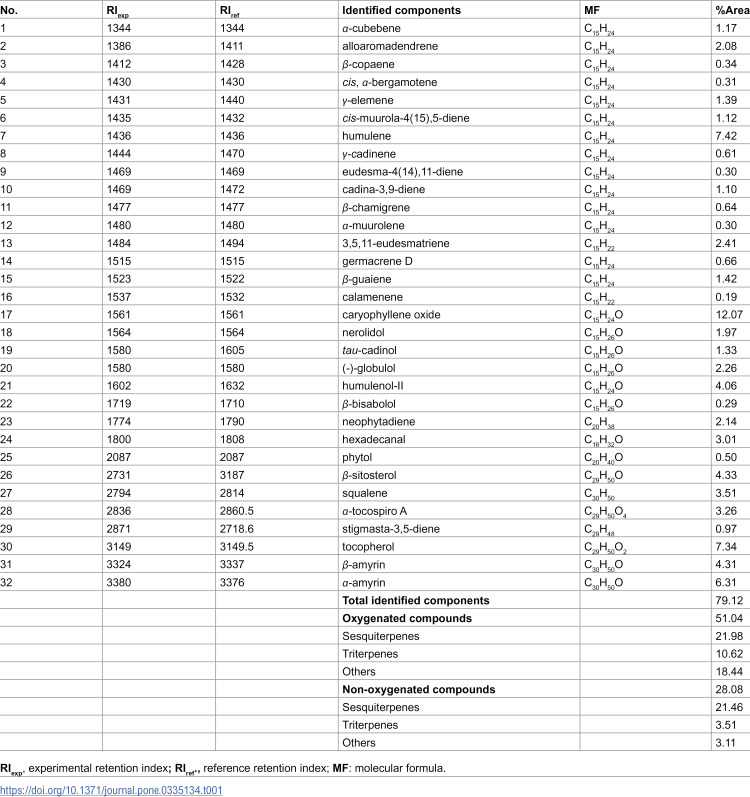 Figure 8
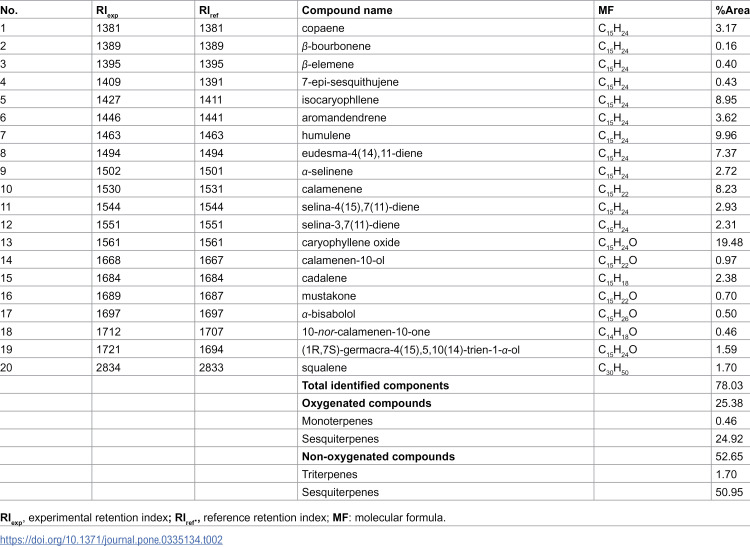 Figure 9
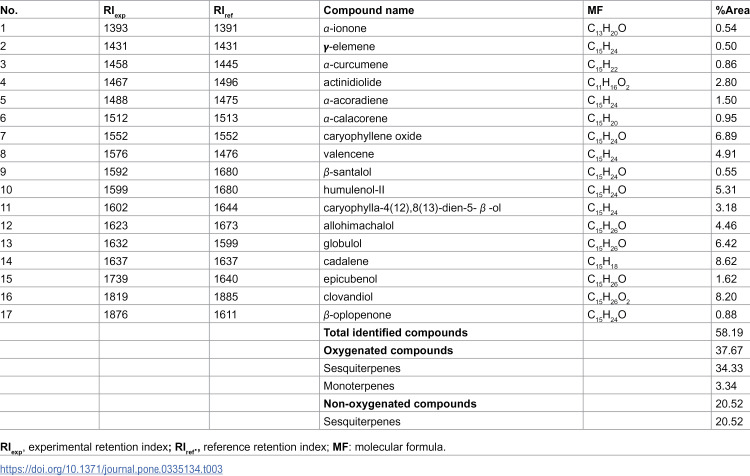 Figure 10
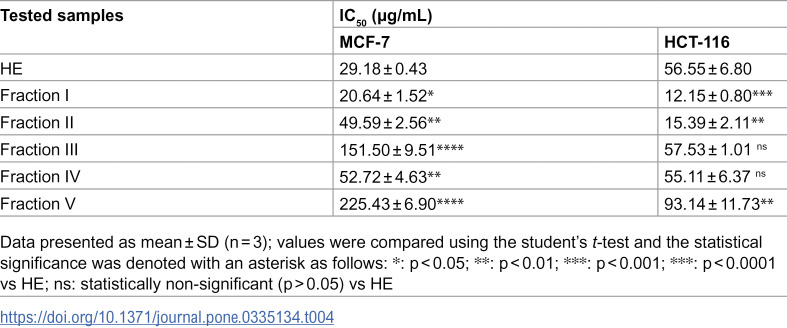 Figure 11
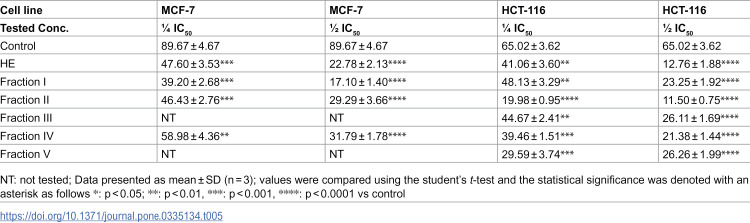 Figure 12
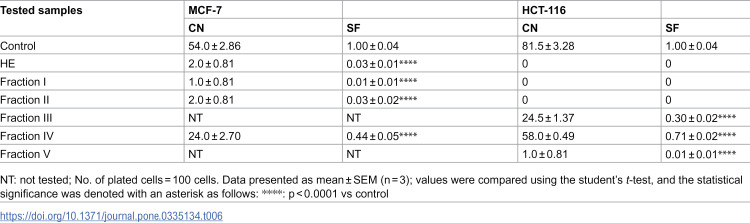 Figure 13
Peer Reviews
No public reviews on file for this paper yet. If you reviewed it on a platform where reviews are public (OpenReview, ICLR, NeurIPS, ICML), you can paste yours below so the community can read it here.
Videos
No videos yet. Explain this paper in a talk, walkthrough, or lecture? Add one.
Taxonomy
TopicsPsidium guajava Extracts and Applications · Essential Oils and Antimicrobial Activity · Phytochemistry Medicinal Plant Applications