Computational evaluation of AKT2 mutations reveals R274H and R467W as potential drivers of protein instability and inhibitor resistance in cancer therapy
Sadia Afrin Runa, Mahafujul Islam Quadery Tonmoy, Md. Ashiqul Islam, Md. Aminul Islam

TL;DR
This study uses computational methods to identify AKT2 mutations that may cause cancer therapy resistance by destabilizing the protein and reducing inhibitor binding.
Contribution
The study identifies R274H and R467W as novel AKT2 mutations that disrupt inhibitor binding and protein stability, contributing to cancer therapy resistance.
Findings
R274H and R467W mutations in AKT2 reduce binding affinity for cancer inhibitors like Capivasertib and Ipatasertib.
These mutations cause structural deviations and increased residue flexibility, weakening inhibitor interactions.
R467W has the most pronounced destabilizing effect on the AKT2 protein.
Abstract
Cancer remains a leading cause of mortality worldwide, with genetic alterations such as single nucleotide polymorphisms (SNPs) playing a critical role in tumor progression and therapy resistance. Non-synonymous SNPs (nsSNPs) in AKT2, a key kinase in the PI3K/AKT signaling pathway, can impact protein structure and function, leading to reduced efficacy of targeted cancer therapies. This study employs computational approaches to investigate the structural and functional consequences of nsSNPs in the AKT2 and their impact on inhibitor interactions. Three structurally and functionally significant nsSNPs (Y265N, R274H, and R467W) were identified where only R274H and R467W were associated with reduced inhibitor binding. R274H, and R467Wwere found to disrupt key molecular mechanisms, including metal binding, loss of allosteric sites, and alterations in post-translational modifications.…
Genes, proteins, chemicals, diseases, species, mutations and cell lines named across the full text — each resolved to its canonical identifier and authoritative record.
Click any figure to enlarge with its caption.
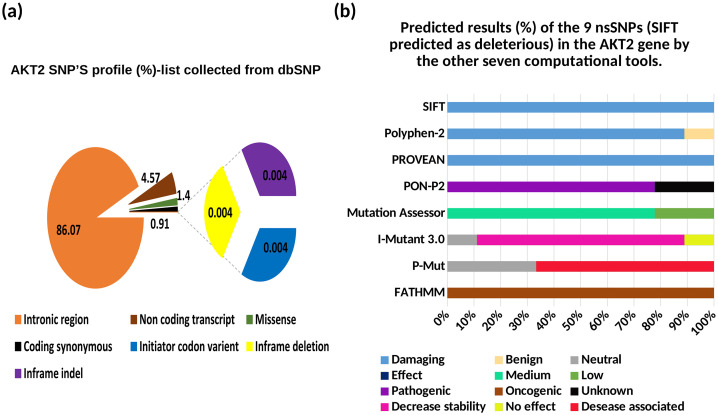 Figure 1
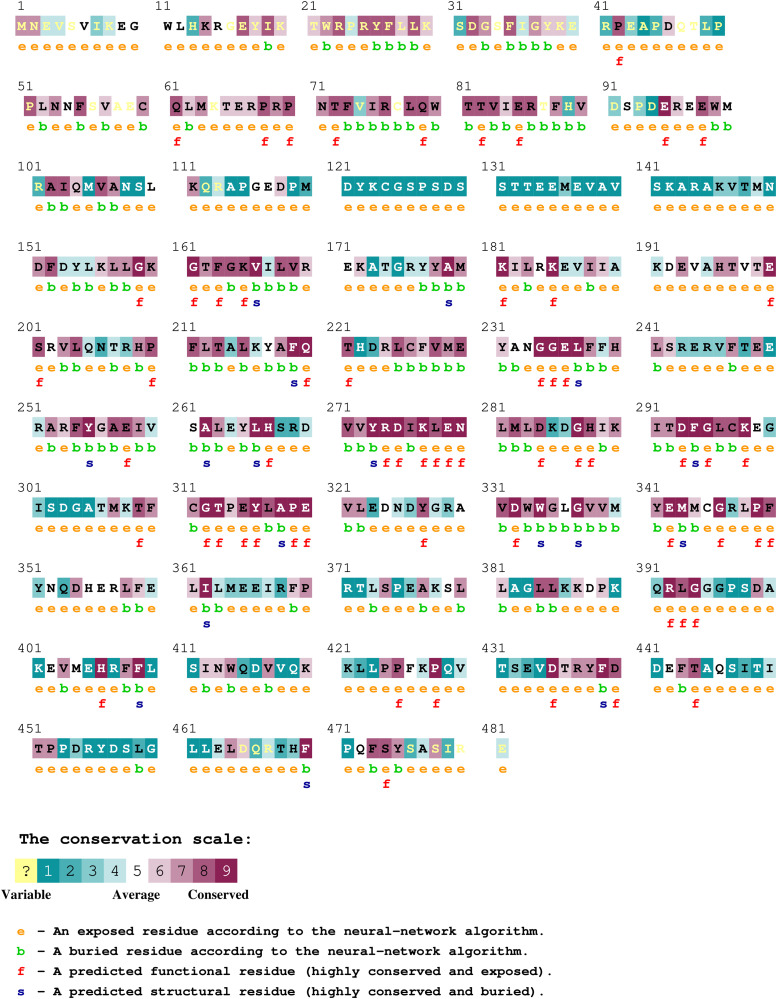 Figure 2
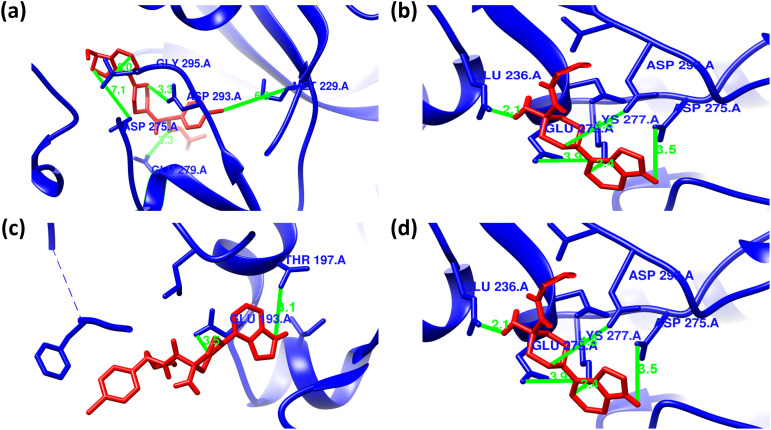 Figure 3
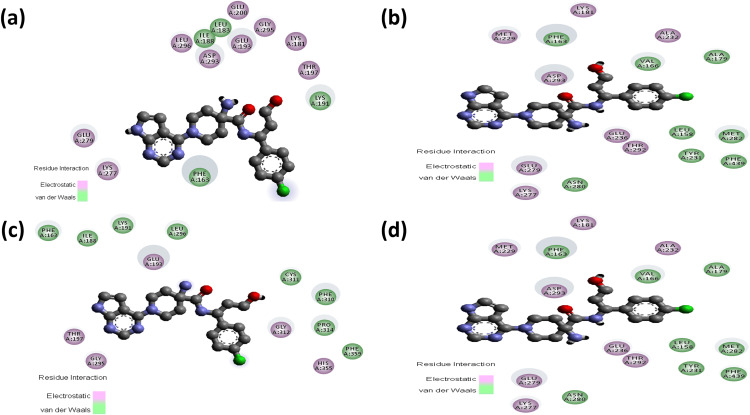 Figure 4
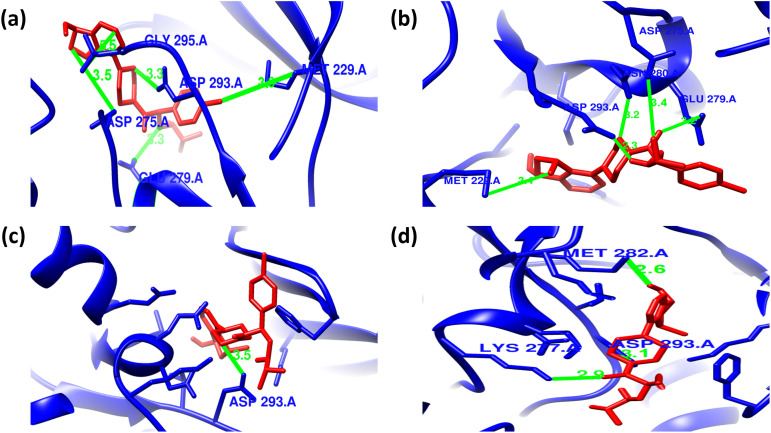 Figure 5
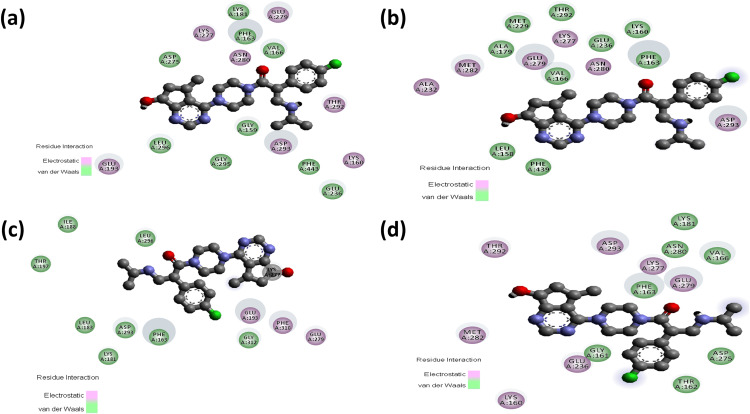 Figure 6
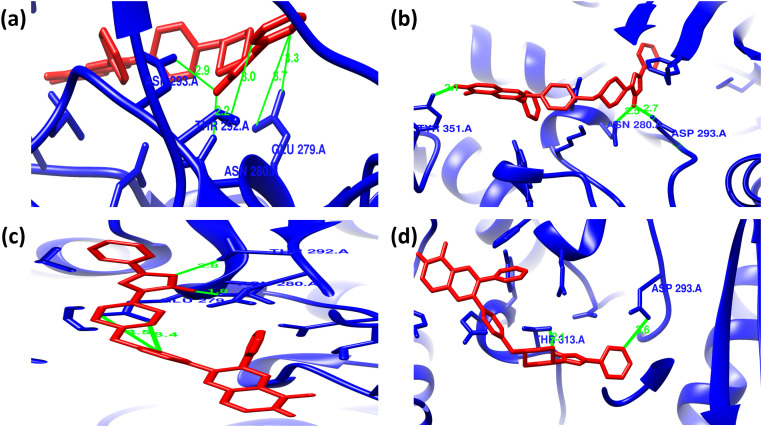 Figure 7
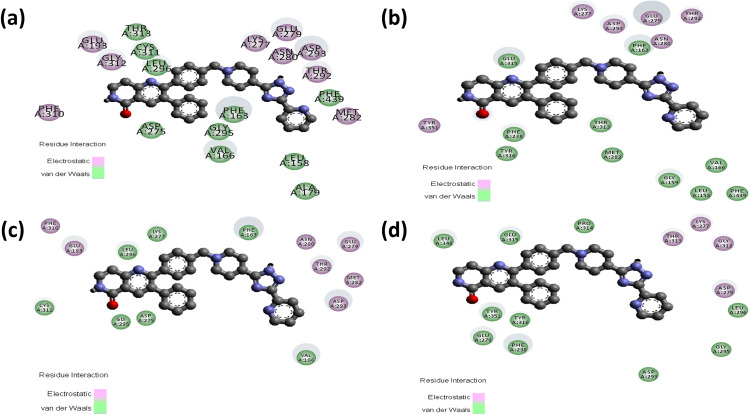 Figure 8
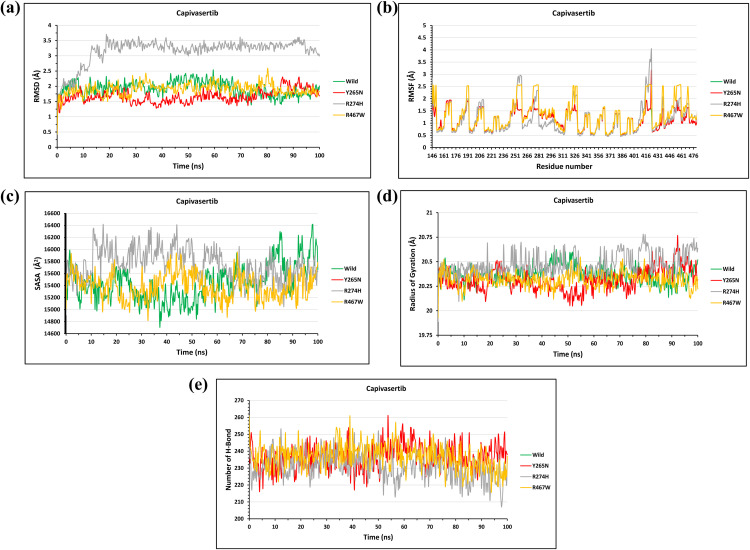 Figure 9
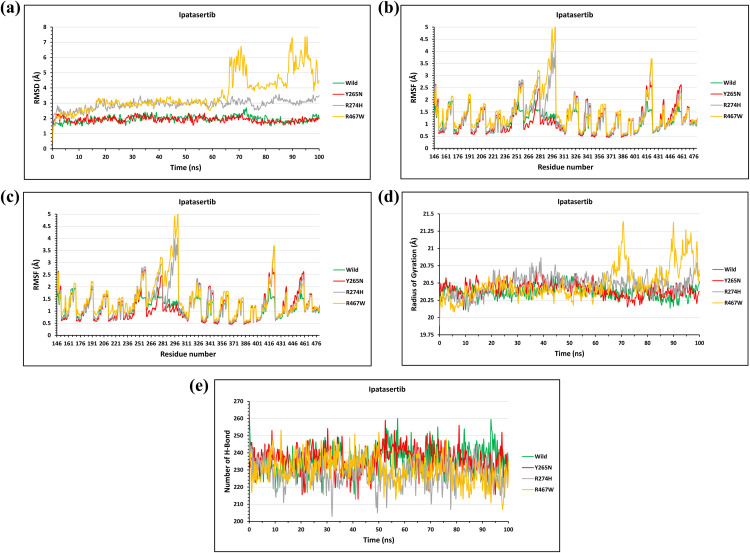 Figure 10
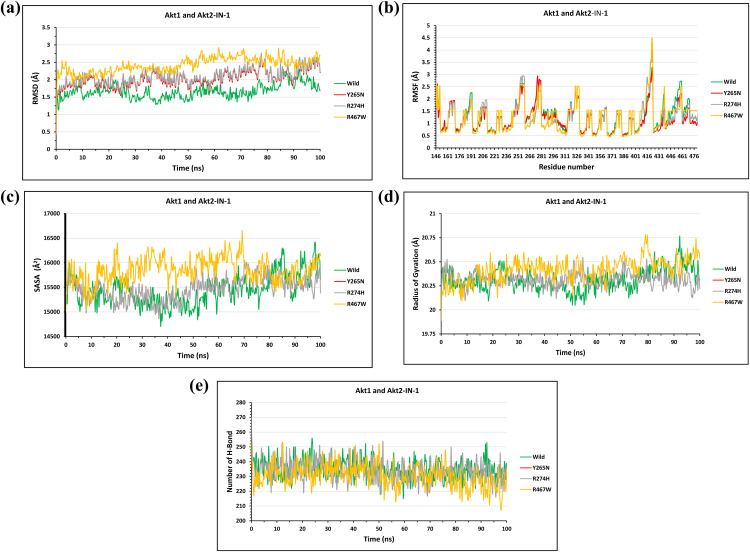 Figure 11
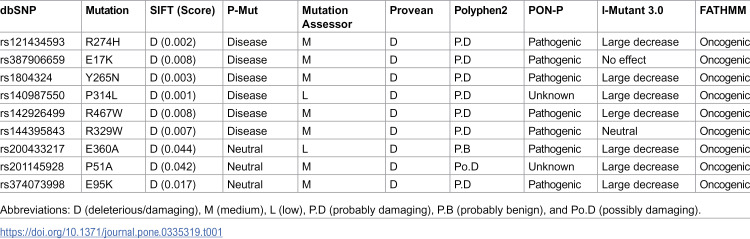 Figure 12
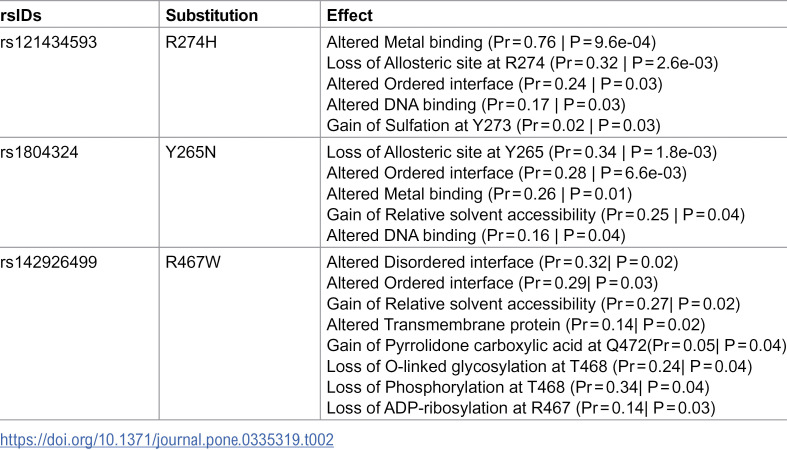 Figure 13
 Figure 14
Peer Reviews
No public reviews on file for this paper yet. If you reviewed it on a platform where reviews are public (OpenReview, ICLR, NeurIPS, ICML), you can paste yours below so the community can read it here.
Videos
No videos yet. Explain this paper in a talk, walkthrough, or lecture? Add one.
Taxonomy
TopicsPI3K/AKT/mTOR signaling in cancer · Genomics and Rare Diseases · Biochemical and Molecular Research