Flavin affinity for the reductase HpaC differentially sensitizes Neisseria gonorrhoeae during Type IV pilus-dependent killing
Linda I. Hu, Egon A. Ozer, H. S. Seifert, William M Shafer, D. Scott Samuels, William M Shafer, D. Scott Samuels, William M Shafer, D. Scott Samuels

TL;DR
This study explores how a bacterial protein called HpaC helps Neisseria gonorrhoeae resist immune defenses, both with and without the Type IV pilus.
Contribution
The study identifies a mutation in HpaC that enhances flavin affinity and reveals its dual role in pilus-dependent and -independent resistance mechanisms.
Findings
A Gly93Cys mutation in HpaC increases FAD affinity and reduces streptonigrin sensitivity.
HpaC contributes to resistance against hydrogen peroxide and LL-37 via the Type IV pilus.
HpaC's role in FAD oxidation and reduction impacts resistance to neutrophil-mediated killing.
Abstract
The Neisseria gonorrhoeae Type IV pilus is a dynamic fiber involved in host cell attachment, DNA transformation, twitching motility, and evading the innate immune system. We previously reported that pilus expression affects iron homeostasis and sensitivity to killing by oxidative (iron-dependent antibiotic streptonigrin and hydrogen peroxide and non-oxidative (antimicrobial peptide LL-37) agents. Here, we use in vitro evolution to identify genes involved in N. gonorrhoeae susceptibility to streptonigrin. We identified a mutation in the NGO0059 locus that encodes HpaC that results in a glycine to cysteine change in position 93. Although HpaC homologs are known as part of a two-component FAD-dependent monooxygenase system consisting of an hpaC reductase and an hpaB monooxygenase, Neisseria lack the monooxygenase. While HpaC increases streptonigrin sensitivity, HpaC also promotes hydrogen…
Genes, proteins, chemicals, diseases, species, mutations and cell lines named across the full text — each resolved to its canonical identifier and authoritative record.
Click any figure to enlarge with its caption.
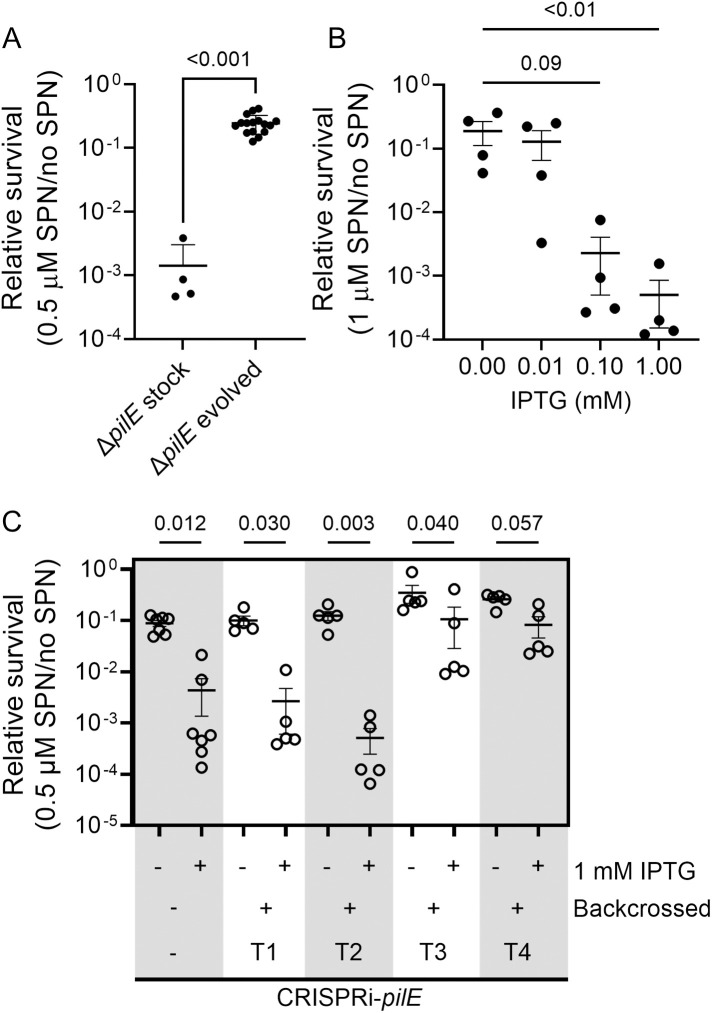 Figure 1
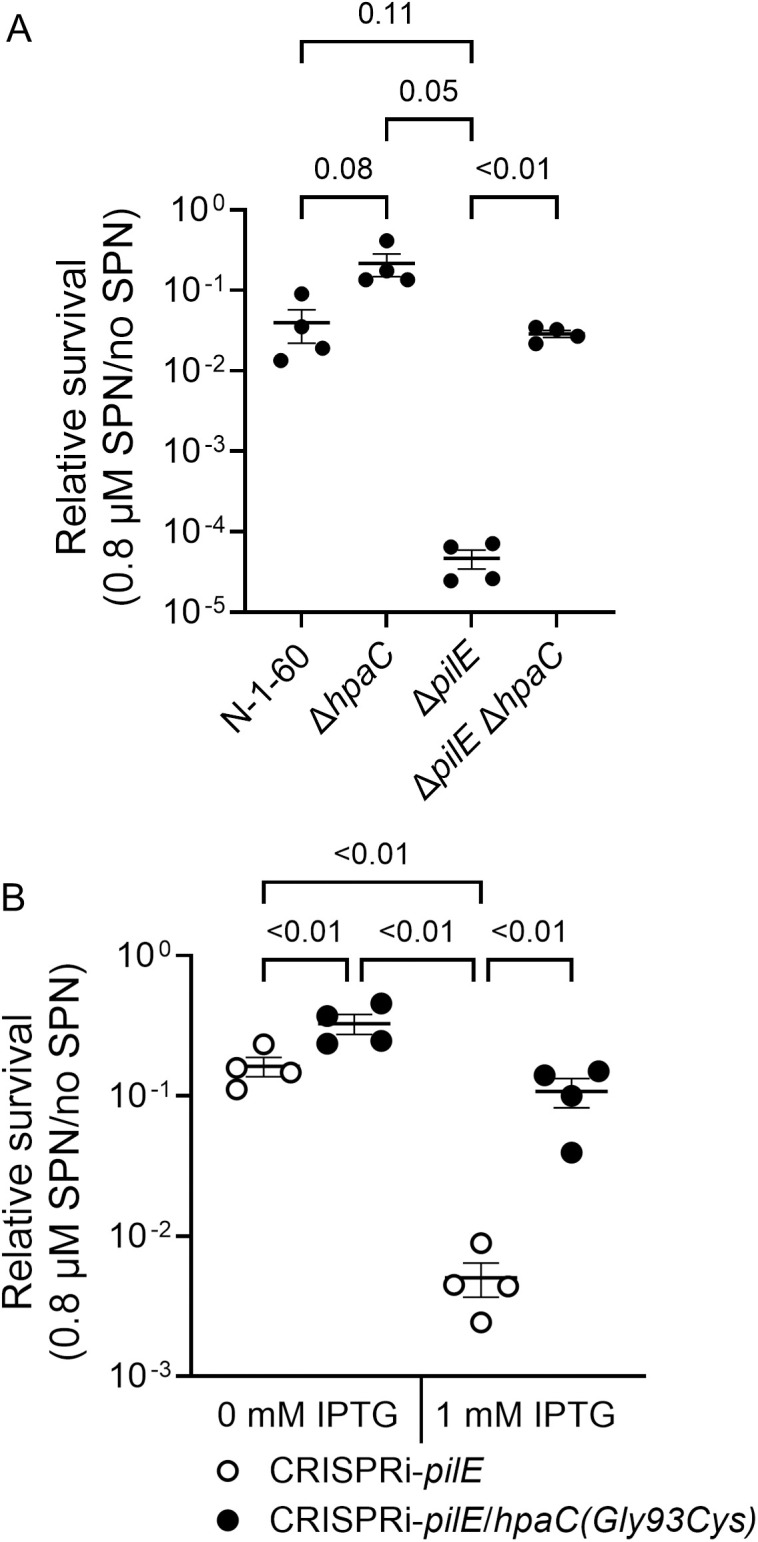 Figure 2
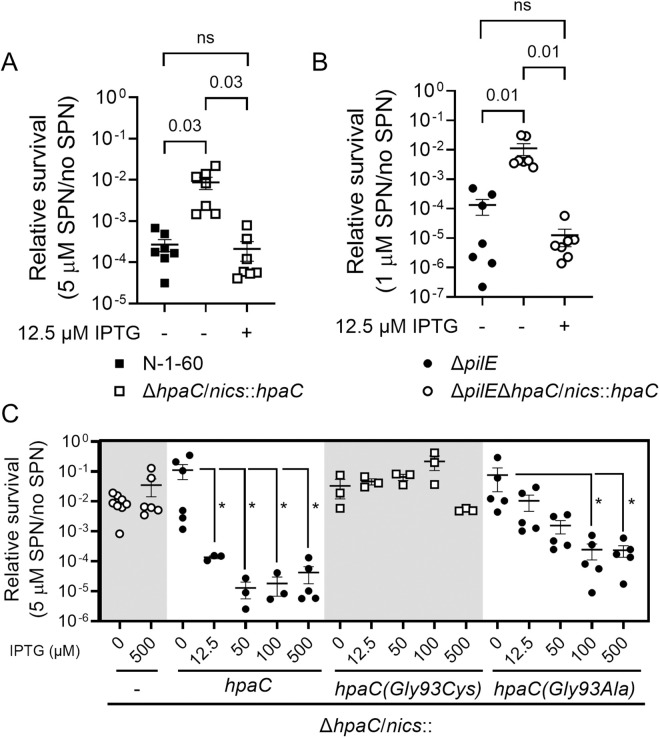 Figure 3
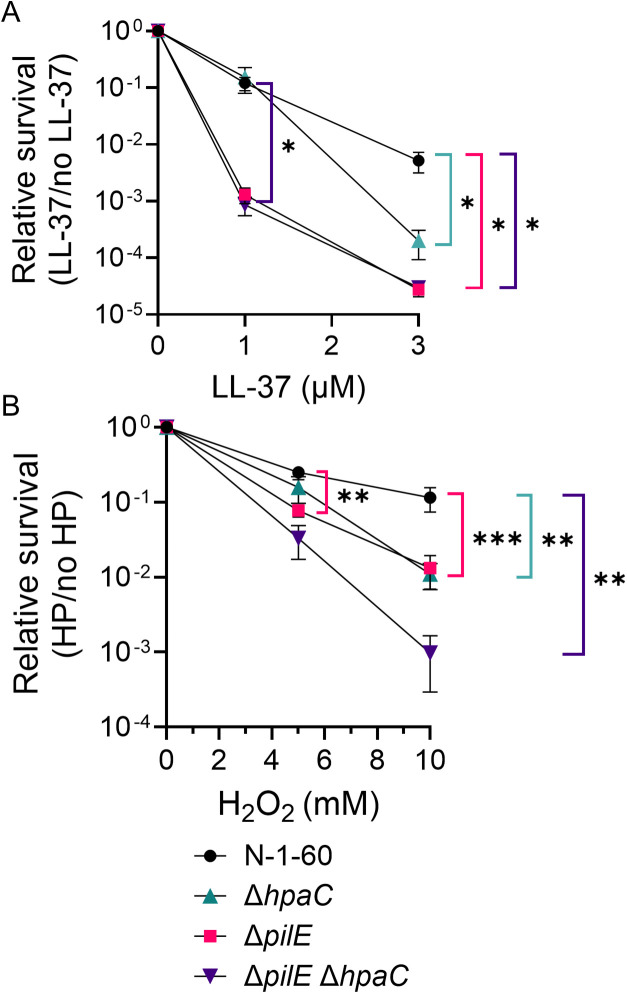 Figure 4
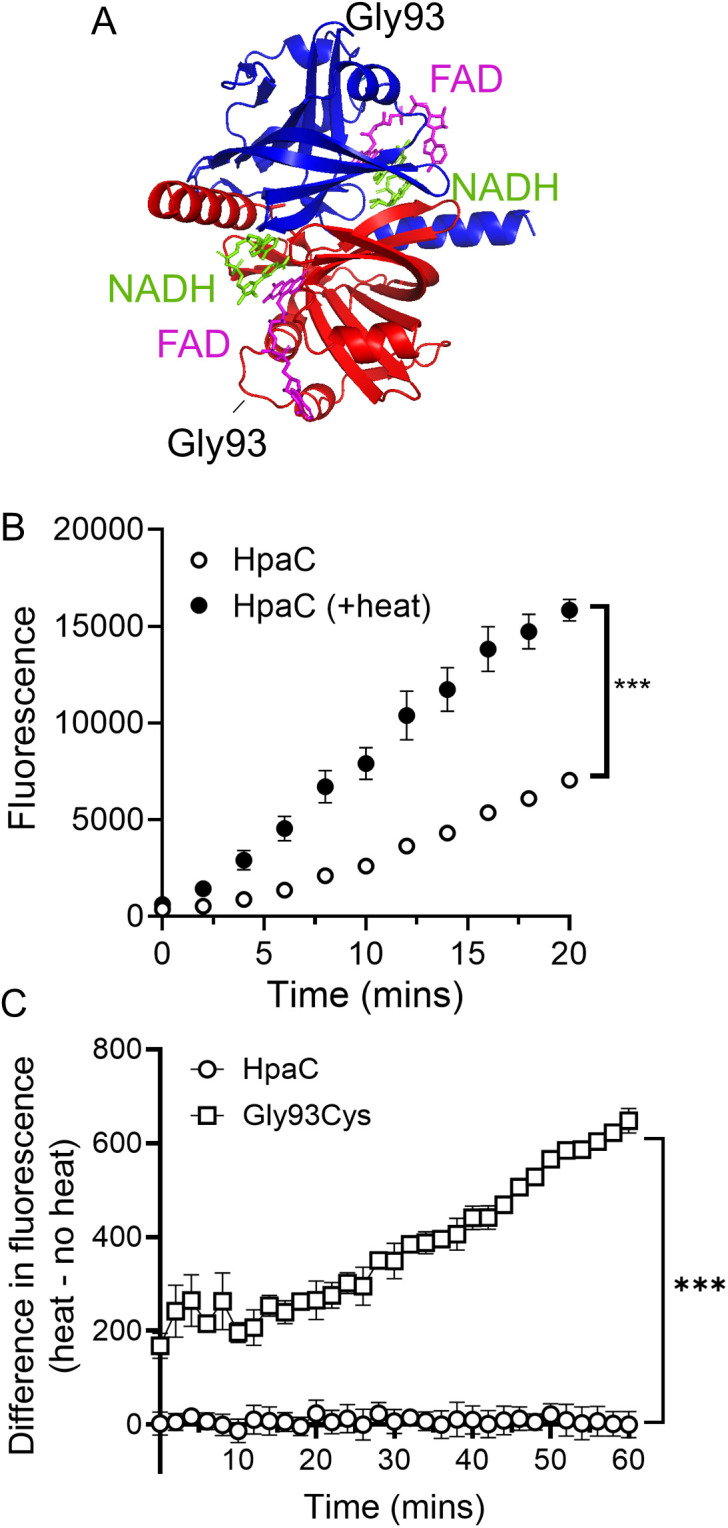 Figure 5
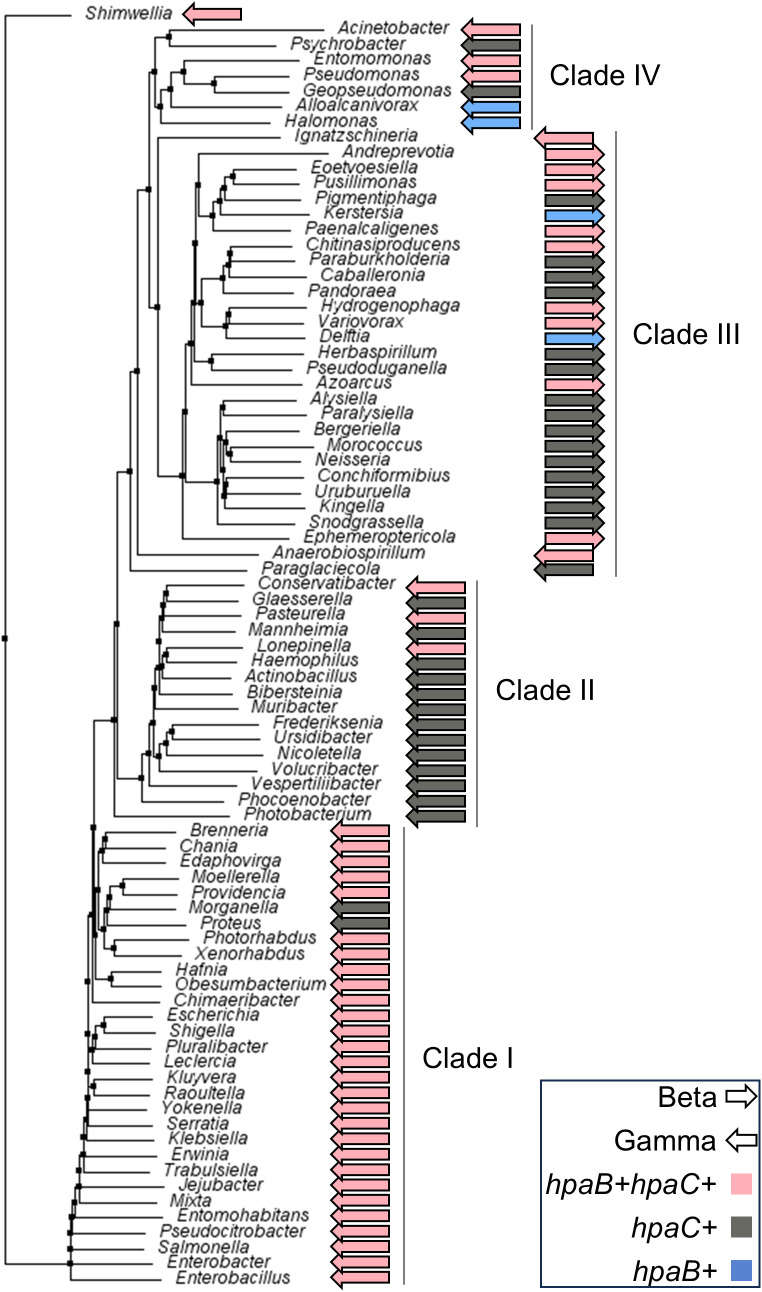 Figure 6
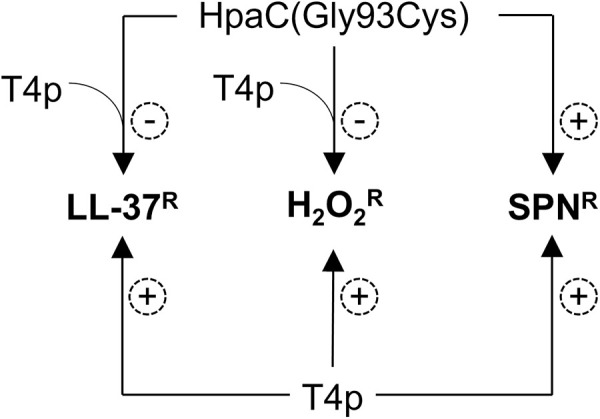 Figure 7
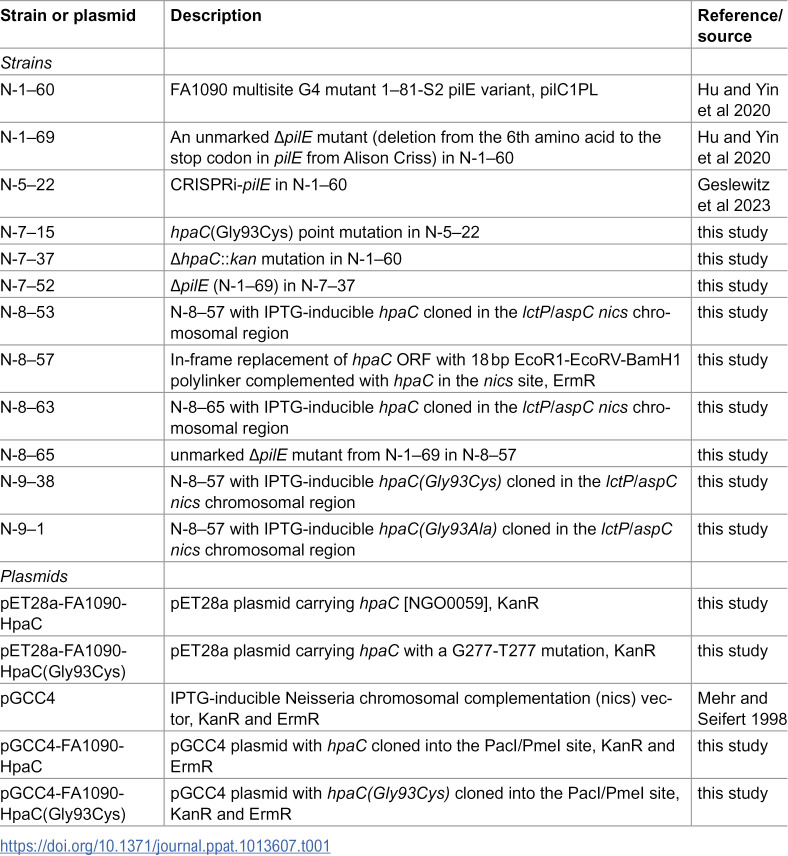 Figure 8
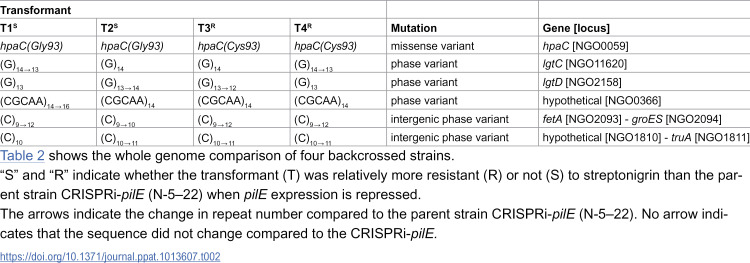 Figure 9
Peer Reviews
No public reviews on file for this paper yet. If you reviewed it on a platform where reviews are public (OpenReview, ICLR, NeurIPS, ICML), you can paste yours below so the community can read it here.
Videos
No videos yet. Explain this paper in a talk, walkthrough, or lecture? Add one.
Taxonomy
TopicsNeutrophil, Myeloperoxidase and Oxidative Mechanisms · Bacterial Infections and Vaccines · Reproductive tract infections research