Comparison of serum lactate and lactate-derived ratios as prognostic biomarkers in pediatric dengue shock syndrome using supervised machine learning models
Nguyen Tat Thanh, Vo Thanh Luan, Muhammad Iqhrammullah, Muhammad Iqhrammullah, Muhammad Iqhrammullah, Muhammad Iqhrammullah, Muhammad Iqhrammullah

TL;DR
This study compares serum lactate and lactate-derived ratios as predictors of severe outcomes in children with dengue shock syndrome, finding that the lactate-to-albumin ratio performs best.
Contribution
The study introduces and validates the lactate-to-albumin ratio (LAR) as a more effective prognostic biomarker than serum lactate in pediatric dengue shock syndrome.
Findings
LAR showed superior predictive performance (AUC: 0.82) compared to serum lactate (AUC: 0.72) and LB ratio (AUC: 0.68).
Random forest, XGBoost, and SVM models achieved the highest predictive accuracy in the study.
SHAP analysis confirmed LAR as the most influential predictor among lactate-based variables.
Abstract
Dengue shock syndrome (DSS), with critical complications encompassing mechanical ventilation (MV), dengue-associated acute liver failure (PALF), and encephalitis, is associated with high mortality in children. Although serum lactate is a recognized prognostic biomarker, it may not fully reflect the complex metabolic disturbances in DSS. Recent evidence suggests that lactate-derived indices, including lactate-to-albumin ratio (LAR) and lactate-to-bicarbonate ratio (LB), may enhance prognostic accuracy. This study aimed to evaluate and compare the predictive performance of the LAR, LB ratio, and serum lactate levels in pediatric DSS using machine learning approaches. We conducted a secondary analysis of a retrospective cohort study involving children with DSS at a tertiary pediatric center in Vietnam (2013–2022). The primary composite endpoint included in-hospital mortality, MV,…
Genes, proteins, chemicals, diseases, species, mutations and cell lines named across the full text — each resolved to its canonical identifier and authoritative record.
Click any figure to enlarge with its caption.
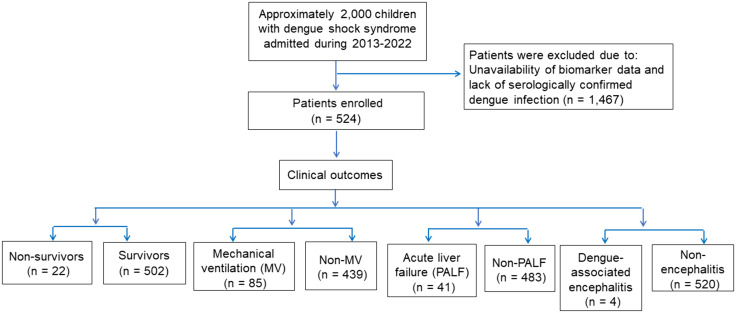 Figure 1
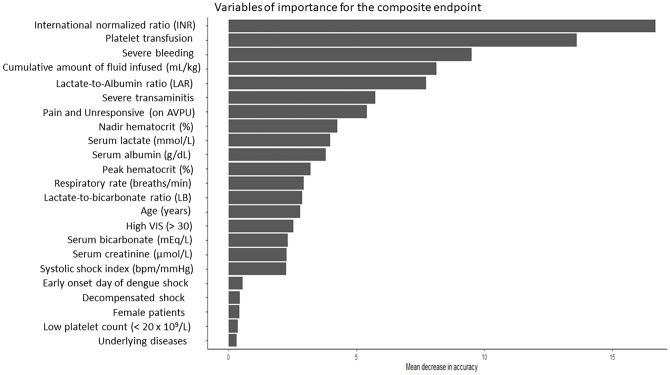 Figure 2
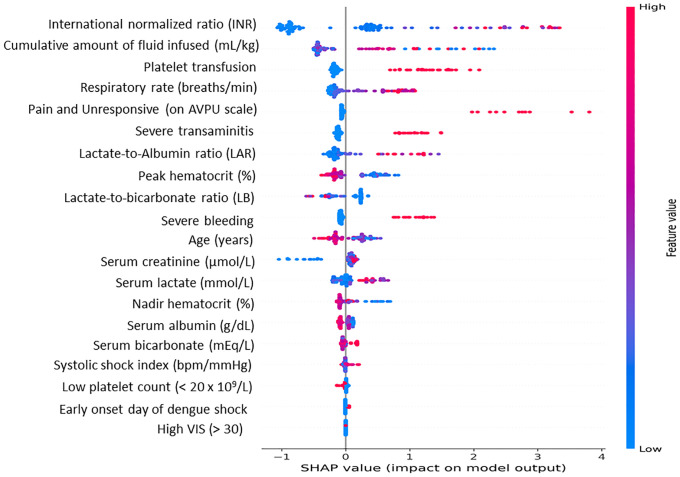 Figure 3
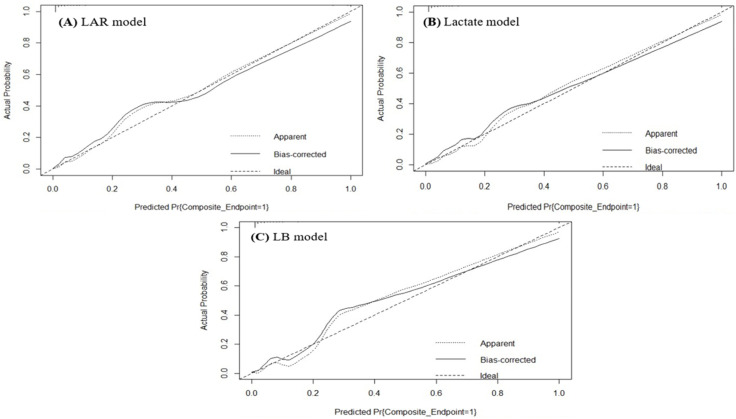 Figure 4
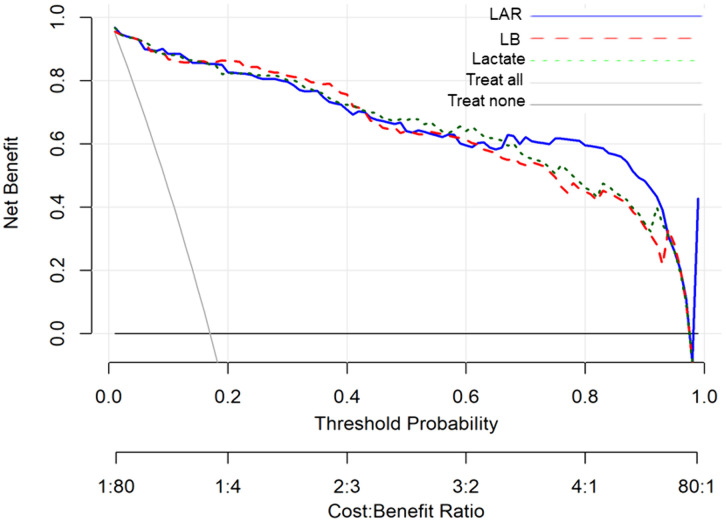 Figure 5
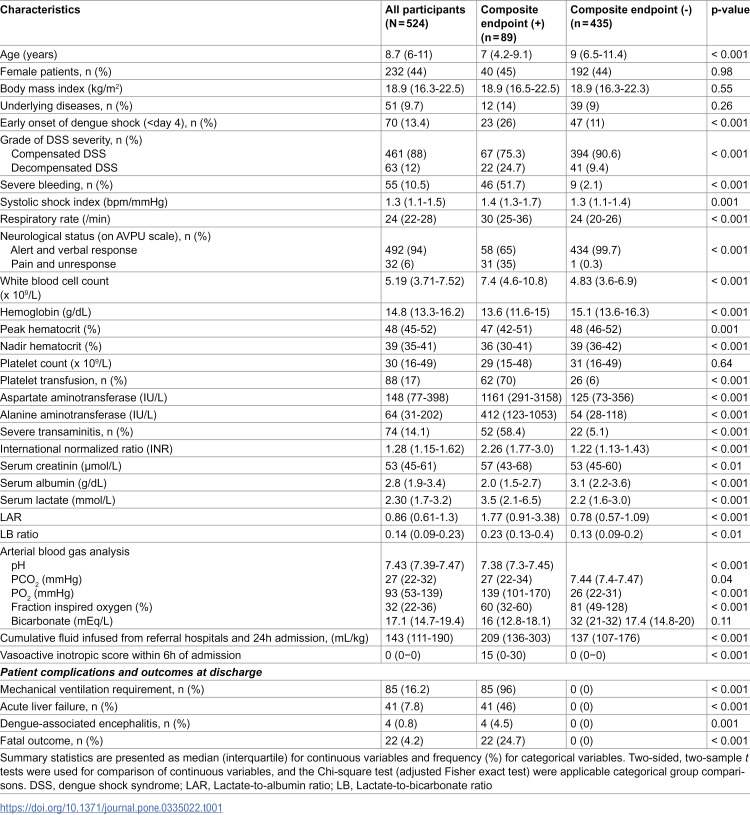 Figure 6
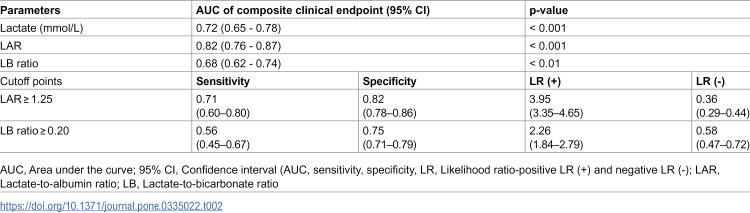 Figure 7
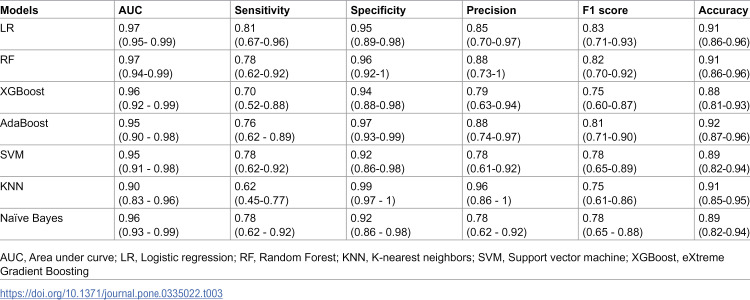 Figure 8
 Figure 9
Peer Reviews
No public reviews on file for this paper yet. If you reviewed it on a platform where reviews are public (OpenReview, ICLR, NeurIPS, ICML), you can paste yours below so the community can read it here.
Videos
No videos yet. Explain this paper in a talk, walkthrough, or lecture? Add one.
Taxonomy
TopicsMosquito-borne diseases and control · Vibrio bacteria research studies · Anomaly Detection Techniques and Applications