Enrollment patterns among medicaid beneficiaries with sickle cell disease: Multistate findings from the sickle cell data collection program
Ashima Singh, Mahua Dasgupta, Hannah K. Peng, Mei Zhou, Catie Clyde, Brandon K. Attell, Jhaqueline Valle, Sarah L. Reeves, Jeffrey Huebner, Angela B. Snyder

TL;DR
This study examines Medicaid enrollment patterns among people with sickle cell disease, finding that about 12% had enrollment gaps, with disabled adults more likely to stay enrolled continuously.
Contribution
The study provides multistate insights into Medicaid enrollment gaps among sickle cell disease patients and identifies disability as a factor in continuous enrollment.
Findings
Approximately 12% of children and adults with sickle cell disease had Medicaid enrollment gaps between 2017–2019.
Disabled adults were significantly more likely to have continuous Medicaid enrollment compared to those with gaps.
Enrollment patterns and gap duration varied across the four participating states.
Abstract
Majority of individuals living with sickle cell disease (SCD) in the United States are enrolled in Medicaid. The objective of the study was to determine the patterns of Medicaid enrollment among individuals with SCD. We determined the enrollment pattern among SCD Medicaid beneficiaries categorizing them in three groups: continuously enrolled, had exit and no return, had gaps in duration of enrollment during 2017–2019, leveraging the data from the Sickle Cell Data Collection Program in four states. We compared characteristics of individuals with gaps and those continuously enrolled using chi square tests. Among 5883 children and 9260 adults, 70.5% and 61.8% respectively, were continuously enrolled. Gaps were observed in 12.5% of children and 12.9% of adults. A significantly smaller proportion of adults with gaps as compared to those who had continuous enrollment were disabled (CA:30.6%…
Genes, proteins, chemicals, diseases, species, mutations and cell lines named across the full text — each resolved to its canonical identifier and authoritative record.
Click any figure to enlarge with its caption.
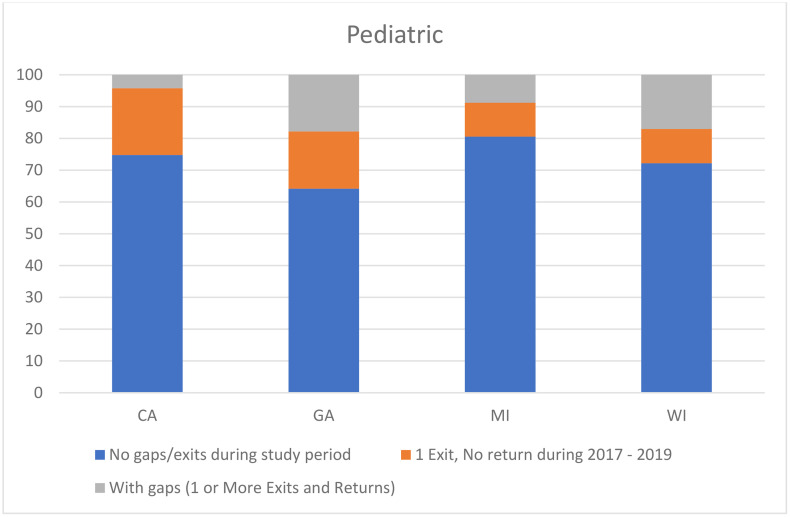 Figure 1
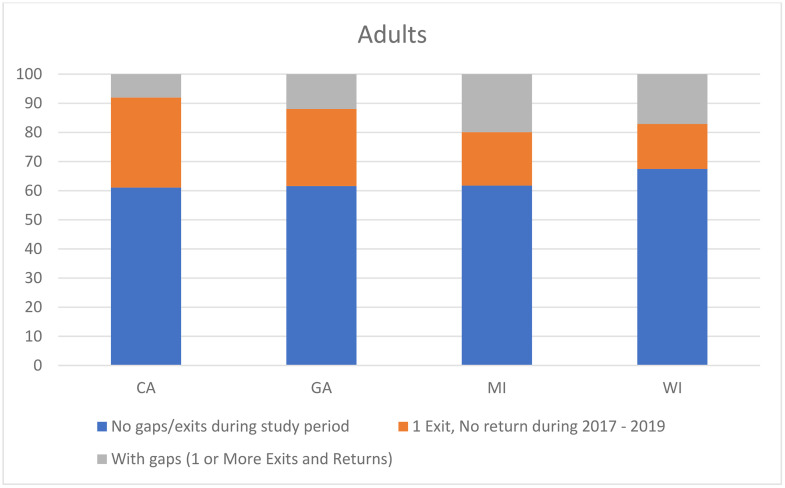 Figure 2
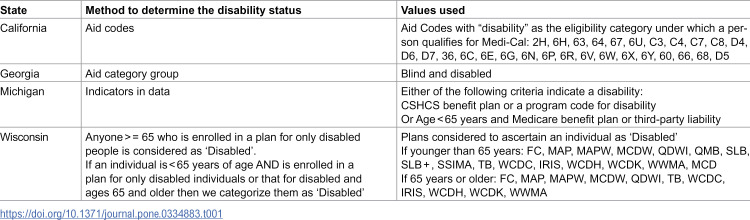 Figure 3
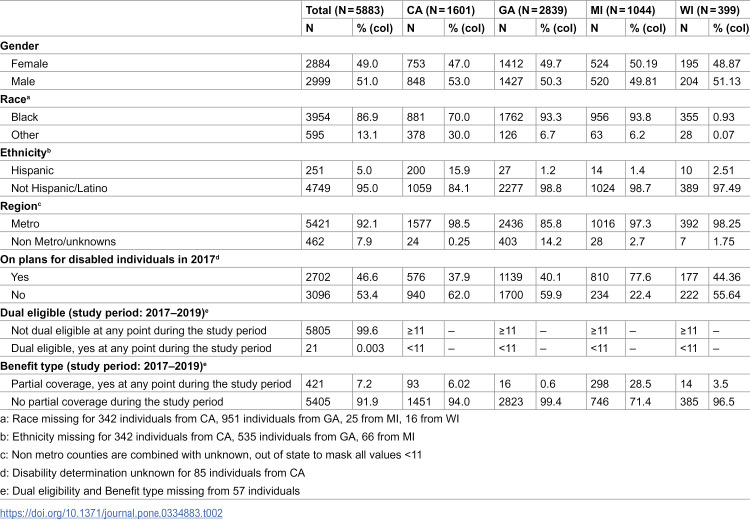 Figure 4
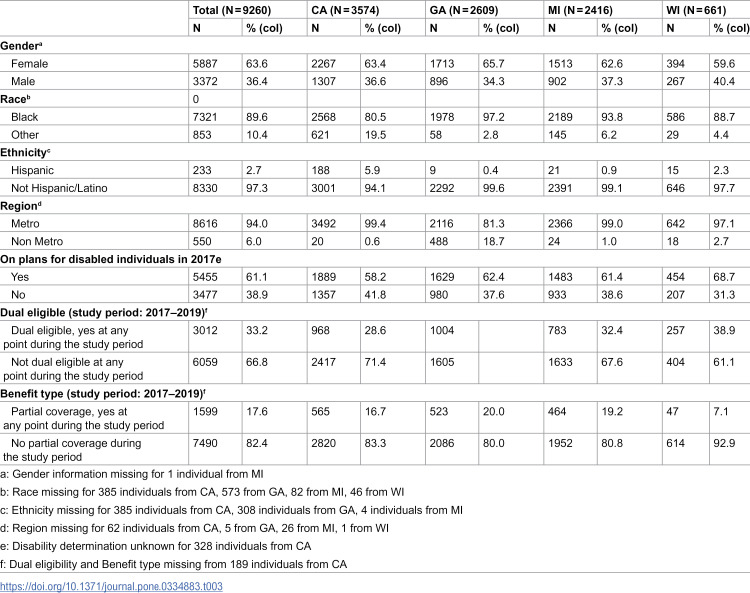 Figure 5
Peer Reviews
No public reviews on file for this paper yet. If you reviewed it on a platform where reviews are public (OpenReview, ICLR, NeurIPS, ICML), you can paste yours below so the community can read it here.
Videos
No videos yet. Explain this paper in a talk, walkthrough, or lecture? Add one.
Taxonomy
TopicsHemoglobinopathies and Related Disorders · Iron Metabolism and Disorders · Autopsy Techniques and Outcomes