Comprehensive analysis of cuproptosis-related genes in diabetic cardiomyopathy
Jun Li, Hua Zhang, Xinyue Duan, Meina Zhang, Xin Li, Chunyan Hao

TL;DR
This study explores how cuproptosis-related genes contribute to diabetic cardiomyopathy, identifying key genes and pathways that could help in developing new diagnostics and treatments.
Contribution
The study identifies and validates cuproptosis-related genes and their roles in diabetic cardiomyopathy using bioinformatics and experimental validation.
Findings
Four hub genes (Idh1, Cyp1a1, Hmgcs2, Hk2) were identified and validated in DCM datasets with AUC > 0.7.
DECRGs are associated with metabolic pathways like TCA cycle, oxidative stress, and electron transport.
qRT-PCR confirmed the expression of key genes in a high glucose-induced cell injury model.
Abstract
Diabetic cardiomyopathy (DCM) represents a distinct myocardial pathology arising from chronic diabetic metabolic disturbances, characterized by progressive structural and functional abnormalities that frequently culminate in heart failure. Cuproptosis, a novel form of cell death, is highly linked to mitochondrial metabolism and mediated by protein lipoylation. However, studies are limited on the clinical significance of cuproptosis-related genes (CRGs) in DCM. Therefore, it is helpful to identify CRGs involved in DCM and explore their expression and molecular mechanisms. We downloaded three datasets of DCM from the GEO database and a set of cuproptosis-related genes with 176 genes. Following the identification of the differentially expressed cuproptosis-related genes(DECRGs) and hub genes, we performed the functional annotation, protein-protein interaction network, co-expression…
Genes, proteins, chemicals, diseases, species, mutations and cell lines named across the full text — each resolved to its canonical identifier and authoritative record.
Click any figure to enlarge with its caption.
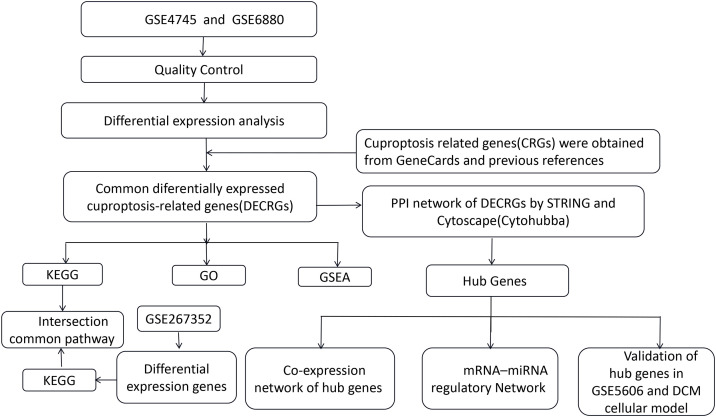 Figure 1
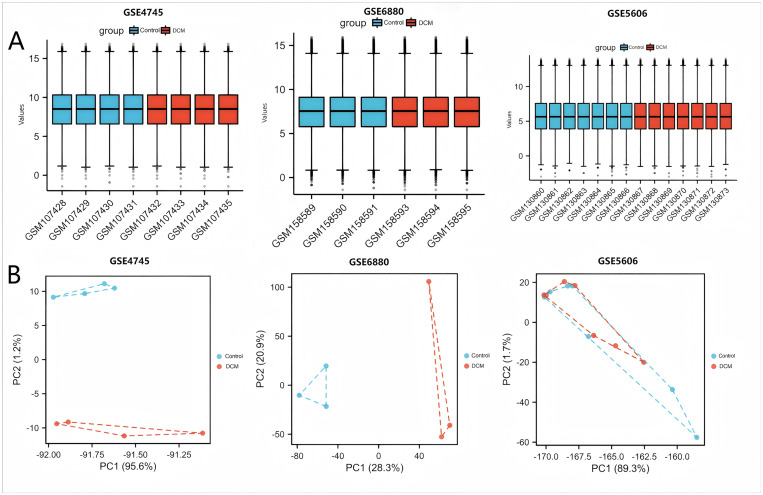 Figure 2
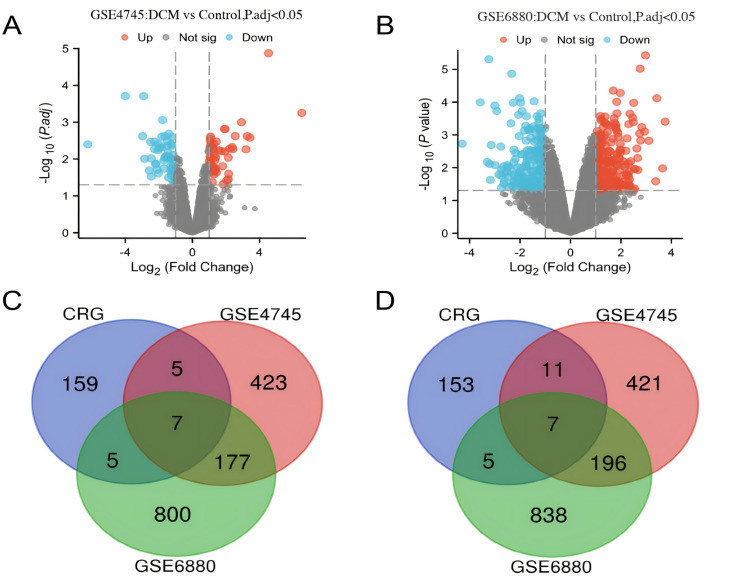 Figure 3
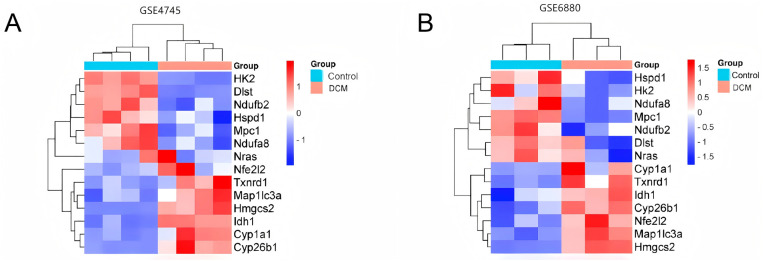 Figure 4
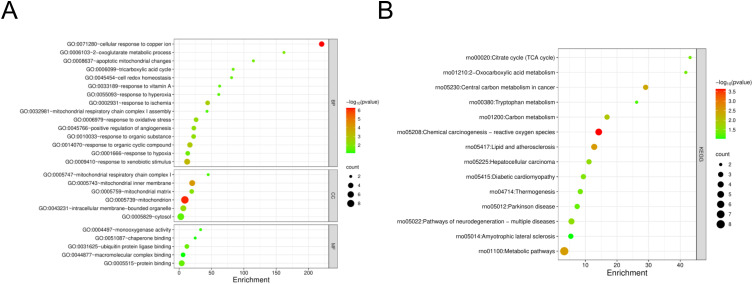 Figure 5
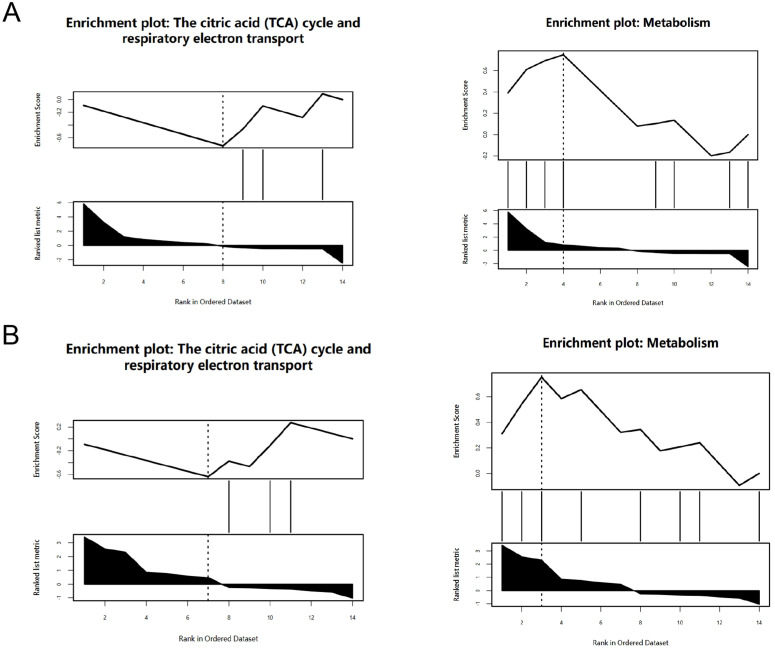 Figure 6
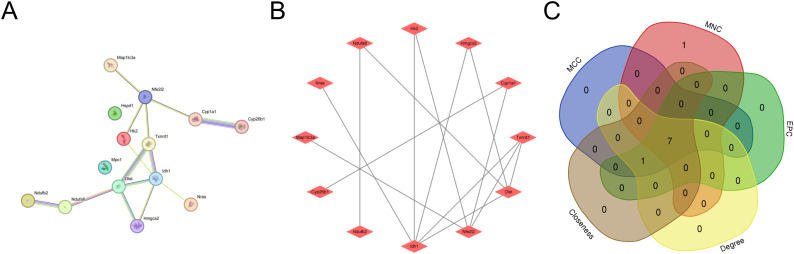 Figure 7
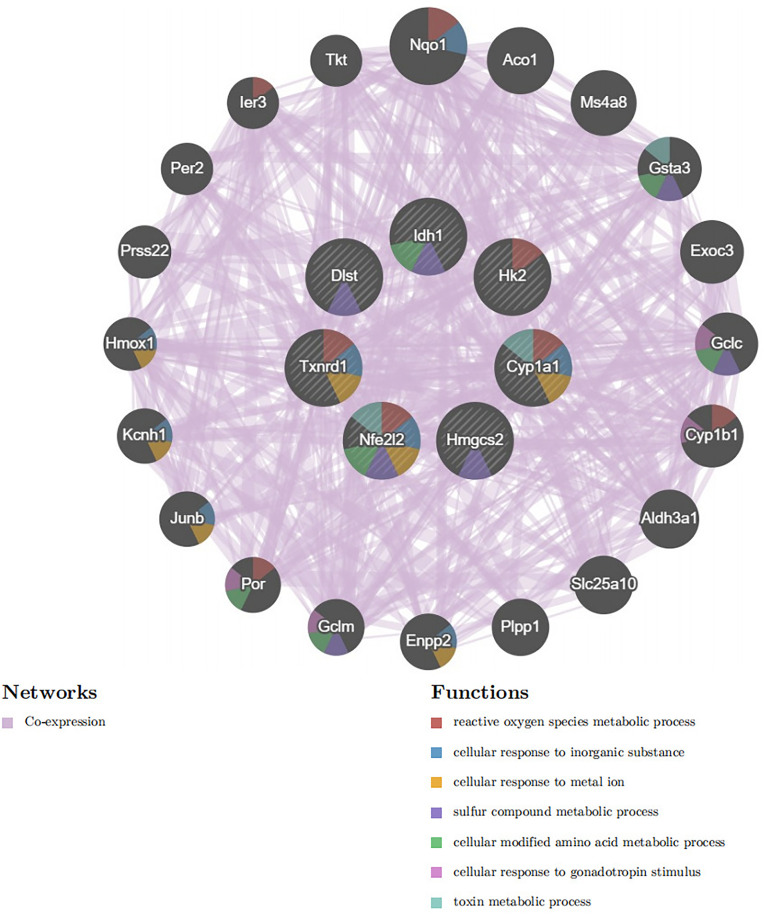 Figure 8
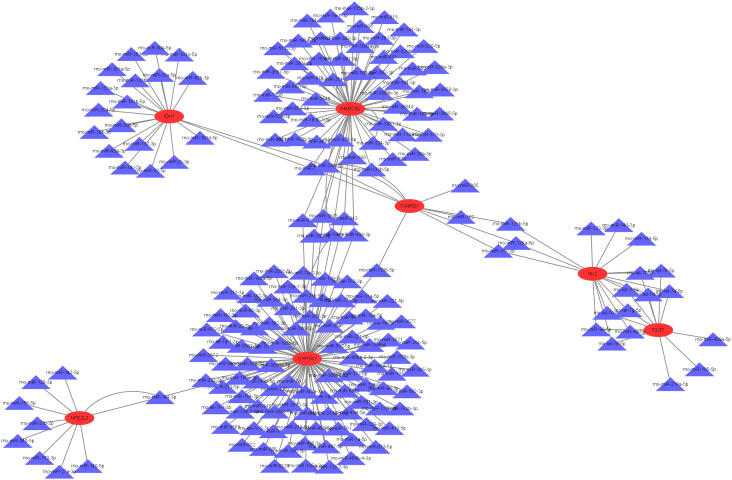 Figure 9
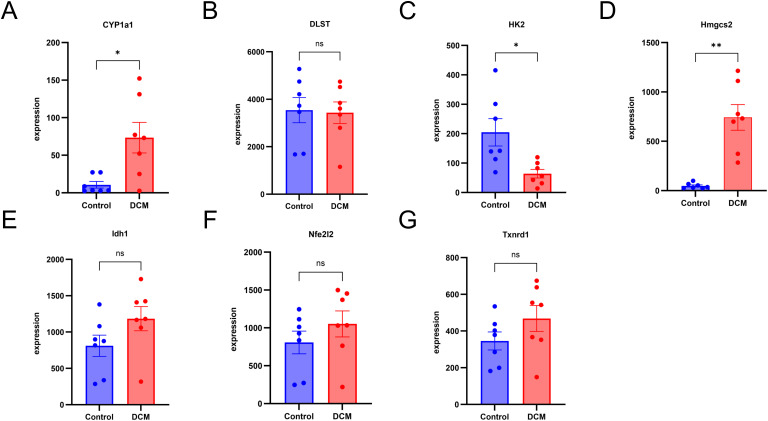 Figure 10
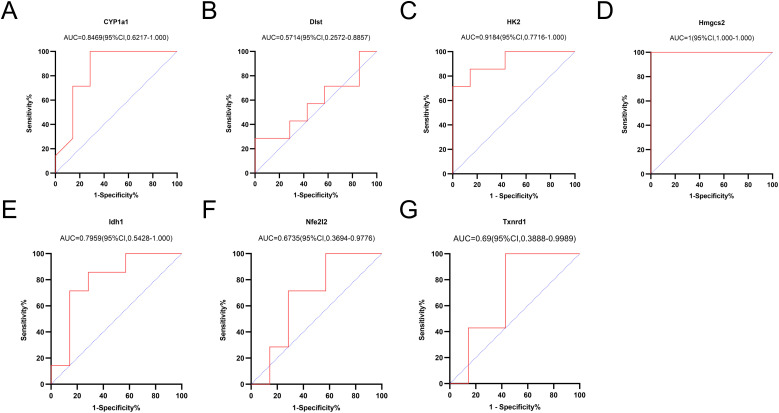 Figure 11
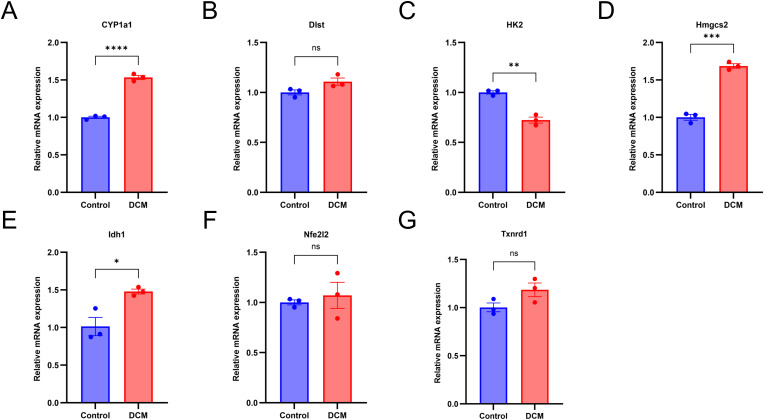 Figure 12
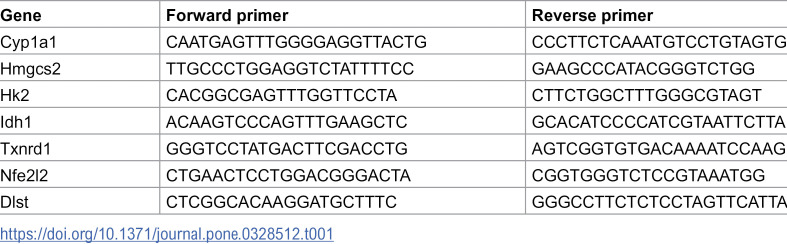 Figure 13
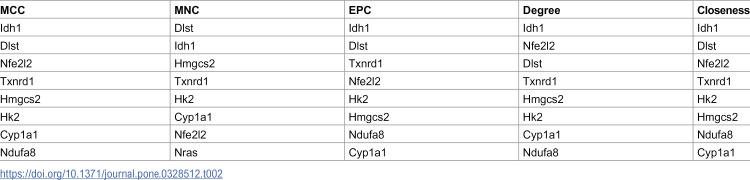 Figure 14
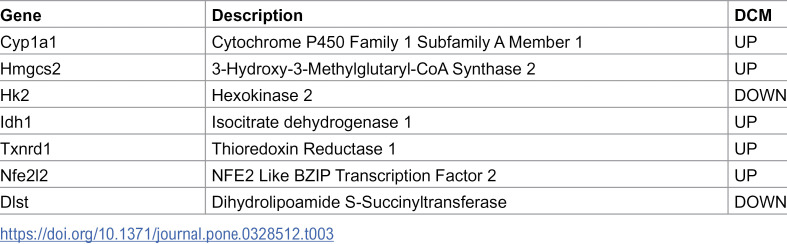 Figure 15
Peer Reviews
No public reviews on file for this paper yet. If you reviewed it on a platform where reviews are public (OpenReview, ICLR, NeurIPS, ICML), you can paste yours below so the community can read it here.
Videos
No videos yet. Explain this paper in a talk, walkthrough, or lecture? Add one.
Taxonomy
TopicsMitochondrial Function and Pathology · RNA modifications and cancer · RNA Research and Splicing