Cappable-Seq reveals the transcriptional landscape of stress responses in the bacterial endosymbiont Wolbachia
Youseuf Suliman, Zhiru Li, Amit Sinha, Philip D. Dyer, Catherine S. Hartley, Laurence Ettwiller, Alistair C. Darby, Clotilde K. Carlow, Benjamin L. Makepeace

TL;DR
This study uses Cappable-Seq to explore how Wolbachia bacteria respond to stress, revealing detailed insights into their transcriptional activity.
Contribution
The study provides the first detailed analysis of Wolbachia's transcriptional start sites under stress using Cappable-Seq.
Findings
Cappable-Seq revealed differential regulation of transcriptional start sites in Wolbachia under stress conditions.
Doxycycline had the greatest impact on gene expression from primary transcriptional start sites.
The study resolved the organization of the cifA/cifB operon linked to cytoplasmic incompatibility.
Abstract
Bacterial endosymbionts are highly prevalent among invertebrate animals, in which they can confer fitness benefits such as pathogen defence and/or act as reproductive manipulators, inducing phenotypes including cytoplasmic incompatibility (CI). For the alpha-proteobacterium Wolbachia, its wide distribution among macroparasites and disease-transmitting arthropods coupled with mutualistic roles, reduction of vector competence and CI has found recent applications in the control of several vector-borne tropical diseases. However, in common with other bacterial endosymbionts, which often lose regulatory elements during genomic erosion, the degree to which Wolbachia can respond to environmental or pharmacological stressors is poorly understood. Here, we apply Cappable-Seq methodology to achieve unprecedented depth and resolution of transcriptional start sites (TSS) in two Wolbachia strains…
Genes, proteins, chemicals, diseases, species, mutations and cell lines named across the full text — each resolved to its canonical identifier and authoritative record.
Click any figure to enlarge with its caption.
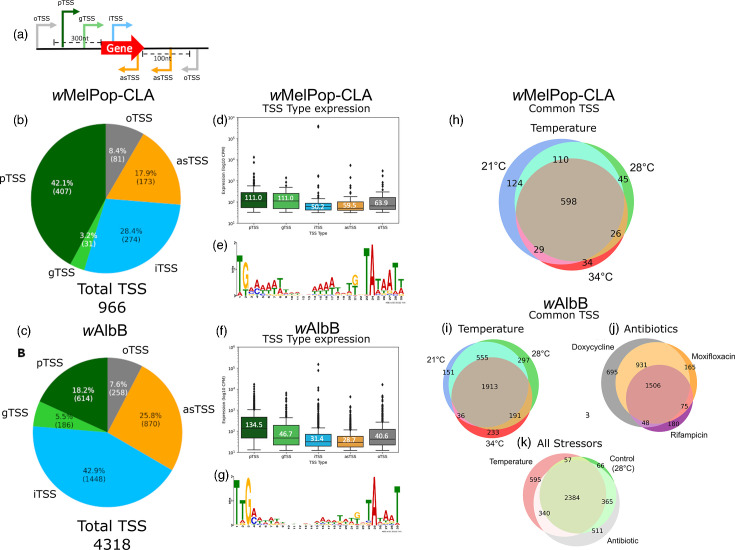 Figure 1
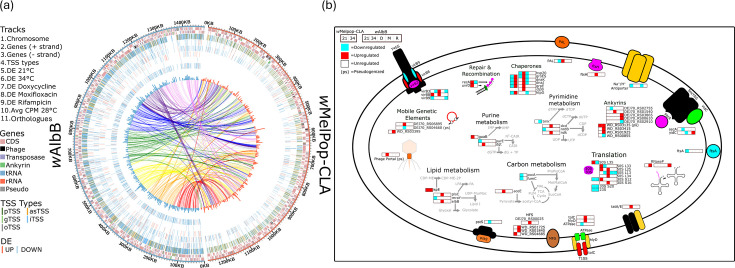 Figure 2
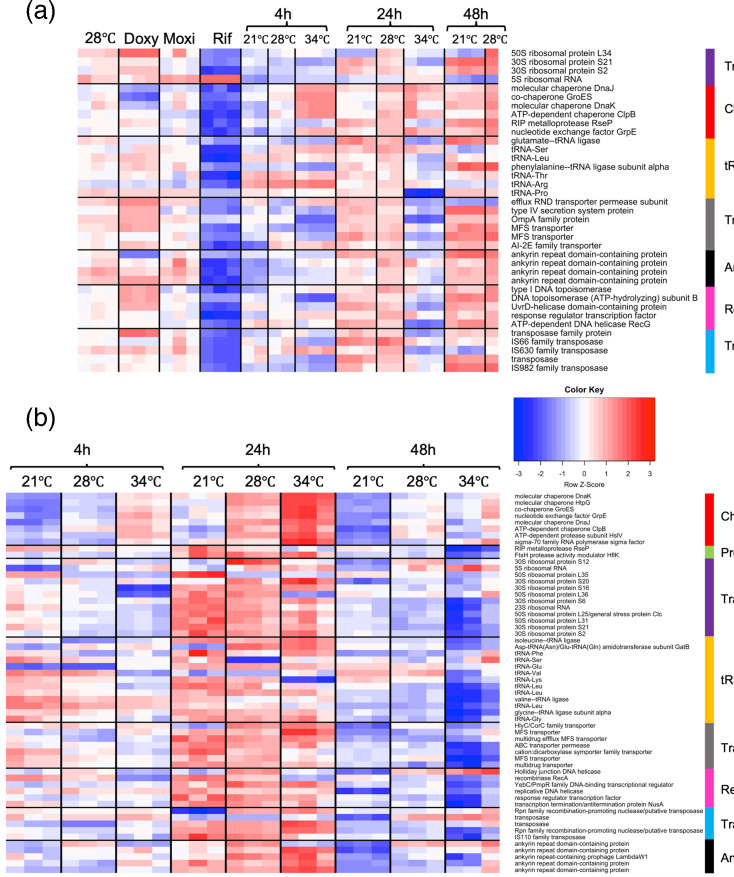 Figure 3
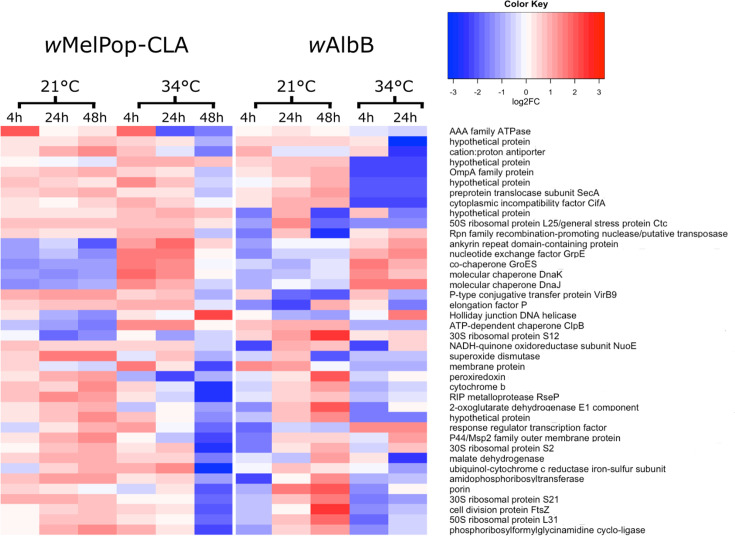 Figure 4
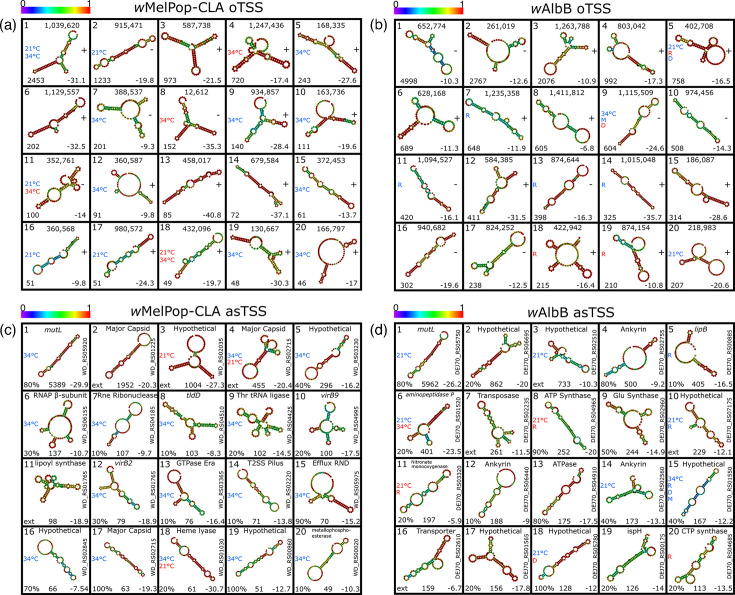 Figure 5
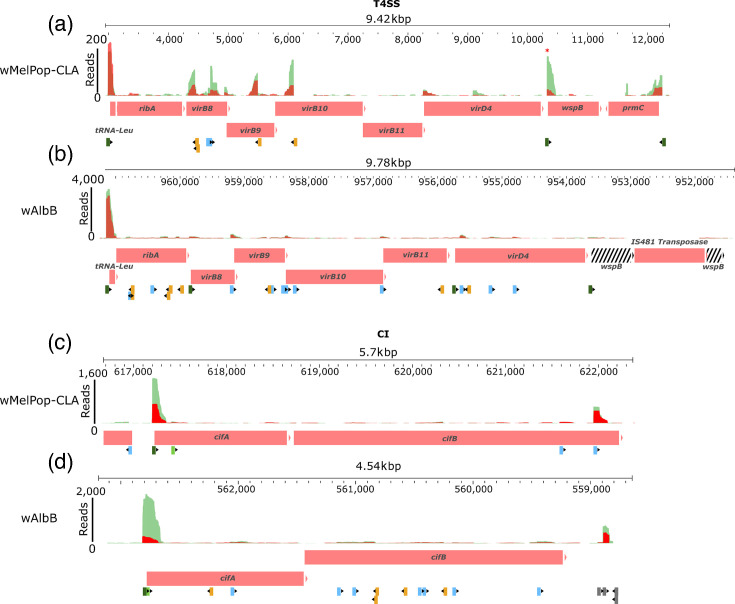 Figure 6
Peer Reviews
No public reviews on file for this paper yet. If you reviewed it on a platform where reviews are public (OpenReview, ICLR, NeurIPS, ICML), you can paste yours below so the community can read it here.
Videos
No videos yet. Explain this paper in a talk, walkthrough, or lecture? Add one.
Taxonomy
TopicsInsect symbiosis and bacterial influences