Biventricular repair using subvalvular techniques for unbalanced atrioventricular septal defect
Gen Shinohara, Shinichiro Oda, Satoshi Fujita, Akira Shiose

TL;DR
A 19-month-old girl with a rare heart defect underwent successful biventricular repair, showing improved health and adaptation to normal circulation.
Contribution
This case demonstrates the successful use of subvalvular techniques for biventricular repair in an unbalanced atrioventricular septal defect.
Findings
The patient showed minimal heart failure after surgery.
She gained weight and adapted to biventricular circulation.
Subvalvular techniques enabled successful biventricular repair.
Abstract
We report the case of a 19-month-old girl with a right-dominant unbalanced atrioventricular septal defect and severe right-sided atrioventricular valve regurgitation who underwent biventricular repair using basal chordae resection, artificial chordae reconstruction and a left-sided atrioventricular valvuloplasty. At 14-month postoperative follow-up, the patient had minimal heart failure, gained weight and adapted to biventricular circulation. An unbalanced atrioventricular septal defect is an atrioventricular canal with 2 ventricles, one being disproportionately small, and a candidate for biventricular repair (BVR).
Genes, proteins, chemicals, diseases, species, mutations and cell lines named across the full text — each resolved to its canonical identifier and authoritative record.
Click any figure to enlarge with its caption.
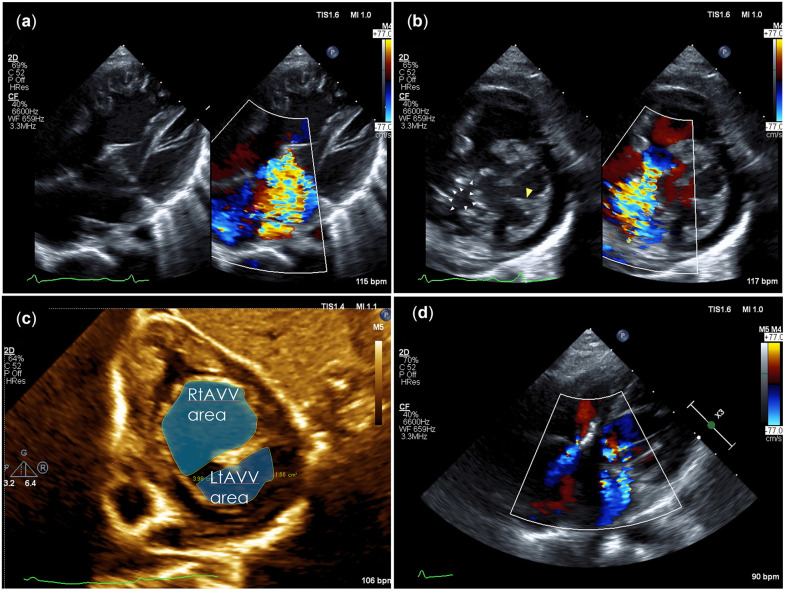 Figure 1
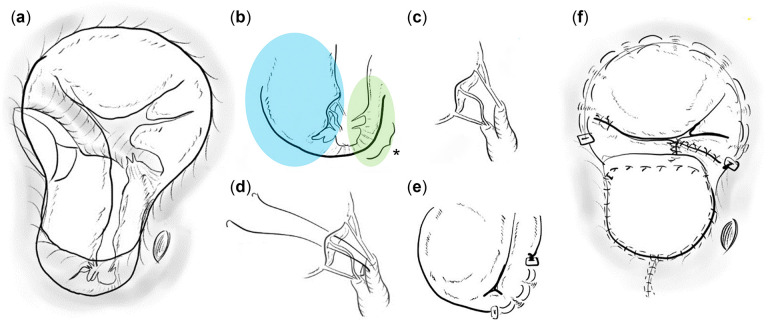 Figure 2
Peer Reviews
No public reviews on file for this paper yet. If you reviewed it on a platform where reviews are public (OpenReview, ICLR, NeurIPS, ICML), you can paste yours below so the community can read it here.
Videos
No videos yet. Explain this paper in a talk, walkthrough, or lecture? Add one.
Taxonomy
TopicsCongenital Heart Disease Studies · Congenital Heart Disease Studies · Congenital heart defects research