Reducing inequalities using an unbiased machine learning approach to identify births with the highest risk of preventable neonatal deaths
Antonio P. Ramos, Fabio Caldieraro, Marcus L. Nascimento, Raphael Saldanha

TL;DR
This study uses machine learning to accurately identify high-risk births for preventable neonatal deaths in Brazil, helping policymakers target interventions without bias.
Contribution
The study introduces an unbiased machine learning approach to identify high-risk births for preventable neonatal deaths.
Findings
XGBoost identified the top 5% of high-risk births responsible for over 85% of preventable neonatal deaths.
Risk predictions showed no bias against disadvantaged populations based on race, education, marital status, or maternal age.
The approach can be adapted for use in other developing countries to reduce neonatal mortality and health inequalities.
Abstract
Despite contemporaneous declines in neonatal mortality, recent studies show the existence of left-behind populations that continue to have higher mortality rates than the national averages. Additionally, many of these deaths are from preventable causes. This reality creates the need for more precise methods to identify high-risk births, allowing policymakers to target them more effectively. This study fills this gap by developing unbiased machine-learning approaches to more accurately identify births with a high risk of neonatal deaths from preventable causes. We link administrative databases from the Brazilian health ministry to obtain birth and death records in the country from 2015 to 2017. The final dataset comprises 8,797,968 births, of which 59,615 newborns died before reaching 28 days alive (neonatal deaths). These neonatal deaths are categorized into preventable deaths (42,290)…
Genes, proteins, chemicals, diseases, species, mutations and cell lines named across the full text — each resolved to its canonical identifier and authoritative record.
Click any figure to enlarge with its caption.
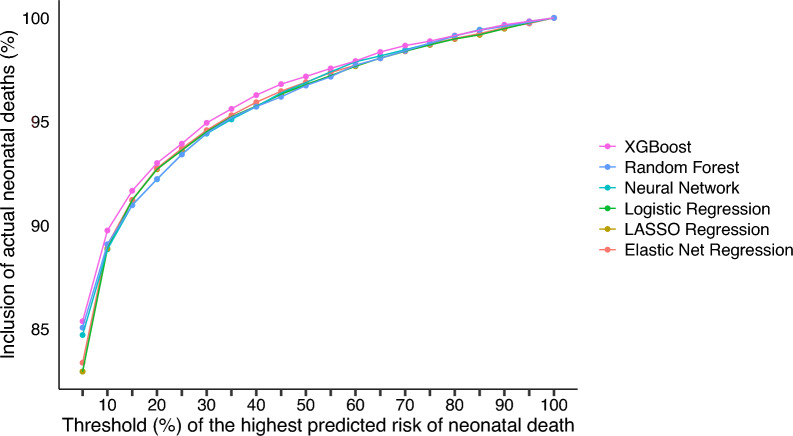 Figure 1
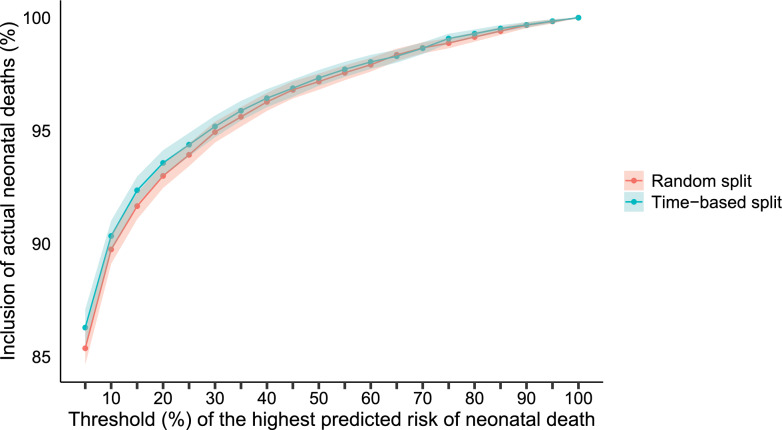 Figure 2
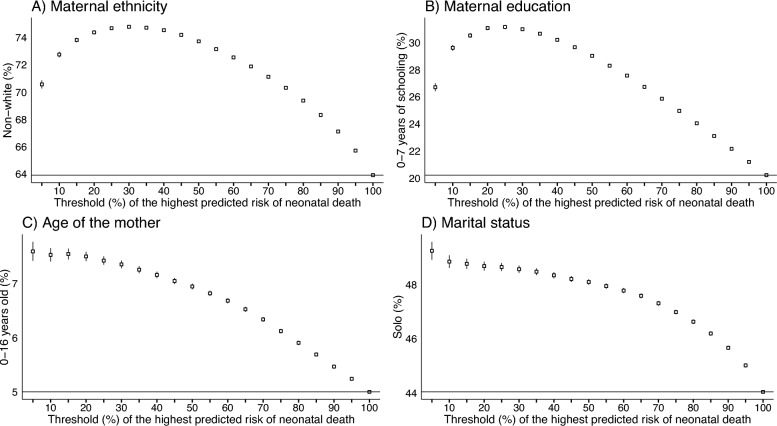 Figure 3
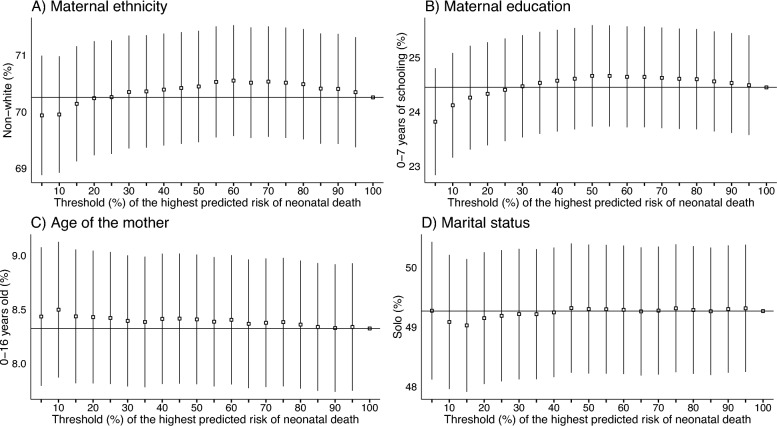 Figure 4
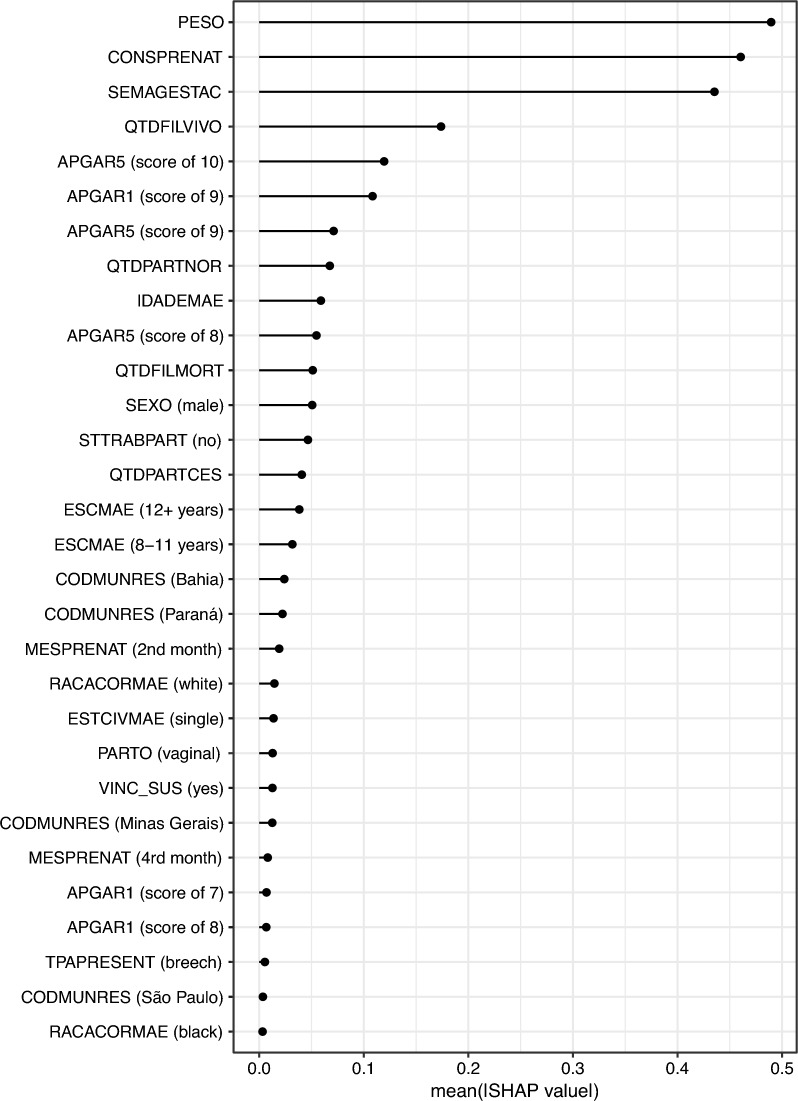 Figure 5
Peer Reviews
No public reviews on file for this paper yet. If you reviewed it on a platform where reviews are public (OpenReview, ICLR, NeurIPS, ICML), you can paste yours below so the community can read it here.
Videos
No videos yet. Explain this paper in a talk, walkthrough, or lecture? Add one.
Taxonomy
TopicsGlobal Maternal and Child Health · Maternal and Neonatal Healthcare · Neonatal Respiratory Health Research