Impact of an asynchronous telerehabilitation program on the self-efficacy and motivation for physical activity in discharged COVID-19 patients: a secondary analysis of a randomized controlled trial
Beatriz Carpallo-Porcar, Carolina Jiménez-Sánchez, Irene Liñares-Varela, Laura Bafaluy-Franch, Paula Córdova-Alegre, Sara Pérez-Palomares, Manuel Gómez-Barrera, Sandra Calvo

TL;DR
An asynchronous telerehabilitation program improved self-efficacy and motivation in recovering COVID-19 patients, but these benefits faded over time.
Contribution
This study evaluates the impact of asynchronous telerehabilitation on self-efficacy and motivation in post-discharge COVID-19 patients.
Findings
The telerehabilitation group showed better self-efficacy and extrinsic motivation at 3- and 6-month follow-ups.
Self-efficacy correlated with physical performance metrics like the six-minute walk test and 30-second chair stand test.
Improvements in motivation and self-efficacy were moderate to large but not sustained long-term.
Abstract
Telerehabilitation has become an important tool for the recovery of coronavirus disease (COVID-19) patients, allowing treatment to be continued remotely for this and other pathologies. Self-efficacy plays a key role in motivating and ensuring adherence to these programs. The aim of this study was to evaluate the effects on self-efficacy (GSES) and sport motivation (BRSQ-36) and analyze the correlation between self-efficacy and physical condition after a program composed of therapeutic exercises and education. This pilot randomized controlled trial included 35 post-discharge COVID-19, with two groups: an asynchronous telerehabilitation and a booklet-based rehabilitation groups who undertook a 12-week intervention of therapeutic exercise and education.. The telerehabilitation group showed better results in all variables analyzed, with moderate and large clinical changes in overall…
Genes, proteins, chemicals, diseases, species, mutations and cell lines named across the full text — each resolved to its canonical identifier and authoritative record.
Click any figure to enlarge with its caption.
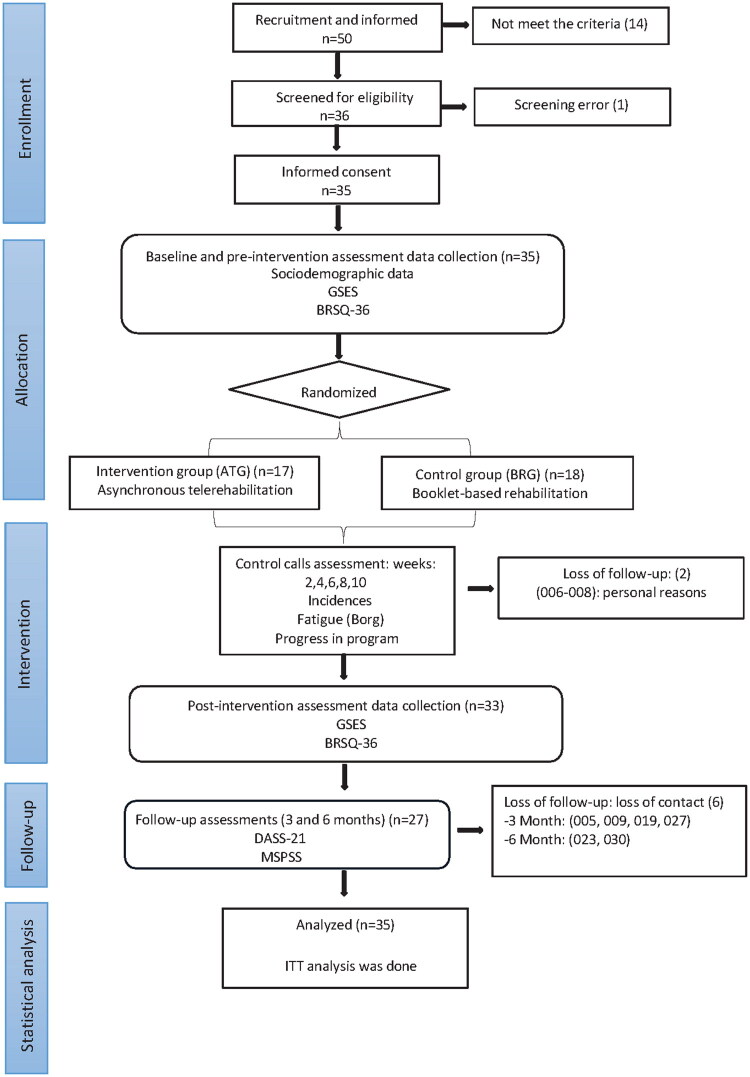 Figure 1
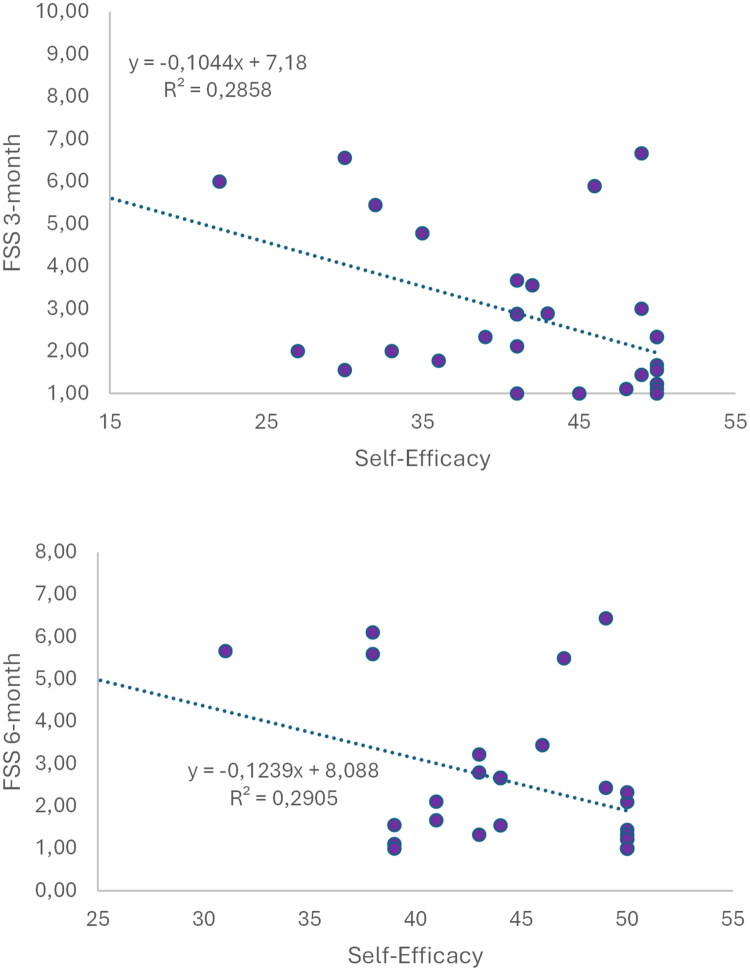 Figure 2
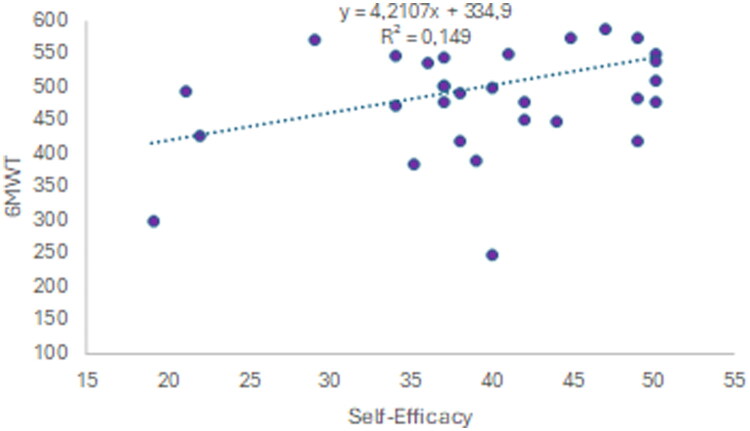 Figure 3
Peer Reviews
No public reviews on file for this paper yet. If you reviewed it on a platform where reviews are public (OpenReview, ICLR, NeurIPS, ICML), you can paste yours below so the community can read it here.
Videos
No videos yet. Explain this paper in a talk, walkthrough, or lecture? Add one.
Taxonomy
TopicsLong-Term Effects of COVID-19 · COVID-19 and Mental Health · Cardiac Health and Mental Health