‘One woman, one bed’: prevalence and factors associated with women’s experiences of respectful birth in urban Dar es Salaam, Tanzania – across-sectional survey
Brenda Sequeira D’mello, Natasha Housseine, David Sando, Johnson Mshiu, Zainab Muniro, Evance Polin, Nuswe Ambokile, Hudson August, Nanna Maaløe, Jos van Roosmalen, Thomas van den Akker, Maembe Luzango, Idrissa Kabanda, Mtingele Sangalala, Tarek Meguid, Dan Wolf Meyrowitsch

TL;DR
A survey in Dar es Salaam found that while most women were satisfied with maternity care, many experienced mistreatment and overcrowded conditions, highlighting the need for better rights-based care.
Contribution
The study introduces a locally co-created RMC measurement tool and identifies factors like marital status and complications that influence respectful care experiences.
Findings
96.4% of women reported satisfaction, but 32.2% experienced mistreatment during childbirth.
Single women and those with childbirth complications were significantly less likely to experience respectful care.
Bed-sharing and lack of birth companions were common despite high satisfaction scores.
Abstract
Respectful maternity care (RMC) is essential for quality care, safety, and a fundamental right of women during childbirth. However, mistreatment during childbirth hinders global efforts to reduce maternal and perinatal deaths and birth-related injuries. In rapidly urbanizing Dar es Salaam, disrespectful care in overcrowded maternity units is concerning. To assess the prevalence and factors associated with women’s experiences of RMC in four urban health facilities in Dar es Salaam. A 25-item locally co-created and validated measurement tool was administered to 838 postnatal women before discharge in a cross-sectional survey. Data were analyzed in Stata 14 to describe sociodemographic characteristics, birth outcomes, and birth experiences. Multivariable logistic regression identified factors associated with RMC. Satisfaction was reported by 96.4% (793/823) of women. Additionally, 84.3%…
Genes, proteins, chemicals, diseases, species, mutations and cell lines named across the full text — each resolved to its canonical identifier and authoritative record.
Click any figure to enlarge with its caption.
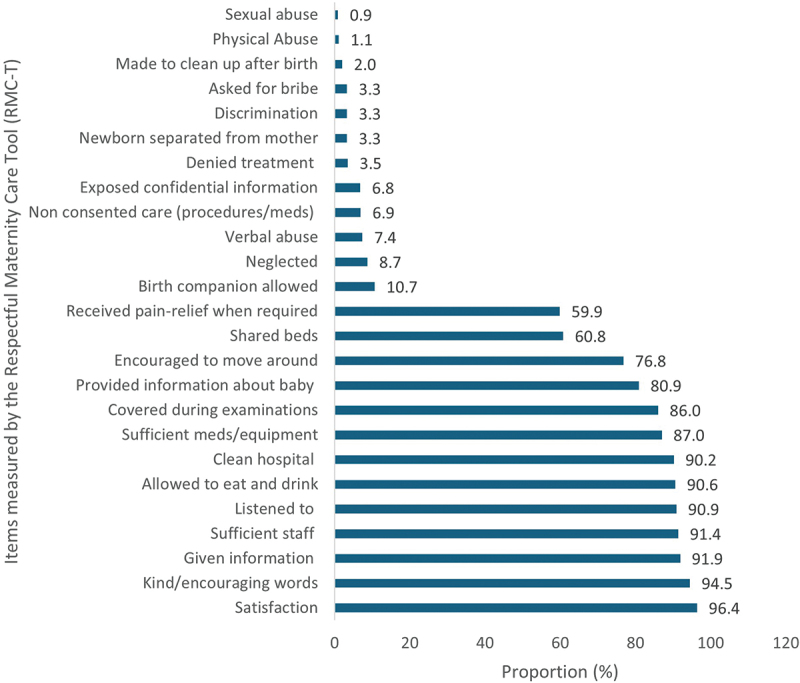 Figure 1
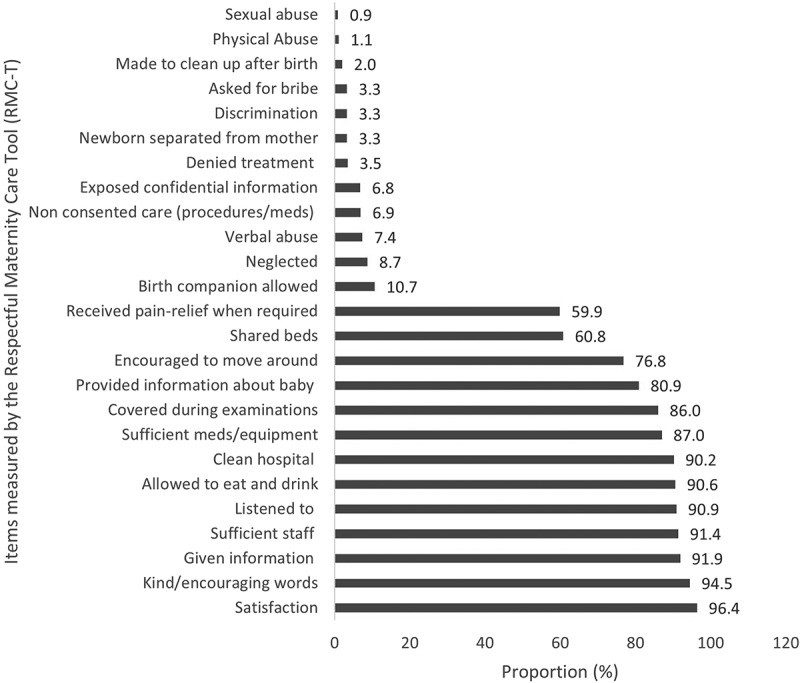 Figure 2
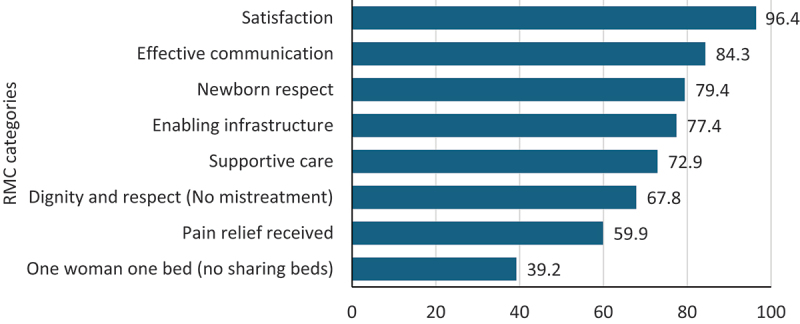 Figure 3
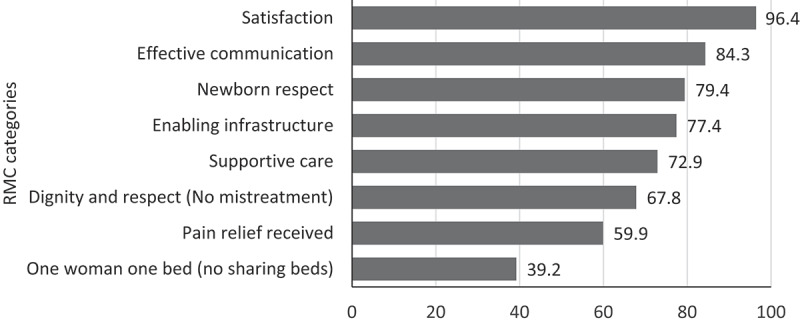 Figure 4
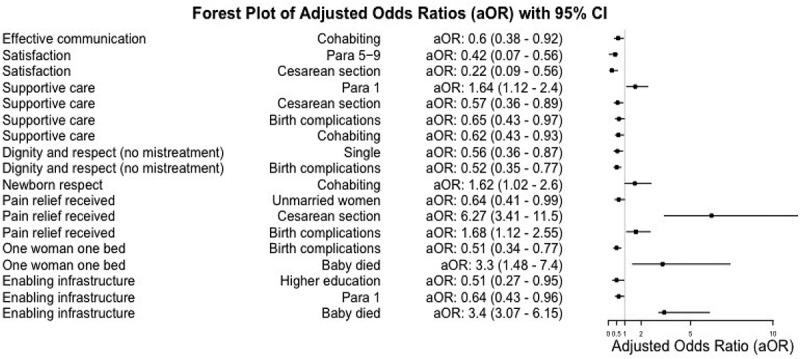 Figure 5
Peer Reviews
No public reviews on file for this paper yet. If you reviewed it on a platform where reviews are public (OpenReview, ICLR, NeurIPS, ICML), you can paste yours below so the community can read it here.
Videos
No videos yet. Explain this paper in a talk, walkthrough, or lecture? Add one.
Taxonomy
TopicsGlobal Maternal and Child Health · Demographic Trends and Gender Preferences · Maternal and Perinatal Health Interventions