Evaluating the toxicity and efficacy of the endophytic bacterium Kosakonia sp. ZO-Rh4 on antidiabetes and associated complications in a mouse model
Trang Thi Xuan Dai, Tran Chi Linh, Ta Lam Tai

TL;DR
This study shows that a non-toxic extract from a ginger-derived bacterium can lower blood sugar and reduce diabetes-related complications in mice.
Contribution
The first in vivo evaluation of Kosakonia sp. ZO-Rh4 extract's safety and antidiabetic potential in a mouse model.
Findings
KE extract was non-toxic in both acute and sub-chronic toxicity tests in mice.
KE reduced blood glucose, improved lipid profiles, and mitigated oxidative stress in diabetic mice.
KE inhibited α-amylase and α-glucosidase enzymes, which are linked to glucose regulation.
Abstract
The endophytic bacterium Kosakonia sp. ZO-Rh4, isolated from ginger, exhibited antioxidant properties in vitro. However, its safety and efficacy have never been assessed in vivo. This study examined the toxicity of the ethyl acetate extract from Kosakonia sp. ZO-Rh4 (KE) in mice and its potential to treat diabetes and its complications. Acute toxicity was investigated with a single KE dosage of 5000 mg/kg body weight (b.w.). Sub-chronic toxicity was studied with a daily dosage of 400 mg/kg b.w. for 45 and 90 days. After 14 days of acute toxicity and 45 or 90 days of daily dosing at 400 mg/kg body weight, all parameters were found to be within normal limits. In vitro antidiabetic tests indicated that KE has a strong inhibitory effect on the α-amylase and α-glucosidase enzymes. An in vivo study was conducted on diabetic mice induced with alloxan monohydrate, measuring the mice's body…
Genes, proteins, chemicals, diseases, species, mutations and cell lines named across the full text — each resolved to its canonical identifier and authoritative record.
Click any figure to enlarge with its caption.
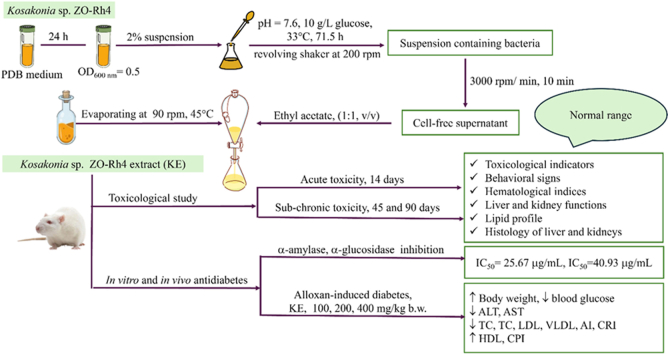 Figure 1
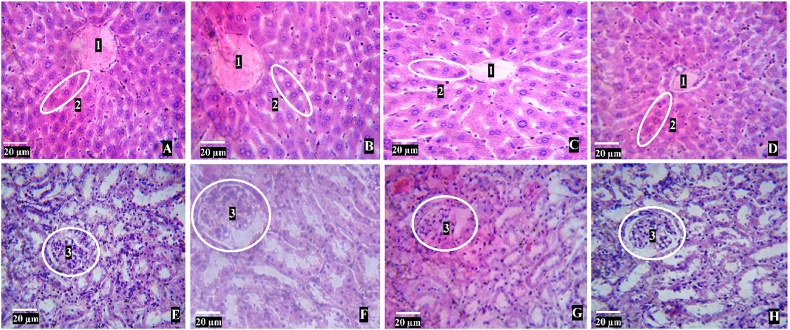 Figure 2
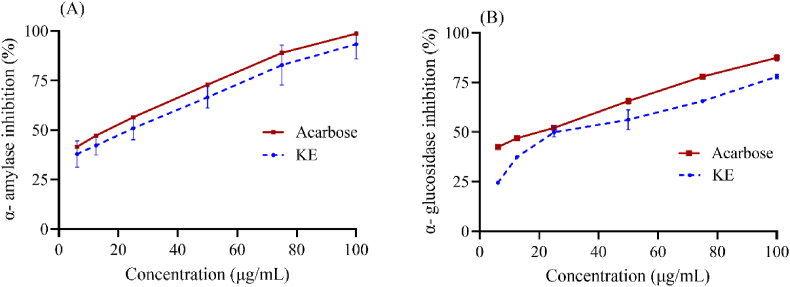 Figure 3
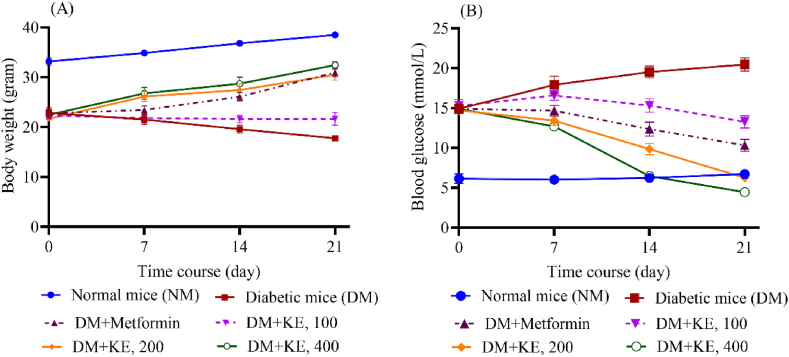 Figure 4
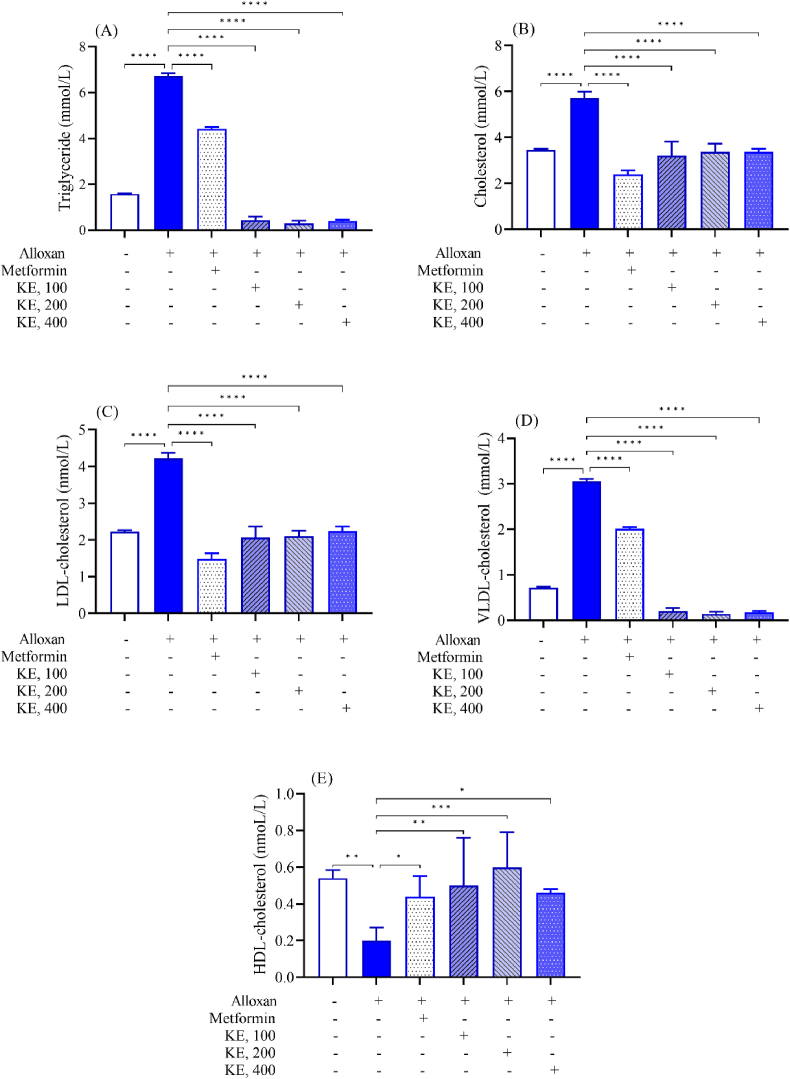 Figure 5
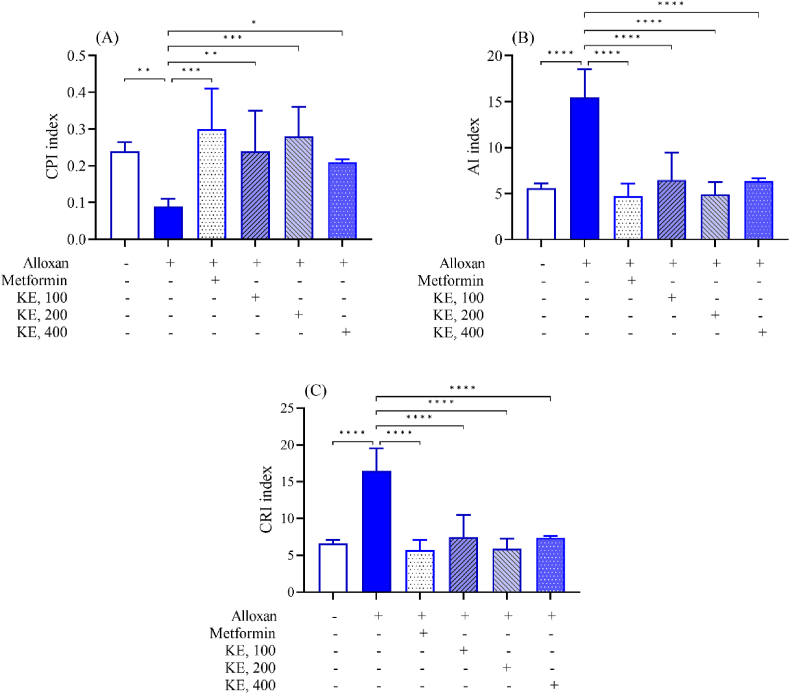 Figure 6
Peer Reviews
No public reviews on file for this paper yet. If you reviewed it on a platform where reviews are public (OpenReview, ICLR, NeurIPS, ICML), you can paste yours below so the community can read it here.
Videos
No videos yet. Explain this paper in a talk, walkthrough, or lecture? Add one.
Taxonomy
TopicsMicrobial Metabolism and Applications · Alkaloids: synthesis and pharmacology · Microbial Natural Products and Biosynthesis