Synthetic bottlebrush block copolymer prevents disease onset in Duchenne muscular dystrophy
Houda Cohen, Addeli Bez Batti Angulski, Joseph D. Quick, Taylor S. Kuebler, Brian R. Thompson, John Bauer, Dongwoo Hahn, DeWayne Townsend, Joseph F. Hassler, Benjamin J. Hackel, Timothy P. Lodge, Yuk Y. Sham, Frank S. Bates, Joseph M. Metzger

TL;DR
A new synthetic polymer prevents muscle damage in Duchenne muscular dystrophy, a fatal muscle disease, by stabilizing cell membranes.
Contribution
A bottlebrush block copolymer is shown to be vastly more effective than linear polymers in preventing DMD-related muscle damage.
Findings
The BB polymer is ~150,000 times more potent than linear polymers in restoring muscle function in vitro.
In vivo delivery of the BB polymer prevents skeletal and diaphragm muscle damage in DMD animals.
The polymer also blocks stress-induced cardiac injury and death in DMD models.
Abstract
Advances in synthetic chemistry have led to an exciting class of polymers with an enormous range of molecular architectures featuring highly branched “bottlebrush” designs. A bottlebrush block copolymer (BB polymer) is identified here as a membrane stabilizer for the inherited muscle disease, Duchenne muscular dystrophy (DMD). Remarkably, this BB polymer is shown to be ~150,000 times more potent than the most effective linear triblock/diblock polymer membrane stabilizers. Furthermore, strikingly, delivery of the BB polymer in vivo is sufficient to prevent the onset of muscle damage and membrane leakiness in DMD animals. These findings reveal a connection between the branched molecular architecture in the mildly amphiphilic synthetic polymer and physiological action linked to interactions with lipid bilayers. Duchenne muscular dystrophy (DMD) is a fatal genetic disease of progressive…
Genes, proteins, chemicals, diseases, species, mutations and cell lines named across the full text — each resolved to its canonical identifier and authoritative record.
Click any figure to enlarge with its caption.
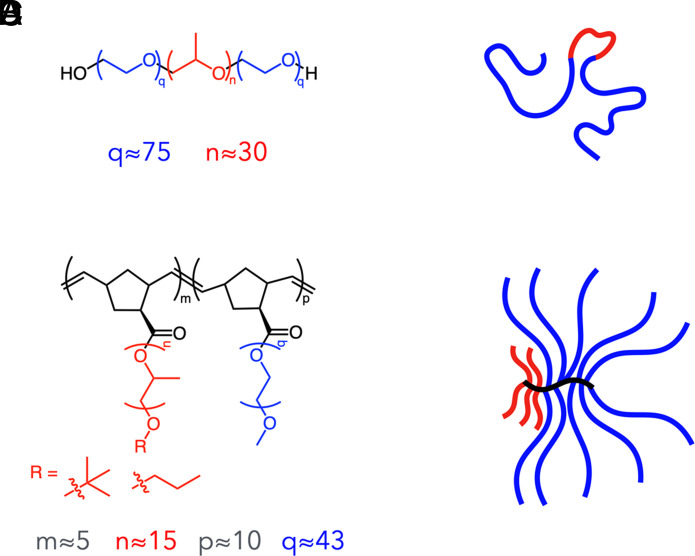 Figure 1
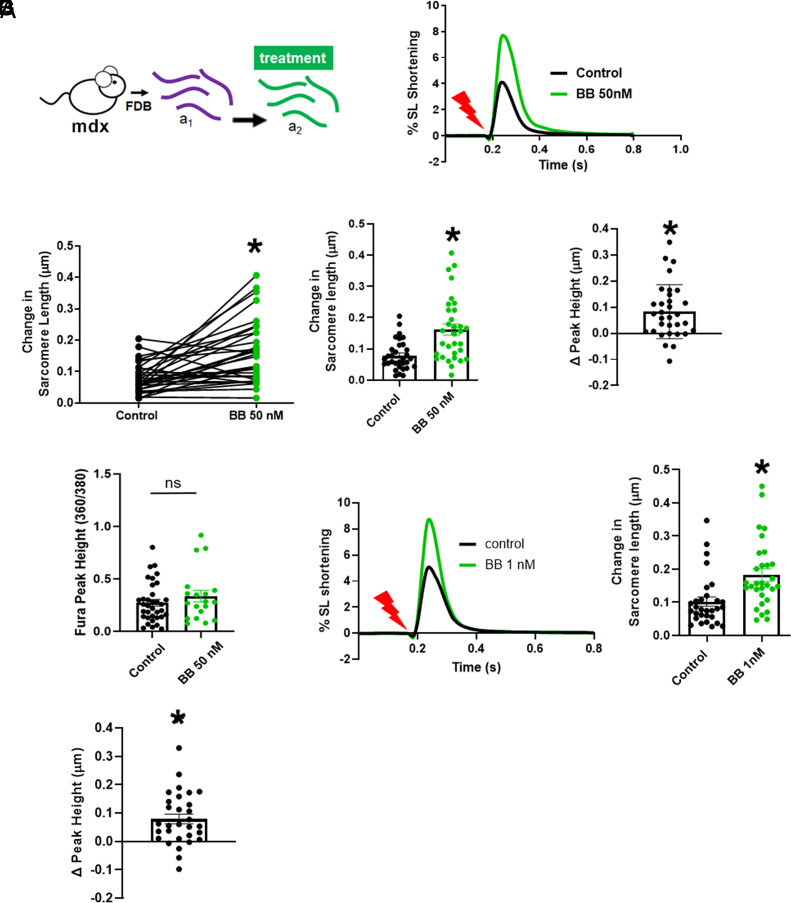 Figure 2
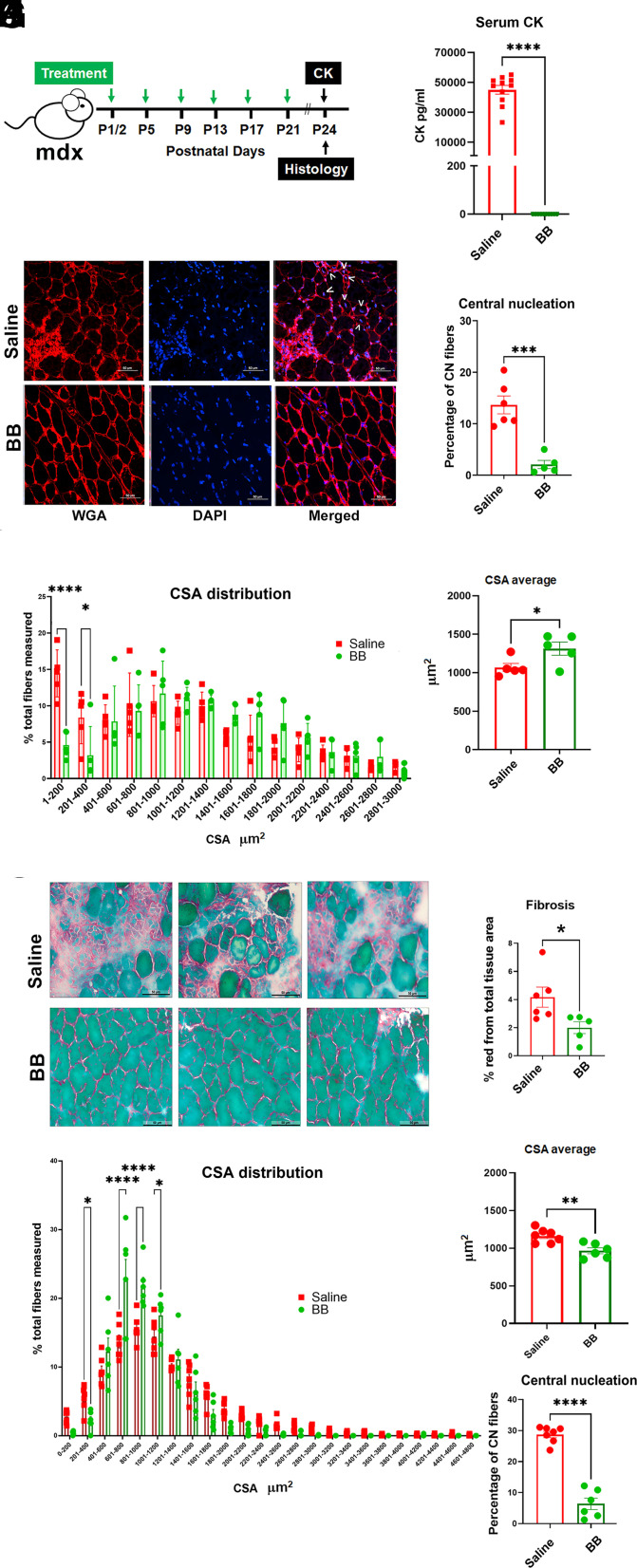 Figure 3
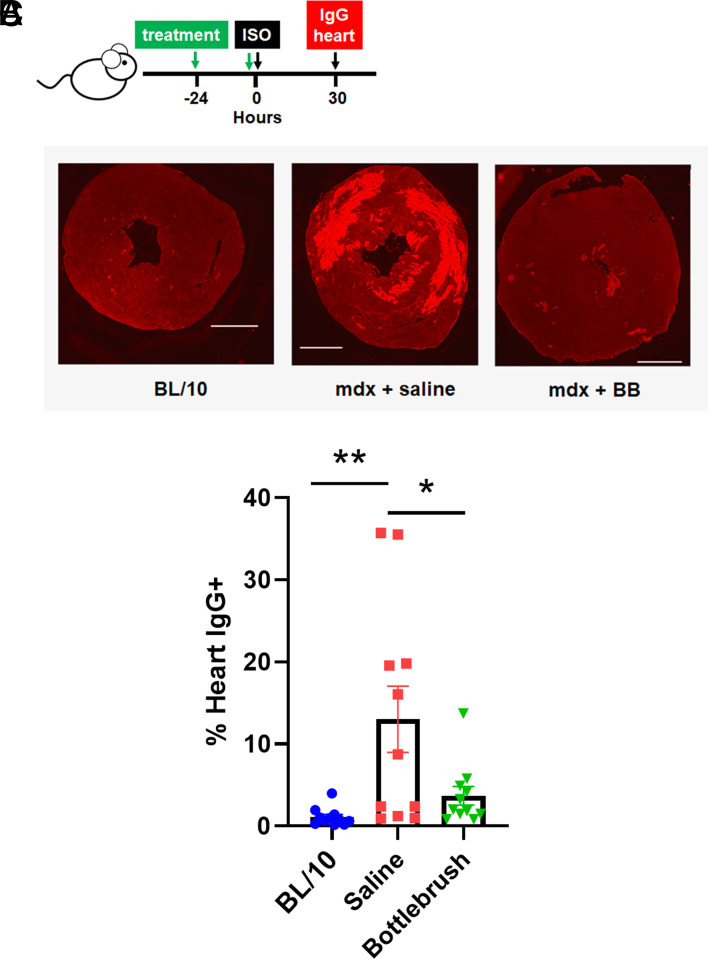 Figure 4
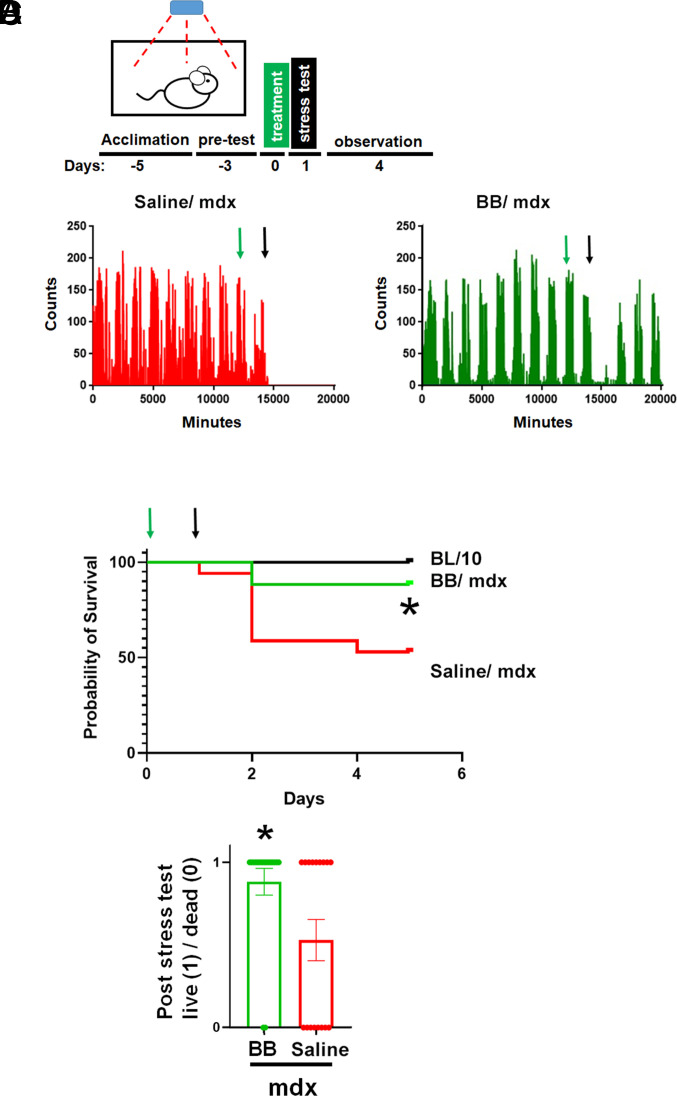 Figure 5
Peer Reviews
No public reviews on file for this paper yet. If you reviewed it on a platform where reviews are public (OpenReview, ICLR, NeurIPS, ICML), you can paste yours below so the community can read it here.
Videos
No videos yet. Explain this paper in a talk, walkthrough, or lecture? Add one.
Taxonomy
TopicsMuscle Physiology and Disorders · Neurogenetic and Muscular Disorders Research · Cardiomyopathy and Myosin Studies