Fundamental features of social environments determine rate of social affiliation
Sankalp Garud, Miruna Rascu, Sorcha Hamilton, Ingrid Yu, Matthew F. S. Rushworth, Miriam C. Klein-Flügge

TL;DR
This study shows how basic features of social environments influence people's decisions to form new friendships and how this relates to mental health and brain activity.
Contribution
The study identifies how opportunity density and success frequency in social environments affect social affiliation and links these to brain circuits and mental health.
Findings
People send more friend requests when opportunities are sparse and success is frequent.
Social environment sensitivity correlates with mental health dimensions like social thriving and anhedonia.
Opportunity density and success frequency affect neural activity in foraging-related brain regions.
Abstract
Social connection is important for our well-being, but little is known about the environmental factors and brain mechanisms that enable its initiation. In an experimental task, we show that two fundamental features of social environments, how friendly people are in that environment and how frequent opportunities for social connection arise, shape decisions to initiate friendships with others. In addition, people’s sensitivity to the social environment related to their mental health dimensions such as their social thriving. Using ultra-high field MRI, we show that a cortico-subcortical neural circuit responsible for tracking rewards during foraging also tracked features of social environments. This suggests that initiating social connections is linked to evolutionarily conserved brain mechanisms, underscoring the fundamental nature of social affiliation. Humans start new friendships and…
Genes, proteins, chemicals, diseases, species, mutations and cell lines named across the full text — each resolved to its canonical identifier and authoritative record.
Click any figure to enlarge with its caption.
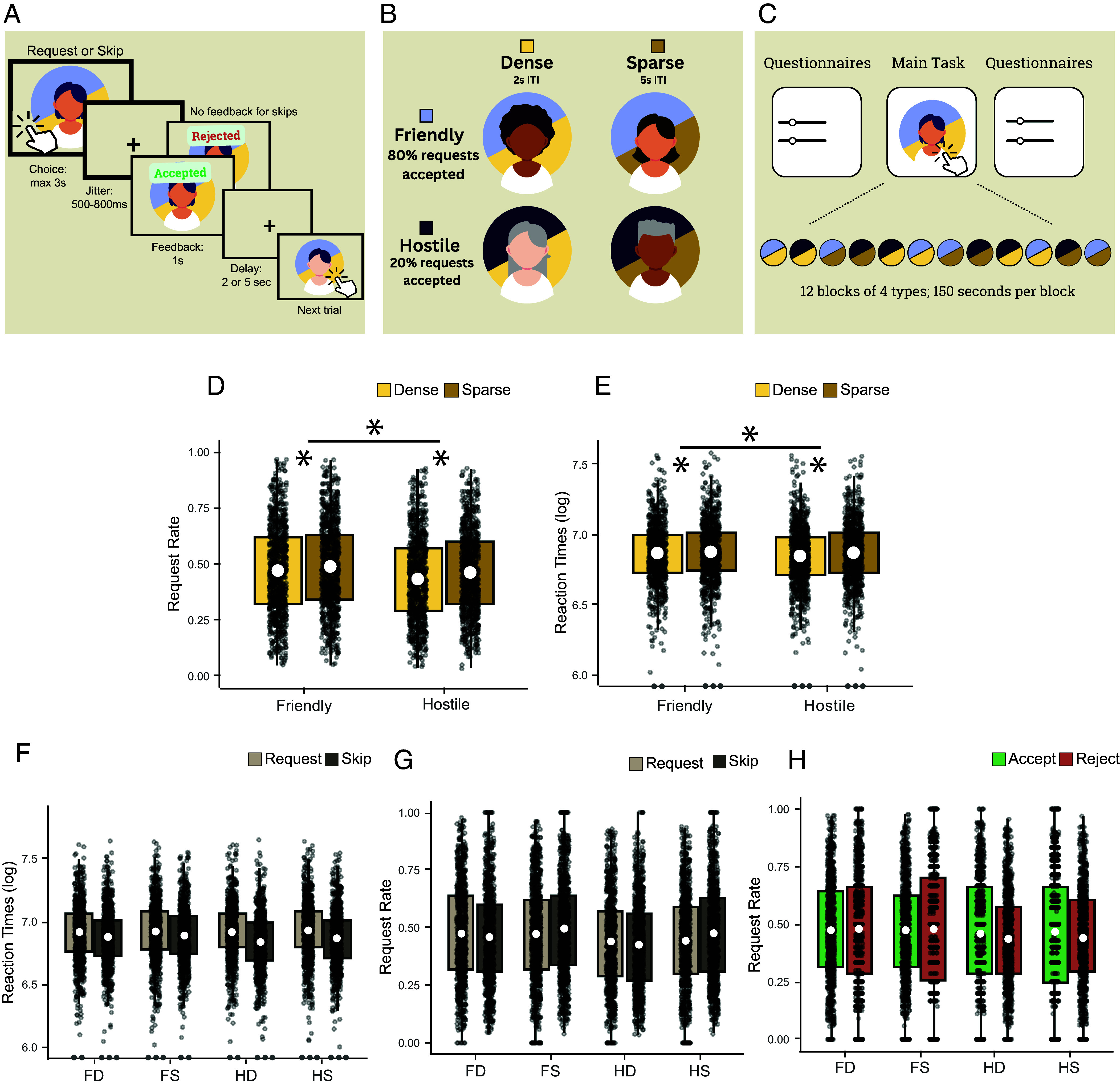 Figure 1
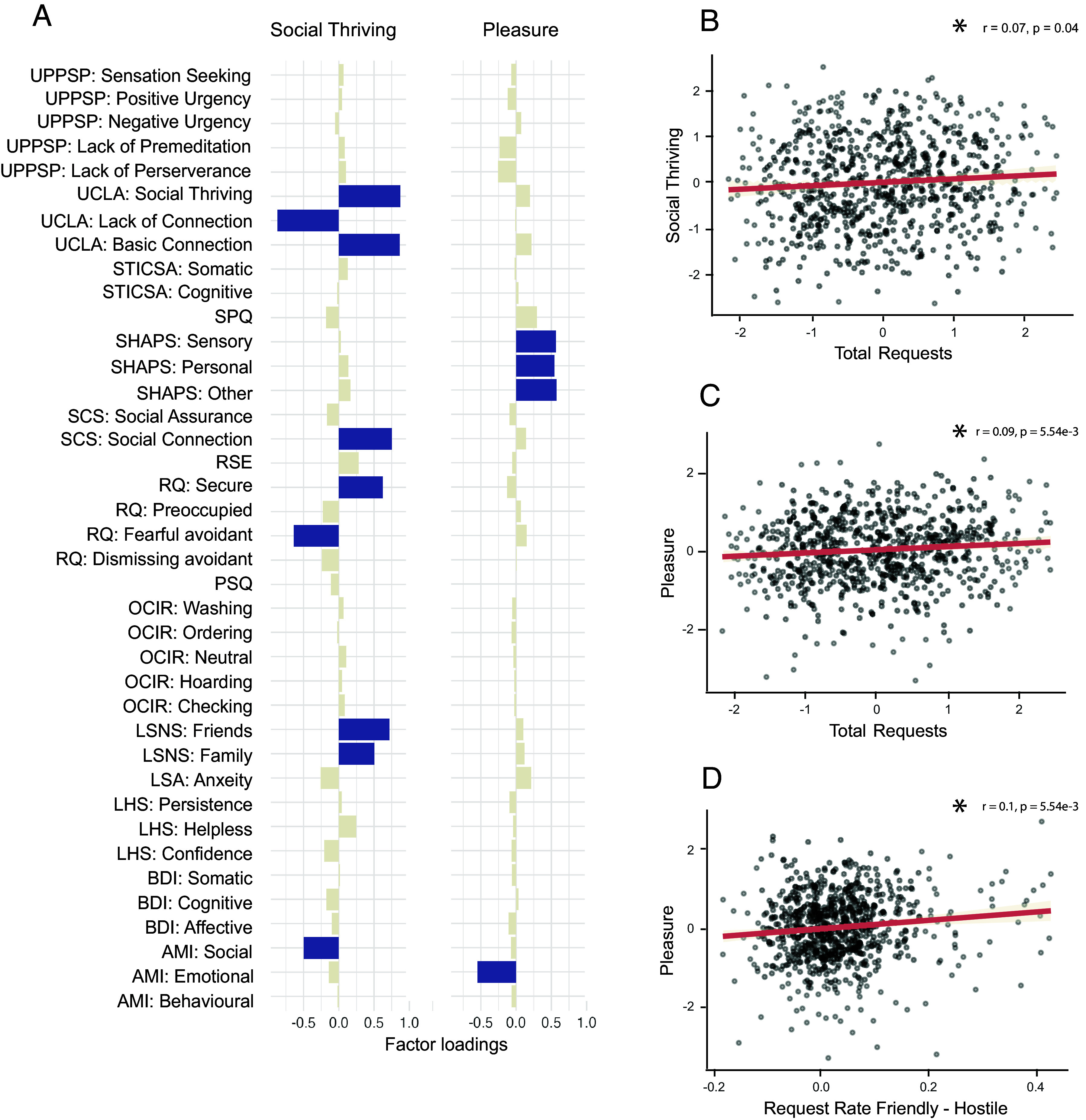 Figure 2
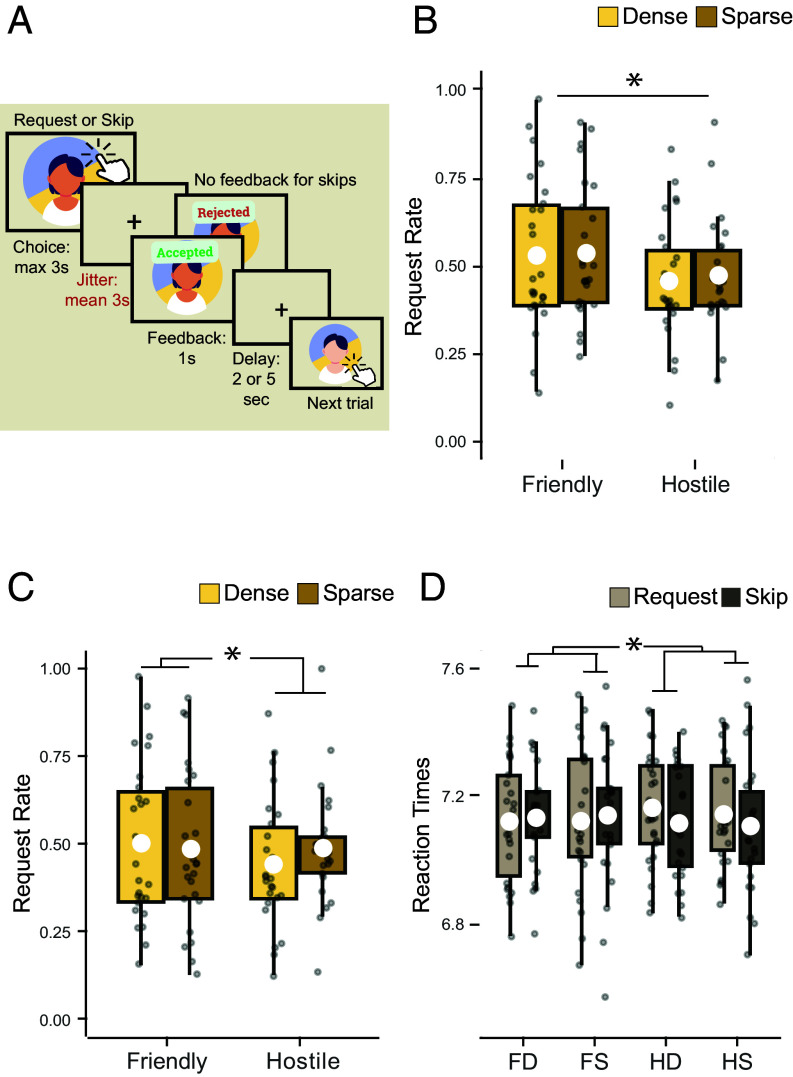 Figure 3
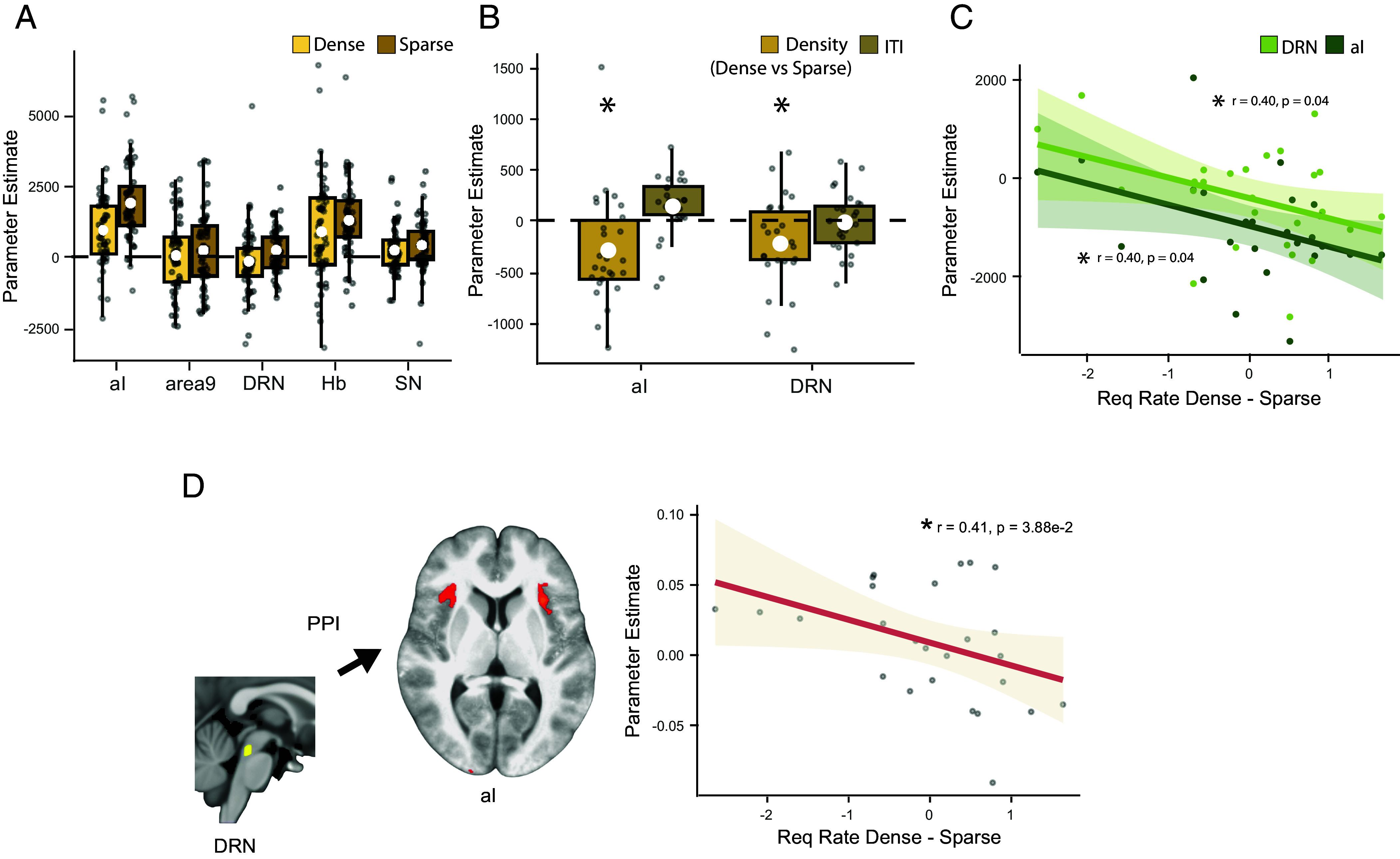 Figure 4
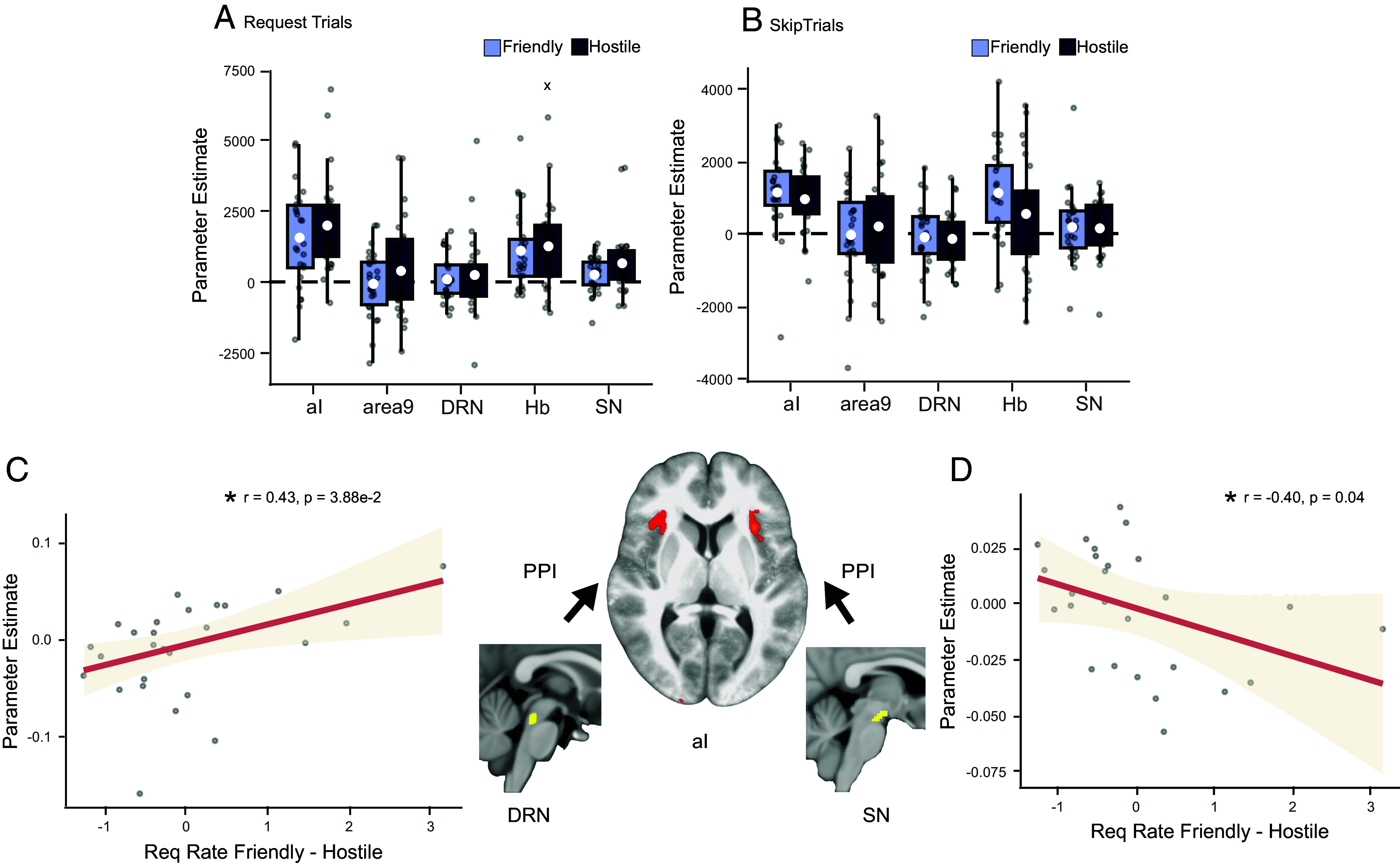 Figure 5
Peer Reviews
No public reviews on file for this paper yet. If you reviewed it on a platform where reviews are public (OpenReview, ICLR, NeurIPS, ICML), you can paste yours below so the community can read it here.
Videos
No videos yet. Explain this paper in a talk, walkthrough, or lecture? Add one.
Taxonomy
TopicsFunctional Brain Connectivity Studies · Neural and Behavioral Psychology Studies · Neuroendocrine regulation and behavior