Functional organization of the primary motor cortex in psychosis and the potential role of intereffector regions in psychomotor slowing
Sebastian Walther, Florian Wüthrich, Anastasia Pavlidou, Niluja Nadesalingam, Stephan Heckers, Melanie G. Nuoffer, Victoria Chapellier, Katharina Stegmayer, Lydia V. Maderthaner, Alexandra Kyrou, Sofie von Känel, Stephanie Lefebvre

TL;DR
This study explores how specific brain regions in the primary motor cortex may contribute to psychomotor slowing in patients with psychosis.
Contribution
The study identifies distinct functional connectivity patterns of intereffector regions in the primary motor cortex in patients with psychomotor slowing.
Findings
Intereffector regions in the primary motor cortex show distinct resting-state connectivity patterns in patients with psychomotor slowing.
Stronger intereffector connectivity correlates with psychomotor behaviors in patients with psychosis.
Intereffectors connect with premotor cortices and cerebellum, suggesting roles in complex motor planning.
Abstract
Recent literature recommended a revision of the human motor homunculus to include, in addition to the primary motor cortex regions active during movement execution, intereffector regions orchestrating complex movement patterns. If intereffectors existed, they would have a key role in shaping movements, potentially with key contributions to peculiar motor behaviors in patients with psychiatric disorders. In a resting-state fMRI dataset, we confirmed the revised motor homunculus organization. Moreover, our data suggest intereffector regions to have distinct functional connectivity patterns in patients with massive psychomotor problems. Intereffector connectivity was linked to measurable psychomotor behaviors. These intereffector regions seem to be key components in the neural circuitry that gives rise to psychomotor abnormalities in psychiatric patients. Altered psychomotor behavior in…
Genes, proteins, chemicals, diseases, species, mutations and cell lines named across the full text — each resolved to its canonical identifier and authoritative record.
Click any figure to enlarge with its caption.
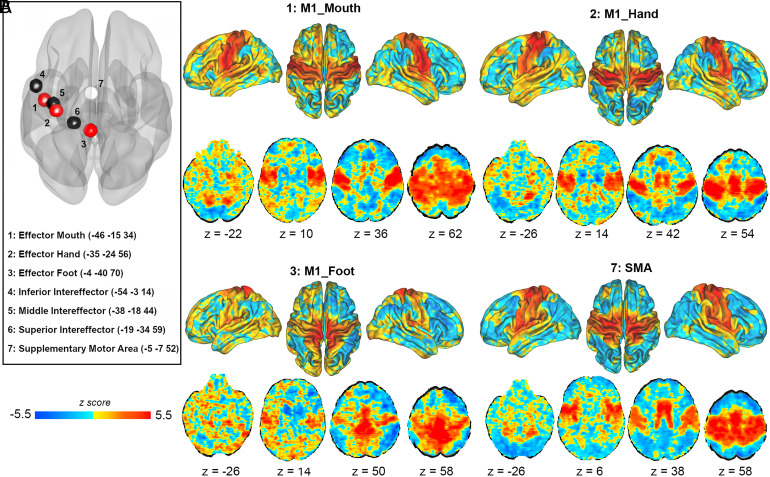 Figure 1
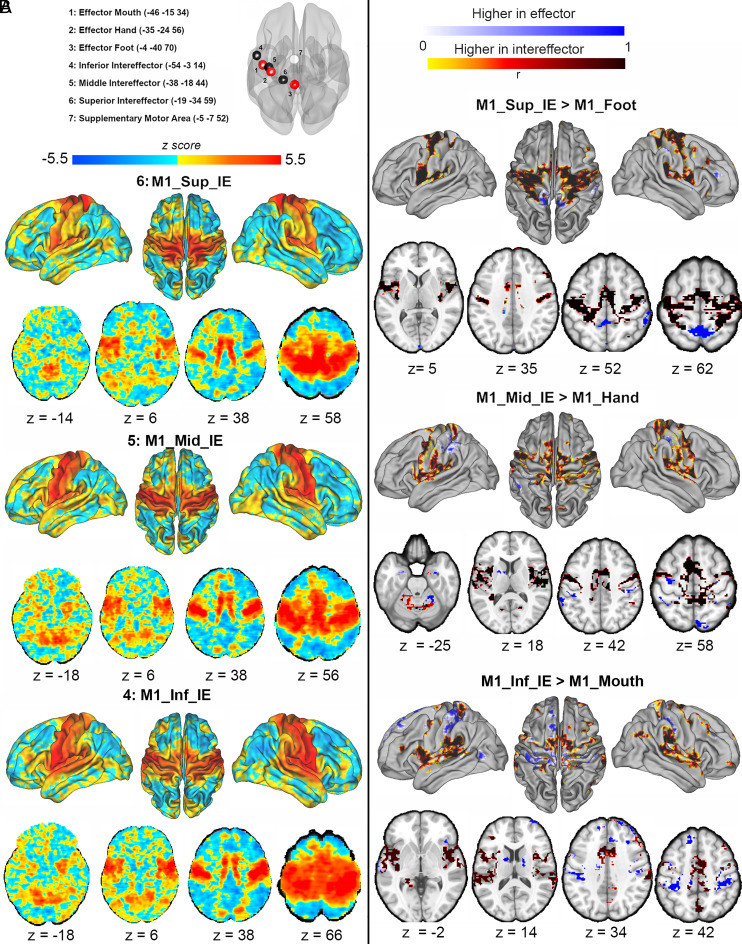 Figure 2
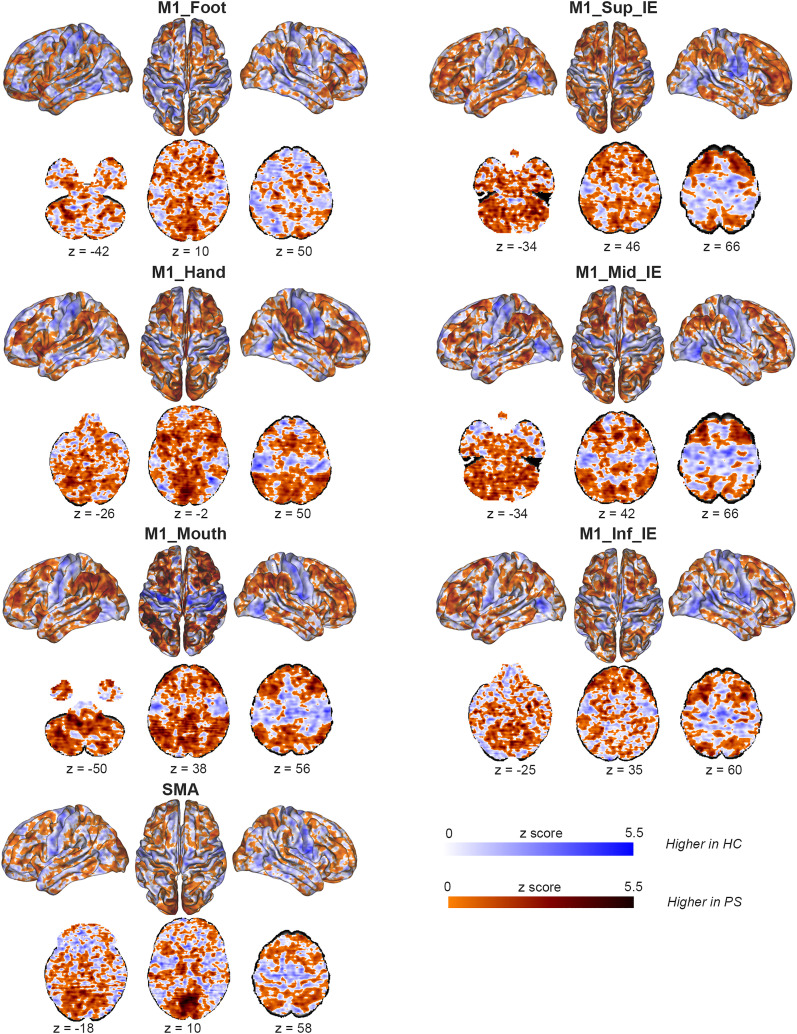 Figure 3
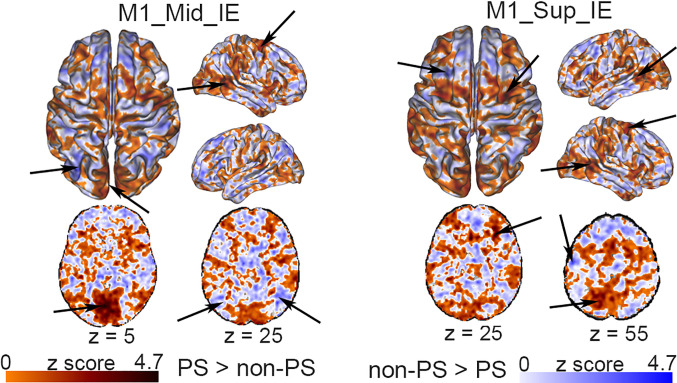 Figure 4
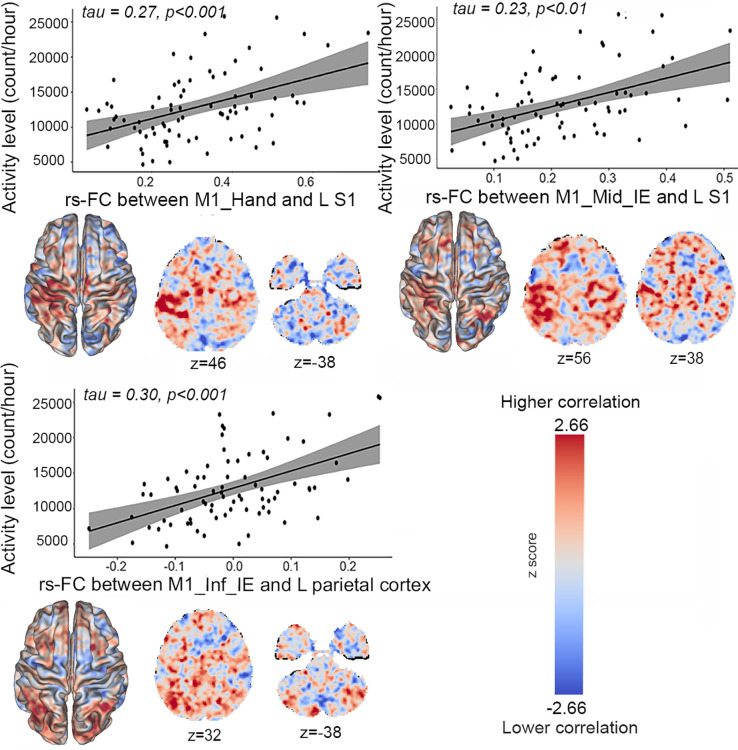 Figure 5
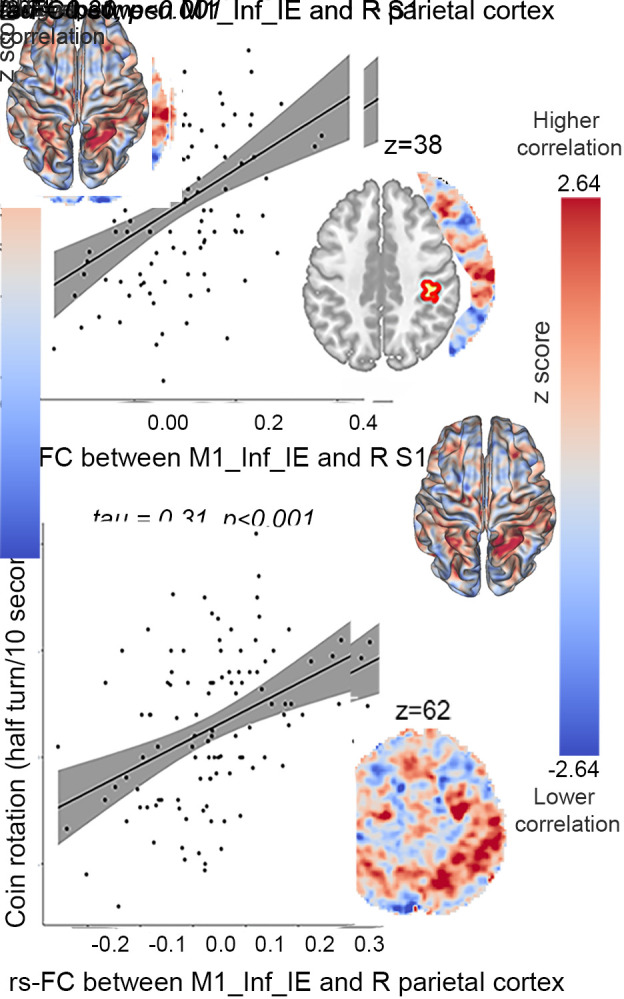 Figure 6
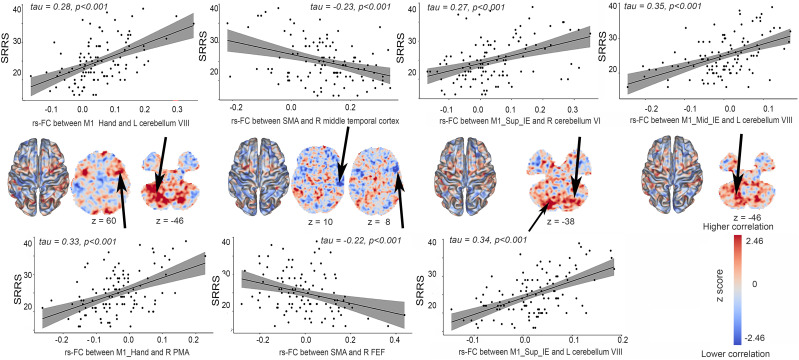 Figure 7
Peer Reviews
No public reviews on file for this paper yet. If you reviewed it on a platform where reviews are public (OpenReview, ICLR, NeurIPS, ICML), you can paste yours below so the community can read it here.
Videos
No videos yet. Explain this paper in a talk, walkthrough, or lecture? Add one.
Taxonomy
TopicsFunctional Brain Connectivity Studies · Advanced Neuroimaging Techniques and Applications · Psychosomatic Disorders and Their Treatments