Morphology-controlled synthesis of CuCo2S4 as a high-efficiency counter electrode via a precursor-directed strategy for quantum dot-sensitized solar cells (QDSSCs)
Qiu Zhang, Yuekun Zhang, Chunxiao Zhang, Xiuyan Jiang, Xuemei Fu

TL;DR
This paper introduces a new method to create CuCo2S4 materials with different shapes, which improves the efficiency of solar cells.
Contribution
A precursor-directed solvothermal method is introduced to synthesize morphology-controlled CuCo2S4 without templates.
Findings
Flower-like CuCo2S4 achieved the highest power conversion efficiency of 7.42% in QDSSCs.
Flower-like CuCo2S4 showed the lowest charge transfer resistance (0.076 Ω) and best electrocatalytic activity.
Morphology control significantly impacts the performance of counter electrodes in solar cells.
Abstract
Quantum dot-sensitized solar cells (QDSSCs) have emerged as promising photovoltaic devices, in which the counter electrode (CE) plays a crucial role in the catalytic reduction of Sn2− and charge transfer. Based on a precursor-directed strategy, this study reports a simple and cost-effective solvothermal method for the synthesis of morphology-controlled CuCo2S4 nanomaterials without templates and structure-directing agents, including flower-like (f-CuCo2S4), nanosheet-like (n-CuCo2S4), nanoparticle-like (p-CuCo2S4), and microsphere-like (m-CuCo2S4) structures. The effects of CuCo2S4 CEs with different morphologies on the photovoltaic performance of QDSSCs were also systematically investigated. Among them, the f-CuCo2S4 CE exhibited the highest specific surface area and the best catalytic performance, resulting in a power conversion efficiency (PCE) of 7.42% for QDSSCs, which is 55%…
Genes, proteins, chemicals, diseases, species, mutations and cell lines named across the full text — each resolved to its canonical identifier and authoritative record.
Click any figure to enlarge with its caption.
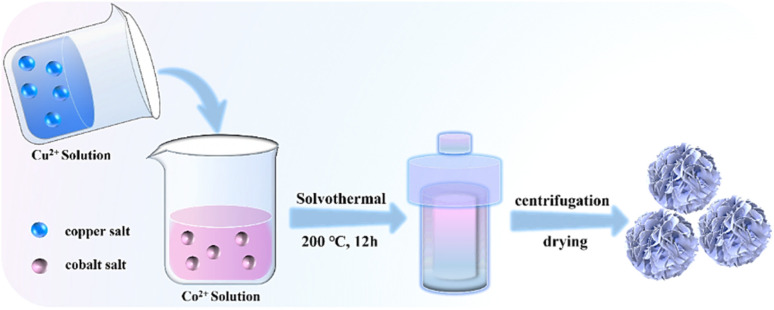 Figure 1
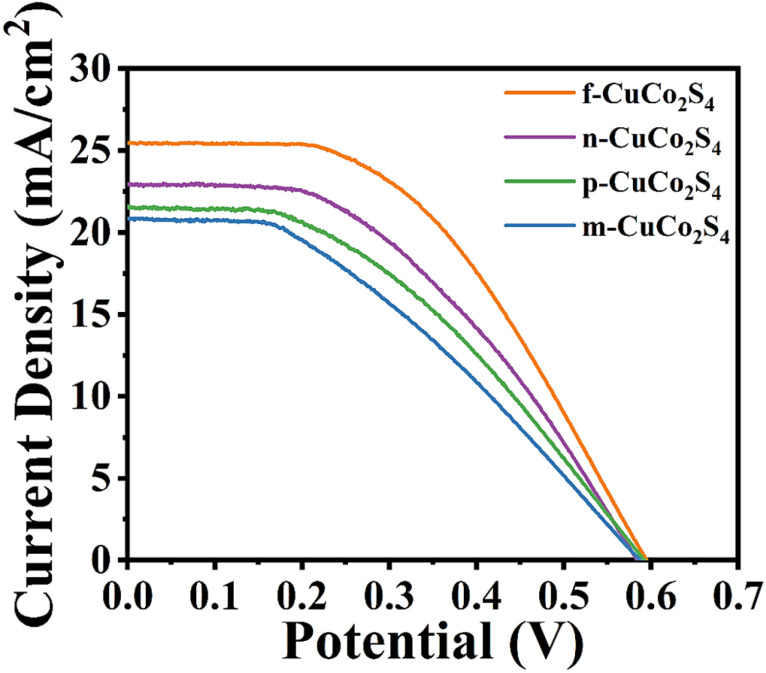 Figure 2
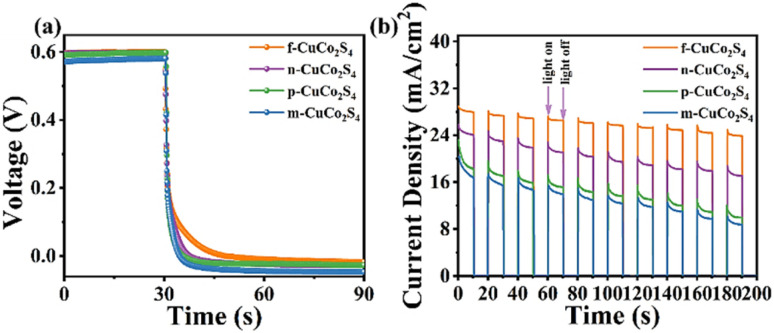 Figure 3
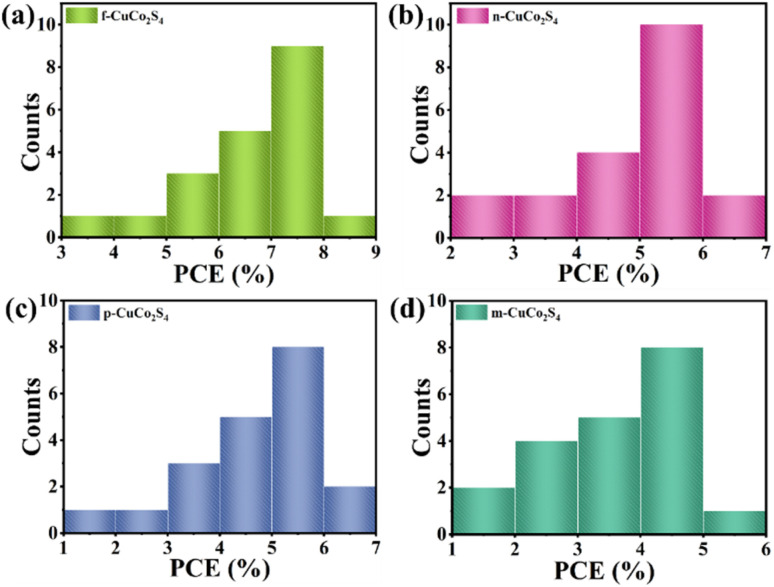 Figure 4
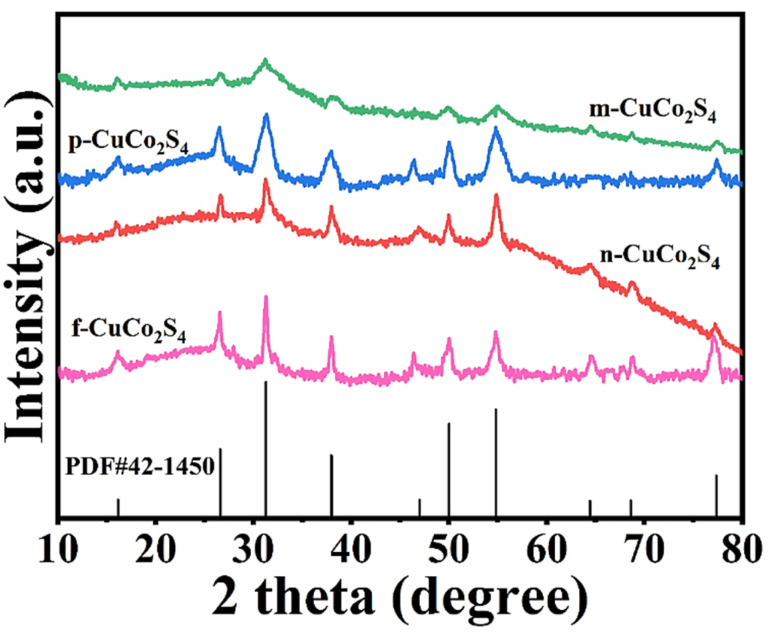 Figure 5
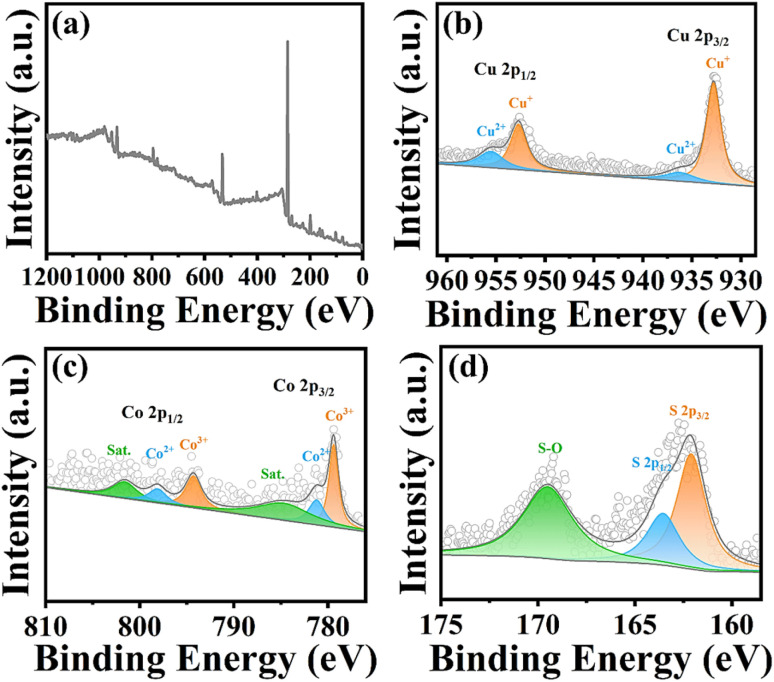 Figure 6
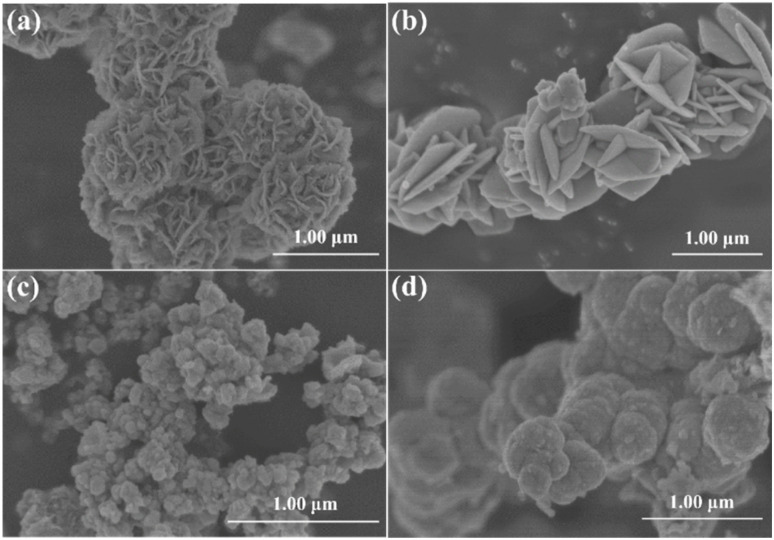 Figure 7
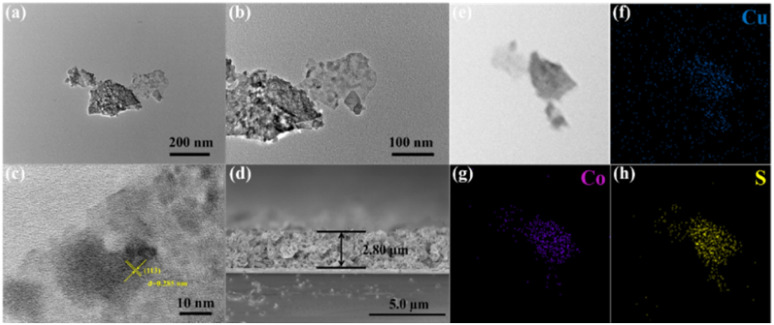 Figure 8
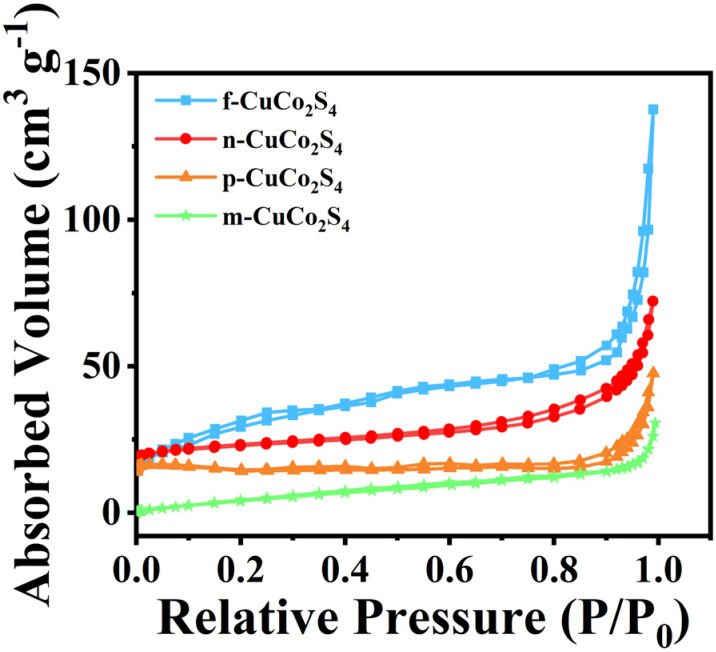 Figure 9
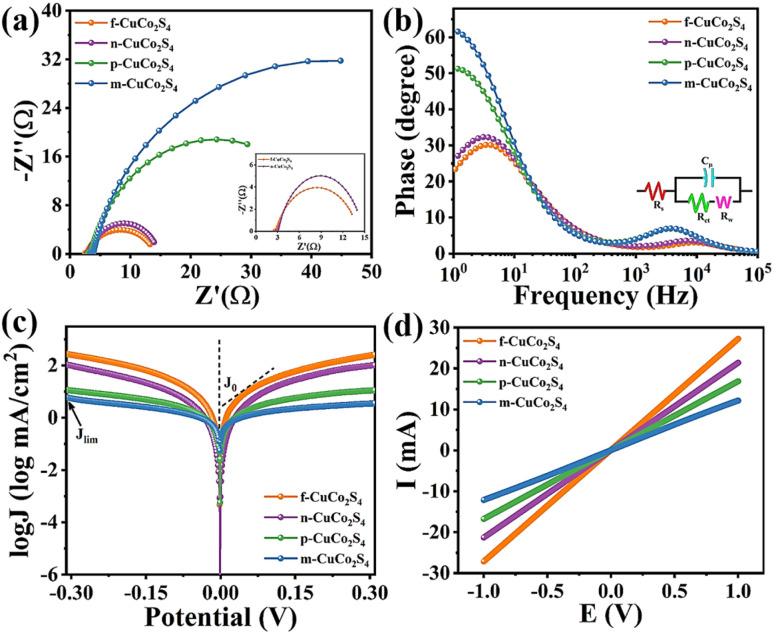 Figure 10
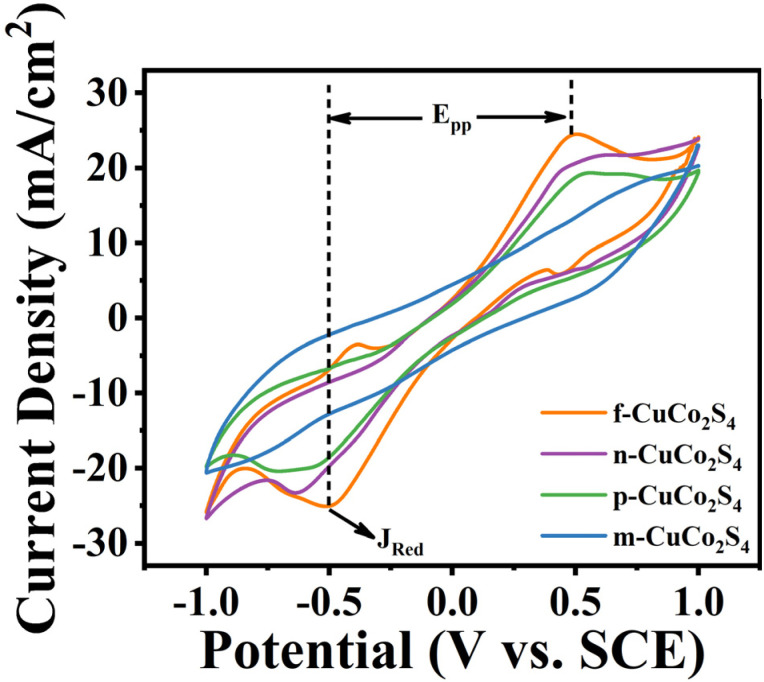 Figure 11
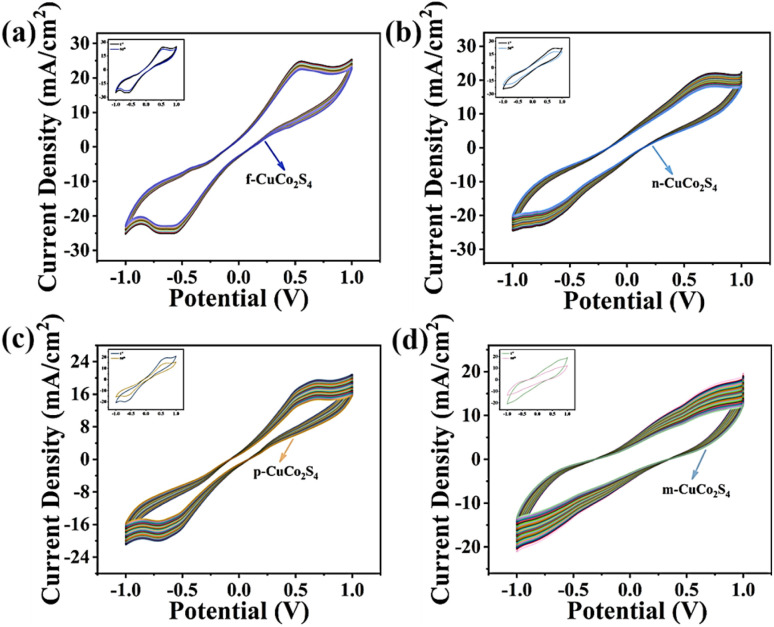 Figure 12
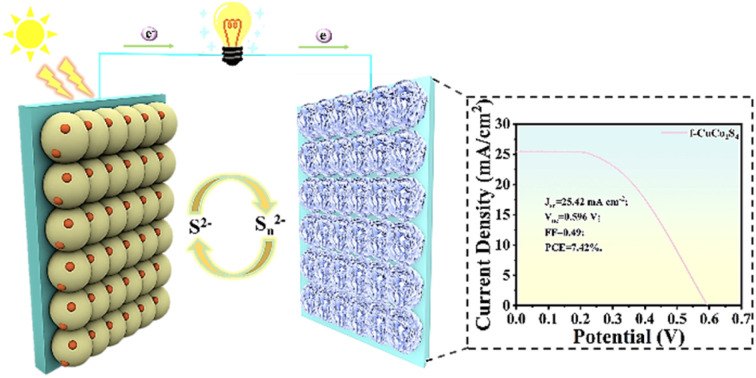 Figure 13
Peer Reviews
No public reviews on file for this paper yet. If you reviewed it on a platform where reviews are public (OpenReview, ICLR, NeurIPS, ICML), you can paste yours below so the community can read it here.
Videos
No videos yet. Explain this paper in a talk, walkthrough, or lecture? Add one.
Taxonomy
TopicsTiO2 Photocatalysis and Solar Cells · Advanced Photocatalysis Techniques · Iron oxide chemistry and applications