Electrostatic Collapse of Intrinsically Disordered Acid-Rich Protein Is Sensitive to Counterion Valency
Barbara P. Klepka, Radost Waszkiewicz, Michał Wojciechowski, Agnieszka Michaś, Anna Niedzwiecka

TL;DR
This paper shows how the structure of a disordered protein changes in response to different types of ions, revealing a new mechanism for how these proteins compact.
Contribution
The study identifies a valency-sensitive electrostatic collapse mechanism in disordered proteins driven by specific ion binding.
Findings
Divalent cations induce collapse of AGARP at lower concentrations than monovalent cations.
Compaction occurs without forming secondary structures.
Divalent ion chelation is a key mechanism for IDP compaction in ionic environments.
Abstract
Intrinsically disordered proteins (IDPs) respond sensitively to their ionic environment, yet the mechanisms driving ion-induced conformational changes remain incompletely understood. Here, we investigate how counterion valency modulates the dimensions of an extremely charged model IDP, the aspartic and glutamic acid-rich protein AGARP. Fluorescence correlation spectroscopy and size exclusion chromatography reveal a pronounced, valency-dependent reduction in its hydrodynamic radius, with divalent cations (Ca2+, Mg2+) inducing collapse at much lower activities than monovalent cations (Na+, K+). Molecular dynamics simulations, direct sampling, and polyampholyte theory quantitatively capture the Debye–Hückel screening by monovalent ions but not the enhanced compaction driven by divalent ion binding thereby suggesting that, beyond differences in screening strength, a valency-sensitive mode…
Genes, proteins, chemicals, diseases, species, mutations and cell lines named across the full text — each resolved to its canonical identifier and authoritative record.
Click any figure to enlarge with its caption.
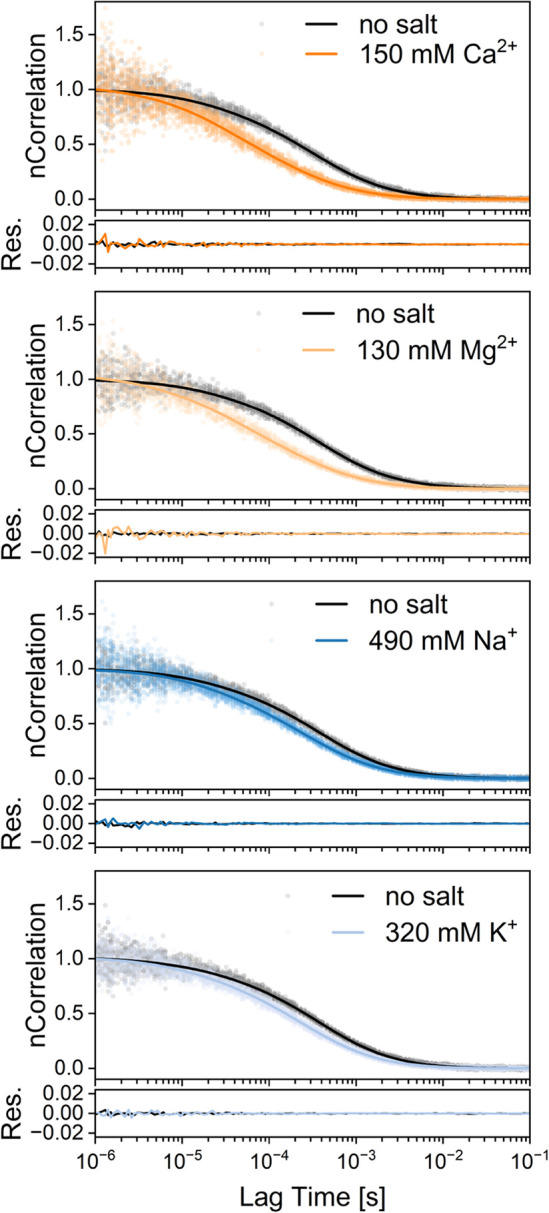 Figure 1
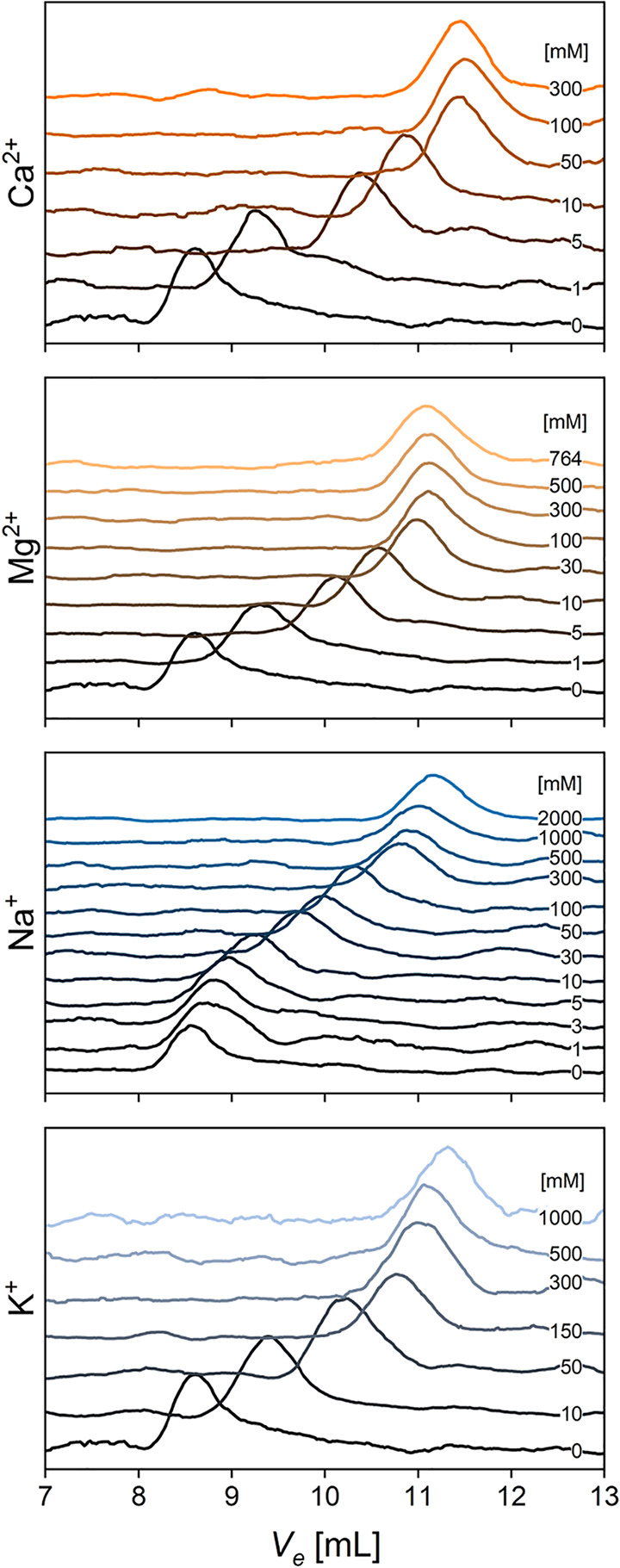 Figure 2
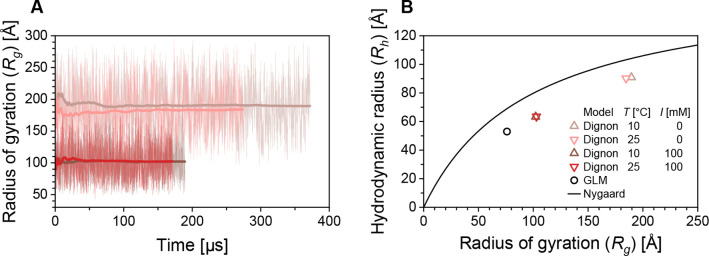 Figure 3
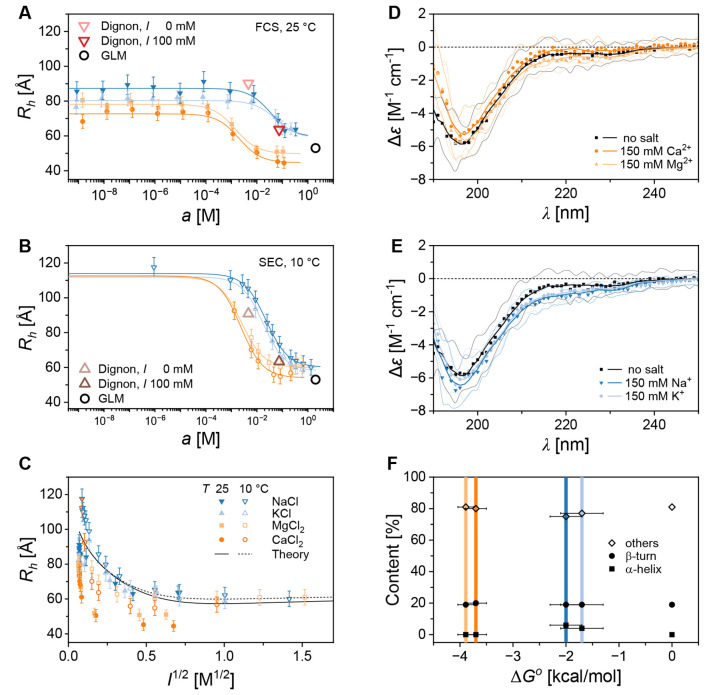 Figure 4
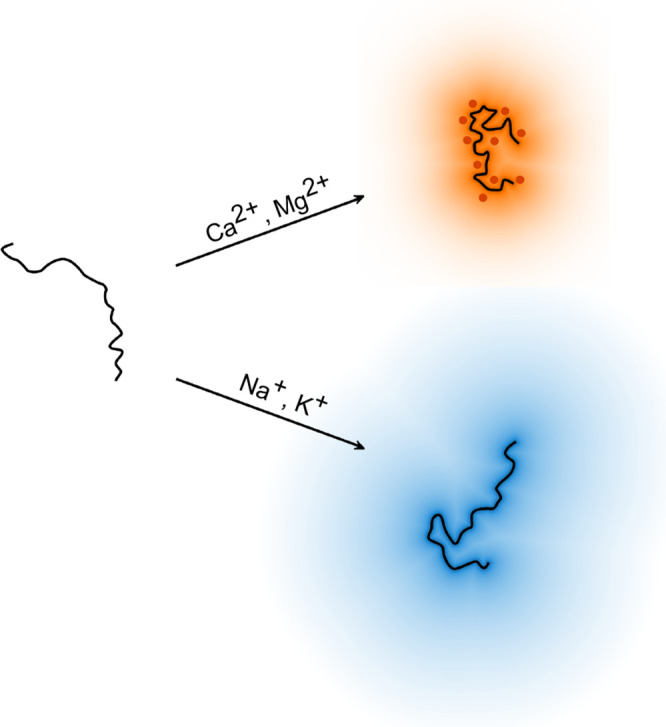 Figure 5
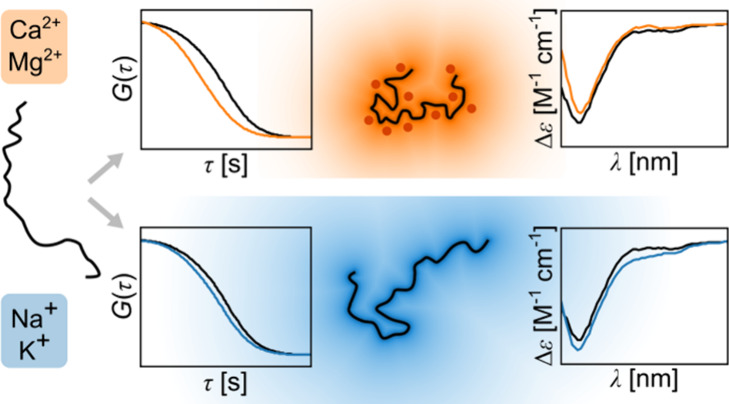 Figure 6
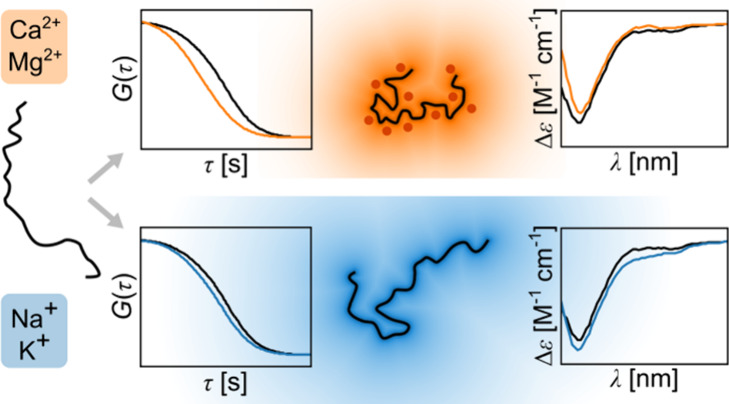 Figure 7
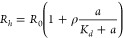 Figure 8
 Figure 9
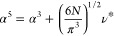 Figure 10
 Figure 11
 Figure 12
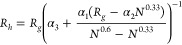 Figure 13
Peer Reviews
No public reviews on file for this paper yet. If you reviewed it on a platform where reviews are public (OpenReview, ICLR, NeurIPS, ICML), you can paste yours below so the community can read it here.
Videos
No videos yet. Explain this paper in a talk, walkthrough, or lecture? Add one.
Taxonomy
TopicsProtein Structure and Dynamics · Enzyme Structure and Function · Heat shock proteins research