Using Time Dependent Rate Analysis to Evaluate the Quality of Machine Learned Reaction Coordinates for Biasing and Computing Kinetics
Nicodemo Mazzaferro, Suemin Lee, Pilar Cossio, Pratyush Tiwary, Glen M. Hocky

TL;DR
This paper introduces a metric called γ to evaluate the quality of machine-learned reaction coordinates for predicting molecular kinetics.
Contribution
The study shows that γ from the EATR method can guide the selection of effective reaction coordinates for kinetic predictions.
Findings
γ increases closer to 1 as reaction coordinates improve, indicating better performance.
Mean accelerated times decrease consistently with improved γ values.
γ and τ̅accel show an inverse correlation, validating γ as a practical evaluation criterion.
Abstract
Having an accurate reaction coordinate (RC) is essential for reliable kinetic characterization of molecular processes, but there are few quantitative metrics to evaluate RC quality. In this study, we consider the dimensionless γ metric from the Exponential Average Time-dependent Rate (EATR) method, which represents the fraction of a biasing potential along the RC that contributes to increasing the rate constant. We demonstrate that γ can be used to test whether the utility of a RC for predicting kinetics with a Metadynamics bias improves as the coordinate is iteratively updated to include new data. We evaluate RCs approximated via the iterative State Predictive Information Bottleneck (SPIB) approach, which was previously shown to be accurate across six protein–ligand dissociation systems. For these same systems, we compute γ values and mean accelerated times τ̅accel. After…
Genes, proteins, chemicals, diseases, species, mutations and cell lines named across the full text — each resolved to its canonical identifier and authoritative record.
Click any figure to enlarge with its caption.
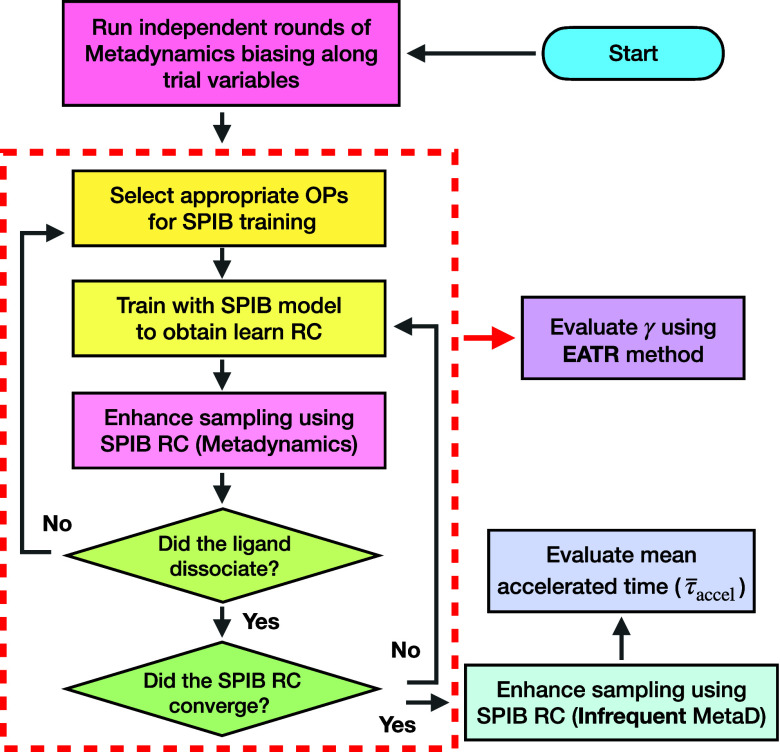 Figure 1
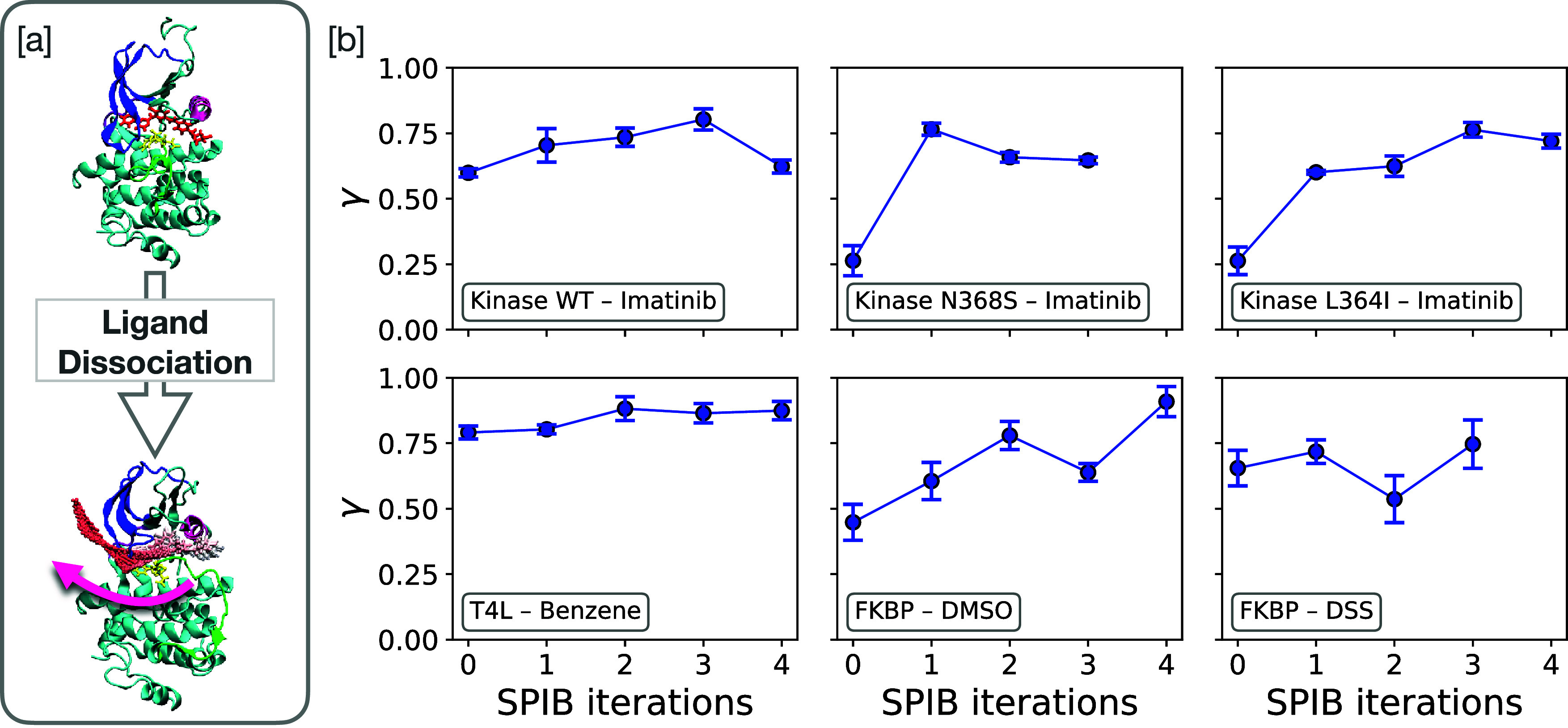 Figure 2
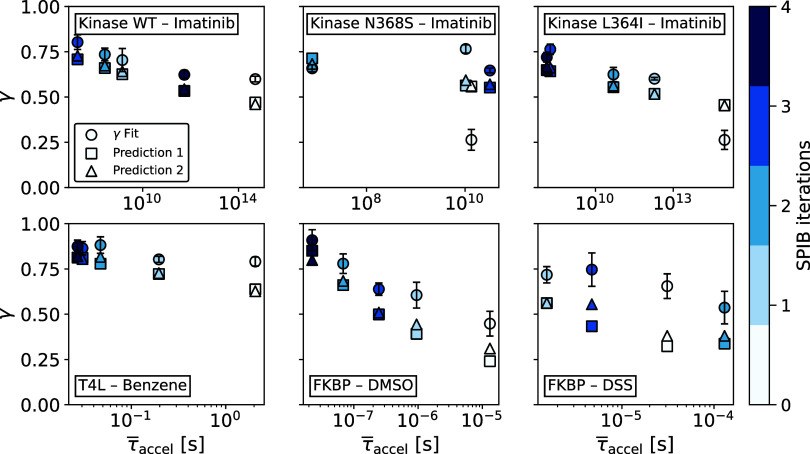 Figure 3
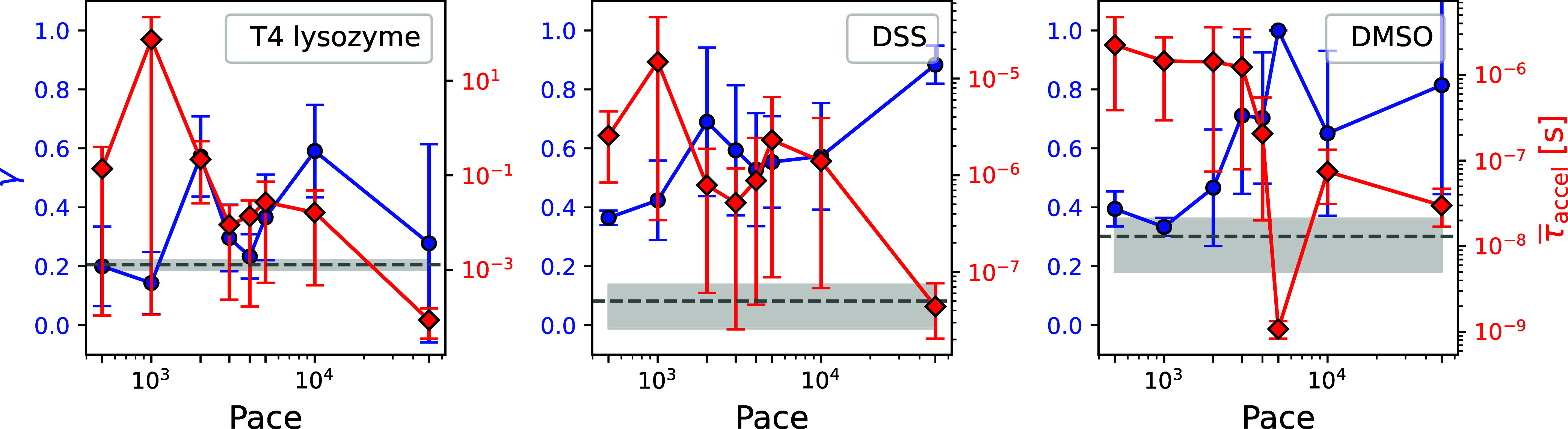 Figure 4
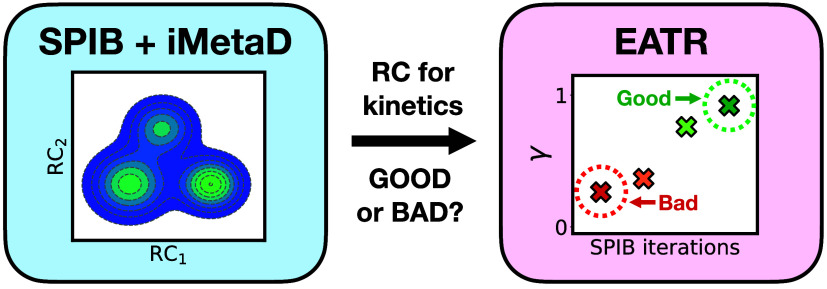 Figure 5
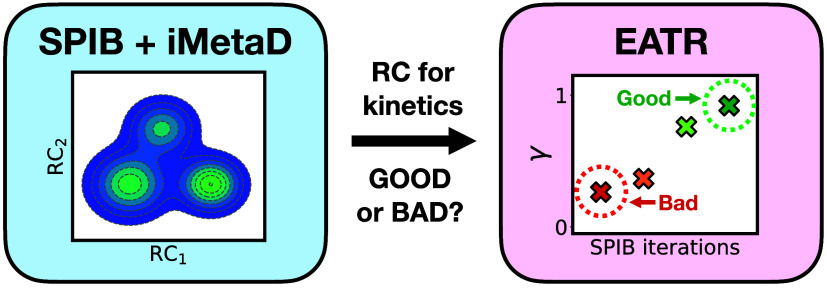 Figure 6
 Figure 7
 Figure 8
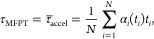 Figure 9
 Figure 10
 Figure 11
 Figure 12
 Figure 13
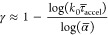 Figure 14
Peer Reviews
No public reviews on file for this paper yet. If you reviewed it on a platform where reviews are public (OpenReview, ICLR, NeurIPS, ICML), you can paste yours below so the community can read it here.
Videos
No videos yet. Explain this paper in a talk, walkthrough, or lecture? Add one.
Taxonomy
TopicsMachine Learning in Materials Science · Computational Drug Discovery Methods · Mass Spectrometry Techniques and Applications