Multi-omics profiling reveals the role of 4-ethylbenzoic acid in promoting proliferation and invasion of cervical cancer
Xiaoling Huang, Shan Lu, Xiaoge Li, Jin Wu, Qiao Zu, Zhaoning Duan, Ming Luo, Ying Jia

TL;DR
This study finds that 4-ethylbenzoic acid promotes cervical cancer growth and could serve as a new biomarker for detection and treatment.
Contribution
The study identifies 4-ethylbenzoic acid as a novel metabolite linked to cervical cancer progression and potential therapeutic targeting.
Findings
4-ethylbenzoic acid levels increase progressively during cervical cancer development.
4-ethylbenzoic acid promotes cancer cell proliferation, migration, and invasion in vitro.
Proteomic analysis reveals 14 proteins associated with poor prognosis after 4-ethylbenzoic acid exposure.
Abstract
Cervical cancer (CC) is a global health challenge, ranking fourth among cancers in women. Microbiome–metabolome interactions influence human papillomavirus (HPV) associated carcinogenesis, but specific microbial metabolites driving malignant progression remain undefined. This study aimed to identify potential biomarkers for distinguishing CC, and further explore their role in the progression of CC. Non-targeted metabolomics was employed to profile alterations in the vaginal microenvironment across clinical cohorts, including individuals with CC, individuals with cervical intraepithelial neoplasia (CIN), HPV-positive individuals, and HPV-negative individuals. Targeted metabolomics was then used to confirm the expression of 4-ethylbenzoic acid (4-EA) levels and its role in CC was explored using cell counting kit-8, 5-ethynyl-2′-deoxyuridine, colony formation, transwell, and wound healing…
Genes, proteins, chemicals, diseases, species, mutations and cell lines named across the full text — each resolved to its canonical identifier and authoritative record.
Click any figure to enlarge with its caption.
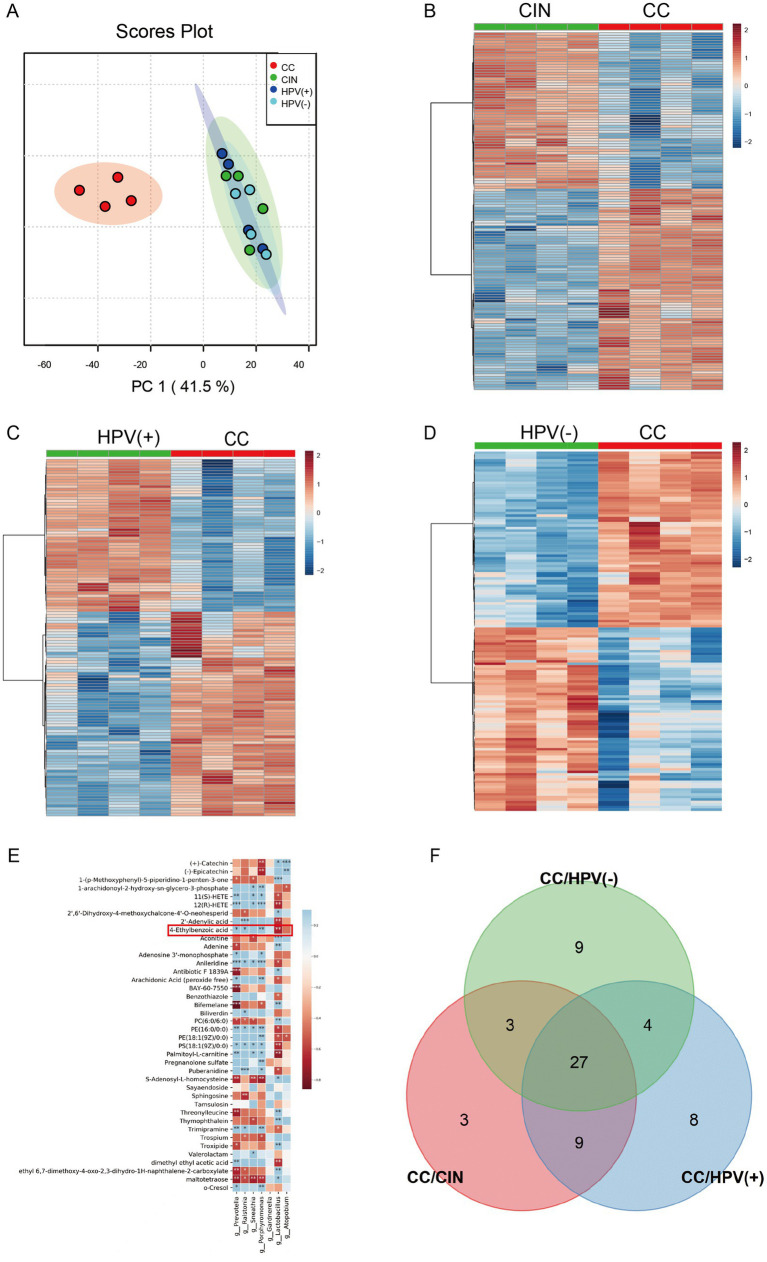 Figure 1
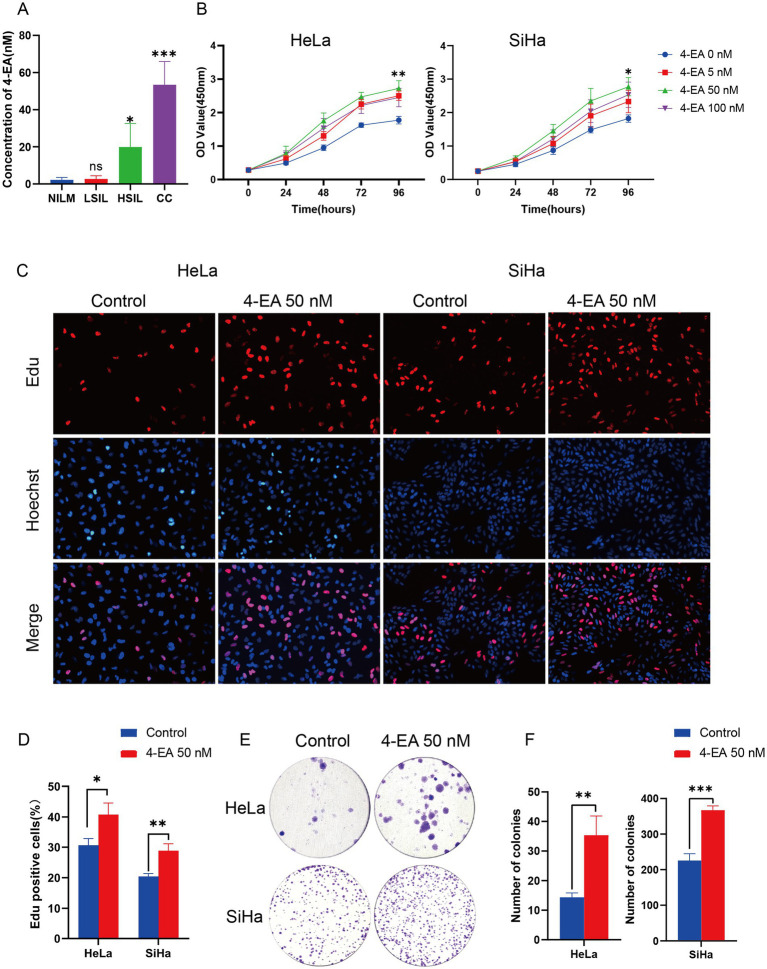 Figure 2
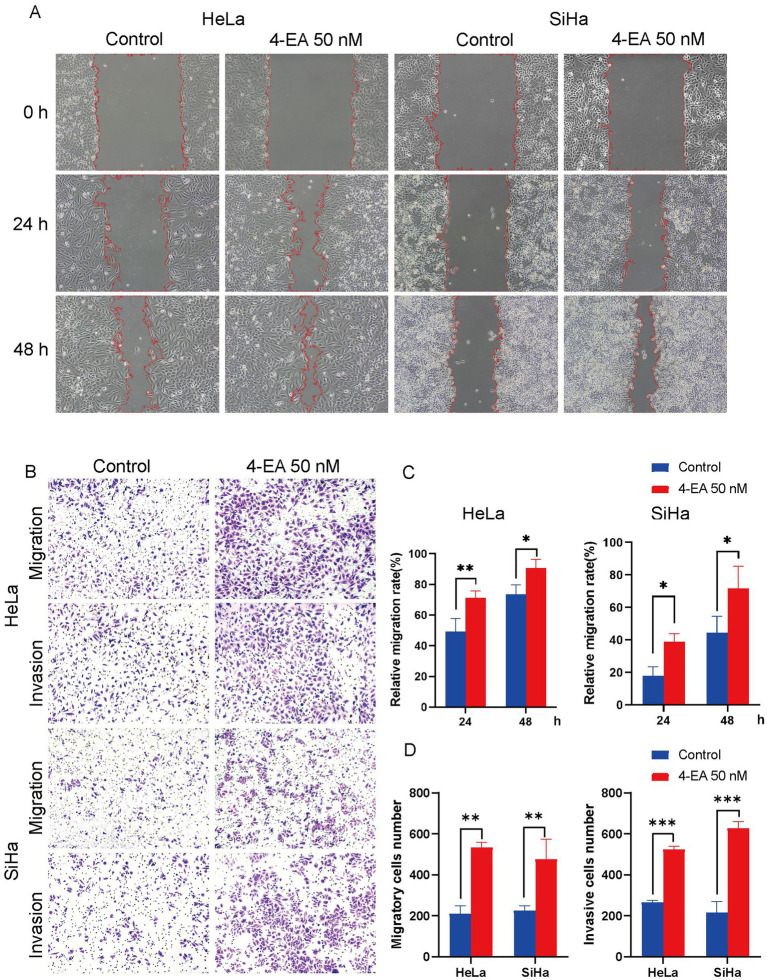 Figure 3
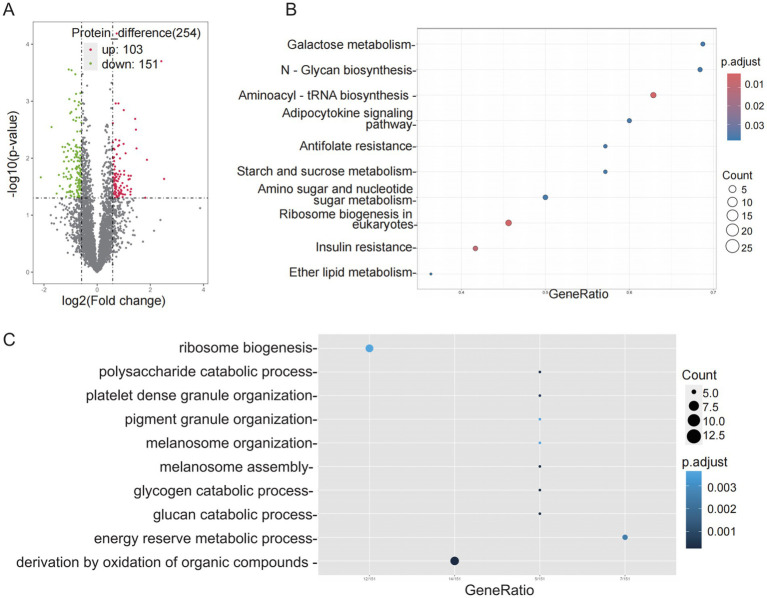 Figure 4
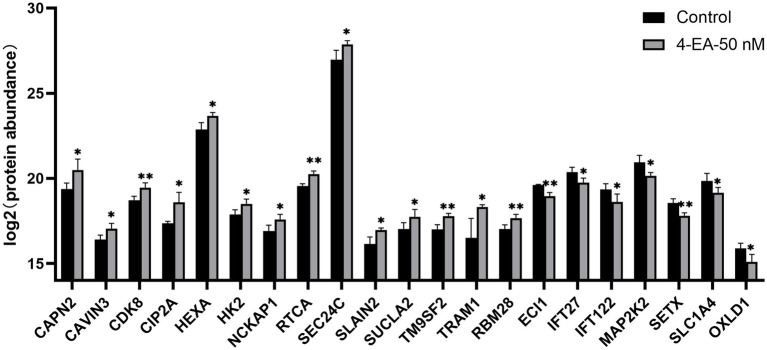 Figure 5
Peer Reviews
No public reviews on file for this paper yet. If you reviewed it on a platform where reviews are public (OpenReview, ICLR, NeurIPS, ICML), you can paste yours below so the community can read it here.
Videos
No videos yet. Explain this paper in a talk, walkthrough, or lecture? Add one.
Taxonomy
TopicsMetabolomics and Mass Spectrometry Studies · Cancer-related molecular mechanisms research · Cancer, Hypoxia, and Metabolism